Worth The Read

What Your Feet Are Missing When Shoes Feel “Fine”
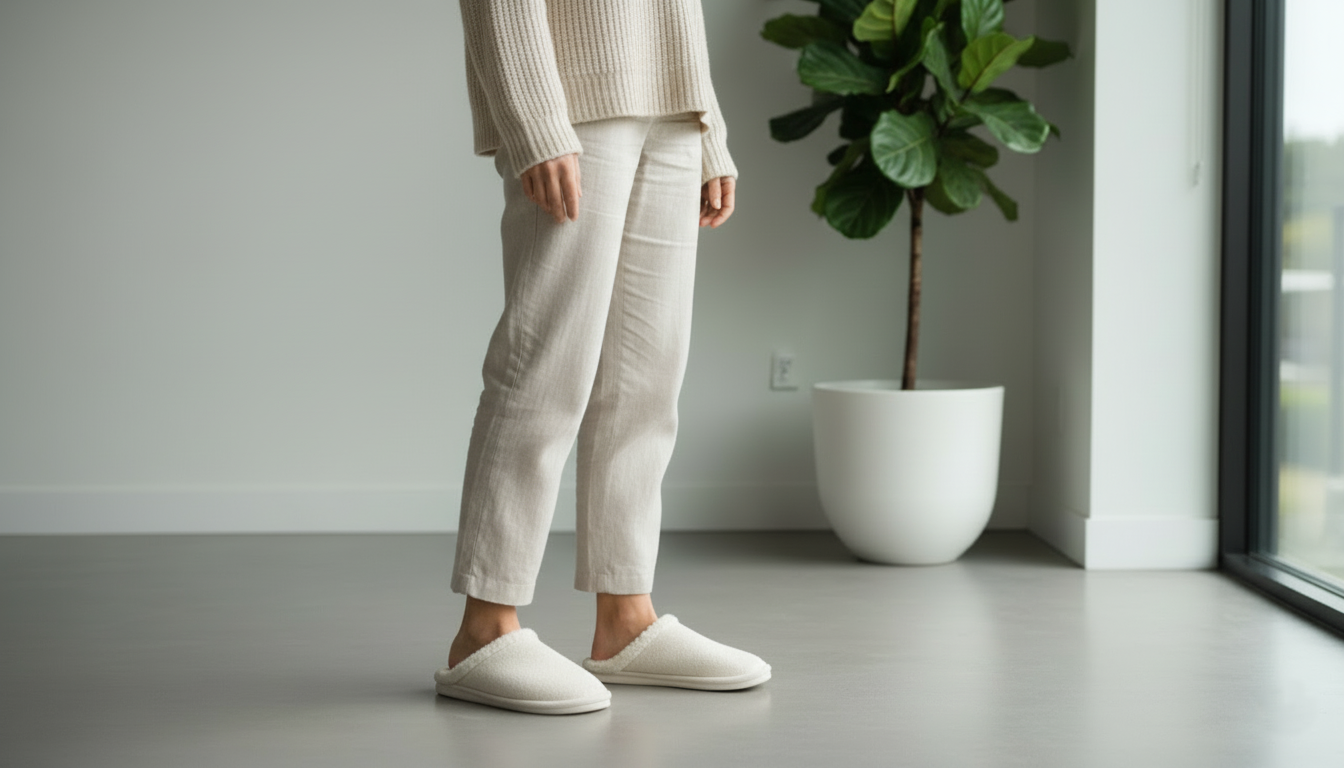
For many individuals, the definition of a "good pair of shoes" is synonymous with a "pain-free experience." If someone feels only mild discomfort while wearing shoes, it is highly unlikely to raise any warning signals; therefore, a 'fine feeling' shoe has no immediate cause for concern; however, Mild Discomfort and Fatigue, at the end of each working day, are signs that something critical is missing. As the years progress, these small amounts (or gaps) of support can lead to chronic pain and less ability to perform normal activities such as walking and/or running; they could also contribute to psychological stress. The structure of the foot consists of a large number of bones and ligaments, and this allows the foot to adapt to changes in the body, maintain balance, and absorb impact forces. Shoes that simply cover the foot and do not support the biomechanics function of the foot will force the body to compensate for this lack of support silently over time. The following articles discuss what your feet could be missing when a 'fine' feeling is present in your shoes, and how utilizing intentional support transforms comfort into total wellness. The Hidden Cost of Unsupported Arches If your arches do not have the support they need, then your body will have to absorb the impact of all the activities that you perform. When this occurs your heel, ankle, and knee joints are placed under greater stress than if you had a more effective arch. The stresses are compounded on flat or collapsing arches by the increased chance of stress and inflammation due to fatigue. Arch support slippers for flat feet help to keep the body in a proper alignment and to prevent over-pronation of the foot. Without this support, the brain and muscles must continuously compensate to maintain balance, adding to the mental and physical load of working out. The Aftermath of Flat Feet While Indoors Many individuals only consider buying supportive shoes for outdoor activities but fail to purchase a supportive type of footwear for indoors. Walking barefoot or in unsupportive slippers on hard-surfaced floors will place unnecessary stress on the already weak arches over and over again. Orthopedic slippers for flat-footed individuals give consistent support while you go about your daily routines in the house. Without this supportive footwear, the feet will accumulate micro-traumas which, over time, will manifest as chronic soreness that appears to occur without any identifiable cause. The Misconception of Comfort from Plantar Fasciitis Plantar fasciitis generally starts off as mild heel pain in the morning and develops into stiffness. Slippers can increase the risk of developing Plantar Fasciitis as they keep the heel from supporting the arch of your foot and creating an ideal environment for excess stretching of the plantar fascia. Orthotic slippers specifically designed for Plantar Fasciitis provide increased arch support and cushioning for your heel thereby decreasing tension on the plantar fascia ligament. As such, if you find a shoe to be comfortable, however the shoe does not provide the necessary amount of support, it will allow your plantar fascia to continue to be inflamed over time until it reaches a level of no return to the point where you cannot stand it any longer. Warm Without Structure Is Not Sufficient During the winter months, many people overlook the need for proper support when looking for a good warm winter slipper. The plush lining and soft soles are often what makes a pair of slippers cozy to the touch, and while they do feel nice on your feet, once you place your weight on them, the materials lose their support because of the pressure. A proper warm winter slipper should provide the insulation needed for cold winter months, however at the same time provide a supportive footbed that allows you to be comfortable without a great deal of strain, therefore allowing for proper circulation and decreased fatigue from standing on your feet for extended periods of time. The Winter Season Requires More than Soft Slippers Although winter footwear is focused on providing warmth and insulation, many of the indoor winter slippers available today do not offer the structural support necessary to withstand the impact from hard floors during the cold winter months. A winter women’s slipper that provides a supportive footbed allows it to more effectively absorb shock while maintaining alignment. Without these supportive features, the routine of wearing a winter slipper can exacerbate foot problems, which may have remained dormant throughout the summer months. Illusion of Comfort and Plantar Fasciitis Plantuar Fasiciitis typically starts out as a nagging sense of stiffness and pain on the bottom of the foot when you are getting out of bed. The use of a slipper that has no support or structure but is soft will allow for additional extension to occur in the Plantuar Fascia and make plantar fasciitis worse. Orthotic Slippers specifically designed to correct plantar fasciitis will reduce the amount of pull or tension on the plantar fasciitis ligament. They do this by providing arch support and cushioning for the bottom of the heel. As you start to experience relief from the pain associated with plantar fasciitis, the amount of inflammation will continue to build up until the pain is so unbearable, you cannot ignore it. Comfort Without a Supportive Structure is Not Enough As the weather becomes colder, people tend to look for warmth and comfort instead of support. Slippers with plush fur linings and soft soles may be warm and cozy, but when worn, they can collapse under the weight of one's body and give little support. Women's slippers designed for warmth should provide warmth without losing stability. When warmth is combined with a properly constructed footbed to support a comfortable foot position, the circulatory system will work properly to keep a person's feet feeling relaxed and comfortable all day without causing strain and fatigue. More than Just Softness is Necessary for Winter Time Comfort While the emphasis of winter footwear is to keep the feet warm, many of the slippers worn in the wintertime are often poorly constructed and lack proper support. The impact of hard floors becomes more pronounced in colder weather due to the lack of cushioning for your feet. Women's winter slipper styles that are designed with supportive footbeds provide an added layer of protection and comfort against the shocks and stresses of daily life, while also helping to maintain foot alignment. If supportive footbeds are not used, these types of winter foot care routines can worsen existing problems or conditions when they are not apparent in warmer months. The Unacknowledged Necessity for Protecting Your Heels Heel pain has become one of the most common complaints from people regarding their feet. Having proper cushioning and ample padding may still put stress on your heels if you use slippers that feel comfortable. Women's winter slippers with heel cups support the rearfoot, so that the longitudinal arch does not have to bear the weight of the upper body. When olympic shoes for women are without support for the heel, many women experience heel discomfort. Unfortunately this discomfort is often misidentified as normal fatigue. Heel Spurs Form at a Slow Pace Heel spurs occur gradually over months or years, as the result of long-term pressure being placed on a person’s heel bone. The symptoms related to heel spurs are easily overlooked when a person’s foot is comfortable in their normal shoes. The best remedy for heel spurs in women's slippers is a design that distributes pressure evenly from above the heel down the length of the foot. Without the support from this type of shoe design, the heel can become inflamed and more painful over time, limiting the ability to move about one's daily life. The Shape of Your Shoes and the Shape of Your Toes Many people do not think about the shape of their toes and, therefore, many people have foot problems related to improperly fitted footwear. For people with misaligned toes, such as hammer toes, a common aggravation is footwear that is either too tight at the toe or has a shape that does not match the shape of the toes. Shoes designed for women with hammer toes should provide ample room in the toe region to allow the toes to flatten without pressure. When shoes do not provide this roominess, toes become crunched together, causing discomfort and lack of blood flow, even when not wearing the shoes. Nerve Sensitivity and Pressure on the Forefoot Morton's neuroma is a condition where the nerve in the forefoot has been irritated, usually as a result of compression and/or impact. The slippers that feel like they are neutral to wear may still put pressure onto this area that is sensitive. Morton's neuroma slippers function best when they take into consideration the amount of cushioning and width provided for the forefoot. If you don’t have these considerations, the nerve irritation can continue and cause painful sensations, including burning or tingling, which will interrupt your comfort. Heel Pain May Not Be Apparent Right Away Heel pain often occurs for many people after long periods of standing or at the end of the day, which can make it easy to overlook that your footwear may be contributing to your heel pain. Wearing women's slippers known to be designed to help alleviate chronic stress on the heel while doing low impact activities can help minimize accumulated stress. When this type of support is not available, the heel pain may not begin until after several hours of wear. How to Provide Support for Plantar Fasciitis at Home Feet spend most of their time indoors on hard surfaces, where support is often not provided. Repetitive foot motion on hard surfaces can increase symptoms of plantar fasciitis. Wearing women's orthopedic slippers designed to provide ongoing support for the arch and cushion the heel will help alleviate symptoms of plantar fasciitis. When you don't have that support structure, standing for a short time can trigger flare-ups of inflammation and result in more pain. Caring for Bunions by Creating Comfortable Designs (Pain-free) To manage bunions properly, care must be taken to design slippers that will not irritate the bunion area (put too much pressure on). While some slippers may feel comfortable on the outside, they can still put pressure on a bunion joint. This can add to discomfort and/or aggravate an existing bunion. Bunion-friendly slippers are constructed to allow for proper spacing and movement around the bunion area. They also have a rigid structure to provide stability. When a bunion is not supported correctly, it can become increasingly painful even when using an otherwise comfortable slipper. The Need for Support for Flat Feet People with flat feet need continuous support throughout the day. Why? Because if you wear a good supportive shoe to run errands or exercise, but a low-support slipper at home, your newly supported foot will no longer receive that same support at home. Therefore, you are losing your progress. Due to flat-footedness, we are generally required to wear arch-supporting slippers. These slippers allow for constant alignment of the arch throughout the day. When there is not a constant in support, the muscles and ligaments of the foot have to readapt to the different styles of footwear continually and become fatigued. Low-level Stress on the Mind and Body When a person has flat feet, the feet send a signal to the brain all day long (low-level stress) that says: "I need that support or I am going to hurt". As a result, you will suffer from mental exhaustion, lack of focus, and poor mood. Once a person wears the appropriate footwear for their condition, their nervous system will relax. The person will no longer feel like they have merely okay shoes; they will have the foot support they need. Our Comfortable Transition Comfort is something that needs to be anticipated proactively instead of reactively. Comfort is created by understanding the anatomy of the human foot and complying with its function. Shoes should allow for natural motion, distribute body pressure evenly across the sole(s) of the feet, and accommodate everyone's different foot shapes. The intentional choice of slippers allows us to create an environment where we can recover instead of suffering during our daily routines. This special use of slippers gives you the opportunity to give your feet what they need to allow for blissful recovery, resulting in better alignment throughout your body, reduced fatigue, and an improved sense of overall well-being. The Importance of Listening to Your Feet Until someone becomes uncomfortable, most people will not think about their feet. However, if we learn how to recognize these subtle messages early on, we should be able to intervene early and improve our foot health over time. If your shoes feel "fine," it's important to question if they truly support the natural anatomy and function of your foot. Although there is nothing wrong with purchasing shoes for luxury purposes, the key is that properly designed shoes will help preserve your comfort, mobility and quality of life.
Learn more
The Connection Between Foot Fatigue and Mental Exhaustion
Foot fatigue not only causes discomfort in the physical sense, but also can deplete energy from your brain over time. Wearing shoes with proper foot support reduces the cognitive demands placed on the brain, thereby allowing for greater concentration and improved feelings of balance throughout the day.
Learn more
Why Foot Pain Often Appears After You Stop Moving
Foot pain can be difficult to predict because it is often not until evening, when we finally sit down or lay down, that we start to feel our feet ache, tighten up, or cause sharp pain. Many people also don't understand why foot pain does not typically occur until after they have been still for some time. Understanding the reasons for this will help you understand how to avoid this issue. How can your feet feel fine during activity? When walking or standing, your muscles are continually firing as they are working to maintain your upright balance when your body is moving through space. There will be an increase in blood flow to the tissues of both the joints and the muscles, the temperature of both of these kinds of tissues will be elevated, and most signals of discomfort will be decreased. The interaction of all of these mechanisms acts as protection for our bodies when tissues are undergoing increased stress. When you stop moving, your body no longer has the protective elements stated above available. You will see a decrease in circulation, the beginning of inflammation, and fatigued tissues will begin to present you with the need for attention. Therefore, pain in your feet will usually seem to be stronger at rest than when you are moving.Using a comfort orthopedic slipper after movement helps reduce this sudden shift by keeping the foot supported as the body transitions into rest. The effect of muscle fatigue on delayed pain in the feet The muscles in your feet are active constantly. Even during light activity, they provide stability and shock absorption while adapting to the different environments we walk on. Eventually, these muscles start to lose strength and become fatigued long before you feel any impact or pain. Immediately after stopping to move, the body automatically relaxes tired muscles causing a rapid decrease in tension in the tissues. This rapid transition places extra stress on your tendons and connective tissues, resulting in soreness and stiffening which often were not felt until you stopped moving. Using shoes made specifically for recovering can help allow for this transitional period by giving your feet and ankle time to transition back to normal without experiencing an immediate drop in their level of support. How Walking or Standing on Hard Surfaces Makes Resting Your Feet More Painful Many people experience pain in their feet at home due to the hard surfaces within their homes. While they may be able to withstand some pain from hard surface use while wearing shoes, walking or standing on hard surfaces without wearing shoes causes more stress on their feet. Walking or standing barefoot also causes your feet to work harder than they should during the time you're resting. While you're walking or standing, your feet experience a multitude of pressures on them as they are supporting your entire body weight. Therefore, after a long day of working, your foot will likely be continually under more pressure, leading up to the nighttime hours when you lay down for bed. That's why wearing slippers with arch support for flat feet indoors can be beneficial since there is not a lot of cushioning available. Flat Feet and When Pain Appears Flat feet distribute weight across your foot and up your body's kinetic chain differently than arched feet do. Flat feet lack a natural arch to help absorb some of the weight from your foot when you're standing or walking, and without that natural arch, much of the weight on your foot (and hence the kinetic chain) is being distributed to other parts of your foot and body throughout the day, and you are therefore getting more strain on other parts of your body (especially joints and muscles). Wearing orthotic slippers when you're at home without any support, especially if your feet are flat, will help you to maintain the proper alignment of your foot while you're resting and reduce the likelihood of having delayed discomfort from your feet. When You Rest, Inflammation Becomes Very Apparent Inflammation is a natural response that occurs after an injury, and it gets more attention when you stop moving after being active. While you are active, the movement of your foot helps move fluid around through your body, and when you stop moving, your body will continue to build up more fluids that are a result of the inflammatory process. Because of this, if you've been dealing with heel or arch inflammation, orthotic slippers for plantar fasciitis will provide controlled support for your feet and reduce strain and stress on your feet even before you stop walking. After Movement, My Feet Hurt Because of Temperature Cold weather contracts the muscles and consequently limits flexibility. This is why once the body stops moving, any pain will feel heightened. In the evening when poor circulation occurs naturally, it is common for the muscles to contract further. Heat encourages muscles to relax and helps to increase the amount of blood flow to the area, so discomfort is decreased once the body has stopped moving. Women’s warm slippers provide comfort for the feet after a long day of movement. The Cold Season Leads to More Time Spent Indoors and Inactivity, Causing Foot Pain During the winter months, many people spend more time indoors, which often results in a false sense of security regarding foot support. Additionally, as temperatures drop, there is increased stiffness and sensitivity in the muscles of the feet. When not wearing the correct type of footwear, foot pain becomes more pronounced once movement ceases. Wearing winter slippers that combine warmth and support will help to mitigate seasonal foot flare-ups. Why Caring For Your Feet at Home Is More Important Than You Realize While many individuals may wear good supportive shoes for work, they tend to neglect their foot care at home. This creates a period of time when the foot goes from good structured support to no support at all. Because of this rapid change, there will be increased stress during the recovery period, resulting in foot pain only occurring once movement ceases. Quality women's winter slippers maintain similar levels of foot support throughout the day. Delayed Foot Discomfort With Heel Pain Heel pain, the most notable example of delayed foot pain, usually occurs because of the amount of force placed on the heel during any activity. In most cases, when an activity stops, the pressure releases off of the heel into a different area that is more sensitive to pressure. Footwear lacking the right support will compound the problem. Women’s slippers designed specifically for heel spurs will help relieve the concentrated pressure on the heel while recovering from an injury. Delayed Nerve Pain in Morton’s Neuroma Foot pain that originates from the nerves may seem to occur differently from muscle-related pain. A good example of this is Morton’s neuroma; as a result of the compression of the nerve, people will not necessarily experience pain when doing an activity, but they may feel it while they are resting. As the nerve becomes compressed, this compression is gradual and will be felt to a larger degree only when all pressure and movement of the foot cease. Choosing the best slippers for Morton’s neuroma will provide the best support for the recovery period, thus minimizing the irritation of the nerve.The Importance of Supporting Your Feet When Resting Your feet are not going to heal just because you stop using them. The only way to fully heal your feet is by keeping your feet supported in a stable, neutral position. If you do not provide support, your tissue will continue to experience stress when you rest. This will prevent healing and create more pain in your tissue. By providing your feet with supportive recovery shoes, your body can turn resting into active recovery. The Importance of Transitioning from Activity to Rest Many foot problems are created by not transitioning from activity to rest properly. When you stop using your feet, you must allow your feet to gradually transition to being at rest. Slippers with structural support aid in maintaining alignment, while allowing your muscles to relax. This will help to prevent the jolt of disconnect that creates delayed pain. Why Pain at Rest Is an Indicator Foot pain that occurs after exercise is not an isolated incident or coincidence. It is a signal from your body that you've been storing up cumulative stresses. Ignoring this sign will allow small foot problems to turn into chronic conditions. You must respond to it with proper support early on to avoid long-term injury. Your feet are giving you feedback, even if it arrives late. The Importance of an Evening Routine That Helps Feet Your evening routine does not have to include complicated exercises for your feet to benefit from a supportive routine. It is enough simply to wear adequate recovery footwear while you are relaxing in the evening. When you make it a habit of doing this, you help your feet recover faster. This will result in less inflammation, improve circulation, and help prepare your feet for the following morning. The small steps you take on a daily basis will produce the greatest comfort over the long-term. Long-Term Effects of Not Recognizing Delayed Foot Pain Many times, foot pain that only occurs while you are resting is considered unimportant. However, this type of foot pain can ultimately lead to serious problems if not properly treated. Over time, the result of untreated strain will negatively affect your knees, hips, and back, ultimately leading to a less functional and less mobile body overall. Foot health supports your entire body health. When Does Pain Show Up When You Stop Moving? Foot pain is usually felt more after you have moved rather than during movement. The reason for this is that as you are active, you have little space within your body to feel discomfort until you stop moving, at which point there is now room for muscles to become fatigued and inflamed, and provide the necessary support. As a result, by wearing adequate recovery footwear during rest, you are lessening the possibility of having pain show up after you stop moving, and achieving true recovery. When you listen to and act on these signals, you will have healthy feet for the years to come.
Learn more
How Hard Surfaces Rewrite the Way Your Feet Absorb Impact
When people walk on a hard surface, their feet experience more stress than they would on soft surfaces. Since your feet have to absorb an impact, the level of stress placed on the feet can have long-term effects on your alignment, comfort and overall foot health. By wearing shoes designed to minimize the impact on your feet, you will protect your feet from being subjected to this constant strain and be able to move more healthily.
Learn more
How to Pick Footwear When Your Foot Size Changes Day to Day
Foot size can change every day—but your comfort shouldn’t. Learn how to choose adaptive slippers that support swelling, alignment, and daily fluctuations.
Learn more
Why ‘Soft’ Shoes Cause More Pain Than Firm Supportive Ones
Soft shoes feel comfortable at first—but often cause long-term pain. Learn why firmness matters, how to choose supportive clogs, and how to protect your feet from hidden damage.
Learn more
How Your Daily Shoes Affect Joint Health Over Time: Clogs or Slippers?
When you think about joint pain, you may think of knees or hips; however, the pain usually begins in the feet. Properly structured shoes will help keep your body aligned and reduce the amount of stress placed on your joints. Choosing properly structured shoes will help minimize the build-up of stress on your joints through proper alignment. As a result, your body will be protected by properly structured daily footwear and maintain its ability to move freely.
Learn more
The Foot Stress You Don’t Feel Until Bedtime
When you think about joint pain, you may think of knees or hips; however, the pain usually begins in the feet. Properly structured shoes will help keep your body aligned and reduce the amount of stress placed on your joints. Choosing properly structured shoes will help minimize the build-up of stress on your joints through proper alignment. As a result, your body will be protected by properly structured daily footwear and maintain its ability to move freely.
Learn more
Why Your Feet Need Recovery Shoes After a Normal Day
Most people would assume that foot pain is a result of only an intense activity or long workouts. Actually, quite a few foot problems are caused by what appears to be a totally normal day. Standing in the kitchen, walking at work, commuting, or simply moving around the house gradually puts stress on our feet without us realizing it. That stress has been piling up already by the time evening comes. Recovery footwear is a thing because even everyday movement still puts load on muscles, joints, and connective tissue. Your feet are the ones that take the blow with every step, even on soft surfaces. If you do not give them the proper support at home, the strain will be going on for quite a while after you have taken your shoes off and thus, real recovery will be prevented. The Hidden Stress of a “Normal” Day on Your Feet Even very light daily movement is enough to challenge the structure of your feet. Walking on hard floors, wearing unsupportive house shoes, or going barefoot can all increase the pressure on the most sensitive spots. Eventually, this will cause soreness that initially will be very mild but eventually will become persistent. Your feet are made in a way that they can adapt, however, they still need periods of rest and support. When such support is absent, small imbalances gradually turn into chronic discomfort. That is the reason why recovery shoes are not a luxury but a necessary part of foot care. A comfortable orthopedic slipper can bring relief from the continuous pressure by helping the foot to be stable during rest time instead of letting it fall in. Why Barefoot Recovery Often Backfires Barefoot walking at home may be a natural thing, however, most of the time it makes the foot the most vulnerable part of the body. Almost all floors we have today are flat and hard, hence no shock absorption is possible. Therefore, the muscles in the arch and the heel will be excessively engaged when they should actually be resting. Going barefoot for recovery also leads to worse alignment, particularly in the case of people having foot issues that require support. The foot, without any help, is never really getting its reset after daily stress. Recovery footwear offers the feet a certain degree of support, alignment, and cushioning, thus, the feet can be at ease and not have to compensate. How Recovery Shoes Support Natural Healing Recovery shoes are the ones that are meant to help rather than hinder the foot’s first They make the sole able to work less and the pressure less on the burned areas just like one would expect from weight distribution done evenly across the foot. Thus the muscles relax and the inflammation quiets down. The idea here is not correcting the problem but giving the patient relief. Recovery shoes through holding the foot in a neutral position give support back to the tissues and in this way, they are able to; People that suffer from pain and inflammation may take a great advantage from wearing orthotic slippers during night time that would not only keep the heel but also the arch comfortable. Why Arch Support Matters After Daily Wear The arch is the part of the body in charge of shock absorption as well as balance. Within a day, it constantly gets stretched and compressed with every step that is taken. The absence of support at nighttime means that the arch has to hold on to the rest of the body and it doesn’t get the opportunity to relax. This unrelenting pressure can bring about foot fatigue and aching that at first may seem to get worse with time. The right recovery footwear can very gently take the support from under the foot and thus allow the arch to be supported and not stretched further more. Individuals suffering from arch collapse can greatly benefit from the use of arch support slippers for flat feet, especially when used regularly and at home. Flat feet are usually very hard to explain even to doctors as one of the reasons may be an innocent anatomical variation, but the truth is, they place double the necessary load on muscles and joints. Stress changes sides when there is no arch to absorb the impact properly and thus it moves upward to the ankles and knees. After a 'normal' day, flat feet may just feel heavy or sore without any obvious pain. More often than not, this slight discomfort is ignored until it becomes a long-term problem. During rest time, wearing orthopedic slippers for flat feet is of great help in keeping the proper alignment and thus prevention of overpronation. The Role of Temperature in Foot Recovery Performing activities in cold surroundings is not very helpful for foot recovery as it leads to the tightening of muscles and, therefore, it becomes stiffer. Temperature is something that not many people are willing to consider when talking about foot comfort, especially during the colder seasons. Heat is the main factor that brings more blood to the area, thus granting the recovery of the tissue and relaxation of the muscles. Helping your feet stay warm in the evening can be a big comfort booster for the morning. This is the point when winter slippers for women should be considered a necessity rather than a luxury if one wishes to remain warm and support will not be sacrificed. Why Warmth Alone Is Not Enough Even though warmth is something that should not be missed, it should never be at the expense of one's structure. There are many soft slippers that are rather comfortable; however, they do not provide the necessary support for the foot. What often happens is that people stay warm but the pain gets worse. Real recovery footwear is at the same time a heater and an orthotic that a person wearing it will feel a sense of support, stability, and relaxation altogether. Top-notch warm slippers for women make use of insulation without compromising weight-bearing capacity. Seasonal Recovery Needs Change Footwear Priorities What people especially tend to do during the winter is spending more time indoors, and thus, the hours spent wearing house footwear get increased. This is the reason why the recovery design turns out to be even more important during the cold season. When cold floors are combined with the wearing of unsupportive slippers, it is the heels and arches that will experience increased strain. The right recovery footwear is a double protection measure against not only the negative effects of a drop in temperature but also structural stress. Good-quality women's winter slippers are able to address the issues brought by the season and, at the same time, maintain foot health. Heel Pain Doesn’t Pause at Home Quite often, heel pain is becoming even worse at the time when the person is at rest because that is the time when the inflammation is the most noticeable due to the lack of other activities. The fact that the slippers a person is wearing are not supporting him makes the heel sink and as a result, the pressure on that sensitive tissue increases. Recovery shoes reduce the impact on the heel and make the walking comfortable even if it is only for a short distance at home. This is the main reason why evening wear is just as important as the daytime one. Those who are suffering from heel discomfort may find the best women's slippers for heel spurs that provide not only cushioning but also relief by lessening the direct pressure on the affected area. Why Recovery Shoes Improve Morning Comfort The majority of people evaluate their footwear based on the way their feet feel during the day; however, mornings are the ones that really tell the story. Usually, what you notice is that the tissues are stiff and painful and this is due to an improper recovery during the night which is the main cause of those symptoms. Once the feet are well supported during the evening, healing of tissues becomes faster and more efficient throughout the night. This results in the feeling that the first step taken in the morning is easier and less discomfort is experienced. Recovery footwear is a kind of a hero that does not work with a lot of noise but still it is there and it is very efficient in improving foot health. Choosing Recovery Shoes with Intention Not every slipper is a recovery one. A lot of them deal only with looks or feel, thereby completely dropping the elements of the frame and the support. So, the first thing to do with true recovery shoes is to check whether they have the three most important characteristics: alignment, cushioning, and stability. Please, observe how your feet feel after you take off the shoes. Relief, not relief mixed with fatigue, is the goal. Recovery shoes should be supportive, but at the same time, they should not be stiff or limiting the movement. The Long-Term Impact of Ignoring Recovery Not taking good care of the feet after activity is a problem that only impacts the feet. Inadequate support issues the posture, the balance, and the joints alignment all over the body. In the long run, this can bring knee, hip, and lower back pain. Recovery footwear is similar to a preventive measure which works by lessening the chances of problems arising in the future instead of being forced to react to the pain that has already appeared. Putting money into recovery shoes implies putting money into mobility and overall comfort. Recovery Starts at Home Even when your day is not packed with activities, your feet still put in a lot of work. One of the easiest ways to ensure that the feet remain healthy in the long term is giving them structured rest. Recovery shoes are not the sign of an extravagance or a luxury. These are the means of giving respect to the feet that have supported you throughout your life and providing them with the necessary help to be able to reset. Comfort will no longer be an exception but the standard when recovery is incorporated into your daily life.
Learn more