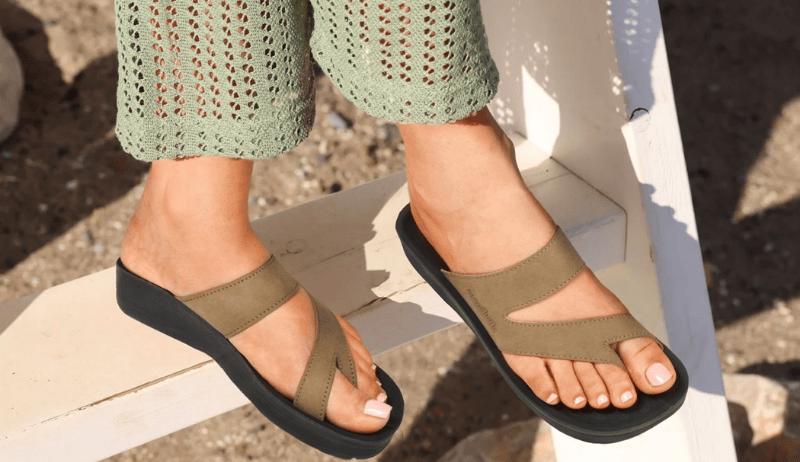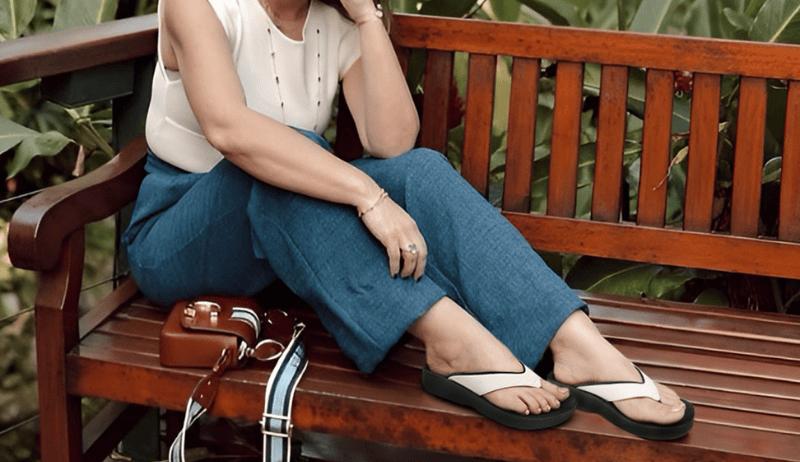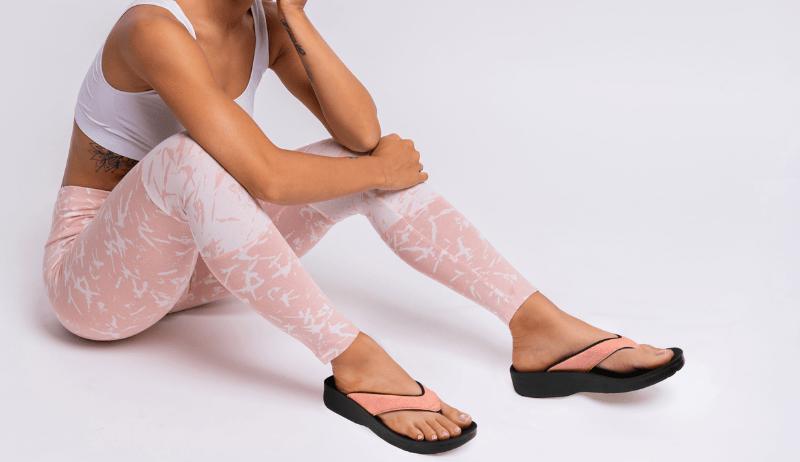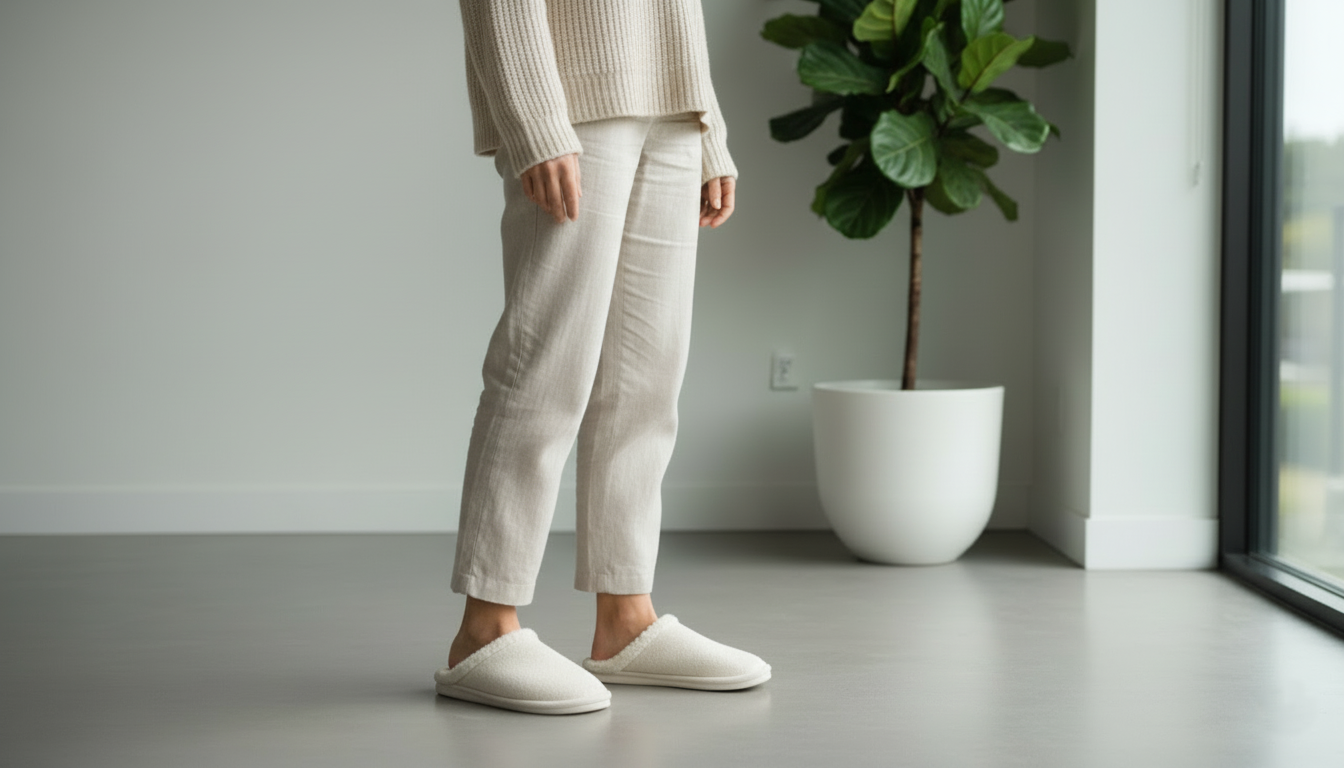
On the surface, comfort-only shoes appear to be the ideal choice: with cushioned soles, extra-soft linings, and ultra-flexible materials, they relieve the heaviness of your feet in an instant after a tough day at work. However, as most people find out, once the short-lived benefit wears off, they will experience soreness in their heels, tiredness in their arches and/or pain in their feet. So although something feels great today does not mean it will support your foot health for a long time.
The fact is, just because it feels comfortable to wear shoes does not mean that those shoes will support your body in a proper way. Shoes that have been designed simply to feel soft do not take into account important elements of your foot's movement, such as biomechanics, foot alignment and pressure distribution. The combination of these elements creates a gap between comfort and function. When worn over an extended period of time, this gap may lead to chronic pain and decreased mobility, along with more serious foot issues. Learning about why comfort-only shoes don't work is the first step in selecting footwear for long-term foot health.
How to Comfort Style Shoes Work?
Comfort style footwear is designed to make you feel great right away. The soft cushioning helps eliminate point-of-pressure discomfort on the foot and provides an easy walking experience from a short-term standpoint. In addition, the soft cushioning also tends to collapse when weight is applied to it, which can cause this type of footwear to lose its supportive structures and therefore lack the necessary resistance to maintain health and alignment.
A properly constructed comfort style slipper is balanced between softness and stability. A properly constructed shoe should allow a person to walk comfortably on the bottom of the foot without the help of other supportive materials (cushion).
What Other Factors Impact Your Feet?
Your foot is an intricate structure that supports your entire body. This structure works together through the arches of your foot, the joints of your foot, and the tendons of your foot in perfect harmony. Cushioning does not guide your foot's structure as it acts as a sensory absorptive (it only absorbs the sensation).
For example, an arch support slipper helps you keep your foot in its natural position. If the shoe has no stabilizing effect, the arch will continue to collapse over time and create strain throughout the ankle, the knee, and the lower back. Comfort style shoes fail to address the functional aspect of the foot.
Flats Feet Neglect Is Expensive

Individuals with flat feet typically select soft footwear because they are comfortable; however, soft (as opposed to hard) shoes can exacerbate the problems generated by flat feet due to their lack of structure/support.
Orthotics for flat feet support a foot's arch, providing stability to the foot, reducing the pronation of the foot, and subsequently relieving fatigue. If a foot does not receive support from an orthotic, its muscles must endure continuous overuse as they adapt to not being properly supported. This results in the ongoing development of soreness until the body can no longer handle this burden and begins to interfere with a person's everyday life.
Plantar Fasciitis Short-Term Relief
Plantar fasciitis is an example of how the limitations of "comfort-only" shoes become evident. A comfortable sole may offer a temporary respite to an individual who experiences pain due to plantar fasciitis; however, the soft sole does not provide enough support and cushioning to eliminate pressure from the plantar fascia. Conversely, orthotic slippers explicitly designed for plantar fasciitis support the arch of the foot and contain Cushion Heel sections strategically placed within the slipper. When shoes are solely padded without additional support for the arch of the foot, the individual's anti-inflammatory medications will continue to be required, and pain will become chronic.
Warmth Over Safety When It Comes to Indoor Footwear
In the colder months, when selecting their indoor footwear, many individuals believe warmth takes precedence over safety and choose plush materials that provide a feeling of comfort and relaxation.
While warm slippers for women may provide warmth to the foot, they do not offer enough support to prevent the foot from collapsing on a hard surface. As a result, people who sleep in such slippers suffer repeated trauma to the arch of the foot, thereby increasing the likelihood of developing chronic pain.
Consequences of Seasonal Choices for Footwear
Choosing winter boots can seem simple because many people associate seasonal items with comfort. However, many of the types of materials used in winter footwear will actually sacrifice stability for insulation. Winter slippers may have a very “cushy” feeling but don’t provide very good support for maintaining the natural foot shape.
A winter slipper for women needs to provide consistent support because hard, slotted indoor surfaces create constant upward pressure on the foot. The absence of a good structure during winter months creates conditions that lead to foot issues that will continue long after winter is over.
Resulting Hidden Foot Stress and Daily Footwear Use
Most people wear slippers for a long time every day, often without thinking about their impact on the foot. While we may perceive that the amount of pressure is limited since slippers have a low-profile construction, in fact, the repetitive action placed on the foot results in increased stress on the foot.
Women's slippers with supportive footbeds help to minimize the cumulative effects from repeated stress on the foot. On the other hand, comfort-oriented slippers provide incremental build-up of micro-stress until pain occurs.
Heel Pain Causes and Treatment

Most people develop heel pain over time and may attribute it to age or increased level of activity. However, many of today’s soft-sole slippers do not provide effective impact absorption, which can result in an increase in the amount of stress placed on the heel.
The best slippers for heel spur treatment are designed to redistribute pressure away from sensitive areas of the foot. Slippers designed solely for comfort do not contain any structural support and therefore put the heel at risk of receiving repeated stress.
Understanding Structural Changes In The Foot
Foot problems such as hammer toes result from pressure and misalignment that occur during the course of time. Although a pair of slippers may appear to have soft materials, they still may put excessive pressure on the toes causing them also to be positioned abnormally.
To provide optimal support for hammer toes a proper pair of slippers allow the toes to naturally relax and spread out. Slippers that provide comfort but do not address proper toe alignment will worsen the deformity over time.
Support For Morton’s Neuroma
The development of Morton’s neuroneoma shows how the forefoot is susceptible to intense pressure. Although soft materials may provide an initial level of comfort to the user, the material will compress as weight is placed on it.
Correct slippers for Morton’s neuroma would provide both adequate forefoot cushioning and width in order to minimise nerve irritation. The lack of either will result in continued pain in the forefoot despite the slippers being soft.
Support For Heel Spurs
Heel spurs are not developed overnight but rather develop through constant stress to the heel bone. The use of comfort-only slippers will prolong the alleviation of pain; however, these slippers do not prevent the pain that causes heel spurs.
Slippers specifically designed for heel spurs provide foot floor support thereby alleviating the amount of strain placed on the heel bone over time. Just having a soft sole without a foot floor support will not eliminate the mechanical stress leading to the formation of heel spurs.
The Importance of Home Footwear

Because your home is where you spend much of your time barefoot, the lack of a proper support system for your foot creates problems. A bare floor creates a negative impact for slippers with no or little support.
Orthopedic slippers for plantar fasciitis provide a constant source of support throughout your daily activities. Even small amounts of standing can eliminate the benefits of supported shoes worn outside.
Bunions & Pressure from Soft Materials
For people with bunions, there must be room within the shoe for the bunion joint's flexibility, while still allowing for a stable base. Although soft pressure applied by soft materials may feel good, they may still be applying pressure to the wrong place.
Orthopedic slippers for bunions provide for flexibility and structural support, thereby making room for the joint without creating instability. Comfortable slippers do not include this thoughtful design.
Flat Feet Need Consistent Support
If a person with flat feet receives only occasional supportive footwear, they will not be able to receive adequate support when needed. By alternating between supportive shoes and soft slippers, the body becomes confused.
Arch support slippers help maintain the alignment of flat feet ' arch throughout the day. Comfortable slippers lack the advantage of consistently providing support, while creating fatigue and discomfort.
The Need for Structure to Ensure Long-Term Comfort
Long-term comfort should provide sustainable support for your joints, and you need an adequate amount of cushioning/structure to continue to provide cushioning over an extended period of time. Properly designed footwear provides both together and is more likely to offer continued long-term comfort than footwear designed only for the short term comfort of cushioning.
Choosing Smarter Footwear Options
It's easy to choose footwear based on its softness, but that is not in the best interest of your long-term foot health. Your long-term foot health depends on proper cushioning, alignment, arch support, and pressure distribution throughout the entire foot.
When you invest in quality slippers, you can take comfort on a daily basis, and as your slippers conform to your feet, you maintain proper support for your feet. Being comfortable with support allows your feet to remain active, energized, and pain-free for many years.
Rethinking the Definition of Comfort
Comfort does not mean just feel good right away and then lose that feeling after a few hours. It should offer you support throughout the day without adding additional problems to your feet.
By moving away from footwear that is designed solely for comfort, you are giving your feet the tools necessary to function properly over an extended period of time. True comfort is determined not only by how your shoes fit now, but also by how they will protect your ability to move tomorrow.