Shopping for sandals with a bunion turns a simple decision into a small research project. Every style claims to be the comfortable one, but the truth is that thongs, slides, and backstraps each interact with a bunion differently, and the wrong choice can turn a short walk into an afternoon of wincing. This guide breaks down what each style actually does to the joint at the base of your big toe, so you can pick based on how your foot really behaves rather than which sandal looks the most orthopedic. If you want to skip ahead and start browsing, Aerothotic's bunion sandals collection covers all three styles built around the same core features.

Quick answer
There is no single best style for every bunion. Thong sandals work well if the toe post is soft and wide rather than thin and hard. Slides remove the toe post entirely but need a strap that sits above the joint, not across it. Backstraps add stability by keeping the heel from sliding forward, which stops toes from jamming together, and can be paired with either an open front or a soft post. The feature that matters most in any style is a wide, deep toe box. Get that right and the rest becomes a matter of preference.
What a bunion actually needs from a sandal
A bunion forms when the joint at the base of the big toe shifts out of alignment and pushes outward, creating a firm bump along the inside edge of the foot. Footwear cannot undo that shift, but it can either quietly make it worse or take pressure off it every single day. The features that matter most are a wide, deep toe box that lets the toes lie flat, soft materials that flex instead of digging in, adjustable straps you can loosen away from the joint, and a contoured footbed that stops the whole forefoot from bearing extra pressure. Style is really just how those features get delivered. We go into more depth on this in our 2026 bunion sandal buyer's guide, which is worth a read before you commit to any one style.
Thong sandals: the classic choice, with a catch
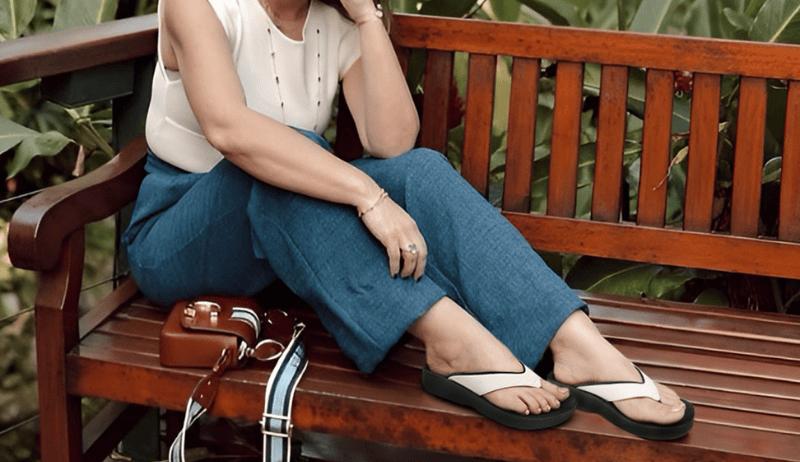
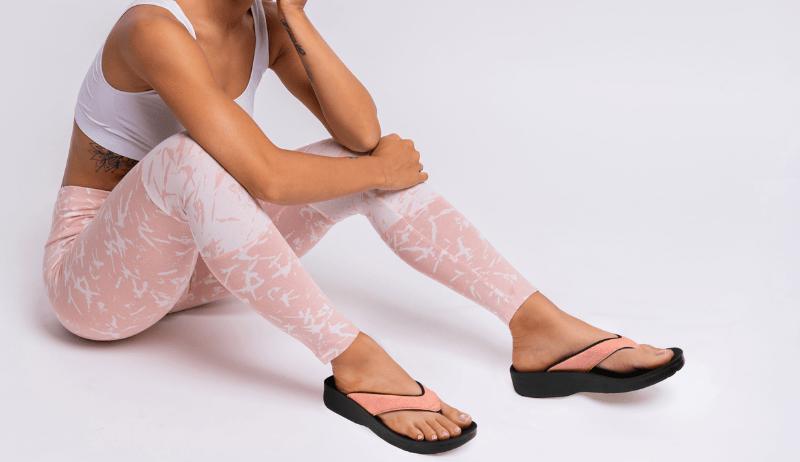
A thong sandal, the kind with a strap that runs between the big toe and second toe, has open sides and no strap crossing the top of the foot, which is a genuine advantage for bunions since nothing presses on the joint from above or the outside. The catch is the toe post itself. A thin, hard post can force the big toe into a slight gripping motion with every step, and that repeated motion is exactly the kind of stress that irritates a bunion over time. The fix is not avoiding thongs altogether, it is choosing one with a soft, wide, cushioned post. Aerothotic's Strait thong sandal uses padded mesh straps and a memory foam post specifically to avoid that gripping sensation, paired with arch support so the forefoot is not carrying all the load on its own.

Slides: the no-friction option
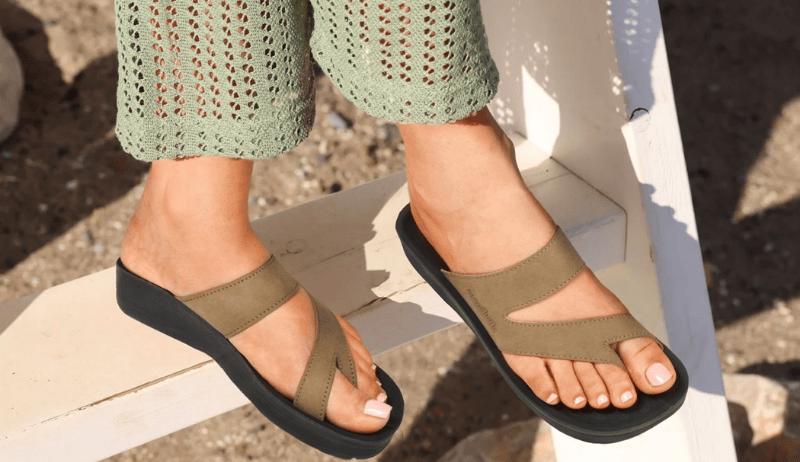
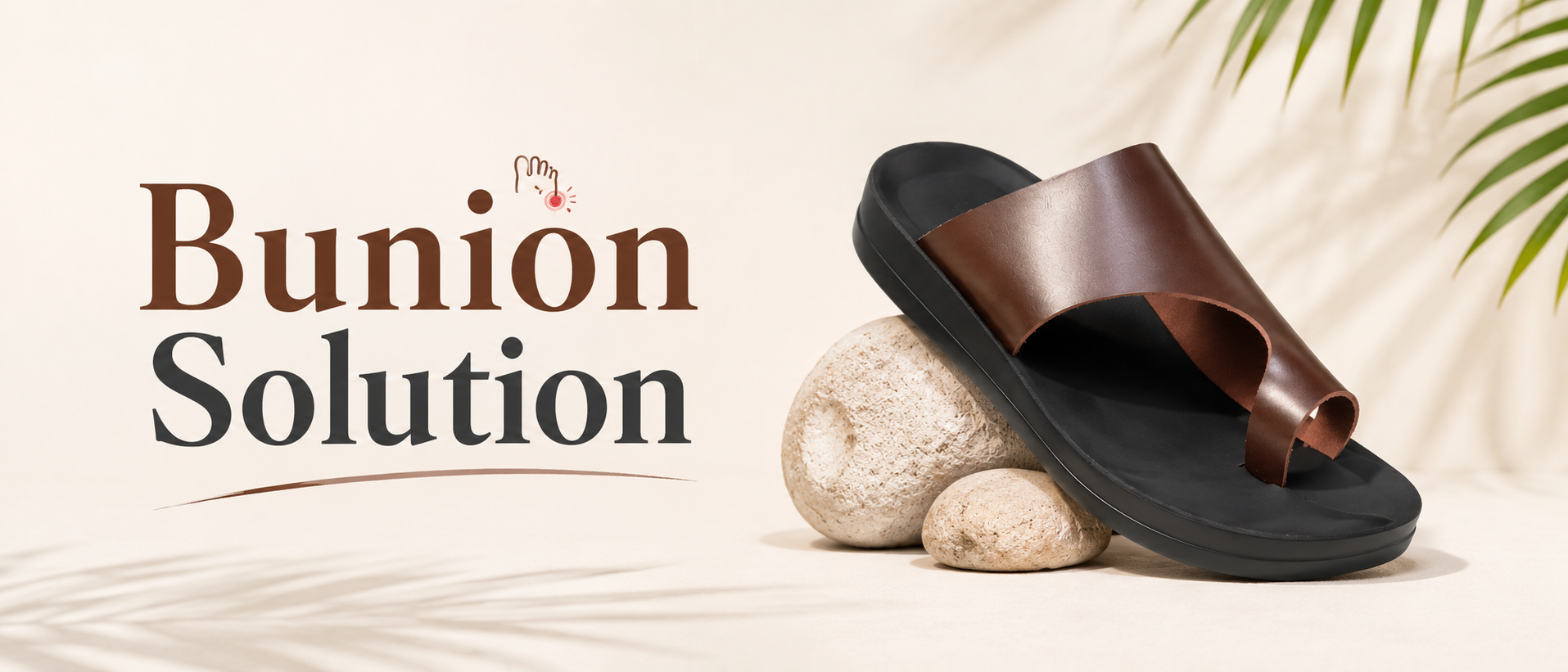
Slides skip the toe post entirely, which is why a lot of people with bunions gravitate toward them first. Nothing sits between the toes, so there is no gripping motion to worry about. But slides are not automatically bunion-friendly just because they lack a post. The strap across the top of the foot still has to be positioned carefully, since a strap that sits low or fits snugly can press directly on the bunion with every step. Look for a slide with a wide, soft strap that sits above the joint, or a design built with the bunion specifically in mind, like Aerothotic's Regan split-toe slide, which uses a strap style designed around the bunion area rather than over it.

Find your style in 5 seconds
Tell us where your bunion bothers you most, and we will point you to the style worth trying first.
Backstraps: secure fit without the squeeze
Backstrap and slingback sandals add a strap around the heel, which keeps the foot anchored so it cannot slide forward into the front of the sandal. That matters more than it sounds, because a foot that slides forward gets pushed into a narrowing toe box, which jams the toes together and presses directly on the bunion. A secure heel fixes that at the source. The best backstrap options for bunions still pair that heel strap with a soft, wide front, either an open design or a padded toe post, rather than adding structure up front too. Aerothotic's Hadal backstrap sandal combines an adjustable velcro heel strap with soft crisscross mesh up front, so there is no single narrow strap pressing on the joint.

What actually makes any style bunion-friendly
Strip away the style names and the checklist is the same across thongs, slides, and backstraps: a toe box wide enough for the toes to spread naturally, straps that can be loosened away from the joint, materials soft enough to flex rather than dig in, and a footbed with real arch support so the forefoot is not absorbing every bit of impact alone. If you want a shortcut instead of checking each pair by hand, Aerothotic's APMA approved bunion styles have already been reviewed by a panel of podiatrists against criteria like these.
Thongs vs slides vs backstraps at a glance

Hover a row to see it highlighted.
| Feature | Thong | Slide | Backstrap |
|---|---|---|---|
| Main risk point | Hard or thin toe post | Strap sitting too low on the foot | Front strap crossing the joint |
| Best for | Mild bunions, soft padded posts | Anyone avoiding toe post contact | Wider feet or all-day stability |
| Adjustability | Usually fixed toe post | Often one strap, sometimes adjustable | Adjustable heel strap plus front |
| Foot security | Low, foot can slide forward | Low to moderate | High, heel is anchored |
Which one should you actually buy
If your bunion is mild and mostly bothers you when something rubs the side of your foot, a thong or a slide with a wide toe box will likely feel fine, and it comes down to whether you personally tolerate a toe post. If your foot tends to slide forward in open sandals and your toes end up jammed together by the end of the day, a backstrap style is worth prioritizing regardless of what happens up front. And if you are still narrowing things down, browsing Aerothotic's comfort sandals side by side, filtering by the feature that bothers you most, tends to be faster than reading every product description end to end.
A few sandals to avoid if you have a bunion
Regardless of style, a few designs consistently make bunions worse: pointed or narrow toe boxes that taper inward, thin unpadded straps that dig into the joint, stiff synthetic uppers with no give, and completely flat footbeds that push all the pressure onto the forefoot with nothing to redistribute it. We cover the full list of what to steer clear of in our piece on orthotic sandals for bunion relief, alongside a broader look at what actually helps.
The honest takeaway is that no single style wins for every bunion. What matters is whether the specific pair you are looking at respects the four basics: room, softness, adjustability, and arch support. Get those right in a thong, a slide, or a backstrap, and any of the three can carry you through a full day without a single wince. Ready to compare real options instead of theory? Aerothotic's bunion sandals collection has all three styles built around the same core features described here.
Related reads
- Best sandals for bunions in 2026
- Why arch support matters
- What podiatrists recommend
- Health benefits of arch support sandals
- The arch support fix most people overlook
Frequently asked questions
Tap a question to expand the answer.