Why Your Feet Hurt by 3 PM —
The Arch Support Fix
Most People Overlook
You've been on your feet for hours — and now that familiar ache is creeping in. The real culprit isn't your mileage. It's your arch support.
It starts with a dull throb somewhere near your heel. By 2 PM it's radiating. By 3 PM you're shifting your weight every few minutes, fantasizing about taking your shoes off under your desk. Sound familiar?
You're not alone — and you're not just "on your feet too much." Millions of women experience chronic afternoon foot fatigue, and the root cause is almost always the same: inadequate arch support. Not bad shoes. Not weak ankles. The arch — that elegant curve running along the inside of your foot — is quietly failing you, and it's dragging everything else down with it.
The Anatomy Behind the Ache
Your foot contains 26 bones, 33 joints, and over 100 muscles, tendons, and ligaments. At the center of this remarkable structure is the plantar fascia — a thick band of tissue that stretches from your heel to your toes, forming the arch of your foot.
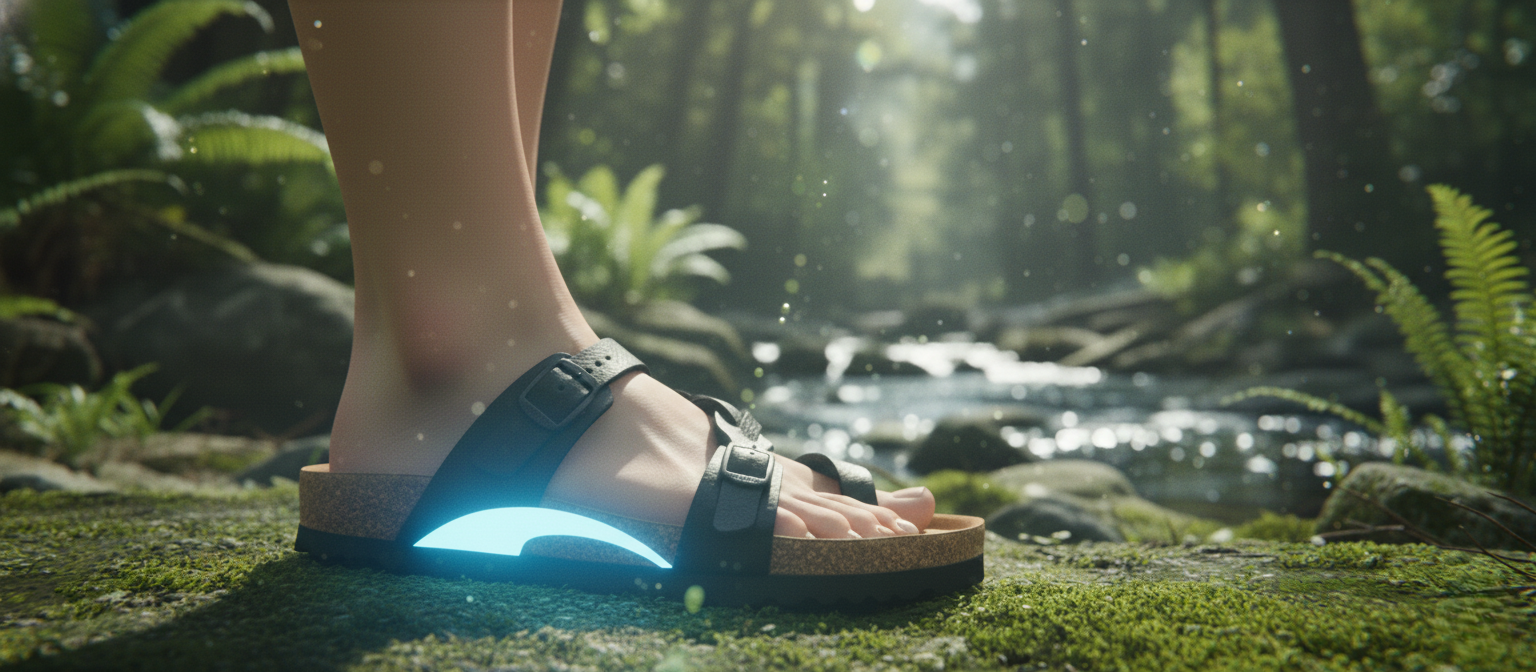
Good arch support keeps this system in alignment. When your arch is properly supported, your body weight is distributed evenly, your gait stays efficient, and your muscles don't have to compensate. When arch support is missing, that delicate balance collapses — literally.
By the time 3 PM rolls around, you've taken thousands of steps — each one sending forces through an unsupported arch. The cumulative stress is what you feel as pain.
Why Most People Get Arch Support Wrong
Here's the thing most people don't realize: buying "good shoes" is not the same as getting proper arch support. You can spend $200 on athletic footwear and still have completely unsupported arches — because arch support isn't about price, it's about fit-to-foot-type.
The Three Arch Types (And Why Yours Matters)
Not all arches are created equal. There are three primary arch types, and the arch support solution that works beautifully for one can make things worse for another. Aerothotic actually offers sandals specifically matched to medium arch and high arch profiles — as well as a dedicated flat feet collection:
-
Low Arch (Flat Feet) Your foot makes nearly full contact with the ground. Without motion-control arch support, overpronation causes inward rolling that stresses your knees and lower back — not just your feet.
-
Normal / Medium Arch The most common type. A moderate, firm arch support maintains alignment and prevents the arch from collapsing under prolonged load.
-
High Arch Your foot has minimal ground contact in the middle. High arches need cushioned, flexible arch support to distribute pressure — rigid insoles make this worse.
The simple test: Wet the bottom of your foot and step onto a piece of brown paper. A full footprint = low arch. A footprint with a wide band connecting heel to ball = normal arch. A footprint with a thin or absent band = high arch. This tells you exactly what kind of arch support to look for.
Top-Rated Arch Support Sandals
Shop All 23 Styles → Top Rated
 Top Rated


What Happens When Arch Support Fails
Poor arch support doesn't just hurt your feet. It creates a chain reaction that travels upward through your entire body — a phenomenon podiatrists call kinetic chain dysfunction.
When your arch collapses, your ankle rolls inward. That inward roll causes your knee to track incorrectly. Knee misalignment tilts your hip. Hip tilt strains your lower back. It's a domino effect that explains why so many women with chronic back pain find significant relief simply by upgrading their arch support — without changing anything else. If you're dealing with specific conditions like plantar fasciitis, heel spurs, or bunions, the right footwear matters even more.
Your feet are the foundation of your entire skeletal system. Neglect arch support and you're building everything on a crooked base.
— Structural Biomechanics PrincipleThe Simple Fix: What to Actually Do
The good news? Getting proper arch support doesn't require expensive custom orthotics or a podiatrist visit — though both can help in severe cases. Start here:
Step 1 — Assess Your Arch Type
Use the wet foot test above. Know what you're working with before buying anything. This single step eliminates the most common arch support mistake people make.
Step 2 — Choose Footwear Built Around the Arch
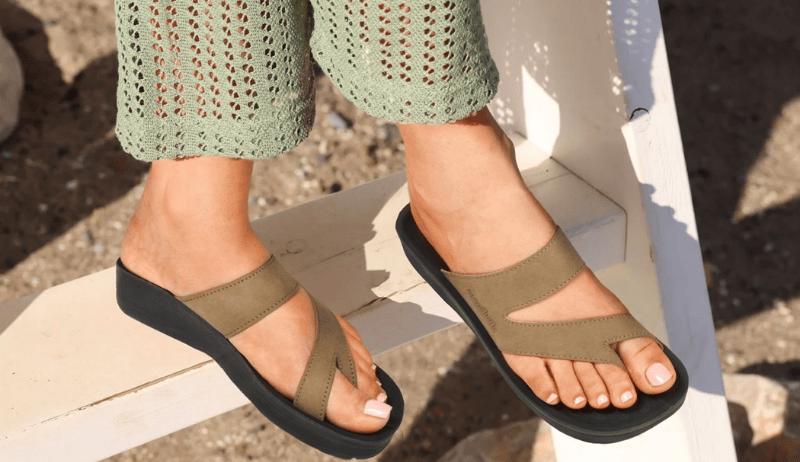
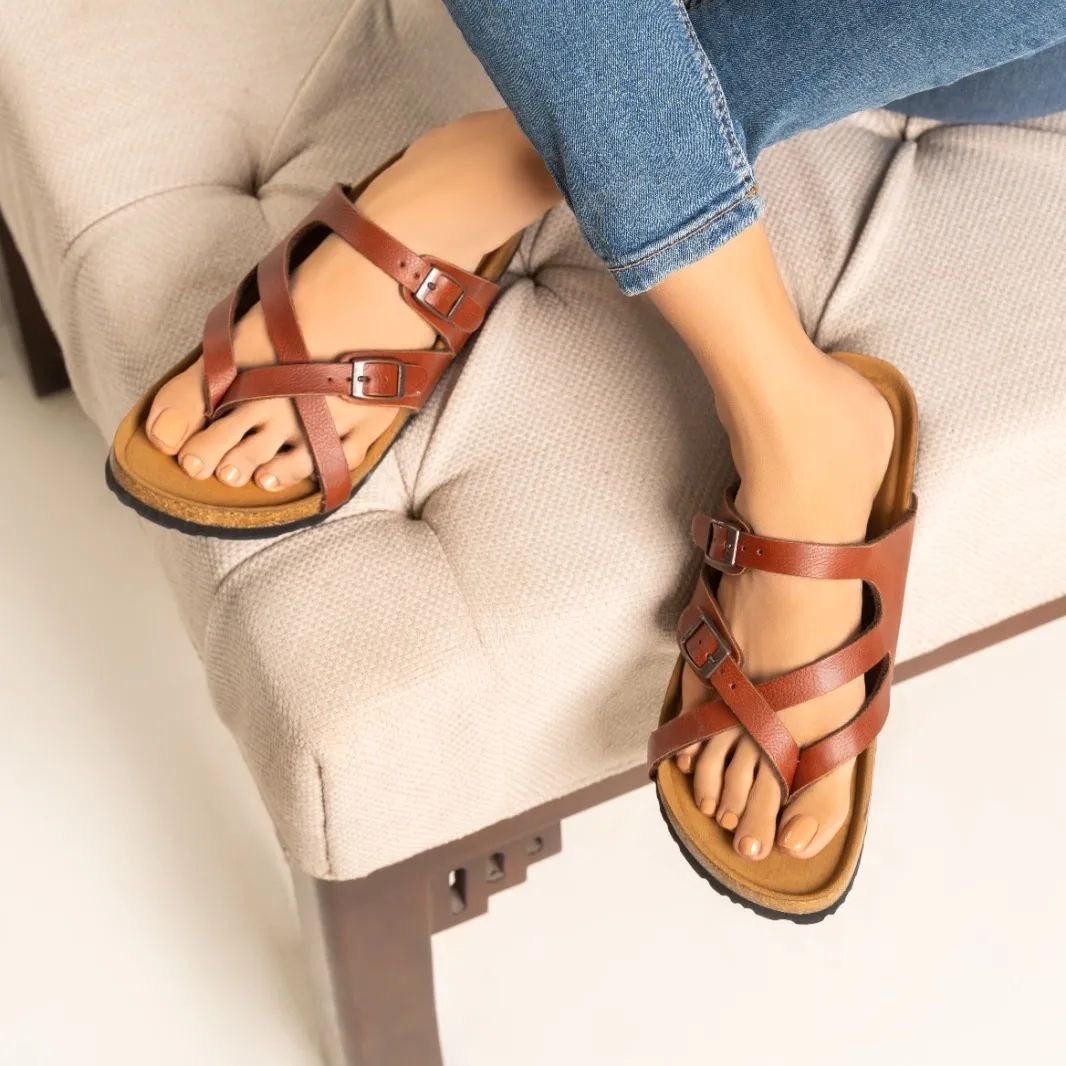
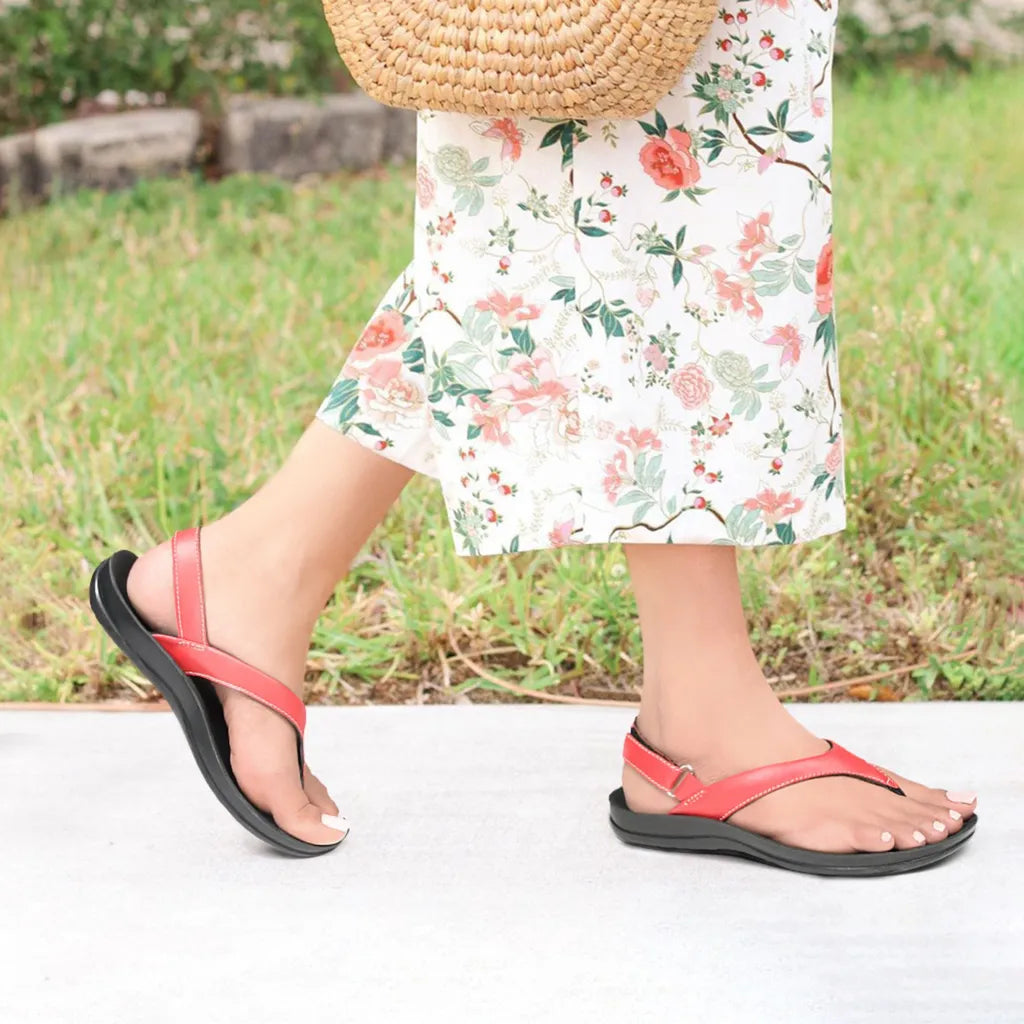
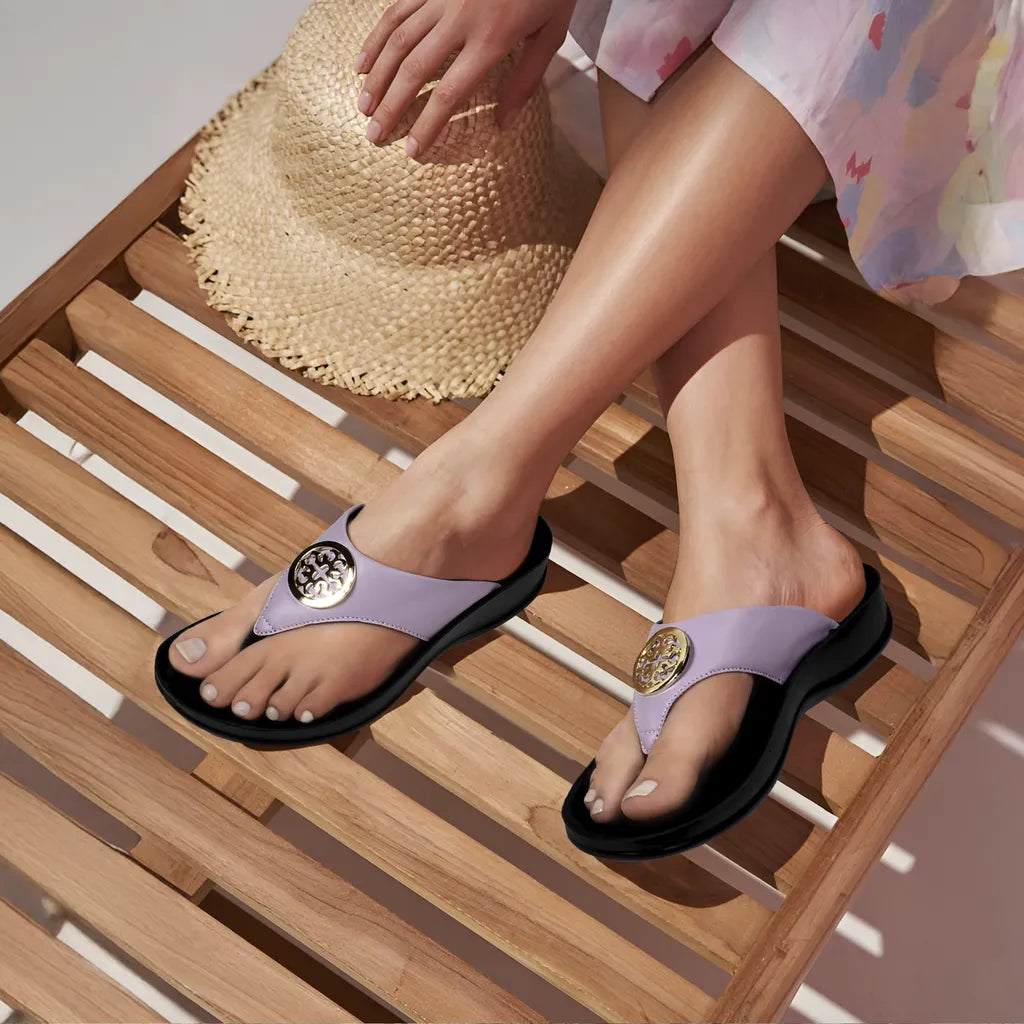
Most shoe insoles are essentially decorative foam — they provide zero meaningful arch support. Aerothotic's sandals are engineered differently: every pair features an anatomical arch support footbed, a deep heel cup, and a polyurethane gel layer that actually molds to the shape of your foot. That's the difference between cushioning and support.
If you're on your feet all day, the everyday comfort collection is the best starting point. Women with more demanding schedules should look at the active recovery range, designed to ease foot fatigue after long hours.
Support You Can Slip Into
Shop Slides →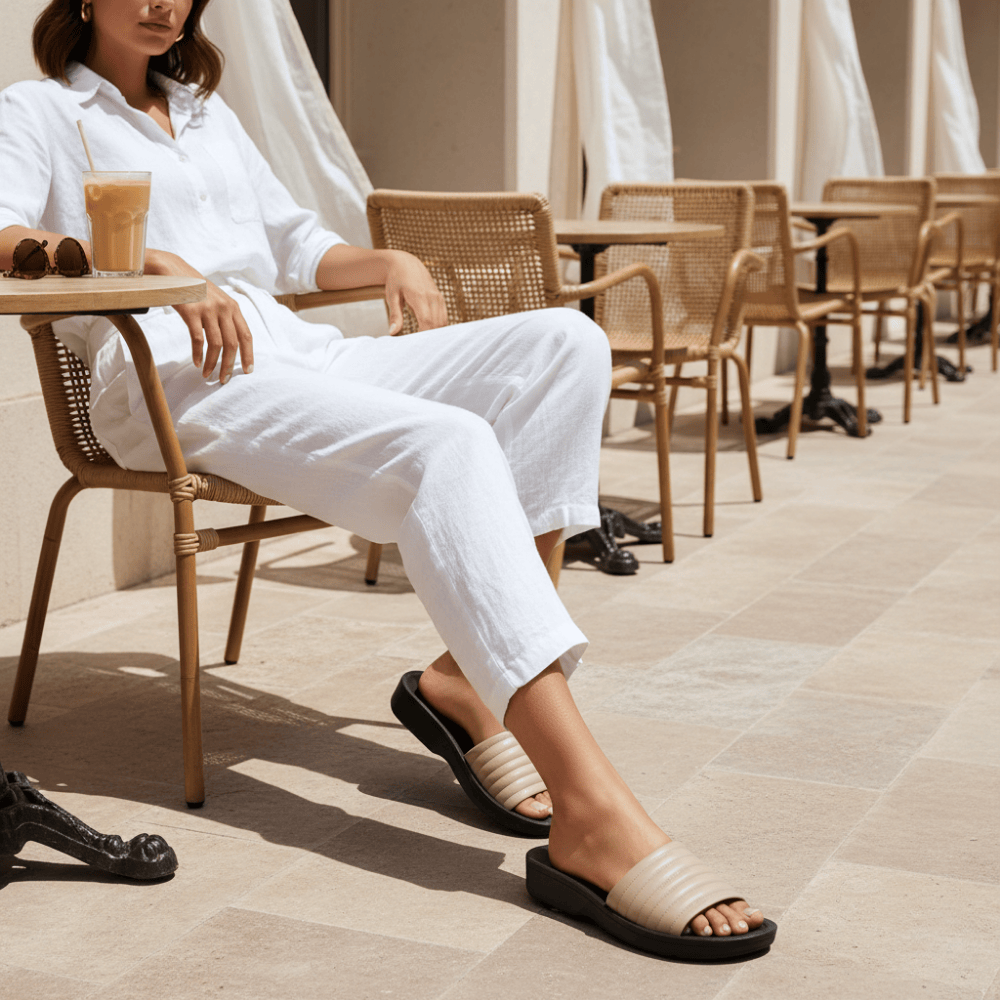


Step 3 — Check Your Footwear
Whether you're shopping Aerothotic or evaluating shoes you already own, here's what to look for:
- The shoe bends at the toe box — not in the middle (midfoot flex = no arch support)
- You can feel a firm contoured ridge along the inner sole where the arch should sit
- The heel counter is stiff and holds its shape when you squeeze it
- There's less than a thumb's width between your longest toe and the end of the shoe
- The shoe doesn't collapse when you twist it — a sign of structural integrity
Aerothotic's APMA-approved styles are tested and endorsed by foot health professionals — a shortcut to knowing a sandal genuinely meets these criteria, not just marketing language.
Step 4 — Strengthen What You Support
Arch support footwear is scaffolding, not a permanent substitute. Pair it with daily foot strengthening: towel scrunches, single-leg calf raises, and short-foot exercises build intrinsic foot strength that reinforces the arch from the inside out. Think of great sandals as doing the heavy lifting while your structure catches up.
Conditions That Make Arch Support Even More Critical
If you're experiencing specific foot conditions alongside general fatigue, targeted support becomes non-negotiable. Aerothotic has dedicated collections for the most common issues:
When to See a Professional
If you've addressed your arch support and still experience significant foot pain after 4–6 weeks, it's time to consult a podiatrist. Conditions like plantar fasciitis, heel spurs, metatarsalgia, or neuroma can develop alongside arch problems and require targeted treatment. Custom orthotics — moulded specifically to your foot's architecture — are the gold standard for severe or complex cases.
But for the vast majority of women with garden-variety afternoon foot fatigue? Proper arch support alone is transformative. It's one of those fixes that feels almost too simple — until you try it and realize you've been tolerating unnecessary pain for years.
Start Your Arch Support Journey
View All Sale Styles →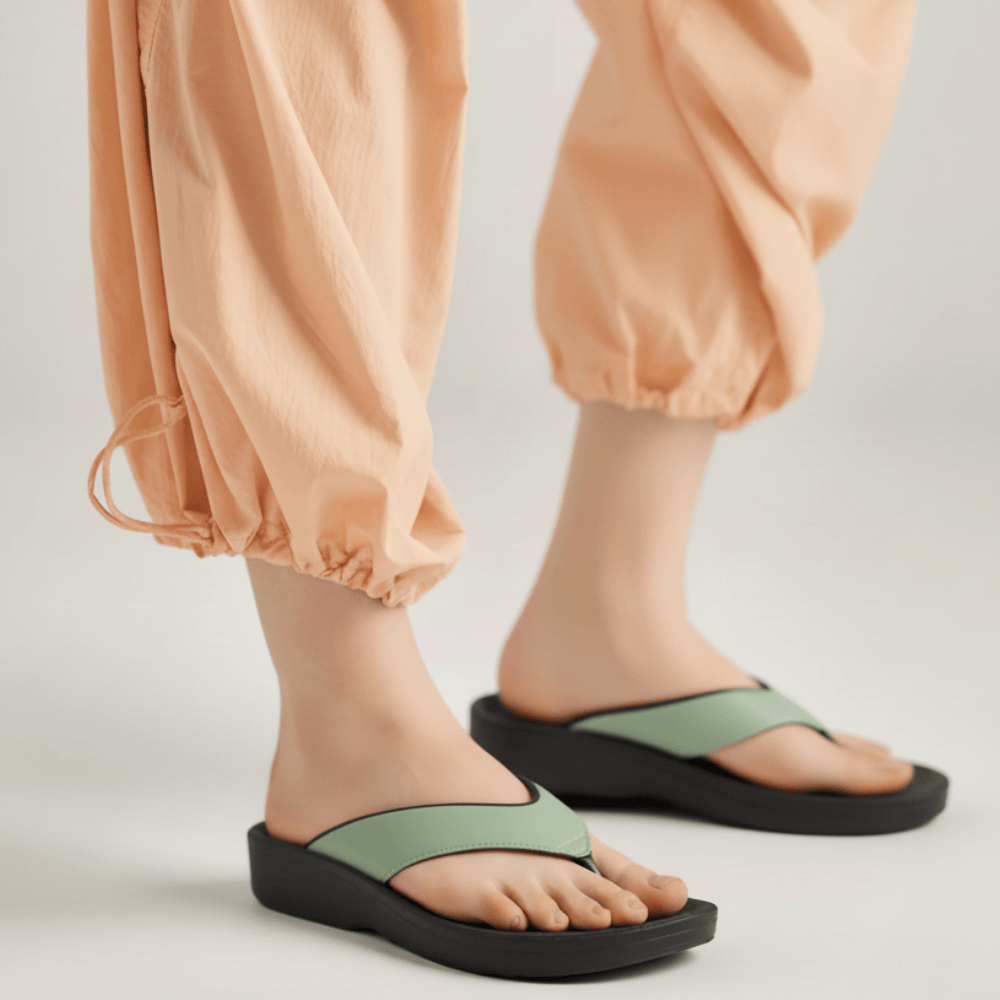

Keep Reading
The Bottom Line
Your feet hurt by 3 PM because they've been carrying your full body weight with inadequate structural support — step after step, hour after hour. Proper arch support redistributes that load, realigns your gait, and breaks the pain cycle. Know your arch type, choose the right support, and give your feet the foundation they were designed to have.
Shop Arch Support Sandals →