
6:47 a.m. Feet hit the floor. There it is again.
If you know that exact stab of pain before you have even brushed your teeth, you are not imagining it, and you are not alone. Research puts the lifetime odds of developing plantar fasciitis at around 1 in 10, and roughly 83 percent of the people dealing with it are working-age adults on their feet all day, not weekend athletes who overdid it once. Here is the part that surprises most people: plantar fasciitis rarely gets worse because of one dramatic moment. It gets worse in small, unremarkable increments, from habits repeated so often they stop registering as choices at all. Below are seven of them, backed by what the research actually shows, plus what to do instead.
What Is Plantar Fasciitis, Quickly
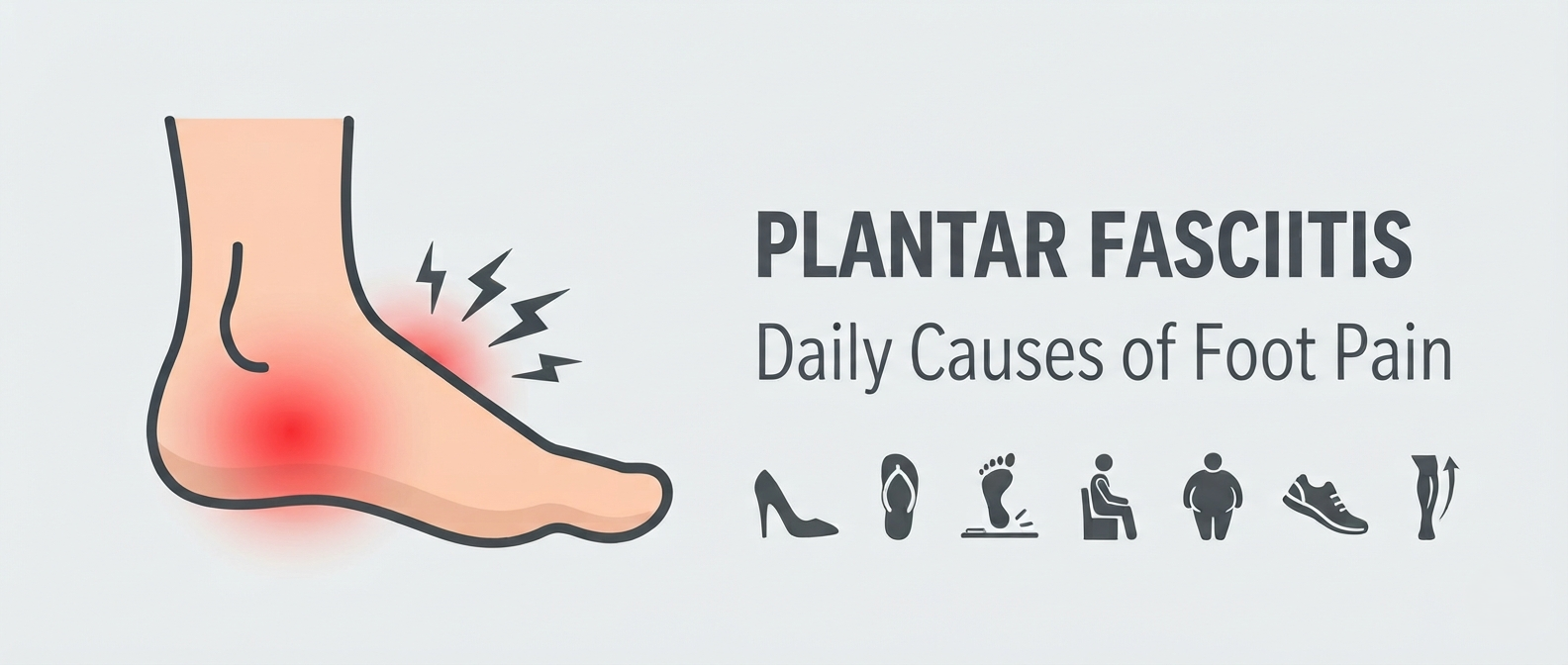
The plantar fascia is the thick band of tissue running along the bottom of your foot, connecting heel to toes. When it becomes irritated, that is plantar fasciitis, and the giveaway symptom is a sharp, stabbing pain near the heel that is worst with your first steps after rest. Research also shows women are diagnosed roughly 2.5 times more often than men, and the condition peaks between ages 40 and 60, though plenty of younger, active people get it too.
7 Everyday Habits That Can Make Plantar Fasciitis Worse
Wearing Unsupportive Shoes Around the House
You save the "real" shoes for outside and slip into flat slippers or worn flip-flops the second you walk in the door. But you are on hard kitchen and bathroom floors for hours a day in them, and studies on plantar fasciitis patients find overpronation, the inward roll of the foot, in as many as 81 to 86 percent of cases. Flat, structureless footwear does nothing to stop that roll. Swap them for supportive indoor sandals with an actual footbed underneath you.
Walking Barefoot on Hard Floors
Barefoot walking has genuine upsides for healthy feet, it can strengthen the small stabilizing muscles in the arch. But if the plantar fascia is already inflamed, tile, hardwood, and concrete offer zero shock absorption, and every step drives pressure straight into the heel and arch. Keep a supportive pair by the bed and the back door so barefoot is never the default.
Standing for Long Stretches Without Support
Nurses, teachers, retail staff, and warehouse workers show up disproportionately in plantar fasciitis research, and it is not a coincidence. Standing on concrete or tile for hours applies constant, repetitive load to the fascia, and unlike a single hard workout, the damage builds quietly across an entire shift. Rotating your weight, taking short seated breaks, and choosing shoes actually built for standing all day all slow that buildup down.
Ignoring Early Heel Pain
The first flare feels minor enough to shrug off, so most people keep walking through their normal routine. Clinicians consistently point out that early intervention, rest, ice, stretching, and support, is what prevents a mild morning ache from becoming a chronic, recurring problem that is much harder to treat later. The window where this is easy to fix closes faster than it feels like it will.
Skipping Daily Stretching
This is one of the strongest patterns in the research: an estimated four out of five people with plantar fasciitis also have a tight Achilles tendon. A tight Achilles limits how far your ankle can flex, which pulls directly on the fascia with every step. A few minutes of calf stretches against a wall, or rolling your foot over a frozen water bottle, keeps that tension from compounding day after day.
Ramping Up Activity Too Fast
A sudden jump in mileage, a new running routine, or a long day on your feet after weeks off all load the fascia faster than it can adapt, which is part of why prevalence among runners has been measured as high as 22 percent in some studies. Build volume gradually and give the tissue time to catch up, instead of asking it to absorb a spike all at once.
Wearing the Same Worn-Out Shoes Every Day
Cushioning and arch support break down with wear long before a shoe looks worn out on the outside. Reaching for the same pair every single day means you are slowly losing the exact support that was helping in the first place, without any visible warning sign. Rotating in a properly built pair, like sandals designed specifically for plantar fasciitis, keeps that support consistent instead of quietly disappearing.
Quick Self-Check: How Many of These Are You Doing Right Now?
Check off any habit that sounds like your week. This stays on your screen only, nothing is saved or sent anywhere.
How the Right Support Helps
Proper footwear will not undo every habit on this list by itself, but it removes a meaningful share of the daily strain that keeps plantar fasciitis flaring. Look for a contoured footbed that cradles the arch, a deep heel cup that stabilizes the heel on impact, and enough cushioning to absorb shock with every step, the same combination arch support sandals are built around. It is worth checking for this if you also deal with flat feet, since research finds the two conditions overlap in roughly 1 in 5 plantar fasciitis cases.
| Feature | Worn-Out or Flat Footwear | Supportive Orthotic Sandal |
|---|---|---|
| Arch support | Minimal or collapsed | Contoured, holds arch position |
| Heel cup | Flat, no stabilization | Deep, cradles and stabilizes heel |
| Shock absorption | Compressed, worn thin | Fresh cushioning across the footbed |
| Effect on plantar fascia | Allows overpronation, added strain | Distributes pressure, reduces strain |
Aerothotic footwear is APMA accepted, meaning it has met the American Podiatric Medical Association's criteria for promoting good foot health. This is a helpful reference point when comparing footwear, not a substitute for medical advice.
A Few Styles Built For This
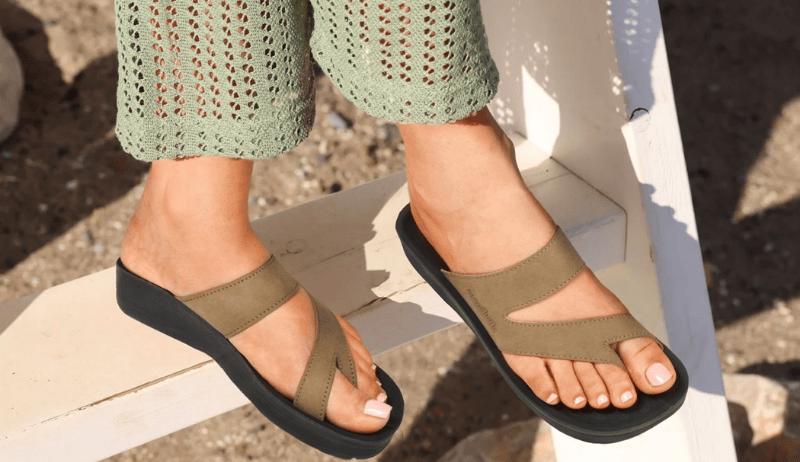
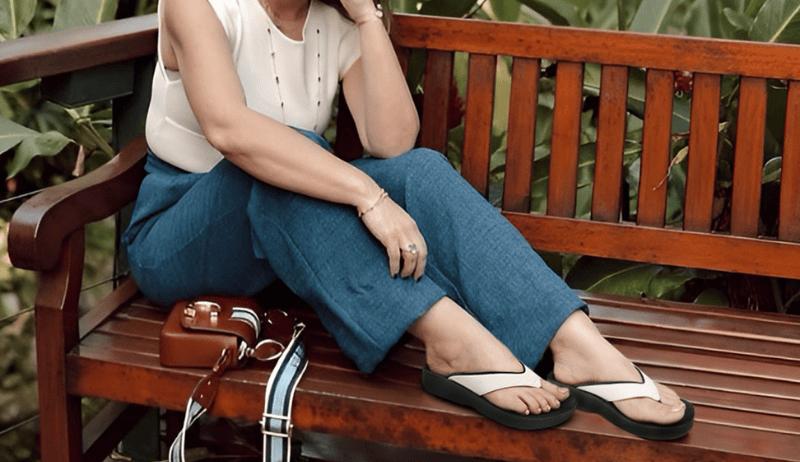
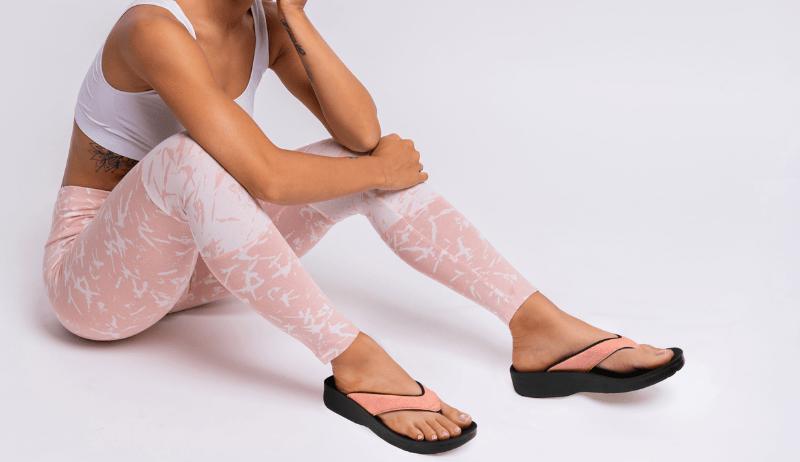
If you are ready to swap out habit #1 or #7 above, these three are built around the exact features this article covers: a contoured footbed, a deep heel cup, and shock-absorbing cushioning.
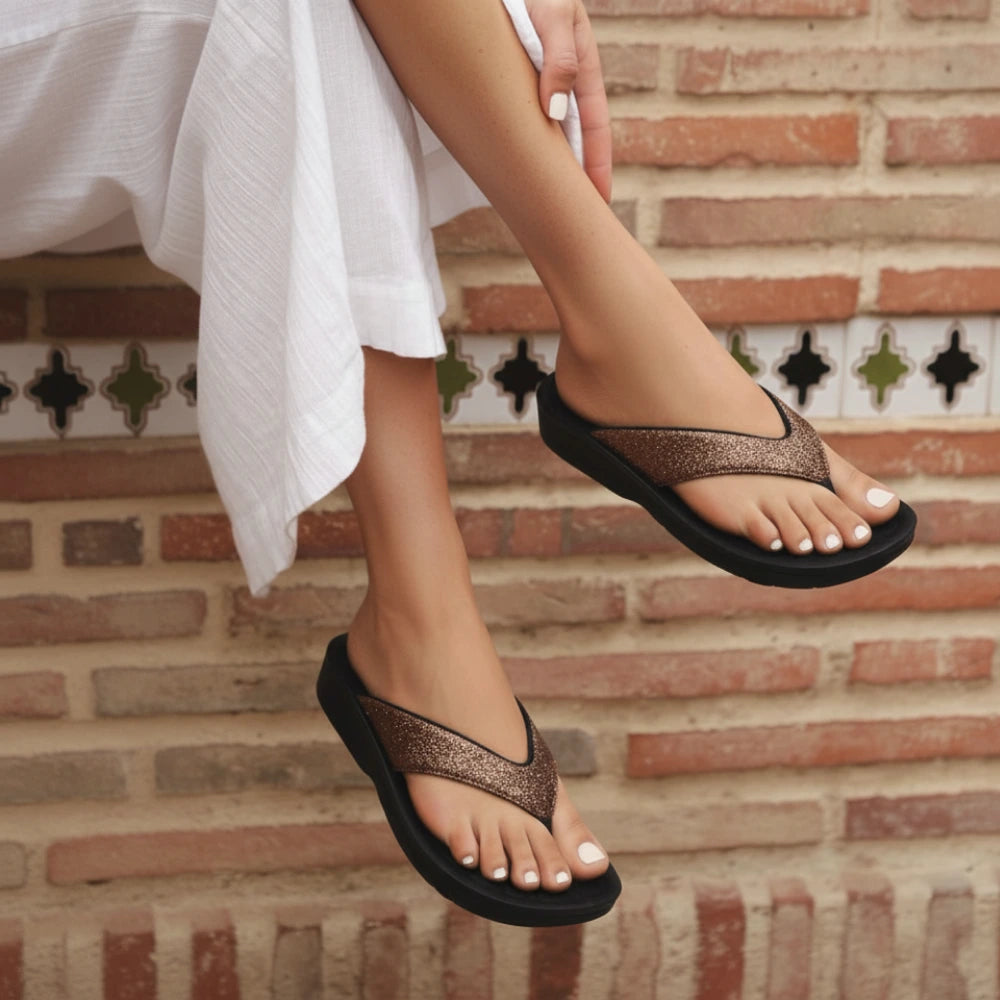
Crystal Mist Flip Flops
$49.99
A shock-absorbing PU gel footbed and contoured arch support in a lightweight, everyday flip flop.
Shop Now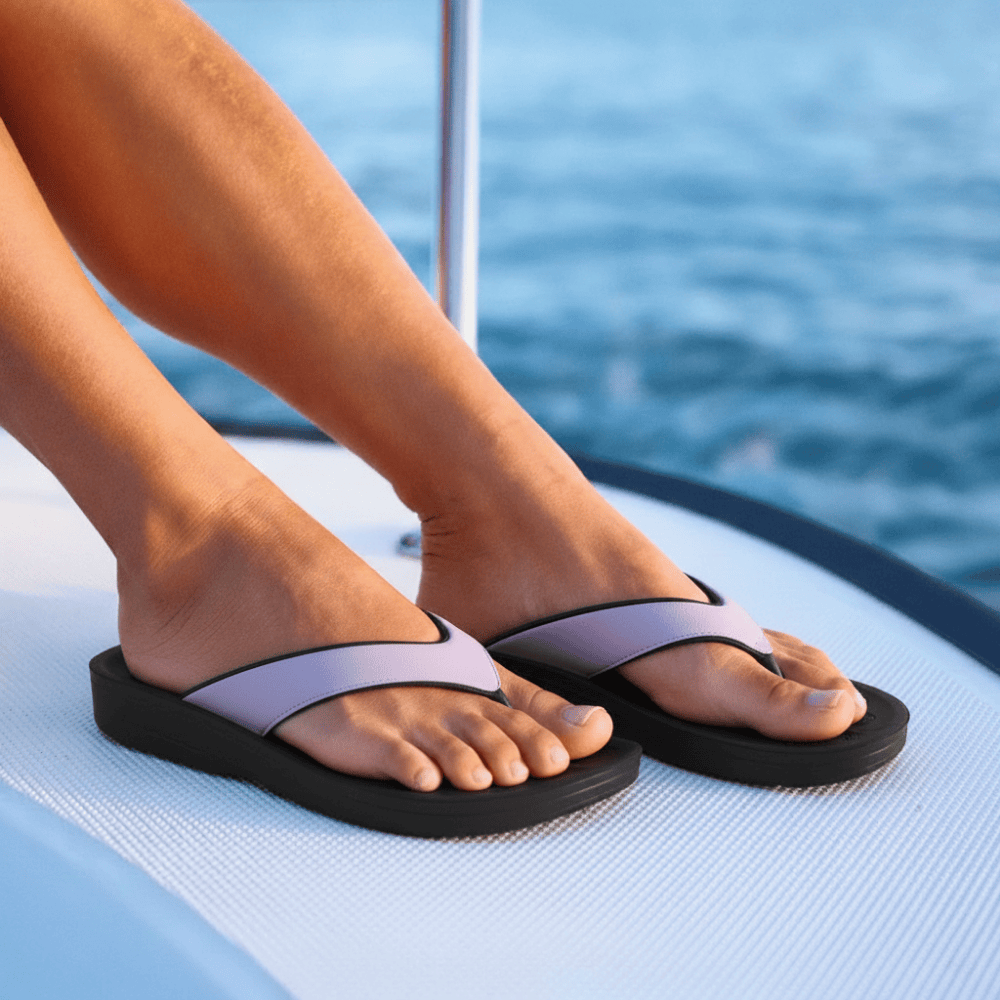
Flumen Flip Flops
$49.99
An ergonomic design footbed built for exceptional arch support with vegan leather straps.
Shop Now
Mellow Vibe Flip Flops
$49.99
A gel-injected midsole that molds to your arch over time, with a grippy outsole for standing all day.
Shop NowWant sandals that support you the way sneakers do, without giving up your summer wardrobe? See how they stack up in our guide to the best plantar fasciitis sandals for hot weather.
Frequently Asked Questions
Can walking make plantar fasciitis worse?
Walking itself is not the problem. Walking in unsupportive shoes, on hard surfaces, or for much longer than usual can aggravate the plantar fascia and make pain worse.
Should I go barefoot at home if I have plantar fasciitis?
Generally, no. Hard floors without cushioning tend to increase strain on an already inflamed plantar fascia. A supportive indoor sandal is a better everyday choice.
Why does tight calf muscle matter for heel pain?
A tight calf and Achilles tendon limit how far your ankle can flex, which increases tension on the plantar fascia with every step. It is one of the most consistently reported risk factors in the research.
Do orthotic sandals actually help with plantar fasciitis?
Sandals with a contoured footbed, deep heel cup, and firm arch support can meaningfully reduce the daily strain that keeps plantar fasciitis irritated, especially when paired with stretching.
Related Reads
None of these habits look dramatic on their own, which is exactly why they are so easy to keep doing. Swapping out unsupportive shoes, keeping up with stretching, and taking early pain seriously are small, unglamorous changes that add up. For more on building a foot-friendly routine, see our guide on the arch support fix most people overlook, or browse the full plantar fasciitis sandals collection to find a pair built for it.
Ready to Give Your Feet an Easier Day?
Shop sandals built with a contoured footbed, deep heel cup, and real arch support, made for the exact strain this article covers.
Shop Plantar Fasciitis Sandals