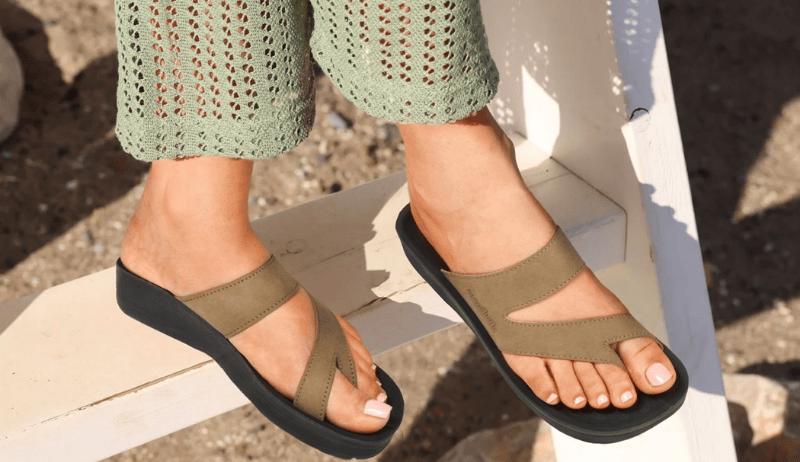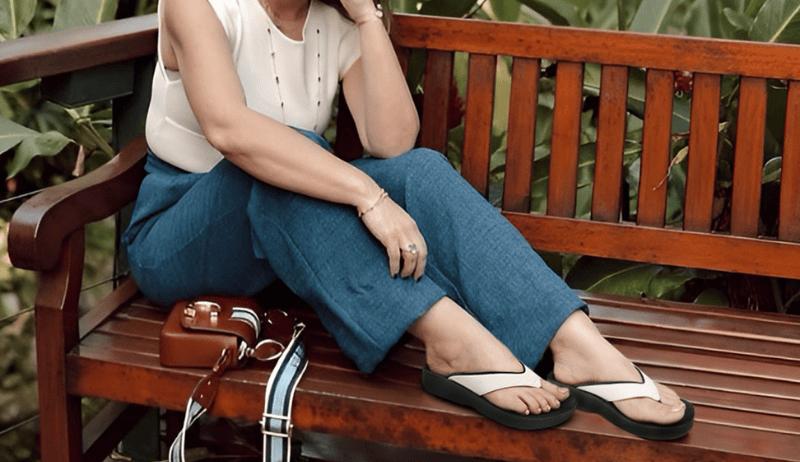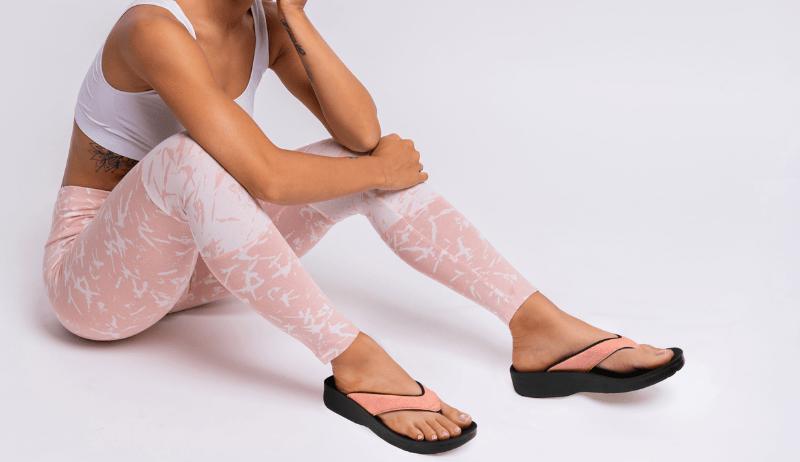
For many individuals, the definition of a "good pair of shoes" is synonymous with a "pain-free experience." If someone feels only mild discomfort while wearing shoes, it is highly unlikely to raise any warning signals; therefore, a 'fine feeling' shoe has no immediate cause for concern; however, Mild Discomfort and Fatigue, at the end of each working day, are signs that something critical is missing. As the years progress, these small amounts (or gaps) of support can lead to chronic pain and less ability to perform normal activities such as walking and/or running; they could also contribute to psychological stress.
The structure of the foot consists of a large number of bones and ligaments, and this allows the foot to adapt to changes in the body, maintain balance, and absorb impact forces. Shoes that simply cover the foot and do not support the biomechanics function of the foot will force the body to compensate for this lack of support silently over time. The following articles discuss what your feet could be missing when a 'fine' feeling is present in your shoes, and how utilizing intentional support transforms comfort into total wellness.
The Hidden Cost of Unsupported Arches

If your arches do not have the support they need, then your body will have to absorb the impact of all the activities that you perform. When this occurs your heel, ankle, and knee joints are placed under greater stress than if you had a more effective arch. The stresses are compounded on flat or collapsing arches by the increased chance of stress and inflammation due to fatigue.
Arch support slippers for flat feet help to keep the body in a proper alignment and to prevent over-pronation of the foot. Without this support, the brain and muscles must continuously compensate to maintain balance, adding to the mental and physical load of working out.
The Aftermath of Flat Feet While Indoors
Many individuals only consider buying supportive shoes for outdoor activities but fail to purchase a supportive type of footwear for indoors. Walking barefoot or in unsupportive slippers on hard-surfaced floors will place unnecessary stress on the already weak arches over and over again.
Orthopedic slippers for flat-footed individuals give consistent support while you go about your daily routines in the house. Without this supportive footwear, the feet will accumulate micro-traumas which, over time, will manifest as chronic soreness that appears to occur without any identifiable cause.
The Misconception of Comfort from Plantar Fasciitis
Plantar fasciitis generally starts off as mild heel pain in the morning and develops into stiffness. Slippers can increase the risk of developing Plantar Fasciitis as they keep the heel from supporting the arch of your foot and creating an ideal environment for excess stretching of the plantar fascia.
Orthotic slippers specifically designed for Plantar Fasciitis provide increased arch support and cushioning for your heel thereby decreasing tension on the plantar fascia ligament. As such, if you find a shoe to be comfortable, however the shoe does not provide the necessary amount of support, it will allow your plantar fascia to continue to be inflamed over time until it reaches a level of no return to the point where you cannot stand it any longer.
Warm Without Structure Is Not Sufficient
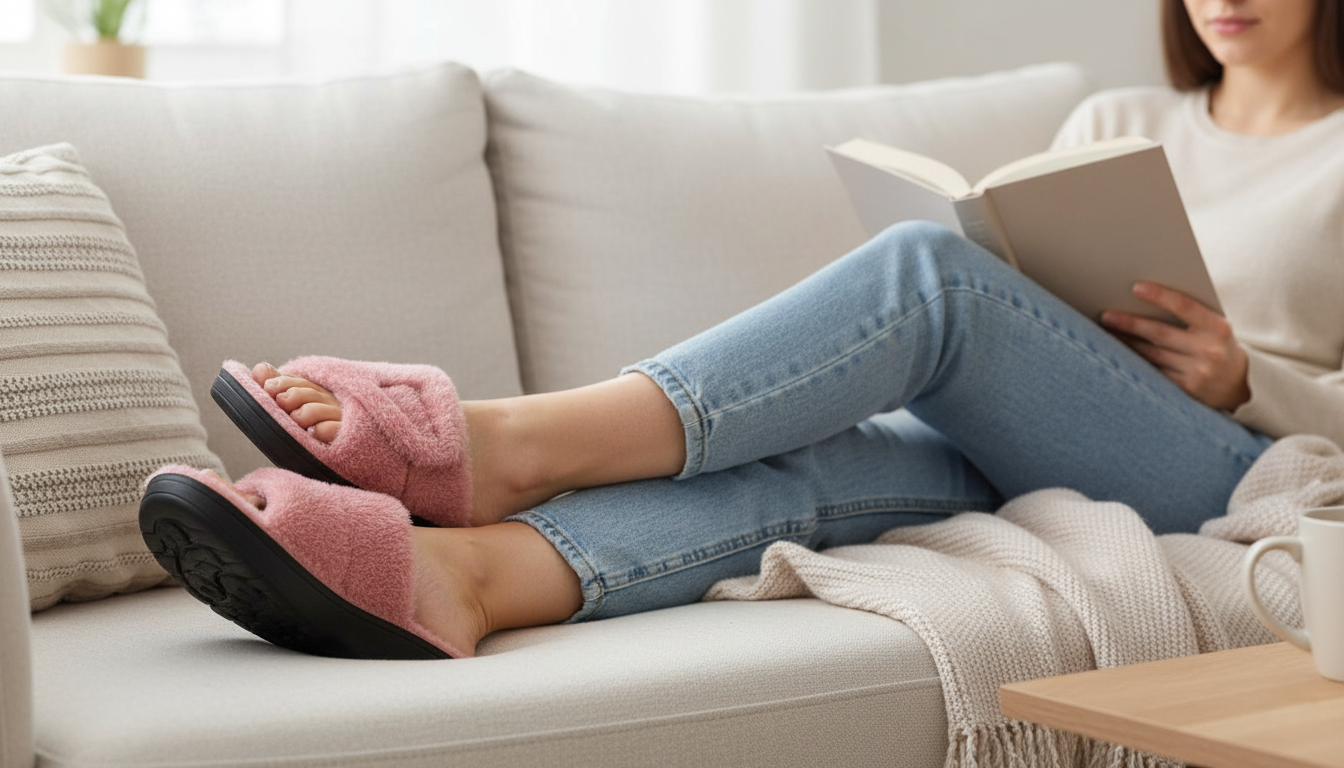
During the winter months, many people overlook the need for proper support when looking for a good warm winter slipper. The plush lining and soft soles are often what makes a pair of slippers cozy to the touch, and while they do feel nice on your feet, once you place your weight on them, the materials lose their support because of the pressure.
A proper warm winter slipper should provide the insulation needed for cold winter months, however at the same time provide a supportive footbed that allows you to be comfortable without a great deal of strain, therefore allowing for proper circulation and decreased fatigue from standing on your feet for extended periods of time.
The Winter Season Requires More than Soft Slippers
Although winter footwear is focused on providing warmth and insulation, many of the indoor winter slippers available today do not offer the structural support necessary to withstand the impact from hard floors during the cold winter months.
A winter women’s slipper that provides a supportive footbed allows it to more effectively absorb shock while maintaining alignment. Without these supportive features, the routine of wearing a winter slipper can exacerbate foot problems, which may have remained dormant throughout the summer months.
Illusion of Comfort and Plantar Fasciitis
Plantuar Fasiciitis typically starts out as a nagging sense of stiffness and pain on the bottom of the foot when you are getting out of bed. The use of a slipper that has no support or structure but is soft will allow for additional extension to occur in the Plantuar Fascia and make plantar fasciitis worse.
Orthotic Slippers specifically designed to correct plantar fasciitis will reduce the amount of pull or tension on the plantar fasciitis ligament. They do this by providing arch support and cushioning for the bottom of the heel. As you start to experience relief from the pain associated with plantar fasciitis, the amount of inflammation will continue to build up until the pain is so unbearable, you cannot ignore it.
Comfort Without a Supportive Structure is Not Enough
As the weather becomes colder, people tend to look for warmth and comfort instead of support. Slippers with plush fur linings and soft soles may be warm and cozy, but when worn, they can collapse under the weight of one's body and give little support.
Women's slippers designed for warmth should provide warmth without losing stability. When warmth is combined with a properly constructed footbed to support a comfortable foot position, the circulatory system will work properly to keep a person's feet feeling relaxed and comfortable all day without causing strain and fatigue.
More than Just Softness is Necessary for Winter Time Comfort

While the emphasis of winter footwear is to keep the feet warm, many of the slippers worn in the wintertime are often poorly constructed and lack proper support. The impact of hard floors becomes more pronounced in colder weather due to the lack of cushioning for your feet.
Women's winter slipper styles that are designed with supportive footbeds provide an added layer of protection and comfort against the shocks and stresses of daily life, while also helping to maintain foot alignment. If supportive footbeds are not used, these types of winter foot care routines can worsen existing problems or conditions when they are not apparent in warmer months.
The Unacknowledged Necessity for Protecting Your Heels
Heel pain has become one of the most common complaints from people regarding their feet. Having proper cushioning and ample padding may still put stress on your heels if you use slippers that feel comfortable.
Women's winter slippers with heel cups support the rearfoot, so that the longitudinal arch does not have to bear the weight of the upper body. When olympic shoes for women are without support for the heel, many women experience heel discomfort. Unfortunately this discomfort is often misidentified as normal fatigue.
Heel Spurs Form at a Slow Pace
Heel spurs occur gradually over months or years, as the result of long-term pressure being placed on a person’s heel bone. The symptoms related to heel spurs are easily overlooked when a person’s foot is comfortable in their normal shoes.
The best remedy for heel spurs in women's slippers is a design that distributes pressure evenly from above the heel down the length of the foot. Without the support from this type of shoe design, the heel can become inflamed and more painful over time, limiting the ability to move about one's daily life.
The Shape of Your Shoes and the Shape of Your Toes
Many people do not think about the shape of their toes and, therefore, many people have foot problems related to improperly fitted footwear. For people with misaligned toes, such as hammer toes, a common aggravation is footwear that is either too tight at the toe or has a shape that does not match the shape of the toes.
Shoes designed for women with hammer toes should provide ample room in the toe region to allow the toes to flatten without pressure. When shoes do not provide this roominess, toes become crunched together, causing discomfort and lack of blood flow, even when not wearing the shoes.
Nerve Sensitivity and Pressure on the Forefoot
Morton's neuroma is a condition where the nerve in the forefoot has been irritated, usually as a result of compression and/or impact. The slippers that feel like they are neutral to wear may still put pressure onto this area that is sensitive.
Morton's neuroma slippers function best when they take into consideration the amount of cushioning and width provided for the forefoot. If you don’t have these considerations, the nerve irritation can continue and cause painful sensations, including burning or tingling, which will interrupt your comfort.
Heel Pain May Not Be Apparent Right Away
Heel pain often occurs for many people after long periods of standing or at the end of the day, which can make it easy to overlook that your footwear may be contributing to your heel pain.
Wearing women's slippers known to be designed to help alleviate chronic stress on the heel while doing low impact activities can help minimize accumulated stress. When this type of support is not available, the heel pain may not begin until after several hours of wear.
How to Provide Support for Plantar Fasciitis at Home
Feet spend most of their time indoors on hard surfaces, where support is often not provided. Repetitive foot motion on hard surfaces can increase symptoms of plantar fasciitis.
Wearing women's orthopedic slippers designed to provide ongoing support for the arch and cushion the heel will help alleviate symptoms of plantar fasciitis. When you don't have that support structure, standing for a short time can trigger flare-ups of inflammation and result in more pain.
Caring for Bunions by Creating Comfortable Designs (Pain-free)
To manage bunions properly, care must be taken to design slippers that will not irritate the bunion area (put too much pressure on). While some slippers may feel comfortable on the outside, they can still put pressure on a bunion joint. This can add to discomfort and/or aggravate an existing bunion.
Bunion-friendly slippers are constructed to allow for proper spacing and movement around the bunion area. They also have a rigid structure to provide stability. When a bunion is not supported correctly, it can become increasingly painful even when using an otherwise comfortable slipper.
The Need for Support for Flat Feet

People with flat feet need continuous support throughout the day. Why? Because if you wear a good supportive shoe to run errands or exercise, but a low-support slipper at home, your newly supported foot will no longer receive that same support at home. Therefore, you are losing your progress.
Due to flat-footedness, we are generally required to wear arch-supporting slippers. These slippers allow for constant alignment of the arch throughout the day. When there is not a constant in support, the muscles and ligaments of the foot have to readapt to the different styles of footwear continually and become fatigued.
Low-level Stress on the Mind and Body
When a person has flat feet, the feet send a signal to the brain all day long (low-level stress) that says: "I need that support or I am going to hurt". As a result, you will suffer from mental exhaustion, lack of focus, and poor mood.
Once a person wears the appropriate footwear for their condition, their nervous system will relax. The person will no longer feel like they have merely okay shoes; they will have the foot support they need.
Our Comfortable Transition
Comfort is something that needs to be anticipated proactively instead of reactively. Comfort is created by understanding the anatomy of the human foot and complying with its function. Shoes should allow for natural motion, distribute body pressure evenly across the sole(s) of the feet, and accommodate everyone's different foot shapes.
The intentional choice of slippers allows us to create an environment where we can recover instead of suffering during our daily routines. This special use of slippers gives you the opportunity to give your feet what they need to allow for blissful recovery, resulting in better alignment throughout your body, reduced fatigue, and an improved sense of overall well-being.
The Importance of Listening to Your Feet
Until someone becomes uncomfortable, most people will not think about their feet. However, if we learn how to recognize these subtle messages early on, we should be able to intervene early and improve our foot health over time.
If your shoes feel "fine," it's important to question if they truly support the natural anatomy and function of your foot. Although there is nothing wrong with purchasing shoes for luxury purposes, the key is that properly designed shoes will help preserve your comfort, mobility and quality of life.