Although foot fatigue may seem like a trivial concern from a physical standpoint, the reality is that it extends well beyond just some aches in the soles and arches of the feet. Most people do not realize that the combination of unsupported, tired feet will continuously drain the mental energy of an individual throughout the day. When the base of your body is unstable, the brain must work much harder than normal to compensate for that instability. Over time, the continued efforts of compensating will lead to mental fatigue, decreased concentration, and irritability.
Anyone who works long hours on their feet, walks, or does multiple tasks simultaneously needs to understand how foot fatigue relates to mental fatigue. Foot health is not simply an isolated issue; it affects your sense of energy, alertness, and balance. The types of shoes you wear daily will either provide supportive systems to your nervous system or add unnecessary stress on it.
Overview of How Foot Fatigue Forms
The condition of foot fatigue occurs when there is prolonged overuse of the muscles, ligaments or joints of the foot without the use of supportive footwear. Hard floors, standing for long periods of time and repetitive motions associated with walking will place increased forces upon the foot. Over time repeated stress will change these structures, resulting in an improper alignment that forces compensation upward into the ankle, knee, hip and spine.
When the foot does not have proper cushioning and structure, its ability to absorb shock from walking will be diminished, resulting in increased work given to these areas. Increased force required by the muscles will cause tension to build resulting in decreased blood flow. At the end of each day, the result of all of these pressures can produce a heavy, burning feeling in the foot. Another less understood but equally damaging factor is the increased awareness that an individual will experience due to these physical demands, which will cause mental fatigue as well.
How The Nervous System Contributes To The Mental Fatigue
The Brain Processes Information.
When a person takes a step forward, thousands of nerve endings in the foot send sensory input (the feeling of the surface) to the brain. In order for the brain to maintain balanced posture throughout every step, it's critical that the body be able to rely on accurate feedback of what is going on with each foot. Many times we have shoes with poor design and materials that do not allow the foot to work naturally, forcing the nervous system to compensate, and this compensation requires increased cognitive processing.
When someone wears shoes that do not provide adequate support for their feet, their brain is continually distracted by the need to maintain balance and posture (something that may not be consciously realized) and therefore uses up large amounts of cognitive processing resources on the task of maintaining balanced posture. The accumulation of this extra mental workload throughout many years leads to cognitive overload and inability to effectively focus, process, and cope with stressors.
The Impact of Female Footwear and Foot Fatigue

The combination of a woman's shoe choices (generally focused on style and aesthetics) and the responsibilities she regularly assumes from her job and/or family place tremendous strain on her feet, and as a result women typically experience much more intense fatigue in their feet than do men. Narrow toe boxes, insufficient support for arch structure, and use of shoes with thin soles all create excessive strain on the feet. Women work in environments where they are expected to spend the majority of their day standing or walking, which further exacerbates the situation.
The use of supportive footwear options such as women's slip-on clogs provides a viable solution to foot fatigue as these shoes reduce pressure on the foot and allow for the foot to rest at an angle that is most natural to the foot structure. When the foot is able to operate efficiently and effectively it permits the brain to stop compensating for heavy loads on the foot, freeing up more mental energy for tasks that are more pressing.
The Relationship Between Posture and Cognitive Load
Foot fatigue negatively affects posture, which is a major determining factor for mental clarity. If your feet are unstable, your body will alter how it is bearing weight, creating a shifting of the weight from your feet to your hips to your spine, and affecting how your spine and muscles in your neck and shoulders are aligned.
Blood flow and oxygen are restricted to the brain from poor posture, and this can have a direct effect on mood and alertness. The structural supports built into many women's comfort clogs help by supporting the feet and providing proper alignment, thus reducing the amount of mental effort necessary to balance throughout the day.
Emotional Fatigue and Foot Pain
Mental fatigue does not only affect your ability to concentrate; it will also impact your ability to deal with emotional issues and your emotion-related resilience. People with chronic foot pain will feel more irritable and less patient when faced with daily hurdles and feel more overwhelmed with the difficulty of routine tasks. The body will also recognize ongoing pain as a minor source of stress; therefore, cortisol levels will be elevated.
Using footwear that evenly distributes weight allows for the interruption of the low-level stress cycle. Leather clogs womens offer a supportive structure that allows natural movement; thus, the use of these shoes positively contributes to physical and emotional comfort.
The Effects of Proper Foot Support on Mental Energy
The nervous system has improved function if the foot is properly supported. For this reason, there is improved muscle relaxation, blood flow, and accuracy of feedback from the feet and legs to the brain. Therefore, less effort would be used to balance and/or move.
Footbed Clogs (with Cork Footbed) support the arch of the foot, while also providing stability and support to the heel, thus allowing for a more comfortable position when standing or walking. Because of the additional support and relief from unnecessary stress, the brain has more energy to spend conserving energy for future activities.
A Shock-Absorbing Technology is Important
The impact force of every step taken through the ground through our bodies is transmitted through our bodies; if there is not adequate shock-absorbing technology, the shock can travel upward and may cause fatigue through over-use. Over time, this constant stress will signal the brain to stay alert, which will lead to mental fatigue.
The use of high-quality Footbed Clogs is an effective way to absorb the shock at the source (the foot) and will therefore decrease the physical workload on the body and the mental load on the brain. By providing a comfortable surface for the foot to land on, the body will be able to move in a smooth manner with less impact. By absorbing the shock created by each step, the body and brain will become less physically fatigued and will be able to maintain their mental focus for a longer period of time.
The Psychological Stabilizing Effects of Stability
When shoes are stable, it gives you confidence to move without fear of the possibility of losing your balance or having discomfort. In turn, when you feel stable, you become calmer mentally.
A good example of a shoe design feature that is associated with supporting stability is a clog with a buckle strap; this feature allows for being better fitted while still allowing for flexibility in your foot placement due to the ability to adjust the buckle strap to fit your individual foot’s width. Therefore, if you are wearing a properly fitting shoe, you don’t need to make constant adjustments with your muscles, so there is less cognitive fatigue associated with the shoe's lack of fitting.
The Arch and Mental Fatigues
The foot arch acts as a natural shock absorber; however, if the foot arch collapses, it causes your muscles to become fatigued and start sending your brain signals of pain. Over time the constant feedback of these signals become damaging to your mental endurance.
Clogs that offer arch support are designed to maintain the human body’s natural posture, so they prevent excessive use of the lower extremities (feet) and simultaneously decrease the physical and mental stresses that everyone has when attempting to walk on unstable surfaces.
The Informed Style Guide
Some people think they have to choose between comfort and flexibility; however, shoes can be created to allow for both options. When a shoe company creates a line of shoes that can adapt from business casual to formal attire, this helps reduce the mental strain of having to plan an outfit in addition to reducing physical discomfort.
The designs of shoes such as the leather clogs with an open back can provide support without restricting movement. The combination of these two factors helps create a sense of physical comfort, as well as a mental sense of confidence throughout the day.
What is Orthopedic Comfort?

When we say "orthopedic comfort," we are not referring to bulkiness or stiffness but rather the type of intelligent design that allows for a more natural body movement. The real orthopedic comfort comes from providing less fatigue and greater support to the body with its design, as opposed to providing more support to the body through more cushioning on the foot.
The most comfortable orthopedic clogs allow for proper alignment, provide the best distribution of pressure and offer the greatest sense of stability to the body. When these three components of the shoe work together, the body will use less energy when walking or standing, which leaves the body with greater mental capacity to concentrate on work or other creative endeavours.
Using Footwear To Promote Preventive Mental Health
Physically reducing stressors early can prevent the longer-term consequences of mental exhaustion. Foot fatigue may be an underlying cause that doesn't get addressed until it negatively impacts productivity and emotional wellness.
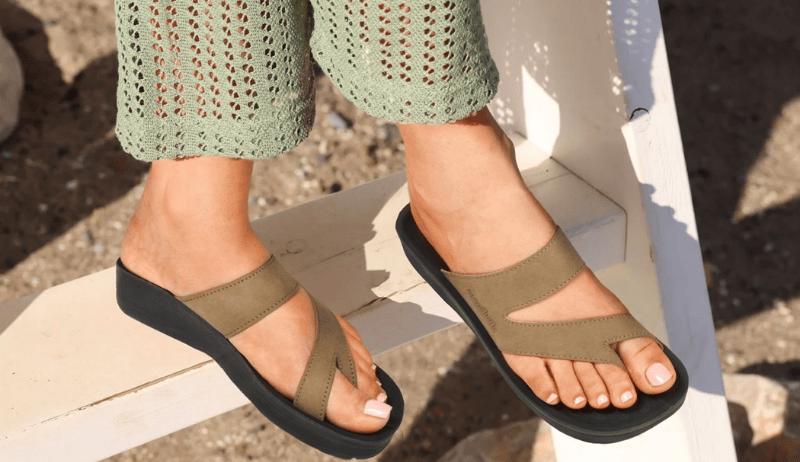
Finding supportive footwear such as orthopedic sandals during warmer days can help to relieve foot fatigue without compromising shoe structure. Supportive footwear consistently allowing your feet to maintain optimal health can be used as an active tool in promoting mental resilience.
Reconnecting Comfort With Mental Health
Foot fatigue and mental exhaustion are both connected to the fact that our physical body and our mind are integrated systems in the same person. Always neglecting foot health results in a series of uncomfortable physical symptoms and cognitive pressures that affect day-to-day life.
Selecting footwear that reflects a person’s natural biomechanics supports both the body and mind to work better. Providing support to your feet provides clarity, tranquillity, and an ability to cope with daily demands of life.