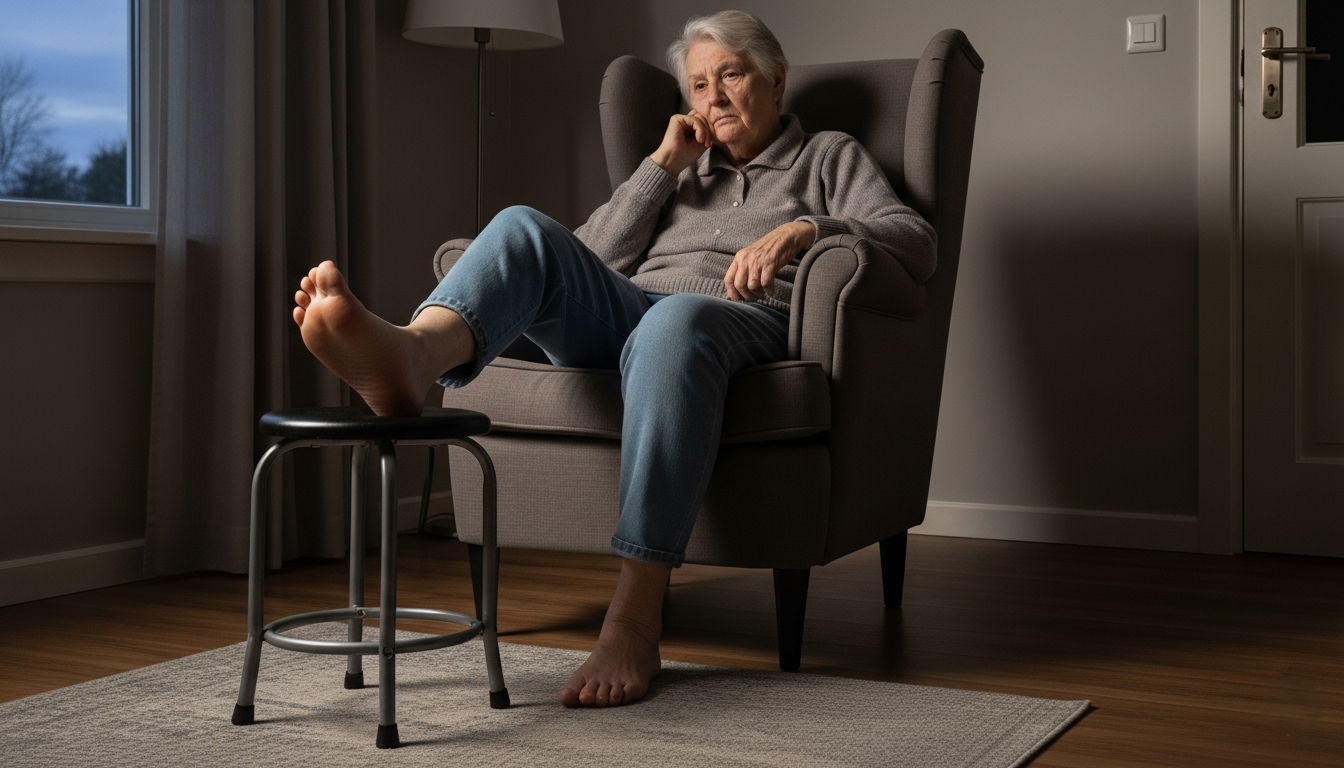
Foot pain can be difficult to predict because it is often not until evening, when we finally sit down or lay down, that we start to feel our feet ache, tighten up, or cause sharp pain. Many people also don't understand why foot pain does not typically occur until after they have been still for some time. Understanding the reasons for this will help you understand how to avoid this issue.
How can your feet feel fine during activity?

When walking or standing, your muscles are continually firing as they are working to maintain your upright balance when your body is moving through space. There will be an increase in blood flow to the tissues of both the joints and the muscles, the temperature of both of these kinds of tissues will be elevated, and most signals of discomfort will be decreased. The interaction of all of these mechanisms acts as protection for our bodies when tissues are undergoing increased stress.
When you stop moving, your body no longer has the protective elements stated above available. You will see a decrease in circulation, the beginning of inflammation, and fatigued tissues will begin to present you with the need for attention. Therefore, pain in your feet will usually seem to be stronger at rest than when you are moving.
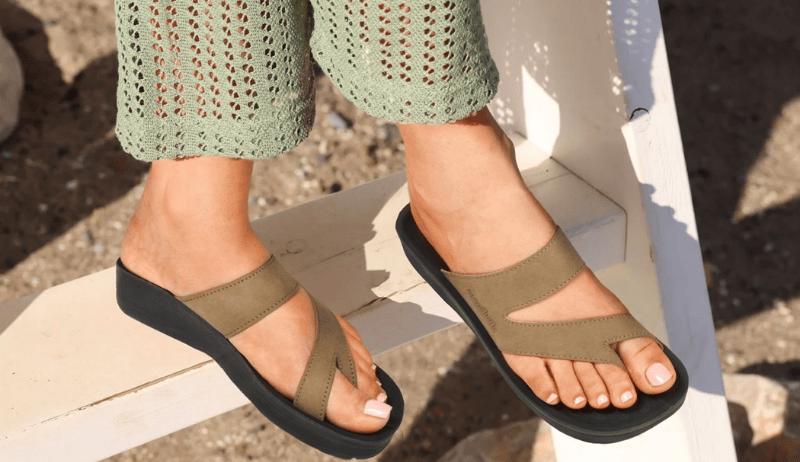
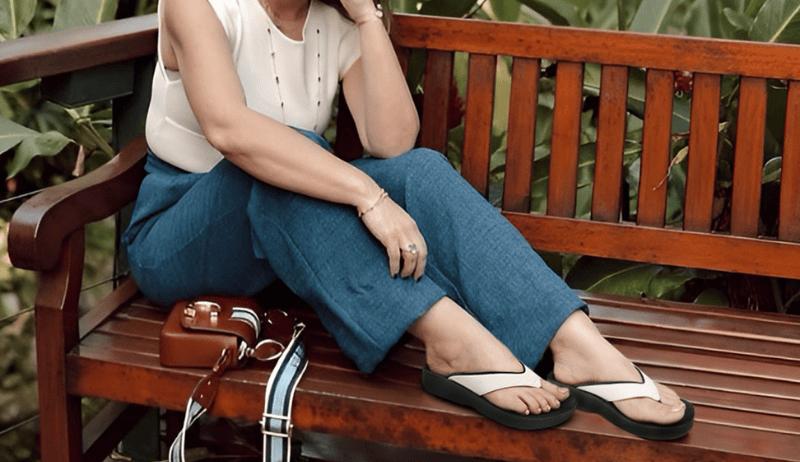
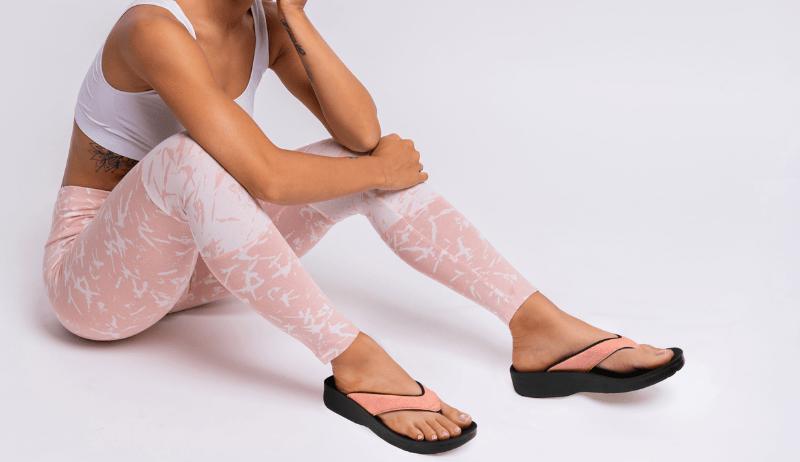
Using a comfort orthopedic slipper after movement helps reduce this sudden shift by keeping the foot supported as the body transitions into rest.
The effect of muscle fatigue on delayed pain in the feet
The muscles in your feet are active constantly. Even during light activity, they provide stability and shock absorption while adapting to the different environments we walk on. Eventually, these muscles start to lose strength and become fatigued long before you feel any impact or pain.
Immediately after stopping to move, the body automatically relaxes tired muscles causing a rapid decrease in tension in the tissues. This rapid transition places extra stress on your tendons and connective tissues, resulting in soreness and stiffening which often were not felt until you stopped moving.
Using shoes made specifically for recovering can help allow for this transitional period by giving your feet and ankle time to transition back to normal without experiencing an immediate drop in their level of support.
How Walking or Standing on Hard Surfaces Makes Resting Your Feet More Painful

Many people experience pain in their feet at home due to the hard surfaces within their homes. While they may be able to withstand some pain from hard surface use while wearing shoes, walking or standing on hard surfaces without wearing shoes causes more stress on their feet.
Walking or standing barefoot also causes your feet to work harder than they should during the time you're resting. While you're walking or standing, your feet experience a multitude of pressures on them as they are supporting your entire body weight. Therefore, after a long day of working, your foot will likely be continually under more pressure, leading up to the nighttime hours when you lay down for bed.
That's why wearing slippers with arch support for flat feet indoors can be beneficial since there is not a lot of cushioning available.
Flat Feet and When Pain Appears
Flat feet distribute weight across your foot and up your body's kinetic chain differently than arched feet do. Flat feet lack a natural arch to help absorb some of the weight from your foot when you're standing or walking, and without that natural arch, much of the weight on your foot (and hence the kinetic chain) is being distributed to other parts of your foot and body throughout the day, and you are therefore getting more strain on other parts of your body (especially joints and muscles).
Wearing orthotic slippers when you're at home without any support, especially if your feet are flat, will help you to maintain the proper alignment of your foot while you're resting and reduce the likelihood of having delayed discomfort from your feet.
When You Rest, Inflammation Becomes Very Apparent
Inflammation is a natural response that occurs after an injury, and it gets more attention when you stop moving after being active. While you are active, the movement of your foot helps move fluid around through your body, and when you stop moving, your body will continue to build up more fluids that are a result of the inflammatory process.
Because of this, if you've been dealing with heel or arch inflammation, orthotic slippers for plantar fasciitis will provide controlled support for your feet and reduce strain and stress on your feet even before you stop walking.
After Movement, My Feet Hurt Because of Temperature
Cold weather contracts the muscles and consequently limits flexibility. This is why once the body stops moving, any pain will feel heightened. In the evening when poor circulation occurs naturally, it is common for the muscles to contract further.
Heat encourages muscles to relax and helps to increase the amount of blood flow to the area, so discomfort is decreased once the body has stopped moving.
Women’s warm slippers provide comfort for the feet after a long day of movement.
The Cold Season Leads to More Time Spent Indoors and Inactivity, Causing Foot Pain
During the winter months, many people spend more time indoors, which often results in a false sense of security regarding foot support. Additionally, as temperatures drop, there is increased stiffness and sensitivity in the muscles of the feet.
When not wearing the correct type of footwear, foot pain becomes more pronounced once movement ceases.
Wearing winter slippers that combine warmth and support will help to mitigate seasonal foot flare-ups.
Why Caring For Your Feet at Home Is More Important Than You Realize
While many individuals may wear good supportive shoes for work, they tend to neglect their foot care at home. This creates a period of time when the foot goes from good structured support to no support at all.
Because of this rapid change, there will be increased stress during the recovery period, resulting in foot pain only occurring once movement ceases.
Quality women's winter slippers maintain similar levels of foot support throughout the day.
Delayed Foot Discomfort With Heel Pain
Heel pain, the most notable example of delayed foot pain, usually occurs because of the amount of force placed on the heel during any activity. In most cases, when an activity stops, the pressure releases off of the heel into a different area that is more sensitive to pressure. Footwear lacking the right support will compound the problem.
Women’s slippers designed specifically for heel spurs will help relieve the concentrated pressure on the heel while recovering from an injury.
Delayed Nerve Pain in Morton’s Neuroma
Foot pain that originates from the nerves may seem to occur differently from muscle-related pain. A good example of this is Morton’s neuroma; as a result of the compression of the nerve, people will not necessarily experience pain when doing an activity, but they may feel it while they are resting.
As the nerve becomes compressed, this compression is gradual and will be felt to a larger degree only when all pressure and movement of the foot cease.
Choosing the best slippers for Morton’s neuroma will provide the best support for the recovery period, thus minimizing the irritation of the nerve.
The Importance of Supporting Your Feet When Resting
Your feet are not going to heal just because you stop using them. The only way to fully heal your feet is by keeping your feet supported in a stable, neutral position.
If you do not provide support, your tissue will continue to experience stress when you rest. This will prevent healing and create more pain in your tissue.
By providing your feet with supportive recovery shoes, your body can turn resting into active recovery.
The Importance of Transitioning from Activity to Rest

Many foot problems are created by not transitioning from activity to rest properly. When you stop using your feet, you must allow your feet to gradually transition to being at rest.
Slippers with structural support aid in maintaining alignment, while allowing your muscles to relax.
This will help to prevent the jolt of disconnect that creates delayed pain.
Why Pain at Rest Is an Indicator
Foot pain that occurs after exercise is not an isolated incident or coincidence. It is a signal from your body that you've been storing up cumulative stresses.
Ignoring this sign will allow small foot problems to turn into chronic conditions. You must respond to it with proper support early on to avoid long-term injury.
Your feet are giving you feedback, even if it arrives late.
The Importance of an Evening Routine That Helps Feet
Your evening routine does not have to include complicated exercises for your feet to benefit from a supportive routine. It is enough simply to wear adequate recovery footwear while you are relaxing in the evening.
When you make it a habit of doing this, you help your feet recover faster. This will result in less inflammation, improve circulation, and help prepare your feet for the following morning.
The small steps you take on a daily basis will produce the greatest comfort over the long-term.
Long-Term Effects of Not Recognizing Delayed Foot Pain
Many times, foot pain that only occurs while you are resting is considered unimportant. However, this type of foot pain can ultimately lead to serious problems if not properly treated. Over time, the result of untreated strain will negatively affect your knees, hips, and back, ultimately leading to a less functional and less mobile body overall.
Foot health supports your entire body health.
When Does Pain Show Up When You Stop Moving?
Foot pain is usually felt more after you have moved rather than during movement. The reason for this is that as you are active, you have little space within your body to feel discomfort until you stop moving, at which point there is now room for muscles to become fatigued and inflamed, and provide the necessary support. As a result, by wearing adequate recovery footwear during rest, you are lessening the possibility of having pain show up after you stop moving, and achieving true recovery. When you listen to and act on these signals, you will have healthy feet for the years to come.