Worth The Read

How Footwear Influences Balance as You Age
Keeping your balance is something people usually don't think about until it starts to get worse. As people get older, it becomes harder to stay steady when standing and walking, not because the body suddenly stops working, but because many little changes build up slowly over time. Muscles get weaker, it takes longer to react, joints become less flexible, and the feeling in your feet becomes less accurate. Out of all these things, the shoes you wear have a much bigger effect than people realize. The shoes you use can either help your body's natural ability to balance or make it slightly harder. Knowing how shoes affect balance is one of the most helpful things you can do to keep moving easily, feel confident, and stay independent as you age. This article looks at how getting older changes balance, why your feet are so important for staying steady, and how picking the right shoes can greatly lower your risk of falling and make it easier to move every day. Why Balance Changes Naturally As You Get Older Balance relies on the combined effort of three key systems: sight, the inner ear, and knowing where your body is and how it's moving. The feet are very important for knowing where your body is because they constantly send information about how things feel, how much pressure there is, and how things are lined up. As people age, the feeling in their feet can get worse. This makes it harder to notice small shifts in weight or uneven surfaces. The muscles that keep your ankles and arches steady may get weaker, and joints may not react as well. These changes don't happen suddenly, but together they can make it feel like you have less automatic control of your balance. Shoes that don't help these systems can make you feel even less steady, while shoes that offer support can help make up for the changes that come with age. The Foot as the Foundation of Stability Every movement starts at the ground. Your feet are what support your entire body, and even small changes in how your feet are aligned can change your balance. When your foot is steady, your body can make easy adjustments to stay upright. When your foot is not steady, your body has to work harder to stay balanced. As feet get older, the height of the arch, how well the joints move, and how thick the padding is can change. These changes make it harder to absorb shocks and change how pressure is spread out. If you don't have the right support, your foot might roll too far in or out, making you less stable, and this can affect your whole body. Shoes that have structure help keep your foot steady, which lets your balance system work better. How Poor Footwear Increases Fall Risk Falling down is one of the most serious health risks that come with getting older. People often talk about eyesight and muscle strength, but they often forget about shoes. Shoes that are too soft, too flat, or don't fit well can make you more likely to fall because they make it harder to feel the ground and allow too much movement. Soft soles might feel good, but they can make it harder for your foot to feel the ground. Flat shoes without support make your muscles work harder to stay aligned, which leads to tiredness and slower reactions. Designs that are slippery or unstable make it even more likely that you'll stumble. Shoes that provide support give you a steady base that makes you more aware of the ground and reduces extra movement. The Importance of Arch Support for Balance The foot's arch is very important for keeping you steady. It works to soak up impact and helps spread your weight equally. If the arch caves in when you put weight on it, your foot is not as steady, and it's harder to balance. As you get older, the parts that hold up your arch may get weak. If you don't get help, this can cause your foot to roll inward too much and your weight to be unevenly spread. These changes make it tougher to quickly react to changes in your balance. Comfortable sandals made to support your feet are made to hold up your arch in a way that lowers stress and makes you more steady when you stand and walk. Ankle Stability and Controlled Motion Your ankles are key for fixing your balance. Small moves at the ankle help you not fall when your body is on bumpy ground or your weight suddenly shifts. As ankles age, they might not move as far or be as strong, so they react slower. Shoes that let your foot move too much from side to side make your ankle work harder. Over time, this can make you tired and react slower to keep you upright. Sandals made to support women's feet often have features that keep the back of the foot steady, helping you move more safely and surely. The Role of Sensory Feedback From the Feet The bottoms of your feet have many nerve endings that tell you about pressure and the ground you're on. This information helps your brain control how you balance. Shoes with very thick or soft bottoms can lessen this information, making it harder to feel changes in the ground. Since feeling things gets harder as you age, keeping as much feeling as you can is very important. Well-made supportive sandals balance being soft with letting you feel the ground, so your foot feels steady but still safe. Posture, Alignment, and Balance Balance is closely linked to how you stand. When your feet are lined up right, your body can stack your joints well, lowering stress and making you more steady. Bad shoes mess up this alignment, making your body make up for it. If your feet are not lined up, your hips can tilt, your spine can change shape, and your head can move. These changes make it slower and harder to fix your balance. Supportive sandals help line up your feet, which helps you stand straighter and more balanced all day. Confidence and the Fear of Falling Balance is not just about your body. Feeling sure of yourself is a big part of how you move. After slipping or falling, many people get nervous, which strangely makes them more likely to fall because they change how they walk. Supportive shoes can make you feel sure of yourself again by making your feet feel steady. When people trust their feet, they move more naturally and react better when they lose balance. Nice-looking supportive sandals help with this mental part by giving support without looking bad, so people will wear them often. Standing Still and Balance Control It is not just when you walk that you need to balance. When you are still, your body always makes tiny shifts to keep you upright. As you get older, your muscles and joints might get tired faster when standing still, which can cause wobbling and pain. Shoes that do not have good structure make it harder to stay steady. Over time, feeling tired makes it harder for your body to react if you suddenly lose your balance. Sandals that give good support lower the amount of work your muscles do to keep you steady, making standing and walking safer. Surface Adaptation and Everyday Environments We walk on different surfaces every day, like tiles, sidewalks, rugs, and bumpy ground. Older people may take longer to get used to these changes, which can make them more likely to lose their balance. Shoes that have a steady base and good support help your body change to different surfaces more easily. Being able to do this is key to staying independent and feeling sure of yourself when you are out and about. Specially made sandals are created to give you the same level of steadiness and support no matter where you are walking. Long-Term Mobility and Independence Your ability to balance is closely tied to how independent you are. If you have trouble staying steady, you might not move around as much, which makes you lose muscle faster and worsens your balance. This can really affect your life. Choosing shoes that offer good support is a good way to help you keep moving freely. By making things easier on your body and helping you stay steady, the right shoes help you keep living an active life. You should think of shoes as something that helps your health in the long run, not just something that makes you feel good for a short time. Why Style Still Matters Many people do not want to wear supportive shoes because they think they look big and ugly. Because of this, they might not wear them all the time, which means they do not get the full benefit of the support. Modern supportive shoes understand that how they look is important. If shoes look good, people will wear them more often, which means they will get the best protection. Stylish sandals made for support combine looking good with working well, helping you balance without giving up your personal style. A Preventative Approach to Aging Well Balance problems often appear slowly over time. If you wait until you really notice you are unsteady, it is harder to fix. It is much better to take steps to prevent problems before they start. Supportive shoes make it easier on your body's balance systems every day and help make up for changes that come with age before you fall or get hurt. Choosing the right shoes now can really help you stay active and feel confident for years to come. Stability Starts at Your Feet Getting older does not have to mean losing your balance or your independence. While some changes are unavoidable, you can deal with many of them if you have the right support. Shoes are very important for how your body moves, reacts, and stays upright. By picking shoes that help with how your body is lined up, how steady you are, and how you sense the ground, you give your body what it needs to stay balanced. The right shoes do more than just protect your feet; they help your whole body move better. When you have a steady base, every step you take is safer and makes you feel more confident.
Learn more
The Silent Strain of Standing Still | Footwear Solution
Being still puts secret pressure on your feet, making them tired and sore as time passes. See how shoes that give good help lower pressure, make you more steady, and keep your feet well when you're standing for a long time.
Learn more
Why Your Feet Need Structure, Not Just Softness
Being very soft has become one of the most overly valued things about shoes today. People often want very soft soles, materials that feel good, and styles that are easy to bend because they seem comfy right away. While being soft can feel good at first, it’s not the same as giving support, and if you only depend on softness, it can slowly hurt your feet. Feet don’t just sit still inside shoes. They move and hold your weight, and they are made to change, keep you steady, and help you move forward. When shoes don’t give your feet the right structure, your feet have to make up for it, which can make you tired, hurt, and have problems with how your body moves over time. It’s important to know why structure is more important than softness to stop long-lasting pain and keep your body moving well. This is really true for shoes you wear when it’s warm, because simple styles often don’t give you enough support so they can bend easily. Thinking About What Feels Good People often think that being comfy means being soft. Many think that if a shoe feels soft and gentle on their foot, it must be good for them. But really, if something is soft but doesn’t have structure, your foot can move too much, which puts stress on muscles and tissues that weren’t meant to hold that much weight on their own. Feeling really good is about having the right mix of softness and control. Your foot needs a steady base that helps it stay in the right position while also soaking up impact in a way that’s controlled. If you don’t have that balance, your body will change how you walk, which can cause pain not just in your feet but also in your ankles, knees, hips, and lower back. This misunderstanding is really a problem with everyday shoes that you wear for a long time, like sandals and flip flops. What Your Foot Naturally Needs Your foot has arches that work to soak up impact and give back energy. These arches are held up by muscles, tissues, and tendons that all work together to keep you steady when you stand and move. When shoes don’t have structure, these parts have to work extra hard to keep you balanced. Over time, this extra work can make your muscles tired, strain your tissues, and slowly make your arch fall. Once the arch isn’t strong anymore, it affects how your whole lower body is lined up. That’s why foot pain often happens before you have pain in your knee or hip. Shoes that focus on being soft more than having structure don’t help your arch do its job of keeping you steady, which makes your foot more likely to get hurt from doing too much. Why Simple Shoes Can Fool You Simple shoes are often advertised as making you feel free or natural, but if they’re not made well, they can put too much stress on your feet. Soles that are thin and easy to bend might let your foot bend easily, but they also let your foot roll too far inward and become unstable when you walk. If you don’t have a supportive base, your foot doesn’t have any help with each step. This can make the pressure on your foot uneven, which can cause sore spots, swelling, and pain that gets worse as the day goes on. Flip flops made for support are made to fix this problem by giving your foot support where it needs it while still being open and airy, which is good for warm weather. Soft Soles and the Problem of Overpronation Overpronation is when the foot rolls too far inward when you walk or stand. While some rolling is normal, too much rolling puts stress on the plantar fascia and nearby body parts. Soft soles without structure often let the foot fall inward easily without pushback. This might feel good at first but causes growing stress over time. Not having structure makes muscles work harder to control movement, leading to more tiredness. Flip flops that support the arch help limit too much rolling by keeping the middle of the foot steady and helping the foot move in a more effective way. Cushioning Versus Structural Integrity Cushioning is important for soaking up shock, but it should never take the place of structure. Very soft materials press down unevenly under your weight, which can make the foot unsteady when moving. Structural integrity means how well a shoe keeps its shape and support when weight is on it. A footbed with good structure spreads pressure evenly and stops collapsing, protecting joints and soft tissues. Arch support flip flops give this integrity by mixing shaped support with controlled cushioning that helps the foot instead of hurting it. The Hidden Cost of Instability Unstable footwear doesn't always cause pain right away. Often, the effects show up slowly as slight discomfort, tiredness at the end of the day, or soreness that keeps coming back. Many people ignore these signs as normal, not knowing their footwear is the real problem. Constant instability makes the body make tiny adjustments to stay balanced. This not only uses more energy but also wears down joints and connective tissue faster. Supportive flip flops lessen this instability by providing a steady base that supports natural alignment when worn for a long time. Why Structure Matters More With Age As we get older, the tissues that support the foot naturally become less stretchy and strong. Fat pads get thinner, ligaments stretch, and muscles react slower. Soft footwear that once felt okay can become a problem as the foot's ability to keep itself steady gets worse. Without enough structure, foot changes from aging can get worse faster, leading to pain and less movement. Well-made footwear can slow this down by lowering pointless stress. Women’s flip flops that have structural support are very important for keeping comfort and confidence during daily activities as the body changes over time. Standing and Walking on Hard Surfaces Modern life makes feet deal with hard, unforgiving surfaces like concrete, tile, and asphalt. Soft soles might lessen the feeling of impact, but they often don't spread out the force well. Without structure, impact forces go straight through the foot and up the body. Over time, this can lead to joint pain and ongoing swelling. Supportive footwear helps handle these forces by spreading pressure across the whole footbed, reducing stress in specific spots. The Psychological Impact of Foot Fatigue Feeling bad in your feet isn't just a physical thing. Ongoing tiredness or hurting can mess with your feelings, how well you work, and if you want to move around. When walking isn't nice anymore, people don't move as much, which can make them sit around more. Good shoes help you want to move by making you not worry about hurting. When your feet feel strong and held up, moving is more fun and doesn't wear you out as much. This good feeling in your head is often missed but is super important for feeling good overall. Why Softness Alone Fails in Long-Term Wear How good a shoe feels right away isn't a good way to know if it's good for a long time. Shoes that feel nice for a short time in a store might not be so good after wearing them for hours. If shoes are just soft and not made well, they can fall apart fast, which makes them wear out unevenly and not hold you up as well. When the shoe gets old, it can't protect your foot as well. Shoes will stay strong and supportive for longer, which makes them a better choice for keeping your feet healthy for a long time. Choosing Structure Without Sacrificing Comfort Being made well doesn't mean being hard or uncomfortable. New shoes that help your feet use smart designs to be strong but still bend where they need to. Special bottoms for your feet, arches that help, and strong heel cups all work together to help you move the way you're supposed to. When shoes have these things, they feel good for a long time, not just for a little bit. The goal is to help your foot do what it's supposed to, not to hold it back. A Preventative Approach to Foot Health Many foot problems we all get happen slowly because our feet didn't have good help for years. By the time we feel pain, our feet might have already changed. Picking shoes that are made well is like stopping problems before they start, which keeps your feet healthy. This way, you're less likely to have long-term issues and can keep moving well. Think of shoes as something that helps your health every day, not just something you wear. Redefining Comfort Feeling good isn't just about softness. It's about feeling strong, held up, and straight all day. Shoes that are made well protect how your foot moves and keep it from getting too stressed. By knowing the difference between softness and support, people can pick shoes that are good for their feet now and later. Being made well isn't just a nice thing; it's something you need to move in a healthy way. When shoes help your foot the right way, they feel good all the time, in a way you can trust, and for a long time.
Learn more
The Impact of Long-Term Shoe Choices on Foot Shape
What you wear on your feet does more than just keep them safe—it changes how they look. The shoes you choose to wear a lot affect the height of your arch, how your toes line up, and the whole shape of your foot. Knowing this helps you pick shoes that give good support and keep your feet comfy, steady, and moving well over time.
Learn more
How Poor Foot Support Impacts Knee Comfort
Knee pain is often thought to be caused by getting older, being overweight, or how much you do, but something often missed is located much further down on your body. Your feet are what you use to move, and if they don’t have the right support, stress goes up your body. As time passes, this stress changes how your knees move, handle weight, and take impacts. Knowing about this link is key for anyone dealing with knee pain that keeps coming back and doesn't seem to have a clear reason. We see this happen all the time as experts in foot health. People try knee supports, creams for pain, or resting, but they don’t think about the shoes they wear for many hours each day. The reality is straightforward but important: not having good support for your feet quietly messes up how your knees line up and feel, even before you notice any pain. How Your Feet and Knees are Connected, Explained Each step you take starts with your feet. When your foot hits the ground, it absorbs the impact and keeps you steady before moving the force up through your ankles, knees, hips, and spine. Ideally, this happens smoothly and in a balanced way. But when your feet don’t have enough support, that balance is lost. Having flat feet, heels that lean in, or pressure that isn’t spread out evenly makes your lower leg turn the wrong way. This turning puts more stress on the knee joint, especially on the cartilage inside or outside the knee. As time goes on, the knee tries to make up for this by working harder to keep you steady, which leads to feeling tired, stiff, and eventually painful. Many are surprised to find out that knee pain can happen even without hurting the knee directly. The problem often begins with shoes that don’t help your foot stay in the right position. How Shoes Without Support Change How Your Knees Work Shoes that don’t have a solid structure let the foot move too much. This might not seem like a big deal at first, especially if the shoe feels soft or moves easily, but being soft without support can fool you. When the foot rolls inward too far, the knee also follows that movement, turning a little with each step. This repeated turning puts stress on the tough tissues that connect bones and muscles, which weren’t made to handle being twisted so much. What happens is that your knee slowly starts to feel worse instead of getting hurt suddenly. People often say their knees ache by the end of the day, feel stiff after sitting, or hurt when going up stairs. Wearing special sandals made to support your feet can help stop too much movement in the foot, which then lowers how much the knee has to turn. This kind of support helps stop problems before they happen, dealing with the cause instead of just hiding the pain. Why Just Softness Isn't Enough A typical wrong idea is that shoes with lots of cushion will always protect your knees. Softness can lessen the force of hitting the ground, but it doesn't manage how you move without something to hold you in place. Actually, soles that are too soft might let your foot sink and move around, making you less steady. Real comfort for your knees relies more on being lined up correctly than on being soft. Good support for your arch keeps your foot in the middle, and a strong heel keeps the back of your foot steady. These things work together to help your knee move forward instead of falling in or out. Here is where comfort orthopedic sandals are very helpful for wearing every day. They mix being able to absorb impact with being strongly built, helping the foot move as it should while still giving support. Everyday Things That Quietly Hurt Your Knees A lot of knee problems don't come from hard exercise, but from doing the same things every day with shoes that don't support you. Standing for a long time, walking on hard floors, or doing chores around the house all put steady pressure on your joints. When shoes don't hold up your foot the right way, your knee suffers the effects. That's why knee pain often gets worse by the end of the day instead of hurting when you wake up. The small stresses that add up all day slowly overwhelm the joint. Changing to comfortable, supportive sandals for wearing inside and outside can really lower this daily stress. Shoes that support you help keep you lined up right even when you're doing normal things, so your knees can work without always having to make up for it. How Knee Comfort Affects Men and Women Differently Women feel knee pain differently because of their bodies and how they live. A wider hip area changes how the lower leg lines up, making it more likely that the knee will move inward if the foot doesn't have enough support. Shoe choices, like stylish sandals or flats that don't support you, can make this problem even worse. Hormone changes also affect how flexible your ligaments are, so keeping your alignment right is even more important for joint stability. If your foot doesn't have support, your knees have to work harder to stay steady, which makes pain more likely over time. That's why supportive sandals for women are made with special attention to how the body moves. They give support to the arch, control how much you bend, and keep the heel steady, which matches how women's feet are shaped and how they walk. What Happens If You Ignore Foot Support for a Long Time Ignoring foot support doesn't just affect how comfortable you feel each day; it can change how healthy your joints are in the long run. Being out of line for a long time makes the cartilage in your knee wear down faster, which leads to the joint breaking down early. While shoes alone can't stop all knee problems, they help a lot in slowing things down and reducing stress. People who take care of their foot support early often say they can move better, feel less stiff, and feel more sure of themselves when they move. This improvement isn't a quick fix, but a slow return to being lined up naturally, which is how your body is supposed to work. How Sandals That Give Good Support Can Help Your Knees Feel Better Sandals that offer support are really helpful because they help you wear them regularly. Lots of people take off their supportive shoes when they get home and put on flat, unsupportive shoes, which gets rid of the good things their shoes did for them during the day. Sandals made with special shapes for your feet let your body stay in the right position no matter where you are. Sandals made the right way help your foot move steadily as you walk, which means your knees don't have to work as hard. As time passes, this makes you less tired and helps your body move the way it's supposed to again. This not only makes your knees feel better but also helps you stand up straighter and feel more balanced. Picking Out Shoes That Are Good for Your Knees When you're picking out sandals that give you good support, think more about how they work than how they look. Look for footbeds that are shaped to fit the natural curve of your foot, midsoles that are strong and don't flatten out, and straps that hold your foot in the middle of the sandal. These things all work together to help your knees, even if it's not something you can see directly. It's also important to start wearing them little by little. Your body needs time to get used to standing in a better position, especially if you've been wearing bad shoes for a long time. It's better to wear them regularly than to feel great right away if you want your knees to be healthy for a long time. Making Sure Your Feet Are Well Supported for Knee Comfort To really make your knees feel good, start with your feet. When you take care of your feet, you're not just treating the pain, you're fixing the way your body moves. This way of thinking puts your feet first, which is how your body naturally spreads out weight and stays balanced. Instead of wondering why your knees hurt, it's often better to wonder how your feet are working. When your feet are well supported, it takes pressure off all the joints above them, which makes you feel more comfortable and stable all over. When your shoes help your body move the way it's supposed to, your knees don't have to work extra hard to make up for it. This lets them move easily, efficiently, and comfortably all day long.
Learn more
Why Foot Pain Is Often a Stability Issue, Not a Cushioning One
When your feet hurt after a long day, you might think you just need more padding. Soft bottoms and comfy insides are often promoted as the best fix for sore feet. But many people forget that foot pain often comes from a lack of steadiness, not how hard or soft your shoe is. Steadiness means how well your foot stays in the right position and is supported when you move. Without it, even the softest shoe might not protect your feet. Knowing how steadiness and foot movement work together is key to feeling better, avoiding injuries, and walking more efficiently overall. The Difference Between Padding and Steadiness Padding absorbs the force of impact, making walking or standing feel better for a short time. It lowers pressure right away, but it doesn't fix problems with how your foot is built. Steadiness, however, keeps your foot in line, spreading force evenly and making muscles, ligaments, and joints work less hard. Not having enough steadiness often leads to overpronation, uneven weight placement, and tiredness. This is why some people still have foot pain even when they wear the most padded shoes. How Not Being Steady Leads to Foot Pain The foot is complicated, with 26 bones, 33 joints, and over 100 muscles, tendons, and ligaments. When it doesn't have support, these parts work harder to keep you balanced. Over time, this extra work causes pain in places like the arch, heel, or front of the foot. Wearing the most comfortable orthopedic sandals can give both support and alignment, so muscles and joints don't have to work too hard. Arch Support: The Key to Reducing Strain The arch is very important for absorbing shock and spreading out force. When the arch falls because of instability, ligaments and tendons stretch too much. This can cause problems like plantar fasciitis and general arch fatigue. Shoes like orthopedic sandals for women with arch support are made to keep the arch steady, which reduces strain and helps the foot move naturally again. Why Soft Shoes Alone Don’t Work Soft shoes might feel good at first, but they can let the foot roll too far in or out. This uncontrolled movement makes soft tissues and joints more stressed. Even shoes with lots of padding don't fix alignment, showing that padding alone isn't the complete solution. The Role of Heel Stability The heel is the starting point for walking. If the heel moves too much in the shoe, it makes the whole foot unsteady. This can lead to heel pain, ankle strain, and even knee problems over time. Shoes that highlight stylish orthopedic sandals can offer both a nice look and important heel stability, combining comfort with support to correct issues. When Foot Pain Extends Beyond the Foot Instability affects more than just the foot. It can change how you walk, making you overuse your calves, knees, hips, and lower back. People often don't realize how much energy their body uses to make up for poorly supported feet. Supporting alignment with shoes like comfortable orthopedic sandals for women makes the entire chain of movement work better, reducing tiredness and pain. Why Custom or Anatomically Designed Sandals Matter Everyone's feet are shaped differently, they have different arches, and they walk in their own way. Standard padding cannot handle these personal differences. Sandals made just for you or shaped to fit your foot give help where each person needs it. That is why it's very important to pick shoes that keep your feet steady, instead of just picking soft shoes, to keep your feet healthy for a long time. Signs That Foot Pain Is Stability-Related Here are some usual signs that your pain comes from your foot not being steady: Pain gets worse when you stand or walk for a long time Your heel or arch feels tired even when you wear padded shoes The bottoms of your shoes wear out unevenly Your ankle or knee often hurts after you walk Fixing the steadiness early stops worse issues and lets padding help better when used with a design that gives support. How Stability Supports Recovery Shoes that focus on keeping your foot steady let your foot relax while staying in the right position. Getting better is not just about padding the bottom of your foot; it’s about letting your tendons, ligaments, and muscles ease up without losing support. Wearing very comfy orthopedic sandals inside or after doing things can help lower build-up of stress and make you feel better every day. Balancing Style and Support Lots of people don't wear shoes that help their feet because they think they look like medical shoes or are too big. Modern foot care has changed how we see these shoes. Now, nice-looking orthopedic sandals give both a good look and fix your foot, letting people keep their feet in line without losing their own style. Daily Practices That Complement Stability Besides wearing shoes that give support, doing foot exercises and being aware of how you stand help your feet stay steady. Making your arch stronger, controlling your ankle better, and using your core muscles lower stress on your feet. Doing these things with orthopedic sandals for women that support the arch makes you feel as good as possible and stops pain from coming back. Focus on Support, Not Just Cushioning Foot pain is almost never only from not having enough padding. When your foot is not steady, your foot and body have to work harder, which makes you tired, sore, and can even cause long-term problems. Making steadiness a priority by wearing shoes that are made to help your foot stay in its natural position, like comfortable orthopedic sandals for women, is key to feeling good for a long time. By knowing the difference between padding and steadiness, and picking shoes that give support, you can walk without worries, lower pain, and keep your feet safe for many years.
Learn more
The Footwear Mistake That Slowly Reduces Mobility
Mobility hardly ever vanishes suddenly. It decreases gradually, little by little, through minor everyday choices that appear harmless at the time. One of the most typical but unnoticed things that makes mobility worse is shoes. It’s not major injuries or clear pain, but slight pressure that grows year after year until moving feels more difficult than it should. A lot of people think losing mobility is just part of getting older. But really, the wrong shoes can make joints stiff, muscles weak, and balance bad much sooner than age should matter. Understanding this mistake about shoes is key to protecting your ability to move and stay independent for a long time. The Hidden Cost of “Good Enough” Shoes The problem isn’t always wearing shoes that hurt. Often, it’s wearing shoes that seem okay but don’t give enough support. Flat bottoms, wobbly insoles, and bad alignment slowly change how the body moves. Over time, these changes make steps shorter, weaken muscles that help you balance, and put more stress on joints. When shoes don’t help the foot move naturally, the body makes up for it. Ankles don’t react as well, knees absorb more impact, and hips don’t work as efficiently. These adjustments might stop pain right away, but they slowly reduce mobility and confidence in moving. This is why many people don’t see the issue until stairs feel harder, walks get shorter, or balance feels shaky. Why Feet Control Overall Mobility Feet are what movement is built on. Each step starts when the foot touches the ground and ends when you push off. If this isn’t steady or efficient, the whole chain of movement is affected. Bad shoes mess up this process by limiting natural movement or forcing the foot into an unnatural position. Supportive shoes help with proper weight shift and muscle use. Without them, muscles get weak from not being used enough, while joints take on too much stress. Over time, this imbalance makes you less flexible and able to last. This is especially important for people who stand or walk a lot. Shoes that don’t help movement the right way can make even everyday tasks feel tiring. The Slow Breakdown of Balance and Strength Balance isn’t just about the inner ear or how strong your muscles are. How steady your feet are is also very important. Shoes with wobbly bottoms or not much structure reduce how much you feel the ground, making it harder and slower to correct your balance. When balance gets worse, people without thinking limit movement to avoid pain or falling. This causes less activity, which makes muscles weaker and joints stiffer. This keeps happening quietly until moving feels difficult. Well-made orthopedic sandals can stop this from happening by making you more stable and helping you move confidently during daily activities. Cushioning Alone Is Not the Solution Many people think softer shoes are better for moving, but too much cushioning without support often makes things worse. When the foot sinks into a soft bottom, muscles that help you balance have to work harder to keep you steady. Real support is when controlled cushioning is combined with firm guidance. The foot should feel supported, not like it’s being swallowed by the shoe. This balance lets muscles work naturally without getting too tired. Comfortable orthopedic sandals that are made well do this by absorbing shock while keeping your foot aligned correctly as you walk. How Bad Foot Position Limits Motion How force moves through your body depends on your foot position. If your arches fall or your heels turn in, your knees turn and your hips make up for it. These changes make you less efficient and wear down your joints more. Over time, a bad position causes stiffness and pain that makes you not want to move. People walk less, stretch less, and don't do things they used to like. You lose movement, not because your body can't, but because it's not supported. Shoes made to follow your foot's natural position help keep your joints healthy and let you move freely. This is very important for women, because their feet and the way they walk often need special support. Why Women Are More Likely to Make This Error Shoes for women have usually cared more about how they look than how they work. Shoes often have narrow toe areas, thin bottoms, and not much arch support, even everyday shoes. These designs slowly weaken foot muscles and make them less stable. As foot structure changes with age, pregnancy, or hormone changes, shoes without support become even more of a problem. Things that used to feel okay start to feel hard. Choosing comfy orthopedic sandals for women helps with these structure problems without losing everyday comfort or good movement. How Not Supporting Arches Affects Movement Arch support isn't about being hard; it's about giving direction. When the arch falls with each step, the foot can't spring like it should. This makes walking harder and more tiring. Without good support, muscles get tired faster and joints take more impact. Over time, this makes you walk slower and take shorter steps, which are both signs of less movement. Supportive sandals help the arch work right, helping the foot act like a moving lever instead of a falling platform. How Wrong Ideas About Style Add to the Problem Many people don't wear supportive shoes because they think of them as old-fashioned or big. This wrong idea keeps them in shoes that hurt their movement. Modern stylish orthopedic sandals change this idea by mixing support for your body with good looks. When people feel good about their shoes, they are more likely to wear them all the time. Being consistent is key. Protecting movement only works if you wear supportive shoes often, not just sometimes. How Everyday Shoe Choices Play a Part You don't just lose movement when you work out or hike for a long time. It's shaped by everyday actions like cooking, shopping, and going to work. Wearing shoes without support during these actions adds up stress over time. Even short times of being unsteady add up when you do them every day. Choosing supportive sandals for everyday wear can greatly lower the total strain. This is why the most helpful shoe changes often happen not when you're doing sports, but in the shoes you wear for everyday life. Reclaiming Mobility Through Better Foot Support The good news is that if your shoes are causing you to lose your ability to move, you can usually get it back, especially if it's just starting. When your feet have the right support, your muscles get stronger again, your joints can move more easily, and you have better balance. Sandals that give good support help you walk normally again, which means you don't have to move in ways that make up for it, and it encourages you to be more active. As it gets easier to move, you feel more sure of yourself, which helps you keep moving in a healthy way. The right shoes don't just stop you from getting worse; they actually help you keep moving well for a long time. Choosing Footwear That Protects Your Future Movement The important thing to remember if you want to avoid making this mistake that can make it harder to move is to pick your shoes carefully. Shoes should help your body stay in the right position, let you move naturally, and keep you steady without being too stiff. When shoes are designed to give you support, it lets your body move well, which saves energy and puts less stress on you. Over time, this means you can keep going for longer, move more smoothly, and stay independent. Buying good shoes isn't just about treating yourself; it's about making sure you can move easily and feel confident for many years. Walking Forward With Confidence Being able to move is one of the most important parts of being healthy, but we often don't think about it until we start to lose it. The shoes you pick today affect how you'll move in the future. If you avoid shoes that don't give you enough support and start wearing sandals that are made to be supportive, you can protect your joints, make your muscles stronger, and keep your balance. When your feet are well supported, moving feels normal again. Picking the right shoes doesn't just stop you from feeling pain; it protects your ability to move freely, discover new things, and live an active life at every age.
Learn more
Why Your Feet Feel Older Than the Rest of Your Body
You might feel clear-headed, full of energy, and young at heart, but your feet might tell a different story. Feeling stiff when you wake up, having achy feet after short walks, burning sensations in your heels by evening, or always feeling tired in your lower body can mean your feet are getting old faster than you are. This difference is real, and you can do something about it. Feet age in their own way because they have a special job to do. They hold up your whole body, take the hit with every step, and adjust to years of shoe choices that might have favored looks over how they're made. Over time, these little daily pressures add up, and it often leads to pain that makes you feel much older than you are. Knowing why this happens is the first move in fixing it. More importantly, picking shoes that help your feet instead of hurting them can really change how your feet feel at any point in your life. The Quiet Workers That Don’t Get Enough Thanks Your feet have 26 bones, 33 joints, and over 100 muscles, ligaments, and tendons all working perfectly together. Unlike other joints that rest between moves, your feet are always working when you stand, walk, or keep your balance. Even a little bit of unsteadiness or not enough support can put too much stress on these parts. As we get older, the natural padding under our heels and the balls of our feet gets thinner, which means less shock absorption. Ligaments become less stretchy, arches start to fall, and muscles get tired faster. This is why shoes that used to feel "okay" suddenly feel awful. Shoes that don't have good support make this happen faster, especially styles that flatten the foot or make it move unnaturally. Many people only figure this out after years of pain have already started. Why Today's Shoes Often Make Feet Age More Quickly The modern shoe business has made thin bottoms, stiff toe areas, and uneven weight support normal. These designs might look good, but they often mess with how your feet should line up. Over time, this causes changes that put stress on the ankles, knees, hips, and even the lower back. Shoes that don't keep your heel steady increase stress from rolling your foot inward, while tight fronts squeeze toes and slow down blood flow. When feet can't move the way they should, they get stiff, weak, and more likely to get hurt. This is really common with everyday shoes. Many women switch between flats without support, heels that don't bend, and worn-out sneakers without realizing the overall impact. This makes feet feel worn out long before the rest of the body does. The Effect of How Weight Is Spread Out and Foot Arch Help One of the main reasons feet feel old too soon is because weight isn't spread out well. If shoes don't help the arch of the foot like they should, the force goes to the heel and the front of the foot. Over time, this can cause problems like sore heels and foot pain. Good clogs are getting more popular again because they help spread weight more evenly across the foot. Old-fashioned styles were made for standing a lot, which is why people in healthcare and craftspeople used them for many years. Newer versions, like women's leather clogs, mix being strong with good design for the foot, letting the foot stay straight while handling the impact of everyday life. When weight is spread out right, muscles work well instead of always having to make up for it. Why Just Being Soft Isn't Good Enough Many people think that soft things are comfortable, but too much softness without support can actually make feet feel more tired. If a shoe breaks down under pressure, your foot muscles have to work extra hard to keep you steady with each step. Real comfort comes from having both strong support and some give. The foot should feel guided, not forced. That's why well-made clogs are better than many regular shoes. What shoes are made of also matters. Natural tops of shoes change to fit the foot while staying strong over time. Choices like women's suede clogs offer a gentle feel without losing support, which cuts down on rubbing while still helping healthy movement. How Feet That Are Getting Older React to Bad Materials Fake tops of shoes trap heat and sweat, which makes swelling and skin problems worse. Over time, this hurts blood flow and how nerves feel, especially for people who are on their feet a lot. Real suede and leather let air in better and shape to the foot. This lessens spots of pressure that often cause burning or prickling feelings by the end of the day. Shoes that change to fit you instead of fighting you help slow down how fast foot tissues age. Styles like ladies' suede clogs give this mix by having some give but also a strong base, making them great for wearing every day without hurting the long-term health of your feet. Why Keeping the Heel Steady Is Important as You Get Older Unsteady heels are a big reason why feet feel "old." If the heel moves too much, every step puts stress on the bottom of the foot and the Achilles tendon. This often shows up as pain in the morning or being stiff after resting. A well-made clog keeps the heel secure while letting it roll naturally. Changes you can make can also help this fit. Shoes like clogs with buckle straps let you adjust them, which gets more important as the shape of your foot changes over time. Being able to adjust them cuts down on small movements inside the shoe, which lessens rubbing and helps you balance better when walking. Why Sandal-Style Clogs Can Still Be Supportive Lots of people think open shoes don't have enough support, but that's not always the case. What really matters is how the bottom of the shoe and the part your foot sits on are made, not how much of your foot is covered. Good sandal clogs for women have a shaped footbed that helps your arch and keeps your heel steady, even if they are open. This makes them good for hot weather without losing the benefits for your feet. Also, soft leather clogs let your feet breathe but are still strong enough to give support. If they're made well, they let air in without collapsing when you put weight on them. The Psychological Side of Aging Feet When your feet hurt, it doesn't just make it hard to walk; it also slowly changes how you live your life. Taking smaller steps, not being as active, and being unsure when you move all come from foot pain. As time passes, this makes you less confident and more tired. Good shoes bring back not just comfort for your feet but also peace of mind. When you're not always thinking about pain, your body moves more easily. This makes you feel better overall, and better movement helps your muscles get stronger and your joints get healthier. Shoes with good support, like soft leather clogs for women, often feel different right away, but you really see how much they help after weeks of less stress and better posture. How Daily Footwear Choices Add Up Over Time Usually, feet don't age because of just one bad shoe. It happens because of many years of small bad choices. Wearing shoes that don't support your feet when you're doing chores, cleaning, or just hanging out is just as bad as wearing them for long work days. That's why what you wear every day is important. Shoes should help you during normal times, not just for special events. Well-made leather clogs are both comfy and supportive, so you can wear them for a long time. When shoes always help your feet stay in the right position, your feet stay strong instead of getting worse because of constant pressure. Reversing the Feeling of “Old” Feet The great thing is that feet can change a lot. If you give them the right support, many problems from getting older can get much better. Pain goes down, you can move more easily, and you have more energy. The first thing to do is understand. Realizing that being uncomfortable isn't normal helps you make better choices. The second thing is to pick shoes that fit your feet well instead of fighting against them. Supportive clogs, especially ones made with good materials and careful design, are a good answer. They keep your foot steady, lessen the impact when you walk, and let your muscles work like they should. Walking Toward Long-Term Foot Health Your feet don’t have to feel older than you do. They need care, respect, and good support. When shoes work well with your body, it becomes easier and more fun to move again. Picking shoes that focus on support, breathable materials, and balanced weight can change how your feet feel every day. The point isn’t just to be comfortable now, but to stay strong as time passes. When your feet feel good, the rest of your body feels good too. You move naturally, your posture gets better, and everyday life feels easier. Shoes aren’t just something you wear; they help you live, move, and age well.
Learn more
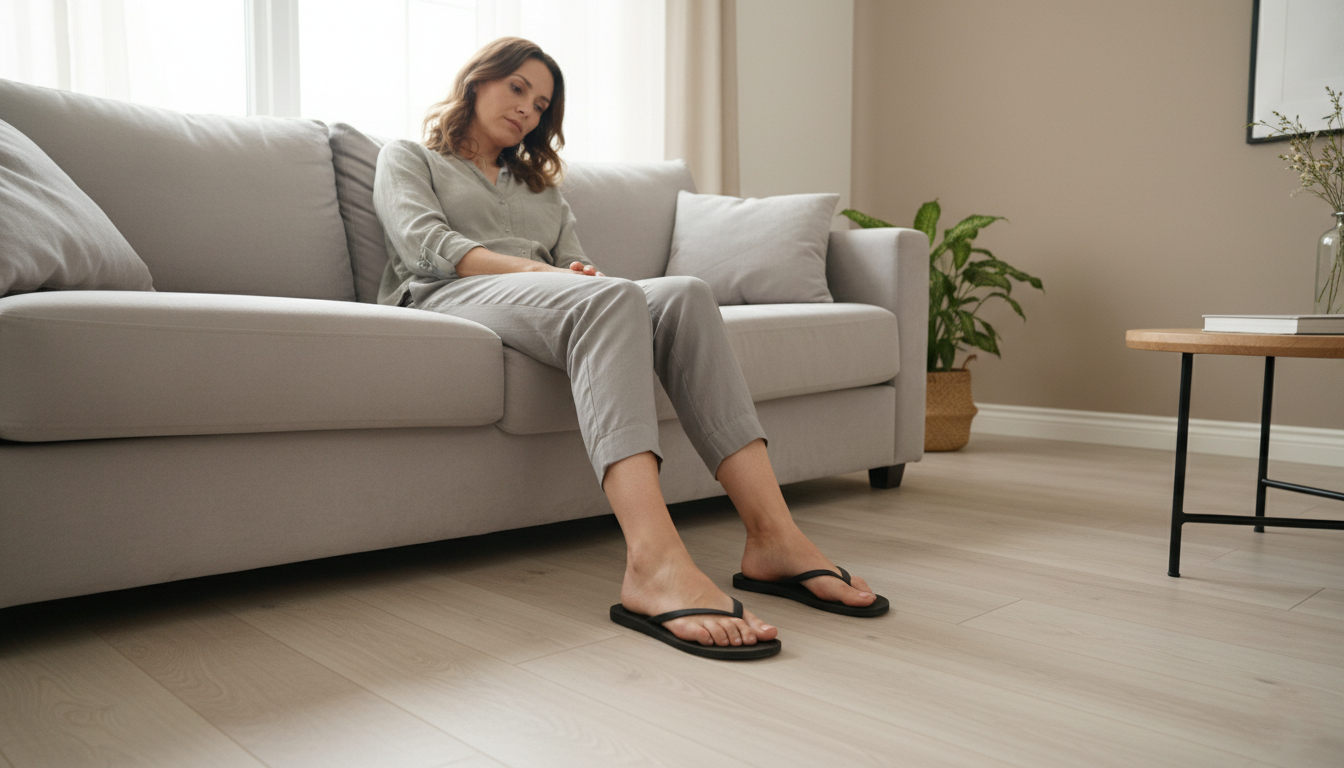
The Hidden Fatigue Caused by Unsupportive House Shoes
Being tired in your feet doesn’t just happen when you walk a lot or work on your feet. The secret stress from wearing slippers that don’t support your feet can take away your energy, mess up your balance, and make you feel worn out at night, even if you had a calm day in your house.
Learn more