Worth The Read
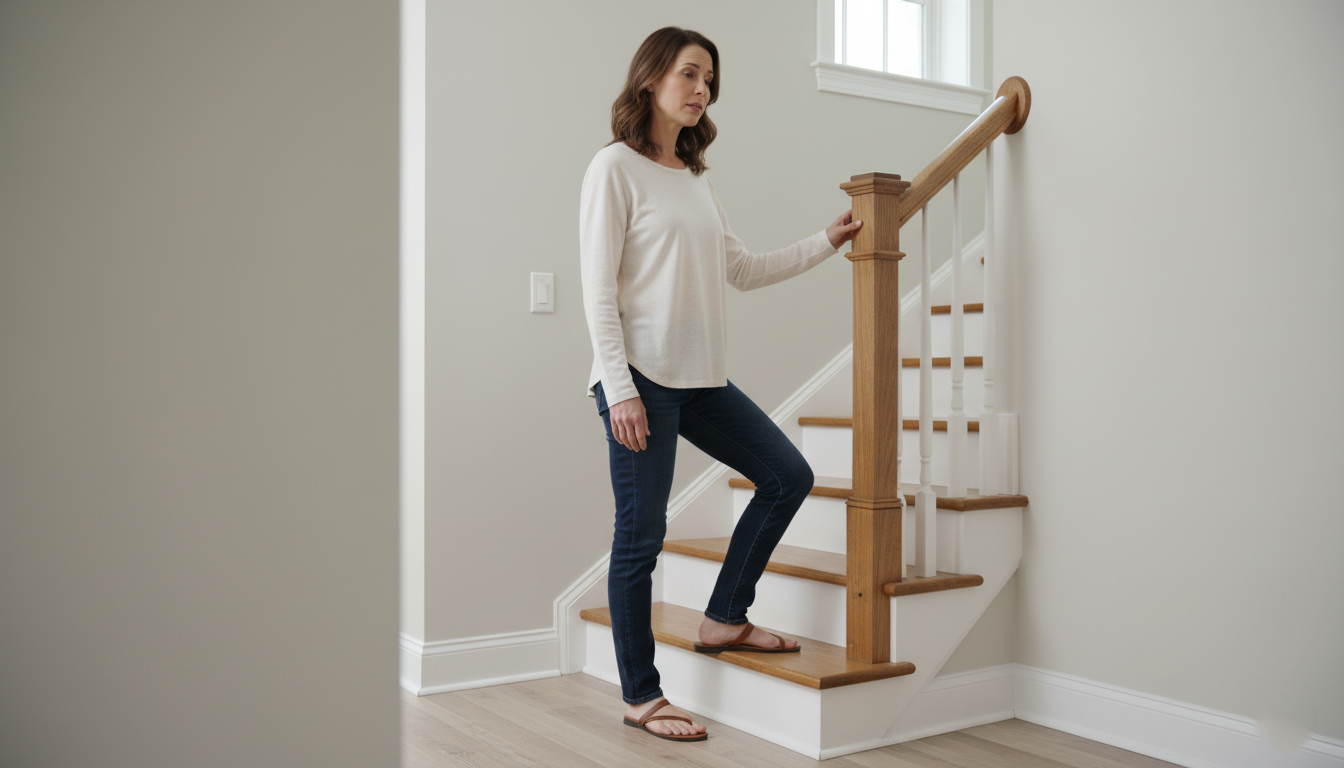

Why Your Feet Feel Older Than the Rest of Your Body
You might feel clear-headed, full of energy, and young at heart, but your feet might tell a different story. Feeling stiff when you wake up, having achy feet after short walks, burning sensations in your heels by evening, or always feeling tired in your lower body can mean your feet are getting old faster than you are. This difference is real, and you can do something about it. Feet age in their own way because they have a special job to do. They hold up your whole body, take the hit with every step, and adjust to years of shoe choices that might have favored looks over how they're made. Over time, these little daily pressures add up, and it often leads to pain that makes you feel much older than you are. Knowing why this happens is the first move in fixing it. More importantly, picking shoes that help your feet instead of hurting them can really change how your feet feel at any point in your life. The Quiet Workers That Don’t Get Enough Thanks Your feet have 26 bones, 33 joints, and over 100 muscles, ligaments, and tendons all working perfectly together. Unlike other joints that rest between moves, your feet are always working when you stand, walk, or keep your balance. Even a little bit of unsteadiness or not enough support can put too much stress on these parts. As we get older, the natural padding under our heels and the balls of our feet gets thinner, which means less shock absorption. Ligaments become less stretchy, arches start to fall, and muscles get tired faster. This is why shoes that used to feel "okay" suddenly feel awful. Shoes that don't have good support make this happen faster, especially styles that flatten the foot or make it move unnaturally. Many people only figure this out after years of pain have already started. Why Today's Shoes Often Make Feet Age More Quickly The modern shoe business has made thin bottoms, stiff toe areas, and uneven weight support normal. These designs might look good, but they often mess with how your feet should line up. Over time, this causes changes that put stress on the ankles, knees, hips, and even the lower back. Shoes that don't keep your heel steady increase stress from rolling your foot inward, while tight fronts squeeze toes and slow down blood flow. When feet can't move the way they should, they get stiff, weak, and more likely to get hurt. This is really common with everyday shoes. Many women switch between flats without support, heels that don't bend, and worn-out sneakers without realizing the overall impact. This makes feet feel worn out long before the rest of the body does. The Effect of How Weight Is Spread Out and Foot Arch Help One of the main reasons feet feel old too soon is because weight isn't spread out well. If shoes don't help the arch of the foot like they should, the force goes to the heel and the front of the foot. Over time, this can cause problems like sore heels and foot pain. Good clogs are getting more popular again because they help spread weight more evenly across the foot. Old-fashioned styles were made for standing a lot, which is why people in healthcare and craftspeople used them for many years. Newer versions, like women's leather clogs, mix being strong with good design for the foot, letting the foot stay straight while handling the impact of everyday life. When weight is spread out right, muscles work well instead of always having to make up for it. Why Just Being Soft Isn't Good Enough Many people think that soft things are comfortable, but too much softness without support can actually make feet feel more tired. If a shoe breaks down under pressure, your foot muscles have to work extra hard to keep you steady with each step. Real comfort comes from having both strong support and some give. The foot should feel guided, not forced. That's why well-made clogs are better than many regular shoes. What shoes are made of also matters. Natural tops of shoes change to fit the foot while staying strong over time. Choices like women's suede clogs offer a gentle feel without losing support, which cuts down on rubbing while still helping healthy movement. How Feet That Are Getting Older React to Bad Materials Fake tops of shoes trap heat and sweat, which makes swelling and skin problems worse. Over time, this hurts blood flow and how nerves feel, especially for people who are on their feet a lot. Real suede and leather let air in better and shape to the foot. This lessens spots of pressure that often cause burning or prickling feelings by the end of the day. Shoes that change to fit you instead of fighting you help slow down how fast foot tissues age. Styles like ladies' suede clogs give this mix by having some give but also a strong base, making them great for wearing every day without hurting the long-term health of your feet. Why Keeping the Heel Steady Is Important as You Get Older Unsteady heels are a big reason why feet feel "old." If the heel moves too much, every step puts stress on the bottom of the foot and the Achilles tendon. This often shows up as pain in the morning or being stiff after resting. A well-made clog keeps the heel secure while letting it roll naturally. Changes you can make can also help this fit. Shoes like clogs with buckle straps let you adjust them, which gets more important as the shape of your foot changes over time. Being able to adjust them cuts down on small movements inside the shoe, which lessens rubbing and helps you balance better when walking. Why Sandal-Style Clogs Can Still Be Supportive Lots of people think open shoes don't have enough support, but that's not always the case. What really matters is how the bottom of the shoe and the part your foot sits on are made, not how much of your foot is covered. Good sandal clogs for women have a shaped footbed that helps your arch and keeps your heel steady, even if they are open. This makes them good for hot weather without losing the benefits for your feet. Also, soft leather clogs let your feet breathe but are still strong enough to give support. If they're made well, they let air in without collapsing when you put weight on them. The Psychological Side of Aging Feet When your feet hurt, it doesn't just make it hard to walk; it also slowly changes how you live your life. Taking smaller steps, not being as active, and being unsure when you move all come from foot pain. As time passes, this makes you less confident and more tired. Good shoes bring back not just comfort for your feet but also peace of mind. When you're not always thinking about pain, your body moves more easily. This makes you feel better overall, and better movement helps your muscles get stronger and your joints get healthier. Shoes with good support, like soft leather clogs for women, often feel different right away, but you really see how much they help after weeks of less stress and better posture. How Daily Footwear Choices Add Up Over Time Usually, feet don't age because of just one bad shoe. It happens because of many years of small bad choices. Wearing shoes that don't support your feet when you're doing chores, cleaning, or just hanging out is just as bad as wearing them for long work days. That's why what you wear every day is important. Shoes should help you during normal times, not just for special events. Well-made leather clogs are both comfy and supportive, so you can wear them for a long time. When shoes always help your feet stay in the right position, your feet stay strong instead of getting worse because of constant pressure. Reversing the Feeling of “Old” Feet The great thing is that feet can change a lot. If you give them the right support, many problems from getting older can get much better. Pain goes down, you can move more easily, and you have more energy. The first thing to do is understand. Realizing that being uncomfortable isn't normal helps you make better choices. The second thing is to pick shoes that fit your feet well instead of fighting against them. Supportive clogs, especially ones made with good materials and careful design, are a good answer. They keep your foot steady, lessen the impact when you walk, and let your muscles work like they should. Walking Toward Long-Term Foot Health Your feet don’t have to feel older than you do. They need care, respect, and good support. When shoes work well with your body, it becomes easier and more fun to move again. Picking shoes that focus on support, breathable materials, and balanced weight can change how your feet feel every day. The point isn’t just to be comfortable now, but to stay strong as time passes. When your feet feel good, the rest of your body feels good too. You move naturally, your posture gets better, and everyday life feels easier. Shoes aren’t just something you wear; they help you live, move, and age well.
Learn more
The Hidden Fatigue Caused by Unsupportive House Shoes
Being tired in your feet doesn’t just happen when you walk a lot or work on your feet. The secret stress from wearing slippers that don’t support your feet can take away your energy, mess up your balance, and make you feel worn out at night, even if you had a calm day in your house.
Learn more
Why Support Matters More Indoors Than Outdoors
Many people carefully buy outdoor shoes, checking how soft they are, how well they grip, and how long they will last, but when they go inside, they wear shoes that do not offer much support. This is common and easy to understand, but it misses a key point about keeping your feet healthy. Your feet often work the hardest inside, and that is where they usually get the least support. The idea that indoor shoes are not important comes from thinking that activities at home are easy on your feet. But the repeated movements you do inside, along with hard floors and wearing shoes for many hours, constantly put stress on your feet. Over time, this constant stress can make your feet tired, cause pain, and change their structure in ways that outdoor shoes cannot fix. Knowing why support matters more inside than outside can help you think of shoes as something you need every day instead of just now and then. The Hidden Demands of Indoor Movement Moving around inside involves doing the same things over and over for a long time. Walking from room to room, standing while cooking, cleaning, or teaching from home may seem easy, but you do these things for hours each day. Unlike walking outside, which often involves different surfaces and chances to rest, moving inside is constant and predictable. Supportive choices, like comfortable clogs for women, help keep your foot steady during these repeated tasks. Without support, your feet stay under a small amount of stress for a long time, which slowly makes your muscles tired. Hard Floors Change Everything Most homes have floors made of tile, marble, laminate, or concrete, which do not give much cushion. These floors send the impact back into your body instead of absorbing it. Footbed clogs are made to act as a cushion between your foot and hard floors. When indoor shoes do not have this cushion, your feet take in small impacts over and over, which adds to stress on your joints and tired muscles. Why Outdoor Shoes Can’t Compensate Many people think that wearing supportive outdoor shoes makes up for the time they spend in indoor shoes that do not offer support. But keeping your feet healthy requires consistent care, not just fixing things now and then. You often spend more time inside than outside. When your feet sink into unsupportive slippers or you go barefoot for long periods, the benefits of outdoor support quickly disappear. The Role of the Arch Indoors The arch is the main part of your foot that absorbs shock. Inside, where movement is small but constant, the arch is working for long periods without a break. Cork footbed clogs provide support that follows the shape of your foot, which helps keep your arch in its natural shape. Without this support, the ligaments in your foot slowly stretch, which leads to tiredness and long-term unsteadiness. Standing Still Is Not Rest Standing inside is often seen as easier than walking outside. But standing still requires your muscles to constantly work to keep you balanced. When shoes do not have support, the muscles in your feet and legs stay working longer than they need to. This adds to soreness that slowly builds up and is often blamed on getting older instead of not having enough support. Indoor Tiredness Moves Up Your Body When your feet get tired, it usually doesn't stay just in your feet. As your muscles get worn out, you change how you stand without even realizing it. This puts more pressure on your knees, hips, and lower back. Shoes with arch support help give you a strong base, which means you don't have to move in ways that make up for it. When your body is lined up correctly from your feet up, your whole body works better. Why Just Being Soft Can Fool You Slippers that are soft might feel good at first, but if they're soft without being firm, they often flatten out when you put your weight on them. This makes you less steady instead of making you feel better. Good shoes have both padding and shape. The point is not to sink down into the shoe, but to have the shoe gently help your foot stay in the right position. Why It's Important to Have Support All the Time Your feet get used to the conditions they're in most often. If you don't have shoes that support your feet inside, your feet will get flat and your muscles will have to work too hard. Shoes for women with arch support keep your feet lined up correctly all day long. This stops your feet from collapsing and making up for it over and over again, which can cause long-term pain. How Shoes Affect Your Blood Flow Inside If you stand or walk inside for a long time without support, it can affect your blood flow. Muscles that are always working can stop blood from flowing well, which can make your feet swell and feel heavy. Shoes that support your feet help your muscles work better, so your blood flows better and your feet don't feel as tired and sore at the end of the day. Feeling Tired in Your Head Starts in Your Feet Your body is always getting signals from your feet. If your feet don't feel steady, your brain has to work harder to keep you balanced. This extra work can make you feel tired in your head. Shoes that support your feet inside can make your brain work less, which helps you feel more focused and less worn out. Why Taking Care of Your Feet at Home Is Important Many foot problems happen slowly and are more about what you do every day than about big stresses every once in a while. What you do inside your house every day is a big part of how healthy your feet are. Picking shoes that support your feet at home is a way to prevent problems. It keeps your feet strong before they start to hurt, instead of trying to fix them after they're already damaged. Why Going Barefoot Inside Can Feel Good but Is Bad Walking around barefoot inside might seem relaxing. But if you walk barefoot on hard floors, your feet don't get any cushion or arch support. Over time, this can put more stress on the bottom of your foot and your heel. Shoes that are made for inside can protect your feet without being uncomfortable. Supporting Your Heel Where It Needs It Most Your heel carries a lot of weight when you're standing. When you're inside, walking on hard floors over and over again can squash the natural padding in your heel. Shoes with good footbeds help spread out the pressure more evenly, which makes your heel feel better and stops pain from getting worse over time. How Shoes Inside Affect Your Feet in the Long Run Your feet can change, and if they don't get good support for a long time, their shape can change for good. Flat feet and joints that aren't lined up right often start from not having good support inside. Wearing shoes that support your feet regularly helps keep your feet in their natural shape, which helps you move well as you get older. Why Support Feels Different Inside When you're outside, you move in different ways, so your muscles get to rest sometimes. When you're inside, you do the same things over and over, so your muscles don't get much time to recover. That's why it's even more important to have good support inside. Good shoes make your foot muscles work less during these long periods of time. Making Indoor Support a Daily Habit Your feet get healthier when support is a regular thing, not just for certain times. If you wear clogs that help your feet inside, every move you make can help you recover. This habit keeps you from getting tired and helps you move in a healthy way. Comfort That Lasts Beyond the Morning Real comfort is not just how shoes feel when you first put them on, but how well they support you as time passes. When inside, your feet should feel good even after doing things for a long time. Clogs that support your feet keep working well all day, so you do not slowly start to feel bad. Rethinking Indoor Footwear Choices The shoes you wear inside should be thought about just as much as the shoes you wear outside. They should help your body stay straight, take some of the force from your steps, and stay comfortable even when you wear them for a while. When people wear better shoes inside, many see their foot pain go down and their energy go up without doing anything different. Building a Healthier Foundation at Home How you move starts with your feet at home. When you support your feet inside, you protect how you stand, your balance, and how healthy you are overall. By picking shoes that are made to support your feet inside, you are helping your feet feel good for a long time instead of just a little while. Why Indoors Is Where Support Matters Most Being outside might seem harder on your feet, but you spend more time inside putting weight on them. This means supporting your feet inside is something you really need, not just something nice to have. Picking the right clogs to wear inside can change how you live every day, keeping your feet safe without you even noticing as you walk around.
Learn more
How Footwear Affects Circulation More Than You Think
Problems with blood flow often begin in your feet. Discover how the correct shoes help your blood to flow, lessen puffiness, and keep your feet comfortable for a long time by helping your feet line up better and spread out pressure more evenly.
Learn more
The Daily Foot Load Your Shoes Must Handle
Each day, your feet take on far more stress than you may know. Learn how daily foot stress hits comfort, plus why firm shoes help protect feet in the long run.
Learn more
Why Your Feet Hurt Even When You Barely Walk
You may think that foot pain is only caused by strenuous activity or long walks, but there are many factors that contribute to foot pain and they are not always obvious. Minor alignment errors, improper support and everyday activities all create stress on the feet regardless of how much you're actually moving. But by identifying these underlying causes, you can improve your comfort level and the health of your feet.
Learn more
The Subtle Signs Your Feet Are Overworking
At the beginning, your feet do not usually give you a clear complaint. Before there is clear pain, your foot may feel fatigued from time to time, it may feel stiff in the morning, etc., and there is usually a warning of these feelings or sensations well in advance of when they will become painful. By understanding these early indicators you can take action to support proper alignment and improve posture and provide long-term comfort for your feet.
Learn more
How Poor Foot Alignment Steals Energy From Your Walk
Walking is something that should be effortless. However, misaligned feet are a major cause of energy loss which goes unnotice for most of the time. When feet are poorly supported, muscles have to work harder, gait becomes inefficient, and eventually, fatigue sets in during the rest of the day. By supporting the correct alignment during daily and recovery hours, one walking efficiency is restored, the risk of overuse is reduced and the mobility of the future is safeguarded.
Learn more
The Role of Midfoot Stability in Everyday Comfort
Comfort in everyday life cannot be camouflaged by the presence of ample cushioningcomfort actually originates from the stability of the midfoot. If the arch is unsupported, tiredness and misalignment will gradually increase throughout the day. Find out why the right support to the midfoot not only keeps you comfortable but also encourages more functional and healthier movements.
Learn more