Walking is supposed to be a natural thing and an easy task, but there are quite a few people who end their day feeling very tired, sore, or heavy, legged. The tiredness is usually attributed to long hours, aging, or lack of fitness. Actually, the most frequent cause of this situation is improper foot alignment.
Improperly aligned feet make every step more costly in terms of energy than it normally would be. So muscles have to spell more work, joints get their share of the stress that was not intended for them, and through that the whole movement becomes inefficient. Gradually the energy that is lacking in the feet will be felt by the rest of the body as well.
Knowing the principles of alignment and the ways to facilitate it can change the whole manner of your daily movement.
How Much Does Foot Alignment Matter?
Foot alignment is the factor that controls how the forces flow through your body. The absorption of the impact should be done smoothly along the foot from the heel to the toe, thus, the muscles should be involved only when necessary. In case alignment is off the body will make subtle adjustments to compensate.
Adjustments, in this case, may not lead to an immediate pain but will gradually affect energy consumption. The muscles that are supposed to rest will get activated, and the joints will receive the force inconsistently. The hardest thing will be to walk, although it may not be obvious that it is the case.
That is why the problem with the body coming out first in the form of tiredness and then pain is typical for people with alignment issues.
The Chain Reaction of Misalignment
Feet are the base of the body's movement system. If they turn inward or outward, the ankles become a little bit off. This change continues upwards, thus affecting not only knees and hips but also the lower back.
With every step taken in misalignment, the body makes small changes to it. These continuous corrections take away the body's energy bit by bit.
It takes quite some time for walking to become heavier (which is usually a sign of the energy being used up) although the distance may still be the same.
Why You Feel More Tired at the End of the Day
Bad alignment does not have to be painful immediately. However, it still consumes energy gradually. At night muscles feel stiff and heavy, and feet are sore after the day's movement.
This delayed discomfort is the most usual reason why misalignment is often mistaken for muscle engagement because it keeps muscles in use all day long. At the time of rest, inflammation and exhaustion dominate.
Good indoor shoe wear is part of ending this discomfort.
The Role of Support at Home

A great number of people think that after having worn supportive shoes throughout the day, their feet should be given freedom at home. What is even worse is that people walk barefoot on hard floors or in thin slippers which make alignment problems even more severe.
When there is no support, the foot descends into the most vulnerable position of it. So, instead of promoting recovery, it prolongs the resumption of the same old strain.
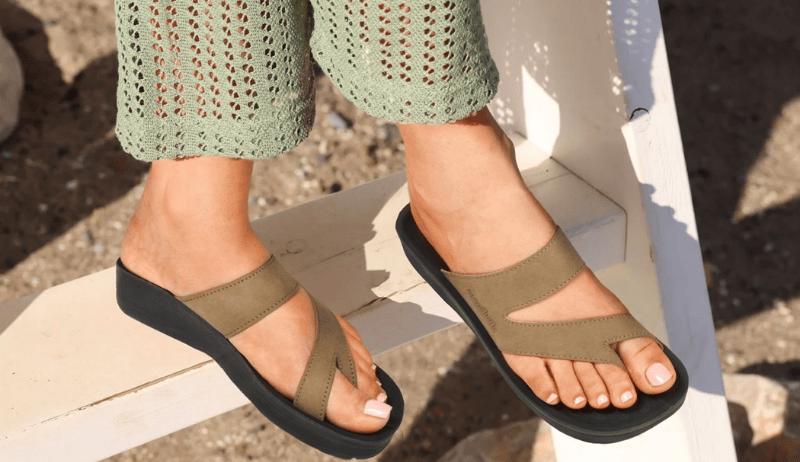
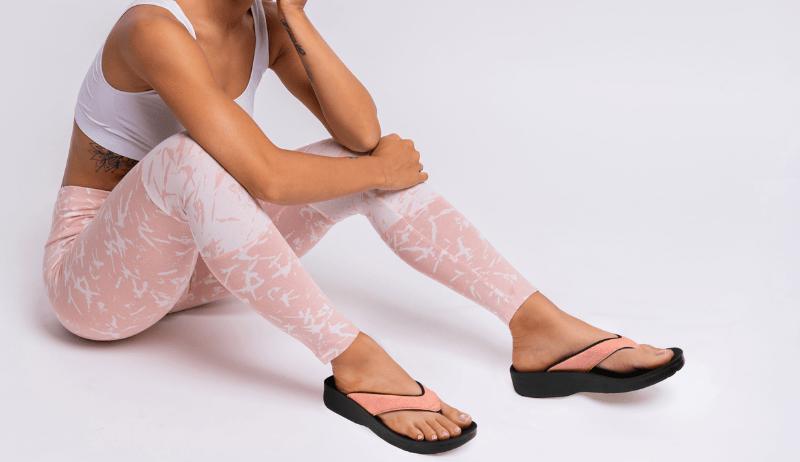
Comfortable orthopedic slippers deliver a little help by offering a gentle frame which makes the tired feet relax instead of giving in.
Arch Collapse and Energy Loss
The arch is essentially a spring that absorbs and releases energy with every step. When the structure is torn down, the energy is not saved but rather goes to waste.
Muscles have to make up for this loss by being more active. This inefficient way of functioning, however, does not stop here, it just keeps on multiplying by the number of steps taken.
Supportive devices like arch support slippers for flat feet help the arch to return to its normal function.
Flat Feet and Walking Fatigue
Having flat feet means that the foot can hardly, if at all, absorb the shock of the impact in a proper way. When the arch is not stable, the forces directly impact the soft tissues.
The reason for this is that muscles have to work harder, and this process leads to fatigue at a faster rate. People walking may even feel that the pace has become slower and that the load is heavier than before.
By wearing orthopedic slippers for flat feet indoors one can help the body to relax and recover.
Heel Pain and Altered Gait
The manner of walking in individuals with heel pain is altered significantly, but these changes are very slight and the people are not aware of them most of the time. The avoidance of the painful area causes the body to lose its proper alignment and at the same time require more energy to be used.
These alterations put more pressure on the parts of the foot and leg that were initially not involved in the problem, thus creating the vicious circle of fatigue and pain.
Supportive recovery footwear like orthotic slippers for plantar fasciitis can help regain normal gait patterns.
Toe Deformities and Balance Strain
Toe deformities are one of the factors making the person less balanced as well as less efficient at pushing off the ground during walking or running. When toes are not able to properly respond, the use of other muscles is increased.
This escalates the problem of instability and energy loss with every step further.
Nerve Sensitivity and Walking Efficiency

Irritation of a nerve in the forefoot may lead to a breakdown of the walking mechanism. People change their steps without noticing in order to avoid the pain. These changes lessen the walking efficiency and increase the feeling of tiredness. Footwear made as slippers for Morton's neuroma is beneficial in alleviating the area and bringing back the natural movement.
Bunions and Alignment Drift
Bunions not only change the shape of the foot gradually but also its alignment. As the big toe drifts, the distribution of weight changes over the foot. The imbalance that results from this works the muscles which have to take up the role of the fat during every step. Orthopedic supportive slippers for bunions not only stabilize the forefoot but also energize the user by giving back the lost power.
Why Cold Seasons Make Fatigue Worse
Low temperatures cause muscles and joints to become stiff and thus the problem of misalignment is more visible. The feet also become more tired when the blood flow is obstructed. Going barefoot at home is even more significant during the cold period of the year. Proper warm slippers for women ensure that the user stays comfortable and at the same time supported.
Winter Footwear and Indoor Alignment
With winter, the daily routine may mean spending long hours indoors on a hard surface. Thin or non, supportive slippers will only add to the cumulative overload. Supportive choices such as winter slippers for women are the ones which keep the body in the correct position during long indoor wearing sessions.
Consistent Support Throughout the Day
The way the foot is aligned does not change immediately after a person stops moving. Support is still needed during rest periods in order to give the proper recovery.
This becomes very significant, most particularly, during the cold seasons when the body tends to be stiff more often.
Good quality women's winter slippers bring the necessary framework that supports the alignment without a person's feet being tightly bound or restricted.
Heel Spurs and Energy Drain
Generally, misalignment and prolonged strain are the main reasons for the development of heel spurs. Pain causes change in walking pattern thus increasing the effort of the muscles.
The process of walking becomes inefficient as the body is trying to avoid the pressure points.
By wearing the best women's slippers for heel spurs at home, one can significantly help in the reduction of stress as well as energy saving.
Why Lightweight Footwear Isn't Enough
Most of the time, lightweight shoes do not have the necessary framework to help in the proper alignment of the foot. Even though it may still feel easy at the beginning, more muscular control is required.
After a certain period, instead of gaining freedom, one becomes fatigued due to this increased effort.
Walking efficiently is mostly a matter of having the right support and not just being light.
How Alignment Improves Walking Economy
Correct alignment makes it possible for muscles to work in coordinated patterns. The energy used is very often that which is stored and released rather than being wasted.Indeed, the whole process of walking becomes less tiring and more enjoyable even when walking for long distances.The eventual result is that the body is able to maintain a high level of overall mobility and endurance.
Small Corrections Create Big Results
In terms of alignment, the most comfortable way to correct situations is by doing very small changes. Energy loss may be dramatically reduced simply by making small changes in support. Indoor footwear is very important, because of the long time that it is worn.What matters most is consistency rather than intensity.
Listening to Fatigue Signals
Fatigue is very often the first indicator of alignment problems.If you choose to ignore it, the inefficiency that causes fatigue will become a chronic condition.By early support, thus, you are preventing the staying of long term strain and discomfort.The body talks to you before it breaks.Rethinking Foot Recovery Recovery is not about inactivity. It is about giving the right conditions for the tissues to relax.If you wear the right shoes, even during the rest period, you will help the body to restore the correct alignment.This is how the energy that has been used is saved instead of being drained.
Alignment Protects Your Energy
Misaligned feet are the cause of a slow silent energy theft which results in fatigue, inefficiency, and discomfort of the whole body over time. Helping alignment at home and during recovery takes little effort but gives great benefits to your walking economy. The very fact that your feet are moving efficiently times means that the rest of your body is feeling equally lighter.