Your feet are very strong and bounce back easily. They get you through long days at work, busy homes, trips to and from work, and times of rest without saying a word—until they just can’t anymore. Unlike injuries that happen fast, feet that are worked too hard usually show they’re hurting quietly. The signs are often small and easy to ignore as just being tired or part of getting older. But as time passes, these early signs can turn into pain that lasts a long time, trouble moving around, and foot problems that stick around and affect your whole body.
Knowing how to spot these signs early is one of the best things you can do to keep your feet comfortable, help your posture, and keep your feet healthy for a long time. This guide looks at how feet that are worked too hard show they’re hurting, why it happens, and how choosing shoes that give good support can help stop bigger problems before they start.
Why Feet That Are Worked Too Hard Are More Common Than You Think
How we live now asks more of our feet than ever before. Hard floors, standing for long times, shoes that don’t give enough support, and doing the same movements over and over put a quiet strain on muscles and ligaments every day. Even people who think they are active and healthy might be working their feet too hard without knowing it, just by doing their normal daily things.
The foot has 26 bones, 33 joints, and more than 100 muscles and tendons that all work together perfectly. When this system is stressed over and over without the right support, it gets tired long before it starts to hurt. The body often makes up for this by changing how you stand or walk, which moves the stress up to your knees, hips, and lower back.
This is why a little foot pain is never just about your foot. It is often where a chain of problems starts in your body.
Foot Tiredness That Lasts and Doesn’t Make Sense for What You’ve Been Doing

One of the first signs that your feet are being worked too hard is tiredness that sticks around and feels like more than it should, compared to how much you’ve been moving. You might notice that your feet feel heavy or sore even after you’ve only been doing light activities. Rest doesn’t help as much as it used to, and the pain comes back quickly when you start walking or standing again.
This kind of tiredness often means that the muscles that support the arches of your feet are having to work harder than they should. Without the right support, these muscles are always working, which leads to them getting worn out instead of getting better. Over time, this can make it harder for your foot to absorb shock naturally.
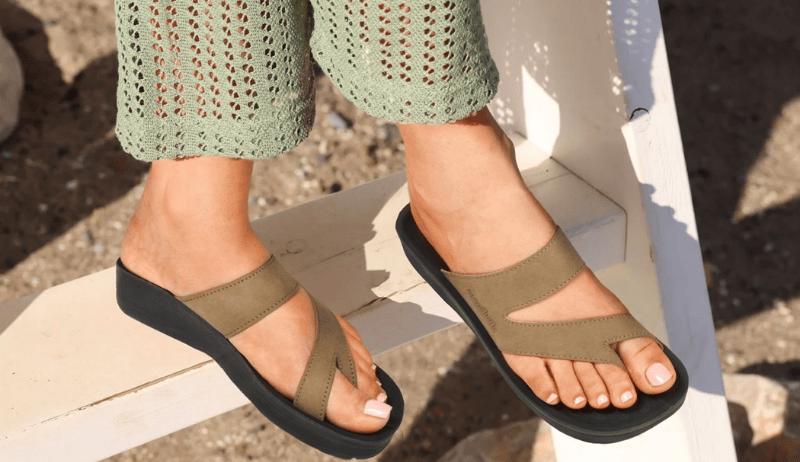
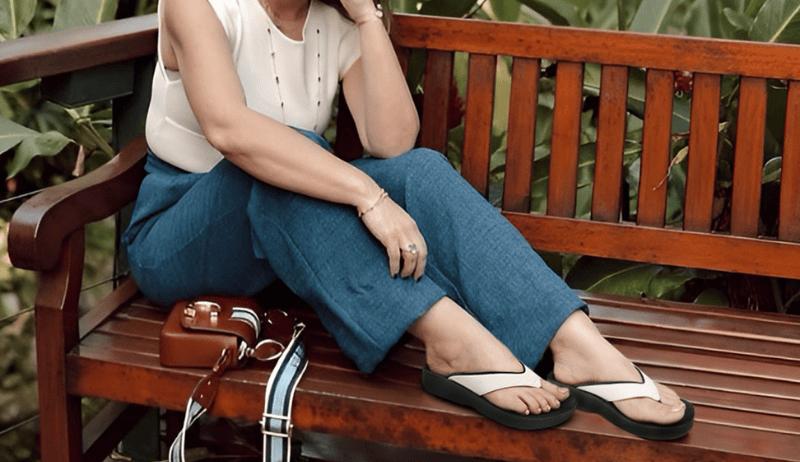
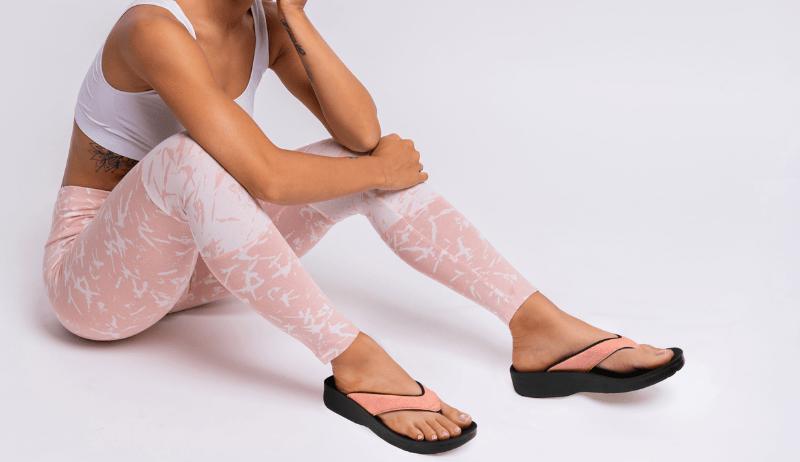
Shoes made for everyday wear, such as comfortable clogs for women, can help a lot by reducing how much your muscles have to work by keeping your foot steady when you’re standing and walking for a long time.
Morning Stiffness That Takes Too Long to Fade
Having some stiffness in the morning can be typical, but when it happens every day, it usually means you are using your feet too much. If your feet feel stiff, painful, or hard to move when you first get out of bed, it could mean there is swelling in the plantar fascia or the nearby soft parts.
This stiffness happens because parts of your feet that are used too much do not get fully better while you sleep. Small injuries add up, and swelling stays around instead of going away. The longer your feet take to feel better in the morning, the more likely it is that the shoes you wear every day are not giving you enough support.
Shoes with strong bottoms, like Footbed Clogs, help keep your feet in the right position and lessen stiffness overnight by supporting your foot all day long.
Subtle Changes in How You Walk
Lots of people do not notice small changes in how they walk, but these changes often show early signs of making up for problems. You might see that you favor one foot a little, take shorter steps, or feel wobbly on rough ground. These changes are usually not on purpose, but they mean your body is trying to protect foot parts that are tired or stressed.
As time passes, walking differently can make your joints more stressed and lead to pain in your knees or hips. Fixing the main issue in your foot is much better than dealing with pain somewhere else in your body.
Helpful things inside shoes, like what is found in Cork Footbed Clogs, help spread out pressure evenly across your foot, letting muscles relax and walking become normal on its own.
Aching Heels at the End of the Day
Heel pain that slowly gets worse during the day is another common sign of feet that are used too much. Unlike sharp pain from getting hurt, this pain usually feels heavy and deep, getting worse after standing for a long time. It might feel better with rest but keeps coming back every day.
This pattern means there is too much stress on the padding under your heel or the plantar fascia, mostly when shoes do not have enough cushion and support. When your heel takes hit after hit without enough padding, swelling is sure to happen.
Choosing shoes made like clogs with support for your arches can really help lessen stress on your heel by helping spread out your weight and lowering how much your heel is hit over and over.
Swelling That Appears Without Injury
A little swelling in your feet or ankles after a long day might not seem bad, but when it happens often, it usually means there are problems with blood flow because you are using your feet too much. Standing or walking for a long time in shoes without support makes muscles work harder to keep your body steady, which blocks normal blood flow.
Swelling is how your body reacts to stress in your tissues, even when the pain is small. Ignoring this sign lets swelling stay around, making it more likely you will have pain for a long time and move less easily.
Shoes that help keep your feet in the right position, like women's clogs with arch support, help blood flow better by lowering how much muscles need to strain in your lower legs.
An Increase in Sensitivity Due to Standing Or Walking On Hard Surfaces
Sometimes the ground beneath you will feel uncomfortable when standing on a hard surface (tile, etc.) due to the feet not being able to function properly as shock absorbers; however, it is also the case that your feet may no longer have the ability to absorb some of that shock effectively because they have been overworked.
Hypersensitivity of the feet occurs when they cannot absorb shock well and have several areas through which they can recover from that shock. This creates compensatory movement patterns that can cause additional stress in other areas of the body, especially in the lower back.
Anatomically designed insoles or anatomical footbeds are designed to restore the feet' natural ability to absorb shock without causing additional excessive fatigue when adapting to hard surfaces and not causing any additional stress.
Foot Support: More than Just a Luxury

Most individuals will wait for pain to develop into a serious enough issue in order to address their foot health. However, how much more beneficial to weight on the foot thus would it be to support the foot? Supporting the foot before there is a need to cure it, will assist not only the foot itself, but the entire body’s movement apparatus.
Proper arch support keeps the foot properly aligned, decreases muscle over-recruitment, and promotes proper use of the muscle system. Cushioning absorbs the foot's impact and a well-constructed sole provides support to prevent excessive pronation and/or supination, thus allowing the foot to complete its task without being pushed to the breaking point.
With continued wear of thoughtfully designed shoes, individuals can significantly decrease the daily accumulation of stress and maintain their ability to remain mobile for many years.
Listening to Your Feet Before They Demand Attention
Your feet are always sending signals, but at the beginning, it's very quiet. Feeling tired, tight, puffy, and small differences in how you move are not just small issues to brush aside. They are early signs that your feet need help, stability, and attention.
Taking action early means you can keep moving every day comfortably, surely, and without depending on others. It also makes it less likely that you'll get long-term problems that need a doctor's help.
Keeping your feet healthy is not just about fixing pain; it is about knowing how much your feet do every day and giving them the help they need.
A Final Thought on Sustainable Comfort
Tired feet do not mean you are weak or getting old. They show how today's world makes things hard for one of the most complicated parts of your body. If you see small warning signs and pick shoes that help your body move naturally, you're doing more than just feeling good—you're helping yourself move well and stay healthy for a long time.
When your feet have the right support, the rest of you can move more easily. Feeling good becomes something that lasts, not just a short thing, and every step feels easier because of it.