Midfoot stability can be considered the most neglected factor of daily living. Quite a few individuals concentrate on cushioning or softness only, thinking that comfort originates from the way a shoe feels at the moment it is put on. The truth is, real comfort is dependent on the support given to the foot throughout several hours of standing, walking, and shifting from one surface to another.
The midfoot is the part of the foot that connects the heel to the forefoot. Once this region is devoid of stability, the stress that is caused moves upward and outward, thus affecting the body alignment, joints, and muscle fatigue. Learning the function of midfoot stability can transform the way you look at your daily footwear.
The midfoot houses the arch as well as the small joints that absorb and transfer the force of the step. The area is intended to have controlled flexibility, not to give way. If the midfoot is without support, the foot is forced to work harder to keep balance.
Eventually, the extra effort will make the foot sore, which is usually the time of the day when the discomfort is felt most. Quite a few people confuse this pain as a normal ageing process or the result of activity that they perform, whereas it is actually a sign of lack of midfoot control.
The Connection Between Stability and Fatigue
Fatigue is the buildup that occurs when muscles have to stabilize things that should be supported by the footwear. In the absence of midfoot stability, the foot is still in a state of tension even when the activity is of a low, impact nature.
This non stop working leads to a decrease in circulation and to speeding up of the wear of the connective tissues. What therefore follows are feet that ache and seem to be unable to get a thorough rest during the night.
Correct structure is what makes it possible for the muscles to be able to relax when it is their turn.
How Arch Support Influences Daily Comfort
The main function of the arch support is that it helps in stabilizing the midfoot. It is an alignment aid that still allows natural movement to be made during the gait cycle.
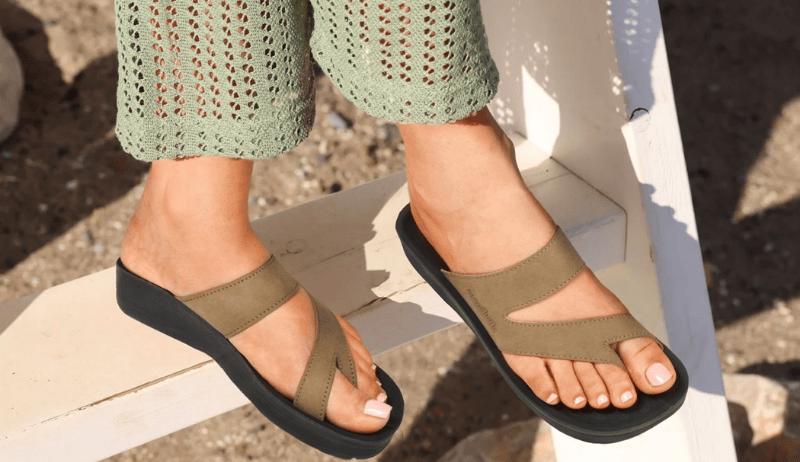
Shoes that have been designed as clogs and also have arch support are a great way of reducing the strain that comes from overworking the foot arch during long hours of standing.
Such support is not a restraining one, but a guiding one at the same time.
The Importance of a Structured Footbed
A footbed with adequate support is the base of midfoot stability. It allows the pressure to bein the balance and stops localized overloads from happening.
Certain footbeds in clogs not only support the natural curves of the foot but also help in shock, absorbing the hard surfaces.
Short and long times of use of these footbeds will provide comfort, which is a very important factor, due to the existence of the balance between firmness and cushioning.
Why Material Choice Affects Stability
Firstly, not all footbeds are of the same standard. There may be certain materials that are too quickly compressed, and thus they lose their supportiveness within a couple of hours.
Materials derived from nature generally have a certain durability feature that is not present in synthetic foams. They adjust to the pressure applied to them and rebound their shape more than the others.
That is why Cork Footbed Clogs have been the most reliable source of consistent midfoot support.
Midfoot Stability and Everyday Alignment
If the midfoot loses its support, issues with the alignment will be noticeable not only in the foot, but they will also affect the knees, which will rotate inward, hips will compensate, and posture will change subtly.
The changes that we may not even notice at the moment, increase the strain through the whole body and thus the pain will become obvious over time.
Footwear that is stable is very helpful in keeping the body in alignment without the need of the body being forced into unnatural positions.
Comfort Is More Than Softness
Softness just by itself is not comfort. Plush feeling shoes at first may be ones that allow too much movement underneath the load.
When there is no stability, the foot sinks and twists, thus creating micro adjustments with every step.
The most comfortable orthopedic clog has the right balance of softness and structural support to limit the unnecessary movement.
Slip, On Styles and Stability Concerns
Slip on shoes are chosen most of the time because they are easy to put on, however, if not properly made they can also be unstable. A lack of structure may cause the foot to slide or the person to grip in order to stay stable.
This continuous gripping puts more tension in the midfoot and toes.
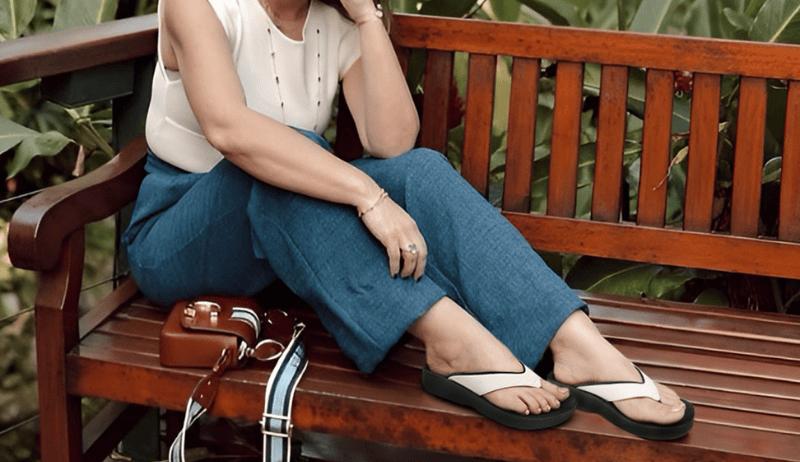
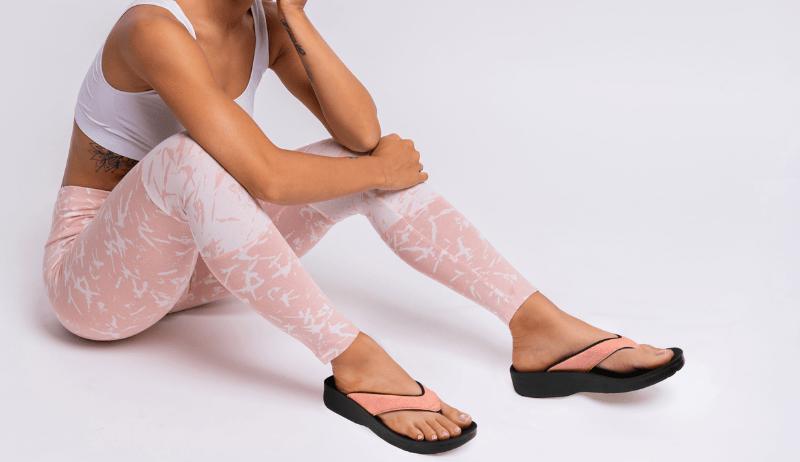
Womens slip on clogs which are well thought out provide stability while it is still easy to wear them.
How Everyday Surfaces Affect the Midfoot

Our lifestyle today is such that we walk on concrete, tiled floors, and other very hard surfaces. Such surroundings increase the impact forces that the midfoot has to take.
If there is no support, the arch lowers again and again against the hard ground. This repetitive stress speeds up the process of becoming tired.
Supportive shoes serve as a cushion between the foot and hard surfaces.
The Role of Daily Wear Duration
It is a common thing for people to misjudge the time they wear their shoes during the day. Even a pair of casual shoes may be worn for eight to ten hours.
Minor shortcomings in support can turn out to be major over time. What is tolerable for an hour can, after several hours, cause pain.
Why Casual Footwear Still Needs Structure
Typically, casual shoes are made with the focus on looks rather than functionality. But, the internal structure of the daily worn shoes is what really determines the comfort. There are supportive casual choices which maintain a focus on the health of the feet without giving a medical look. Properly designed women's comfort clogs are a great example of support and style being able to coexist.
Leather Uppers and Midfoot Control
The upper parts of the shoes are the main factors that determine how the foot is going to be held. Without any structure, soft and flexible uppers may cause the foot to be excessively moved. Good materials not only provide a nice fit but also they work with the foot instead of against it. This is one of the ways leather clogs women's styles can often provide better midfoot stability over time.
The Influence of Heel, to, Toe Transition
Midfoot stability is the factor that determines how light the weight transfer from the heel to the forefoot will be. If the support is weak, then the transitions will be sudden which will ultimately result in joint injuries. Footwear that is stable enables the progression to be continuous and at the same time the impact to be lessened. This is one of the reasons that contributes to less fatigue at the end of the day.
Seasonal Footwear Still Needs Support
One reason seasonal styles are selected is for their comfort or warmth; however, the structure aspect should not be overlooked. Even indoor or transitional footwear must be able to support the midfoot.
Not supporting yourself inside the house can be the reason for the detriment of the benefits that you get from good outdoor shoes.
Comfort starts from the moment your feet are placed on the floor.
The Balance Between Flexibility and Control
The foot should have the ability to be flexible and adjust but if it is given too much freedom it will become unstable. As a result, the right or effective footwear should strike the right balance between movement and control.
The support of the midfoot should help, not tightly hold the foot.
Such a balance supports the daily natural biomechanics of the body.
Style Choices and Foot Health

Foot health does not mean that one has to give up personal style. There are a lot of supportive designs that use refined materials and modern silhouettes.
Footwear that looks attractive and at the same time is supportive is the best way of encouragement for the users.
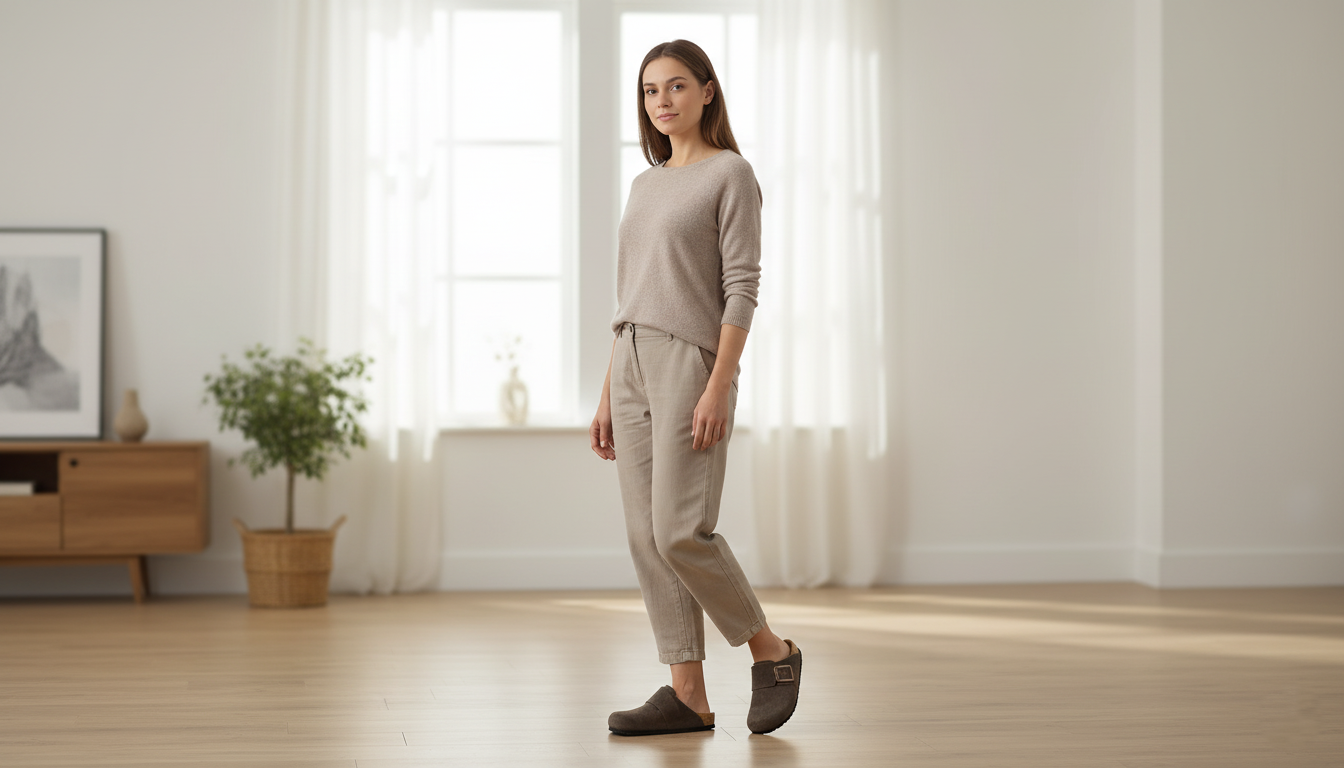
Women's suede clogs, for instance, are one of the great choices that not only look nice but also provide functional support.
The Reason Why Midfoot Stability Recovery Is Better
Recovery is first of all about the reduction of the unnecessary strain. Stable footwear is the one that enables the tissues that are tired to relax and regain strength.
If there is no support in the middle of the foot, the recovery process will be slow because the foot will be working even though the body is at rest.
Supportive shoes are the ones that can bring the recovery process to a faster pace by not taking all the load on the foot themselves but sharing it.
Listening to Subtle Warning Signs
The very first symptoms of a midfoot strain are the feeling of tightness and aching arches, or even the discomfort that gets worse after lying down. These are the signs that support is not enough. If you take care of these signs already at the stage of prevention, you will not have to worry about taking care of bad instances later.
Making Informed Footwear Choices
Are you aware that choosing a pair of shoes should be supported by considerations of support rather than being fashionable? You will have better long term results in this way. What is more, midfoot stability should be a priority not only during sports but also in everyday life.
Comfort is not just the feeling of a shoe in a store. It is the feeling of your feet after they have been used for a longer period of time.
Stability Is the Foundation of Comfort
The importance of midfoot stability cannot be overstated. This is what basically guarantees everyday comfort, proper alignment, and reduction of fatigue. Without it, even the most cushioned or trendiest shoes will not do the trick.
On top of that, supportive footwear is what keeps the foot's natural structure safe and it is also the way for the most efficient movements to be performed.
Real comfort starts from the middle part of the foot and is being passed to the rest of the body.