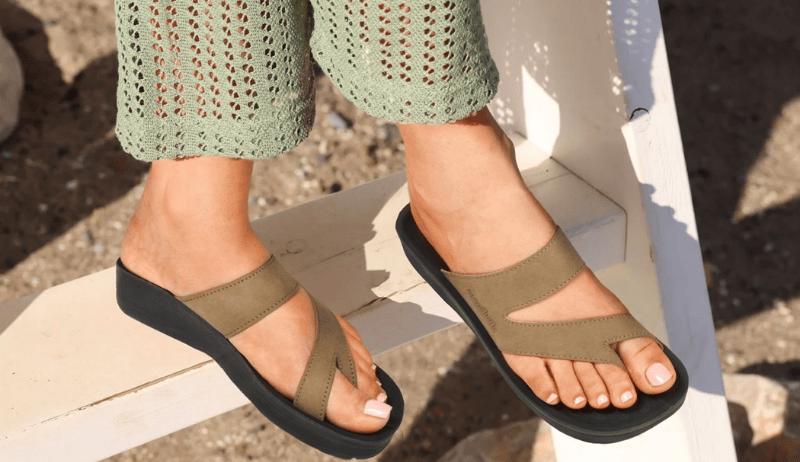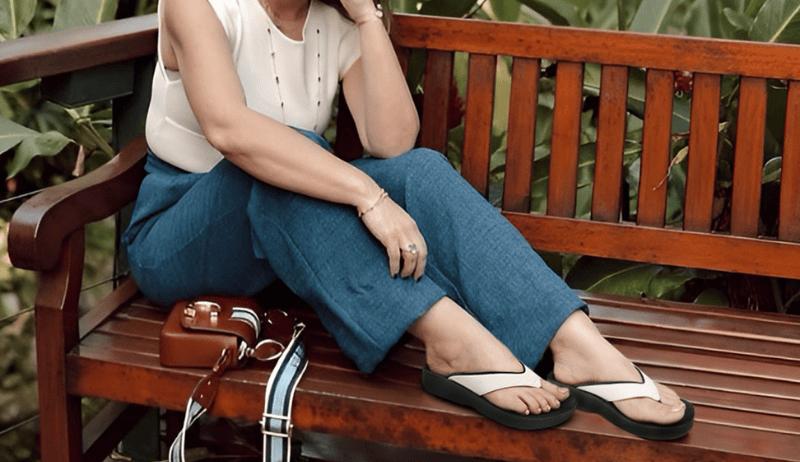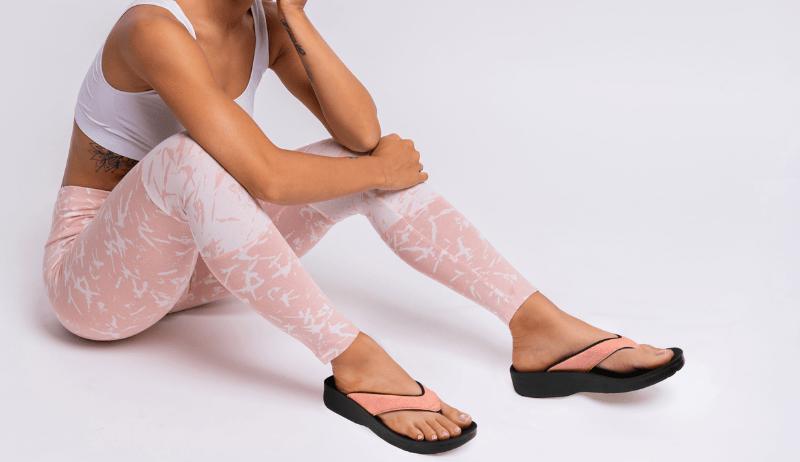
For many people, lightweight shoes seem like the perfect choice to wear every day. They are advertised to give you freedom and flexibility while enabling ease of movement. For most people, slipping on a light shoe feels like letting their feet "rest". However, while it may seem effortless, this type of footwear is not going to support the long-term health of the foot.
The structure of the human foot was not intended to support itself without any type of structure or architecture. Weight is a major consideration in regards to the amount of weight that a shoe can hold, but overall, weight is only one factor in a much larger picture. The lack of structure or support in a shoe will create additional stress on the tissues in the foot that are already under great pressure from the various forces working against them throughout the day.
In order to understand why lightweight shoes are not good for your feet, you must first understand how your feet react to stress.
The Myth of "Less is More"
The appeal of lightweight footwear lies in the reduced sensation of weight. When a shoe feels like it has no weight, many believe that they are moving more naturally. Without the proper structure and support of a shoe, the foot will have to find ways to compensate for that lack of support.
With insufficient structural support, muscles continue contracting longer than normal due to continuous muscle engagement, and tendons are absorbing much of the load that would be normally dissipated through the shoe. Eventually, this can cause fatigue (e.g., tiredness) that may not be immediately apparent.
Finally, the fact that a lightweight shoe does not provide weight does not mean that it has no protective qualities either.
The Impact of Daily Walking on Feet

The heel, arch and forefoot of each foot receives a force with each step taken. Footwear constructed with appropriate materials can distribute this force evenly enough to prevent excessive stress on the heel and arch areas (i.e., cushioning).
Most shoes that are lightweight do not offer enough midsole cushioning which causes concentrated areas of impact at the most sensitive regions of the foot.
As a result, recovery footwear will help relieve the stress from long periods of walking on hard ground (i.e., a comfort orthopedic slipper).
Flexibility Is Beneficial, but Too Much Flexibility Creates Instability.
Flexibility is often viewed as a positive feature in shoe design. However, a shoe that bends too easily through the midfoot area creates instability, allowing the arch to collapse over and over again under body weight.
As a result, ligaments in the foot are stressed over time and lose their ability to maintain their arch shape when loaded. Constructing supportive shoes (such as flat and arch-support slippers) provides a balance between the two.
Delayed foot pain due to lightweight shoe design
Lightweight shoes can lead to foot pain after exercise because they do not provide appropriate heel support. During exercise, the foot feels light, but when exercising ceases, the heel begins to ache.The delay in foot pain after exercise results from inflammation of the foot after continuing to be stressed for a length of time. The only thing that keeps your foot from being stressed is adequate support. (Quote: Delayed Foot Pain After Exercise Results From Inflammation of Foot After Prolonged Stress. Adequate Support Will Maintain the "Rested" Position of the Foot).For many people, the "pattern" of having heel pain (from Plantar Fasciitis) leads to wearing orthotic slippers for support of the heel area from pain.
Cushioning in Lightweight Shoes Does Not Provide Additional Support
Some lightweight shoes incorporate soft cushioning materials. Although they feel soft and comfortable, they do not help with foot alignment.Cushioning materials compress quickly and thus do not provide a continual amount of support to the foot. Muscles will have to continually stabilise the foot.The work of supporting the foot should be done with cushioning.
Lightweight Shoes Lack Toe Structure and Form
The upper parts of lightweight shoes are frequently flexible and structural; this flexibility provides no support for the toes, causing them to drift and crowd.
People with pre-existing toe problems are likely to find that lightweight shoes provide no support at all and may experience additional toe pain as a result.Slippers are carefully constructed to support hammer toes and to allow adequate toe space without sacrificing toe alignment
Pressure at the Forefoot and Nerve Sensitivity
Minimalist Footwear shifts the pressure forward toward the toes which puts more of the weight on the ball of your foot where the nerves are more sensitive.When nerves are compressed repeatedly it aggravates the pathways of the nerve, thus creating a burning/tingling feeling in some people.If you experience this, you might look into Mortons Neuroma Slippers which help to redistribute pressure throughout your foot.
Lightweight Footwear, Bunion Problems
Bunions develop when the foot does not stay in its natural shape due to pressure and alignment. Wearing narrow or unstructured Lightweight Footwear can also contribute to this problem.Without stabilization, the big toe will eventually turn towards the rest of the foot due to the pressure being placed on it.Bunion Slippers provide stabilization for bunions by supporting the alignment of the foot and reducing irritation.
The Importance of Support for Foot Recovery

Feet need to recover just like they need to move. After standing/walking for several hours, the soft tissue of the foot requires support to right itself.Most lightweight footwear do not provide a good environment for recovery; instead they continue to place physical demand on the muscles.Structured Indoor Footwear allows your foot to relax and not collapse at the same time.
Heavier Does Not Equate to Being Harmful
While it is commonly believed that heavier footwear is bad for you, this is not true. Heavier Weight is essential for supportive elements in Footwear.Footbeds and shock absorbing layers need to be made from a certain amount of Material, so if you take away the Weight of the Shoes you are actually taking away the function of the Shoe.
The Psychological Appeal of Lightweight Shoes
Marketing frequently associates lightness with being healthy. People buy this idea because they link heaviness with tiredness.But, tiredness is a result of tissues that are overworked, not a bad shoe.Real comfort is about lessening the load, not taking away material.
Understanding Foot Fatigue at Home
Most of the people who experience foot discomfort think that it happens at home after taking off their shoes. It is when the feet that have been without support for a long time finally, show the stress that has been building up.Barefoot walking or wearing very thin shoes is a continuation of the fatigue and it is not even a way of giving the feet a rest.Comfortable slippers make the transition between work and rest smoother.
Matching Footwear to Foot Conditions
The weight of the shoe does not affect the same way of all feet. The differences in structures determine the absorption of the forces.The thing that helps one, may make another worse.Professional advice, based footwear is more important than fashion trends for condition, specific people.
When Lightweight Shoes Make Pain Worse
The pain that gets worse over time is an indication, not an irritation. In case the discomfort becomes heavier after changing to lighter footwear, that means help is needed.Most of the time, people who ignore this indication, end up with chronic problems.Early playing the role of doctor is the best preventive measure against long term damage.
Choosing Support Over Trends
Foot health is the main thing that should decide what kind of shoes you buy, not the looks or some marketing claims. Trends change faster than the way our body is built.Shoes should be the ones that support the way your body moves, not the other way around.Supportive design is always relevant, whether people are wearing it or not.
The Role of Indoor Footwear

Indoor footwear is usually neglected, however, it is the one that most of the time accompanies us during our daily routine. Thin slippers or bare floors can lead to the development of the same areas of the foot.Support at home is just as important as support outdoors.Recovery footwear is the final stage of the foot care cycle.
Finding the Right Balance
Foot, friendly shoes are a combination of the right weight, support, and flexibility. The shoes should protect the feet without limiting the natural movement.Lightweight models may be suitable for certain scenarios, but they should not be the main choice for everyday wear.The most important thing is rotation and recovery.
Light Isn't Always Right:
Lightweight shoes are not necessarily bad, but they are often wrongly interpreted. When you remove the structure, you are putting more responsibility for the support of the foot back on the foot itself.After a certain period of time, this can cause the foot to become weak, improper alignment of the body, and eventually pain.Supportive alternatives, such as the best women's slippers for heel spurs, can give comfort to the foot by helping to regain balance instead of taking away materials.Healthy feet need to be supported thoughtfully, not just by lighter shoes.