Most people think being tired in their feet comes from long walks, jobs where you stand a lot, or tough workouts. But we often miss the strain that quietly builds up at home. The hours we spend cooking, cleaning, working remotely, or simply walking around inside can put repeated pressure on our feet. If we wear house shoes that don't give enough support, that tiredness doesn’t just stay in our feet. It goes upward, affecting how we stand, how much energy we have, and how comfortable we feel overall.
This hidden tiredness explains why many people feel tired for no clear reason by the evening, even if they didn't move around much outside during the day. Learning how the shoes we wear inside affect how our feet work is the first thing we can do to feel better and stop long-term strain.
Why Indoor Footwear Matters More Than You Think

When we are at home, most people don’t worry as much about the shoes they wear. Shoes with soft bottoms, flat slippers, or old sandals might feel good at first, but just feeling good doesn’t mean they are giving you support. Your foot still takes a hit every time you step, even if you're walking on carpets. Over time, moving without support makes your muscles work harder to keep you balanced and steady.
House shoes that don’t have a good shape let the arches of your feet sink down a little each time you take a step. This sinking throws off your alignment and makes you feel a little tired each time, which adds up as the day goes on. The result is soreness that seems worse than it should be based on how much you've been doing.
How Unsupportive Shoes Trigger Fatigue
The human foot has complicated parts that are made to spread out pressure evenly. When the shoes you wear inside don’t support these parts, certain muscles have to make up for it all the time. This constant making up for it makes things tighter, slows down blood flow, and makes you get tired faster.
Getting tired from bad shoes doesn’t happen all of a sudden. It happens little by little, and you might first notice it as heavy legs, aching heels, or feeling stiff when you sit down. Because these signs show up slowly, many people never realize they are caused by their house shoes.
The Role of Stability in Indoor Movement
Moving around inside is different from walking outside. Steps are shorter, the floors are different, and you repeat the same movements. Shoes that don’t keep your midfoot steady let your foot twist and flatten over and over. As time goes on, this lack of steadiness uses up your energy and messes up how you walk naturally.
Shoes that give you support act like a base, so your muscles don’t have to work as hard. Without that base, your body uses more energy just to stay lined up right, which is why feeling tired inside can affect you so much.
Why Bare Floors Increase Foot Stress
Hard floors inside, like tile, wood, and laminate, don’t soak up impact. Every time you take a step, the force goes right back into your foot. When your house shoes don’t have padding or good structure, that force is strongest in your heel and the front of your foot.
This repeated pressure makes soft body tissues get inflamed and squeezes nerves. You might not notice the tiredness much at first, but it builds up every day. Even thick carpets can't fix the problem if your shoes don’t help your feet move the right way.
How Poor House Shoes Affect Circulation
Being tired in your feet is closely related to blood flow. When your feet don’t have support, your muscles stay tight for a long time, which limits how well your blood flows. When blood doesn't flow well, it takes longer for oxygen to get to your foot tissues and for them to recover.
As blood flow gets worse, swelling goes up and your feet feel heavy. This is why you often feel more tired in the evening, especially after spending the day inside wearing shoes that don’t give you good support.
Why Women Are Especially Affected Indoors
Women are often doing many things at once, like standing for long periods and taking care of the home. These repeated actions put a lot of stress on their feet. If they don't have good support inside, their feet take on stress unevenly, which makes them tired faster.
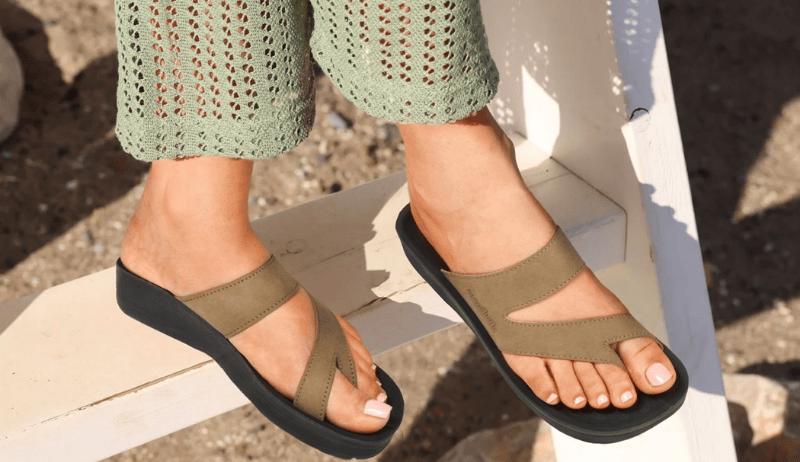
Shoes made to be strong and steady can help with this problem. This is where well-made women's clogs can really help by giving both comfort and support for wearing them inside for a long time.
The Problem With Flat House Shoes
Flat bottoms might feel normal, but they don't support the foot's natural curve. Without any lift or shape, the curve falls flat with each step. This falling puts stress on the parts of the foot and makes the ankle unstable.
Over time, flat house shoes teach the foot to move in a bad way. The tiredness that comes from this is not because of how much you do, but because your body is always out of balance.
Slip-On Convenience Without Structural Support
It's nice when shoes are easy to slip on inside, but being able to slip them on easily shouldn't hurt your feet. Many slip-on shoes don't hold the heel in place, so the foot slides around and has to grip with each step.
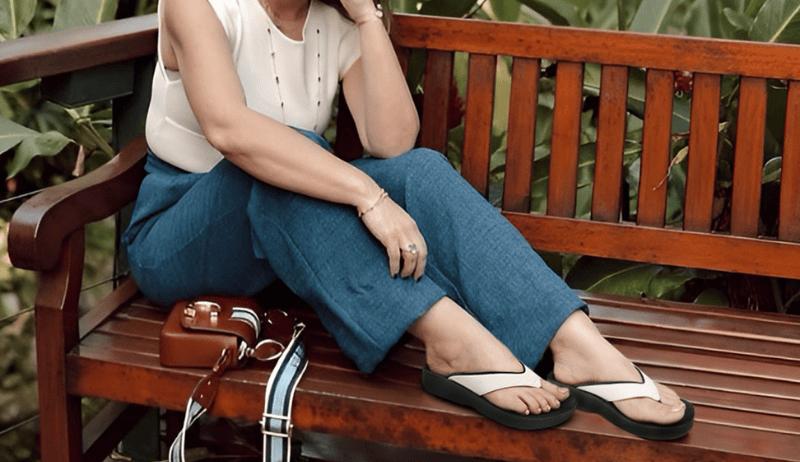
Supportive women's slip on clogs fix this problem by being strong and steady without being hard to put on. When the heel stays in place, the muscles can relax, and you save energy all day.
How Fatigue Travels Beyond the Feet
Tired feet usually lead to other problems. When your feet don't have support, your body gets out of line from the ground up. Your knees turn in, your hips tilt, and your lower back has to make up for it.
This chain of events shows why house shoes that don't give support can make your whole body tired. Fixing the support for your feet often makes you feel better in more places than just your feet.
Cushioning Alone Is Not the Answer
Soft padding feels good at first, but if there's no support, your foot moves too much. The foot sinks down instead of staying steady, so the muscles have to work all the time.
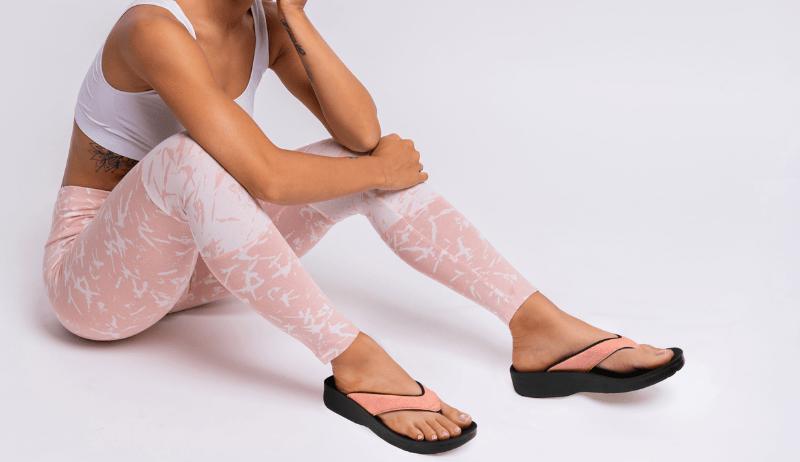
Real comfort comes from shoes that are both soft and supportive. Well-made comfort clogs have cushioning that controls movement, so they soften impact while keeping your body in line.
Arch Support and Energy Conservation
Supporting the arch is very important for feeling less tired. When the arch is supported, the muscles can relax instead of working hard to hold its shape. This relaxation saves energy and makes you less sore.
Indoor shoes with a built-in arch shape spread out pressure evenly, which stops sore spots and helps blood flow better. This is especially important for people who stand at home for many hours.
The Importance of Structured Soles Indoors

A strong bottom gives a steady place to move. It stops too much bending while still letting you move naturally. This balance keeps your joints safe and stops you from getting too tired.
Clogs give you support that work inside and have the support you need for wearing them a long time. This kind of support is very helpful on hard floors.
Why Material Quality Influences Fatigue
What shoes are made of affects more than just how they look. Cheap materials get flat quickly, so they lose their support and shape. Once they're flat, the shoes can't help you move the right way anymore.
Good options, like Genuine Leather Clogs, stay strong for a long time. Strong materials fit your foot without getting flat, so they give support all the time and keep you comfortable for a long time.
Daily Habits That Increase Indoor Foot Strain
Staying still for extended times, walking while on the phone, or going without shoes on hard surfaces can make your feet more tired. These actions might not appear damaging, but they add to tiredness when you don't have proper shoe support.
Picking good house shoes can change these everyday things from tiring activities to easy, comfortable habits.
How Supportive Footwear Reduces Evening Exhaustion
Many say they feel much more energetic when they start wearing supportive shoes inside. This happens because your muscles don't have to work so hard to keep your foot steady.
Less muscle tension helps blood flow better and speeds up healing, so your body feels steady and not worn out at the end of the day.
Recognizing the Signs of Indoor Foot Fatigue
Typical signs are aching arches, painful heels, tight legs, and overall tiredness. These feelings often show up after you rest, not while you are moving around.
This delayed discomfort is a clear sign of tiredness from wearing house shoes without support. Fixing your footwear can solve problems that don't seem related to what you do.
Making the Transition to Supportive House Shoes
Changing over doesn't mean giving up being comfy or stylish. Today's supportive styles provide both. The trick is to pick shoes that fit the way your foot is shaped and how you usually move each day.
Wearing them a little at a time lets your feet get used to them, helping them work right again without hurting.
Long-Term Benefits of Supportive Indoor Footwear
Over time, good house shoes help reduce swelling, make your posture better, and give you more energy. They also stop foot problems from getting worse that come from lasting strain.
Buying good indoor shoes keeps your feet healthy just as much as buying good outdoor shoes does.
Reframing Comfort at Home
Real comfort is more than just being soft. It's about not feeling strain, moving easily, and saving energy. Supportive house shoes change what comfort means by fixing the main reasons for tiredness.
When shoes support your foot the right way, your whole body feels better.