Mobility hardly ever vanishes suddenly. It decreases gradually, little by little, through minor everyday choices that appear harmless at the time. One of the most typical but unnoticed things that makes mobility worse is shoes. It’s not major injuries or clear pain, but slight pressure that grows year after year until moving feels more difficult than it should.
A lot of people think losing mobility is just part of getting older. But really, the wrong shoes can make joints stiff, muscles weak, and balance bad much sooner than age should matter. Understanding this mistake about shoes is key to protecting your ability to move and stay independent for a long time.
The Hidden Cost of “Good Enough” Shoes
The problem isn’t always wearing shoes that hurt. Often, it’s wearing shoes that seem okay but don’t give enough support. Flat bottoms, wobbly insoles, and bad alignment slowly change how the body moves. Over time, these changes make steps shorter, weaken muscles that help you balance, and put more stress on joints.
When shoes don’t help the foot move naturally, the body makes up for it. Ankles don’t react as well, knees absorb more impact, and hips don’t work as efficiently. These adjustments might stop pain right away, but they slowly reduce mobility and confidence in moving.
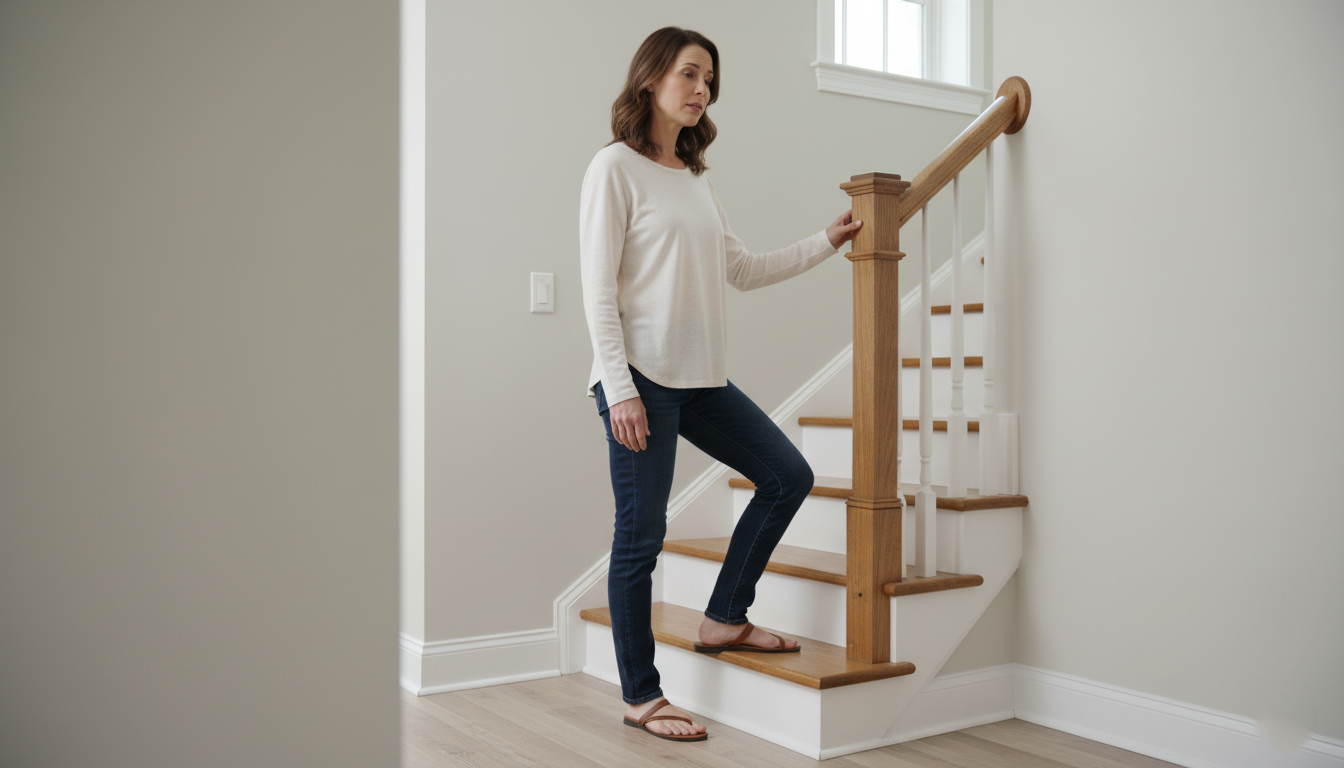
This is why many people don’t see the issue until stairs feel harder, walks get shorter, or balance feels shaky.
Why Feet Control Overall Mobility

Feet are what movement is built on. Each step starts when the foot touches the ground and ends when you push off. If this isn’t steady or efficient, the whole chain of movement is affected. Bad shoes mess up this process by limiting natural movement or forcing the foot into an unnatural position.
Supportive shoes help with proper weight shift and muscle use. Without them, muscles get weak from not being used enough, while joints take on too much stress. Over time, this imbalance makes you less flexible and able to last.
This is especially important for people who stand or walk a lot. Shoes that don’t help movement the right way can make even everyday tasks feel tiring.
The Slow Breakdown of Balance and Strength
Balance isn’t just about the inner ear or how strong your muscles are. How steady your feet are is also very important. Shoes with wobbly bottoms or not much structure reduce how much you feel the ground, making it harder and slower to correct your balance.
When balance gets worse, people without thinking limit movement to avoid pain or falling. This causes less activity, which makes muscles weaker and joints stiffer. This keeps happening quietly until moving feels difficult.
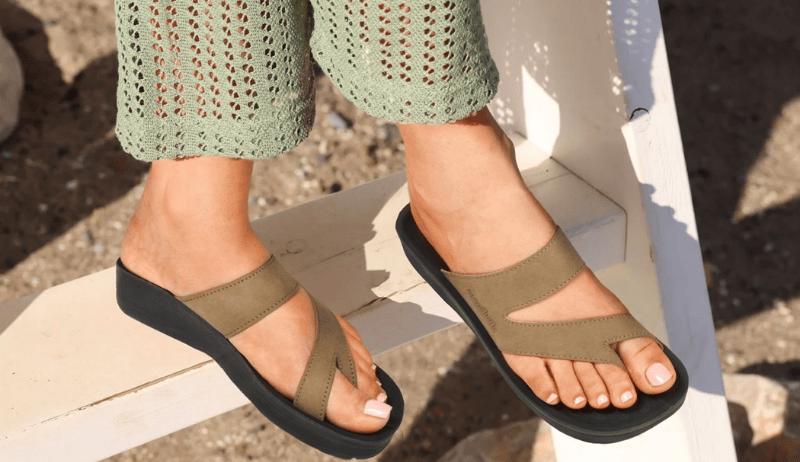
Well-made orthopedic sandals can stop this from happening by making you more stable and helping you move confidently during daily activities.
Cushioning Alone Is Not the Solution
Many people think softer shoes are better for moving, but too much cushioning without support often makes things worse. When the foot sinks into a soft bottom, muscles that help you balance have to work harder to keep you steady.
Real support is when controlled cushioning is combined with firm guidance. The foot should feel supported, not like it’s being swallowed by the shoe. This balance lets muscles work naturally without getting too tired.
Comfortable orthopedic sandals that are made well do this by absorbing shock while keeping your foot aligned correctly as you walk.
How Bad Foot Position Limits Motion
How force moves through your body depends on your foot position. If your arches fall or your heels turn in, your knees turn and your hips make up for it. These changes make you less efficient and wear down your joints more.
Over time, a bad position causes stiffness and pain that makes you not want to move. People walk less, stretch less, and don't do things they used to like. You lose movement, not because your body can't, but because it's not supported.
Shoes made to follow your foot's natural position help keep your joints healthy and let you move freely. This is very important for women, because their feet and the way they walk often need special support.
Why Women Are More Likely to Make This Error
Shoes for women have usually cared more about how they look than how they work. Shoes often have narrow toe areas, thin bottoms, and not much arch support, even everyday shoes. These designs slowly weaken foot muscles and make them less stable.
As foot structure changes with age, pregnancy, or hormone changes, shoes without support become even more of a problem. Things that used to feel okay start to feel hard.
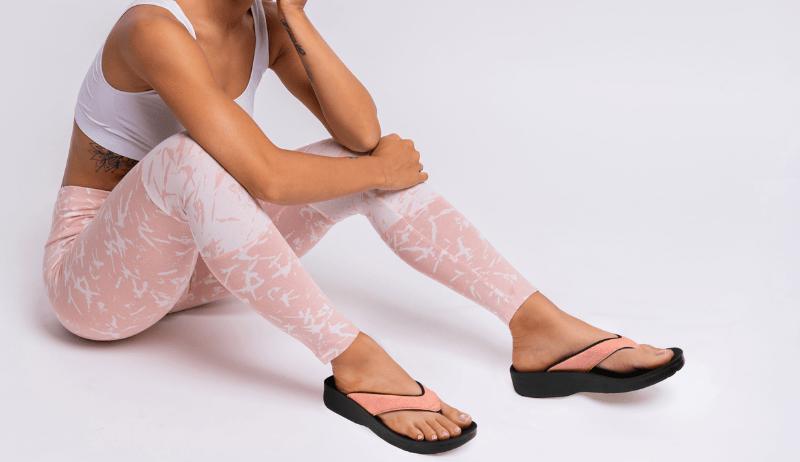
Choosing comfy orthopedic sandals for women helps with these structure problems without losing everyday comfort or good movement.
How Not Supporting Arches Affects Movement
Arch support isn't about being hard; it's about giving direction. When the arch falls with each step, the foot can't spring like it should. This makes walking harder and more tiring.
Without good support, muscles get tired faster and joints take more impact. Over time, this makes you walk slower and take shorter steps, which are both signs of less movement.
Supportive sandals help the arch work right, helping the foot act like a moving lever instead of a falling platform.
How Wrong Ideas About Style Add to the Problem
Many people don't wear supportive shoes because they think of them as old-fashioned or big. This wrong idea keeps them in shoes that hurt their movement.
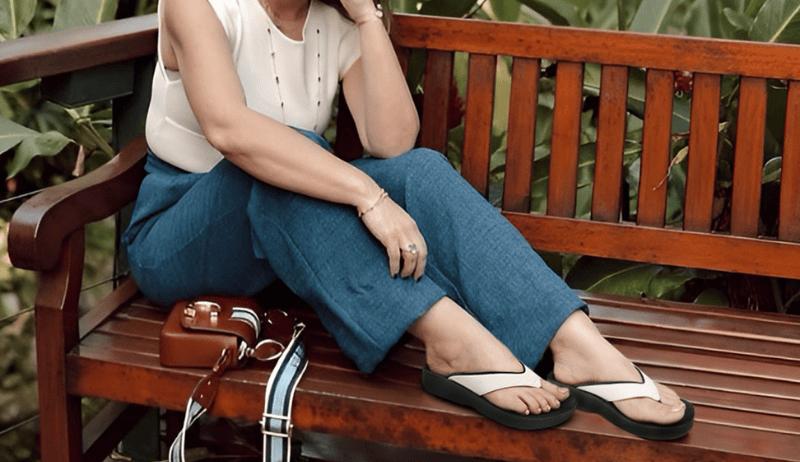
Modern stylish orthopedic sandals change this idea by mixing support for your body with good looks. When people feel good about their shoes, they are more likely to wear them all the time.
Being consistent is key. Protecting movement only works if you wear supportive shoes often, not just sometimes.
How Everyday Shoe Choices Play a Part
You don't just lose movement when you work out or hike for a long time. It's shaped by everyday actions like cooking, shopping, and going to work. Wearing shoes without support during these actions adds up stress over time.
Even short times of being unsteady add up when you do them every day. Choosing supportive sandals for everyday wear can greatly lower the total strain.
This is why the most helpful shoe changes often happen not when you're doing sports, but in the shoes you wear for everyday life.
Reclaiming Mobility Through Better Foot Support
The good news is that if your shoes are causing you to lose your ability to move, you can usually get it back, especially if it's just starting. When your feet have the right support, your muscles get stronger again, your joints can move more easily, and you have better balance.
Sandals that give good support help you walk normally again, which means you don't have to move in ways that make up for it, and it encourages you to be more active. As it gets easier to move, you feel more sure of yourself, which helps you keep moving in a healthy way.
The right shoes don't just stop you from getting worse; they actually help you keep moving well for a long time.
Choosing Footwear That Protects Your Future Movement

The important thing to remember if you want to avoid making this mistake that can make it harder to move is to pick your shoes carefully. Shoes should help your body stay in the right position, let you move naturally, and keep you steady without being too stiff.
When shoes are designed to give you support, it lets your body move well, which saves energy and puts less stress on you. Over time, this means you can keep going for longer, move more smoothly, and stay independent.
Buying good shoes isn't just about treating yourself; it's about making sure you can move easily and feel confident for many years.
Walking Forward With Confidence
Being able to move is one of the most important parts of being healthy, but we often don't think about it until we start to lose it. The shoes you pick today affect how you'll move in the future.
If you avoid shoes that don't give you enough support and start wearing sandals that are made to be supportive, you can protect your joints, make your muscles stronger, and keep your balance. When your feet are well supported, moving feels normal again.
Picking the right shoes doesn't just stop you from feeling pain; it protects your ability to move freely, discover new things, and live an active life at every age.