Days with little activity can seem like days of rest for the body. You might not be going to work, doing tasks, or walking much, so it seems clear that your feet should feel better. But many people see the opposite happen. Their feet hurt more, feel tight, or seem extra tired on days when they mostly stand still or move very little. This isn't just by chance, and it doesn't mean your feet are weak. It means the foot is made to move, not to stay still.
To know why low-activity days make your feet hurt, you need to think about more than just steps and exercise. The issue isn't just a lack of moving, but how less movement messes up blood flow, muscle use, and how things are held together. When this happens a lot, even at home, picking the right shoes becomes very important instead of just an option.
This article will explain what really happens inside your feet on low-activity days and how good support can make you feel better, keep your feet healthy for longer, and make moving each day feel easier again.
The Foot Is Built for Dynamic Motion, Not Inactivity

The human foot has 26 bones, many joints, and a complicated system of muscles and tissues that connect things. This structure changed over time to keep adjusting to different surfaces and amounts of weight. Walking, even slowly, keeps these systems working and ready to respond.
On low-activity days, the foot loses this natural flow. Muscles that usually tighten and relax with each step stay partly tight for a long time. Joints are kept in small ranges instead of moving as much as they can. Blood doesn't flow as well because the muscles in your calf and foot aren't working as good pumps anymore.
Over time, this lack of moving around leads to tightness and pain. Many people think this is just being tired, but it's actually a kind of not being used enough. The foot is working less overall, but the work it does is not efficient and causes stress.
Why Standing Still Can Be Harder Than Walking
One of the most misunderstood things about foot pain is the difference between walking and standing still. Walking spreads weight across the foot in stages, letting different parts rest while others are working. Standing still makes the same parts hold weight all the time.
On low-activity days, people often spend a lot of time standing in kitchens, offices, or at home. Without moving, the arches get constant pressure from above without any break. Small muscles that help keep you steady have to stay working to keep you balanced, which leads to a slight tiredness that slowly grows all day.
This is why feet might hurt more after a day of not moving much than after a long walk. The problem isn't how hard you're working but the weight that stays in one place.
Reduced Circulation and the Feeling of Heaviness
Moving around is really important for keeping blood flowing well in your legs. When you take steps, your muscles squeeze and help push blood back up to your heart. If you aren't moving much, this process doesn't work as well.
When you don't move much during the day, blood and fluid can gather a bit in your feet and ankles. This makes them feel heavy, tight, or a little swollen by the end of the day. Even if you can't see the swelling, your soles and heels can feel more sensitive because of the pressure inside.
Shoes that don't have much support can make this worse because they let your foot flatten out too much. This makes it harder for blood to flow properly through the squeezed tissues.
How Arch Fatigue Develops Without You Noticing
The arch of your foot isn't stiff. It's made to bend and use energy when you move. When you walk, your arch squishes down and bounces back naturally. But when you stand still or don't move much, it doesn't bounce back as much.
When you're not very active, your arch often stays a bit squished or stretched out for a long time. This makes it slowly get tired instead of hurting suddenly. By the time it starts to hurt, the tissues have already been stressed for hours.
That's why it's important to wear shoes with good support, even when you're "not doing much." Your arch can get strained even if you're not doing hard activities.
The Home Footwear Trap
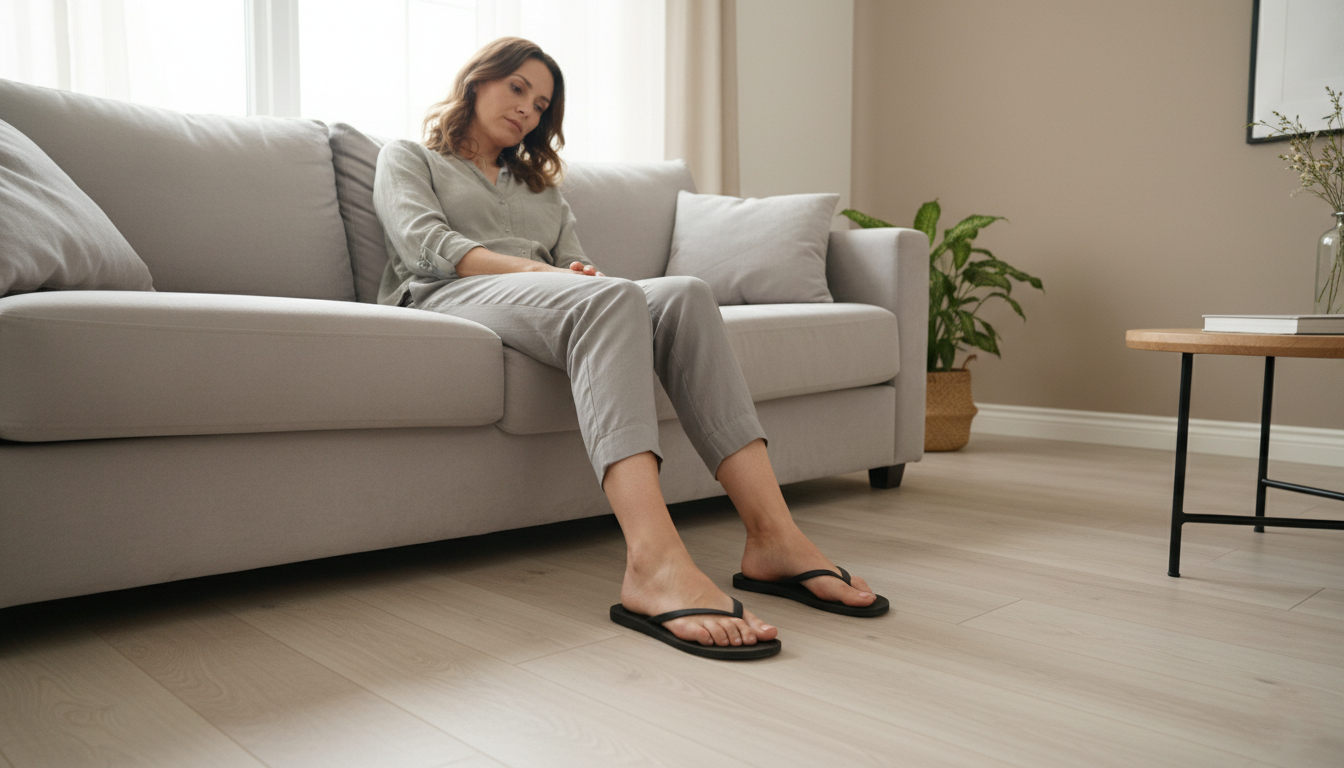
A lot of people only think about wearing supportive shoes when they go outside. At home, they usually switch to flimsy sandals or completely flat shoes that don't give much support. These feel good at first because your foot is free, but being free without support can quickly cause problems when you're not moving much.
Flat sandals make the muscles in your foot work too hard to keep you steady. Thin soles don't cushion your foot, so the pressure from hard floors goes straight into your heel and the front of your foot. Over time, this makes the strain worse instead of better.
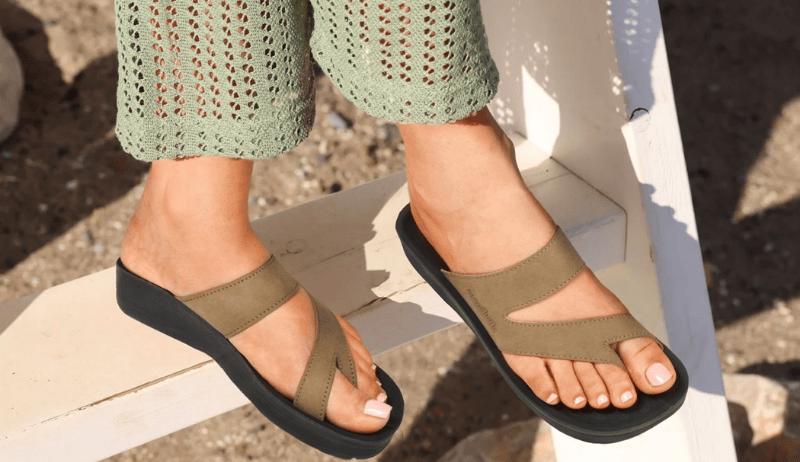
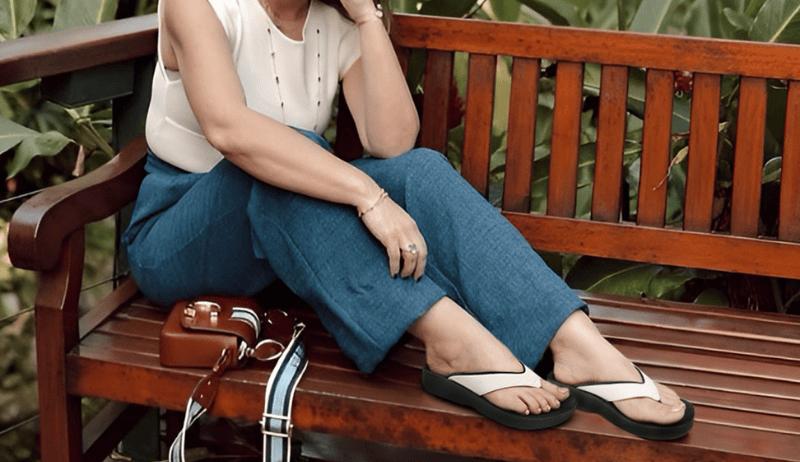
Wearing orthopedic flip flops at home can help keep your feet lined up properly and make them less tired without losing comfort. These kinds of shoes support the natural shape of your foot while still being easy to wear and letting your feet breathe.
Why Support Matters More When You Move Less

It might seem strange, but supportive shoes are even more important when you're not moving around as much. If you move less, your muscles don't do as much to protect your joints and soft tissues. So, your shoes need to help out by giving you support and keeping you steady.
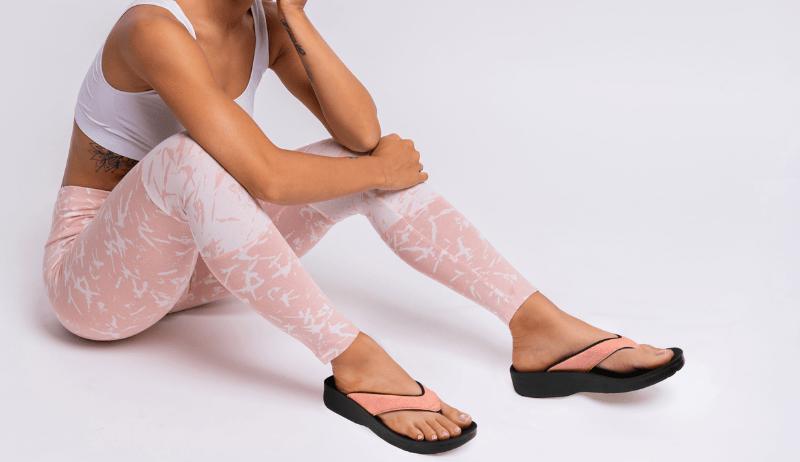
Flip flops with arch support help distribute pressure more evenly across the sole. This reduces the burden on any single area, especially the heel and arch, which are most vulnerable during prolonged standing.
Supportive shoes also help your foot move a little, even when you're mostly standing still. These small movements help keep your foot from getting stiff and make you more comfortable overall by keeping your tissues gently working instead of locked in place.
The Role of Footwear in Preventing Long-Term Issues
Days with little activity are not just single happenings. For many individuals, these days make up a big part of life, especially with working from home and being inside more. When the feet are quietly strained over time, it can lead to ongoing problems like pain in the arch, sensitive heels, and tired feet in general.
Consistently wearing flip flops that support the arch during times of little movement can lessen this build-up of stress. Good support helps keep the body working better, which protects not just the feet but also the knees, hips, and lower back.
Having healthy feet is usually not about big injuries. More often, it comes from small, repeated choices made every day.
Comfort Should Not Mean Compromise
People often think comfort is only about how soft something is. While soft cushioning feels nice at first, it doesn't always give the foot what it really needs. Good structure, alignment, and controlled movement are just as important.
Flip flops with support balance being comfortable with working well. They let the foot relax without falling flat, which is very important during days with little activity. Instead of making the foot work harder to stay steady, they share the weight in a smart way.
This method lessens tiredness and helps the foot feel new instead of worn out by the end of the day.
Why Women Experience These Issues More Often
Women are more likely to have foot pain on days with little activity because of a few things. Differences in foot shape, how hormones affect body tissue, and long-time shoe habits all play a part.
Many women change between shoes with lots of support and shoes with very little support, depending on where they are. On days with little activity at home, the lack of support is more obvious because the foot is not being protected by supportive shoes worn outside.
Choosing women’s flip flops made with good support can help close this difference. These options consider the foot shape needs of women while still being easy to wear and use.
Small Adjustments That Make a Big Difference
Making feet feel better on days with little activity does not need big changes. Knowing what is happening is the first thing. Realizing that rest days still put stress on your feet lets you make better choices.
Wearing supportive shoes inside, moving gently throughout the day, and not standing still for long times all help. When done together, these habits lessen stress and help keep feet healthy for a long time.
Taking care of feet is not only about getting better after hard activity. It is also about protecting your feet during the calm, seemingly easy parts of life.
Rethinking Rest for Your Feet
Days when you do not move much are not harmless for your feet. They cause a different kind of strain that we usually do not see until it hurts all the time. Knowing this helps us make better choices about shoes we wear every day.
Your feet do not always need hard work, but they do need careful help. When you move less, good structure in your shoes matters even more. By picking shoes that work with how your feet are supposed to move, you can make easy days real rest days instead of secret pain days.
Strong feet come from doing the right things regularly, not from doing a lot all at once. Helping them well, even when you are not very active, is a great way to stop pain from happening later and to stay comfy every day.