Keeping your balance is something people usually don't think about until it starts to get worse. As people get older, it becomes harder to stay steady when standing and walking, not because the body suddenly stops working, but because many little changes build up slowly over time. Muscles get weaker, it takes longer to react, joints become less flexible, and the feeling in your feet becomes less accurate.
Out of all these things, the shoes you wear have a much bigger effect than people realize. The shoes you use can either help your body's natural ability to balance or make it slightly harder. Knowing how shoes affect balance is one of the most helpful things you can do to keep moving easily, feel confident, and stay independent as you age.
This article looks at how getting older changes balance, why your feet are so important for staying steady, and how picking the right shoes can greatly lower your risk of falling and make it easier to move every day.
Why Balance Changes Naturally As You Get Older
Balance relies on the combined effort of three key systems: sight, the inner ear, and knowing where your body is and how it's moving. The feet are very important for knowing where your body is because they constantly send information about how things feel, how much pressure there is, and how things are lined up.
As people age, the feeling in their feet can get worse. This makes it harder to notice small shifts in weight or uneven surfaces. The muscles that keep your ankles and arches steady may get weaker, and joints may not react as well. These changes don't happen suddenly, but together they can make it feel like you have less automatic control of your balance.
Shoes that don't help these systems can make you feel even less steady, while shoes that offer support can help make up for the changes that come with age.
The Foot as the Foundation of Stability

Every movement starts at the ground. Your feet are what support your entire body, and even small changes in how your feet are aligned can change your balance. When your foot is steady, your body can make easy adjustments to stay upright. When your foot is not steady, your body has to work harder to stay balanced.
As feet get older, the height of the arch, how well the joints move, and how thick the padding is can change. These changes make it harder to absorb shocks and change how pressure is spread out. If you don't have the right support, your foot might roll too far in or out, making you less stable, and this can affect your whole body.
Shoes that have structure help keep your foot steady, which lets your balance system work better.
How Poor Footwear Increases Fall Risk
Falling down is one of the most serious health risks that come with getting older. People often talk about eyesight and muscle strength, but they often forget about shoes. Shoes that are too soft, too flat, or don't fit well can make you more likely to fall because they make it harder to feel the ground and allow too much movement.
Soft soles might feel good, but they can make it harder for your foot to feel the ground. Flat shoes without support make your muscles work harder to stay aligned, which leads to tiredness and slower reactions. Designs that are slippery or unstable make it even more likely that you'll stumble.
Shoes that provide support give you a steady base that makes you more aware of the ground and reduces extra movement.
The Importance of Arch Support for Balance
The foot's arch is very important for keeping you steady. It works to soak up impact and helps spread your weight equally. If the arch caves in when you put weight on it, your foot is not as steady, and it's harder to balance.
As you get older, the parts that hold up your arch may get weak. If you don't get help, this can cause your foot to roll inward too much and your weight to be unevenly spread. These changes make it tougher to quickly react to changes in your balance.
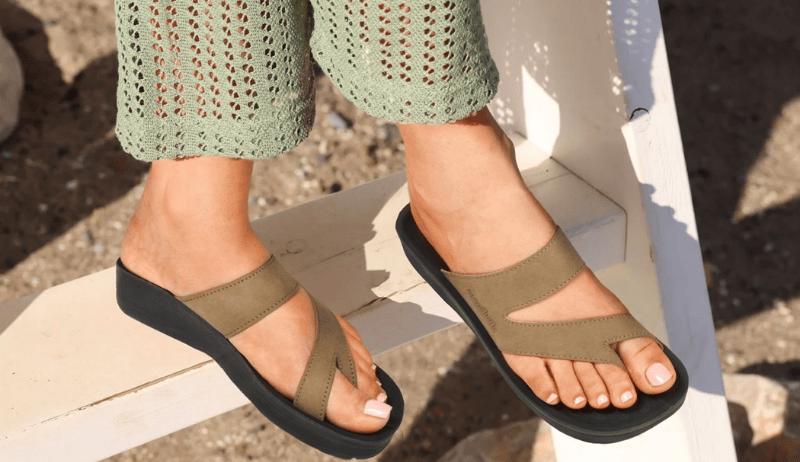
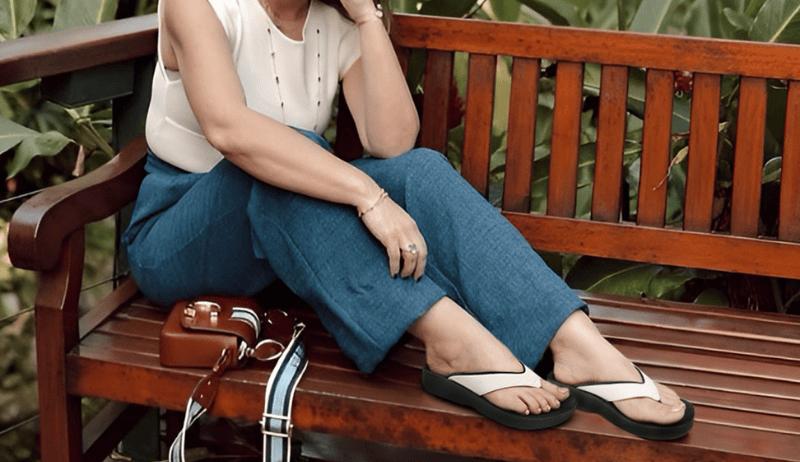
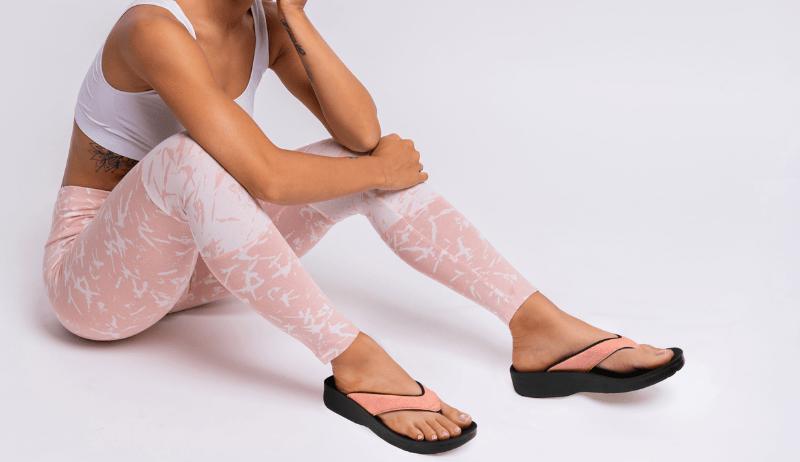
Comfortable sandals made to support your feet are made to hold up your arch in a way that lowers stress and makes you more steady when you stand and walk.
Ankle Stability and Controlled Motion
Your ankles are key for fixing your balance. Small moves at the ankle help you not fall when your body is on bumpy ground or your weight suddenly shifts. As ankles age, they might not move as far or be as strong, so they react slower.
Shoes that let your foot move too much from side to side make your ankle work harder. Over time, this can make you tired and react slower to keep you upright.
Sandals made to support women's feet often have features that keep the back of the foot steady, helping you move more safely and surely.
The Role of Sensory Feedback From the Feet
The bottoms of your feet have many nerve endings that tell you about pressure and the ground you're on. This information helps your brain control how you balance.
Shoes with very thick or soft bottoms can lessen this information, making it harder to feel changes in the ground. Since feeling things gets harder as you age, keeping as much feeling as you can is very important.
Well-made supportive sandals balance being soft with letting you feel the ground, so your foot feels steady but still safe.
Posture, Alignment, and Balance
Balance is closely linked to how you stand. When your feet are lined up right, your body can stack your joints well, lowering stress and making you more steady. Bad shoes mess up this alignment, making your body make up for it.
If your feet are not lined up, your hips can tilt, your spine can change shape, and your head can move. These changes make it slower and harder to fix your balance.
Supportive sandals help line up your feet, which helps you stand straighter and more balanced all day.
Confidence and the Fear of Falling
Balance is not just about your body. Feeling sure of yourself is a big part of how you move. After slipping or falling, many people get nervous, which strangely makes them more likely to fall because they change how they walk.
Supportive shoes can make you feel sure of yourself again by making your feet feel steady. When people trust their feet, they move more naturally and react better when they lose balance.
Nice-looking supportive sandals help with this mental part by giving support without looking bad, so people will wear them often.
Standing Still and Balance Control
It is not just when you walk that you need to balance. When you are still, your body always makes tiny shifts to keep you upright. As you get older, your muscles and joints might get tired faster when standing still, which can cause wobbling and pain.
Shoes that do not have good structure make it harder to stay steady. Over time, feeling tired makes it harder for your body to react if you suddenly lose your balance.
Sandals that give good support lower the amount of work your muscles do to keep you steady, making standing and walking safer.
Surface Adaptation and Everyday Environments
We walk on different surfaces every day, like tiles, sidewalks, rugs, and bumpy ground. Older people may take longer to get used to these changes, which can make them more likely to lose their balance.
Shoes that have a steady base and good support help your body change to different surfaces more easily. Being able to do this is key to staying independent and feeling sure of yourself when you are out and about.
Specially made sandals are created to give you the same level of steadiness and support no matter where you are walking.
Long-Term Mobility and Independence
Your ability to balance is closely tied to how independent you are. If you have trouble staying steady, you might not move around as much, which makes you lose muscle faster and worsens your balance. This can really affect your life.
Choosing shoes that offer good support is a good way to help you keep moving freely. By making things easier on your body and helping you stay steady, the right shoes help you keep living an active life.
You should think of shoes as something that helps your health in the long run, not just something that makes you feel good for a short time.
Why Style Still Matters

Many people do not want to wear supportive shoes because they think they look big and ugly. Because of this, they might not wear them all the time, which means they do not get the full benefit of the support.
Modern supportive shoes understand that how they look is important. If shoes look good, people will wear them more often, which means they will get the best protection.
Stylish sandals made for support combine looking good with working well, helping you balance without giving up your personal style.
A Preventative Approach to Aging Well
Balance problems often appear slowly over time. If you wait until you really notice you are unsteady, it is harder to fix. It is much better to take steps to prevent problems before they start.
Supportive shoes make it easier on your body's balance systems every day and help make up for changes that come with age before you fall or get hurt.
Choosing the right shoes now can really help you stay active and feel confident for years to come.
Stability Starts at Your Feet
Getting older does not have to mean losing your balance or your independence. While some changes are unavoidable, you can deal with many of them if you have the right support. Shoes are very important for how your body moves, reacts, and stays upright.
By picking shoes that help with how your body is lined up, how steady you are, and how you sense the ground, you give your body what it needs to stay balanced. The right shoes do more than just protect your feet; they help your whole body move better.
When you have a steady base, every step you take is safer and makes you feel more confident.