Endurance is typically talked about when discussing athletes, long workdays, or lifestyles that require a lot of physical effort. However, everyday endurance is just as important. It's about how long you can stand without being uncomfortable, how energetic you feel in the evening, and how well your body handles daily activities over weeks and years. One thing that greatly affects this type of endurance but often gets overlooked is what you wear on your feet.
Many people concentrate on how active they are, their posture, or how fit they are overall, but they don't think about what is supporting them with every step they take. What you wear on your feet quietly determines how forces travel through your body, how well your muscles work, and how quickly you get tired. When shoes or sandals don't give enough support, your body tries to make up for it in ways that use up energy and increase stress.
Knowing how footwear affects everyday endurance is not about following the latest styles. It's about understanding how constant, low-level stress can affect how comfortable you feel, how well you perform, and the long-term health of your feet.
Everyday Endurance Is Built on Repetition, Not Intensity
Unlike athletic endurance, everyday endurance is built up by repeatedly standing, walking, and doing small movements. Trips to the grocery store, chores around the house, commuting, and time spent at work all add to the total stress on your feet.
When footwear does not provide enough support, your foot has to handle and manage this stress on its own. Over time, small problems add up. Muscles get tired more quickly, joints experience uneven pressure, and the body uses more energy to stay balanced and aligned.
This is why people often feel more tired after a normal day than after they exercise on purpose. The difference is how much support the body gets during repeated, low-impact movement.
The Foot as the Foundation of Endurance
The foot is the first part of your body to touch the ground, and it does more than just help you move. Each step starts a chain reaction that affects your ankles, knees, hips, and spine. When the foot works well, movement feels natural and doesn't take as much effort.
Footwear is very important for this efficiency. Good design helps guide movement, spread out pressure, and reduce unnecessary muscle use. Without this support, the foot becomes less stable, and other muscles have to work harder to compensate.
This compensation uses more energy. Even if you don't realize it, your body is working harder to do the same things.
Why Fatigue Often Starts in the Feet
Tired feet are often the first sign that your endurance is being affected. It might start as a mild ache, stiffness, or a feeling of heaviness at the end of the day. Many people ignore these feelings as normal, but they are signs that your feet are under stress.
When footwear does not support the way your foot naturally moves, your arches might flatten too much, your heels might absorb too much impact, and your toes might have to work harder to keep you balanced. These small changes make movement less efficient and cause you to get tired faster.
Over time, this tiredness can move upward, leading to knee discomfort, tight hips, and lower back strain.
The Hidden Cost of Minimal Support

Sandals that are very simple or not made well are often picked because they are easy to wear or keep your feet cool. Even though they might feel good at first, they can make you tired faster if you wear them for a long time.
Soles that are flat do not help your foot move correctly, so your foot moves too much, and your muscles have to work harder. Thin materials do not protect your foot from hitting the ground repeatedly, which causes pain in certain spots. This not only makes your feet hurt but also slowly uses up all your energy.
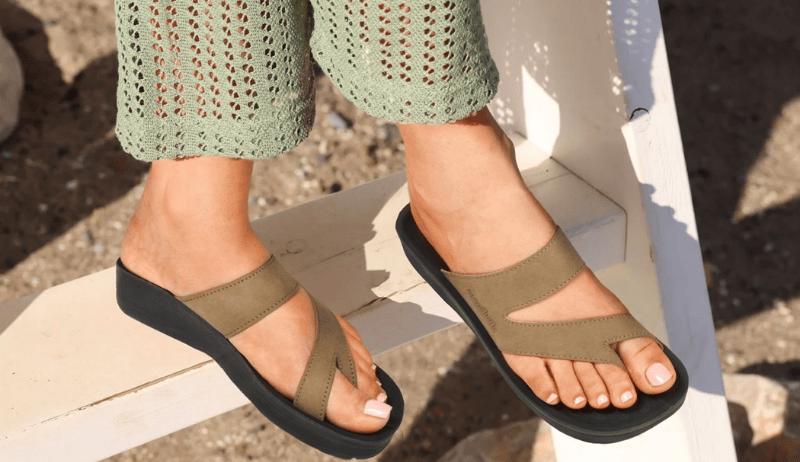
However, orthopedic sandals are made to help your foot instead of making it work harder. They are made to keep your foot in the right position and help you move without wasting energy.
Support and Energy Conservation
One of the most important things for being able to keep going is saving energy. When your body moves in a good way, it does not need as much energy to do the same thing. Shoes that help your foot stay in the right position help save energy by stopping extra movement.
Shoes that give good support keep your foot steady when you stand and move. This means your muscles do not have to make small changes all the time, which makes them tired. When your feet are steady, the rest of your body can relax and move better.
This is really important for people who have to stand or walk slowly for many hours each day.
Why Women Experience Endurance Challenges Differently
Women often have special problems with their feet getting tired because of the shoes they wear. The way their feet are shaped, how flexible their ligaments are, and the kinds of shoes they usually wear all affect how tired they get.
Many women wear shoes that are very supportive sometimes and very simple sandals other times. This can be hard on their feet, especially if they stand or walk slowly for a long time. On days when their shoes do not give them much support, they may get tired much faster.
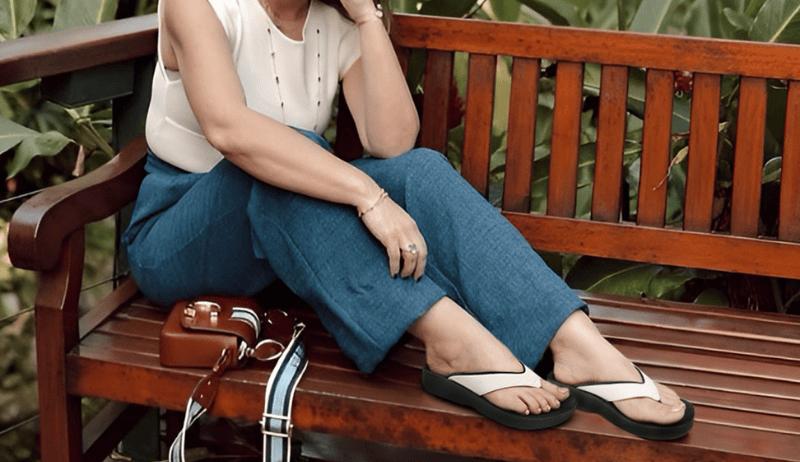
Orthopedic sandals made for women can help with these problems by always giving them the support they need to keep their feet in the right position.
The Role of Arch Support in Sustained Comfort
The arch of your foot is very important for helping your foot absorb shock. When it has good support, it helps spread out the force evenly and gives energy back when you move. When it does not have support, it can fall down when you put weight on it, which makes you tired quickly.
Sandals that do not have support for your arch make the muscles in your foot work all the time to stay in the right shape and be steady. This makes you tired faster, even when you are not doing anything difficult.
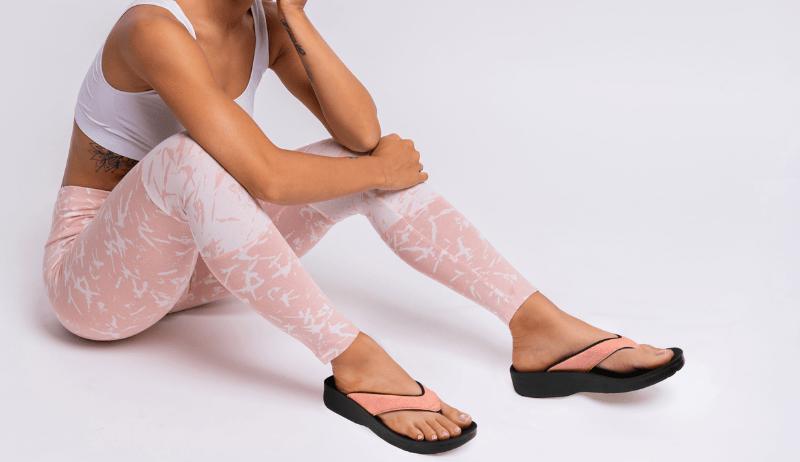
Orthopedic sandals for women that support the arch help keep the natural shape of the foot, which makes it feel better and saves energy all day long.
Cushioning Alone Is Not Enough
Soft padding is often said to be the answer to tired feet. While padding can help with the impact of your foot hitting the ground, it does not help your foot stay in the right position or be steady. Sometimes, soles that are too soft can make you even more tired because they let your foot move too much.
Real comfort comes from having both padding and support. Your foot needs to be soft enough to absorb shock, but also firm enough to help you move. This helps you keep going longer because it reduces the stress of hitting the ground and keeps your muscles from working too hard.
Comfortable orthopedic sandals are made with both of these things in mind, so they give you support without being uncomfortable to wear.
Endurance Over the Course of a Day
How long you last each day isn't about how far you go or how much time passes. It's about how good you feel from morning until night. What you wear on your feet affects whether you have consistent energy or slowly run out of steam.
When your feet have the right support, they don't get tired as quickly. This lets you stay busy longer without hurting. It also makes you less mentally tired, which often happens when your body is working hard.
Over many weeks and months, this difference really adds up. Having support all the time helps stop pain from building up slowly, which can limit what you do each day.
Long-Term Endurance and Foot Health

How long you last isn't just about how you feel today. It also affects how well your feet work as time goes on. Being tired all the time can change how you move, leading to adjustments that make you more likely to get hurt.
Footwear that helps your feet move naturally protects you from these long-term problems. By making your body work less hard each day, it lets your tissues recover better and stay strong.
The most comfortable orthopedic sandals are often the ones that focus on keeping your feet healthy in the long run, not just feeling soft right away.
Rethinking Casual Footwear Choices
People often don't think much about the shoes they wear every day because it seems like a small thing. But just because they're casual doesn't mean they don't matter. The sandals you wear when running errands, doing things at home, or hanging out with friends may be what you wear more than any other shoes.
When these sandals don't give you enough support, they slowly make you less able to last through the day. Choosing sandals that fit the shape of your foot turns everyday wear into a way to protect your feet and stay comfortable.
Small changes in the shoes you wear every day can really change how your body feels and works.
Building Endurance Through Better Support
Making yourself able to last longer each day doesn't mean you have to make big changes in your life. It starts with understanding how much your footwear affects how comfortable you feel and how much energy you have.
Sandals that give you support help spread out the weight, keep your movements steady, and make your muscles work less. Over time, this support means you'll feel less tired and find it easier to do things each day.
You shouldn't just choose footwear without thinking. It's a basic tool for staying strong and feeling good overall.
Endurance Starts from the Ground Up
How long you last each day is affected by many small choices, and what you wear on your feet is one of the most important. When shoes or sandals don't support your foot, your body makes changes to make up for it, which takes energy and makes you hurt more.
By choosing footwear that focuses on structure, how your foot is aligned, and comfort, you're helping not just your feet but your whole body. It becomes easier to last longer, moving feels easier, and everyday life takes less effort.
True comfort isn't about treating yourself. It's about helping your body work well, one step at a time, day after day.