As you wake up on the freezing winter morning — you jump out of bed and stretch only to realize that the familiar twinge in your heels and arches would be back. For anyone with flat feet, it can feel like a winter-long endurance challenge. Cold floors, rigid shoes and decreased motion can turn aching discomfort into chronic debilitating pain at times.
Time to examine what impact if any it makes to your flat feet when the temperature drops. A lot of it has to do with how your body - specifically your feet - responds to temperature shifts. From frozen or tight muscles due to lack of movement to reduced circulation, winter can exacerbate those already apparent issues that you deal with as a flat footed person. So, let’s look at the science, the symptoms of having flat feet, and mostly remedies, to make those walks through winter a greatly enhanced experience.
Understanding Flat Feet Pain in Winter
When temperatures drop, your blood vessels will constrict to help your body retain heat. Vasoconstriction, as it is called, restricts blood flow to the extremities, including your feet. A 2025 study by the American Podiatric Medical Association found that more than 62% of individuals with flat feet indicated they had more discomfort during winter months. Cold weather, or winter months, decreases circulation and causes stiffness in the tendons that run throughout your foot.
Mobility becomes even more restricted for people with flat arches. Because there is no natural arch to help contour and distribute weight, the plantar fascia (the thick band of tendons that run from your heel bone to your toes) must absorb more force. Due to the cold, when ligaments have less flexibility, the stress is only magnified, contributing to heel pain, tight calves, and soreness after standing or walking long durations.
Why Flat Feet are More Uncomfortable in Winter

Let's further explore how cold weather intensifies flat-footed symptoms:
Decreased Flexibility in Muscles and Ligaments
Cold weather decreases the elasticity in soft tissues, such as the plantar fascia and Achilles tendon. A reduction in flexibility in these soft tissues places added stress on already weakened arches.
Stiff Footwear Alternatives
Winter boots and closed shoes tend to be heavier and firmer. While sandals may offer better cushioning and arch support for indoor wear, other options for footwear offer little support for alignment.
Reduced Activity Level
In the winter, outdoor activity levels typically drop. When you are less active your muscles in the foot become weaker and as a result your arch loses strength which leads to more pain and discomfort.
Cold Hard Surfaces
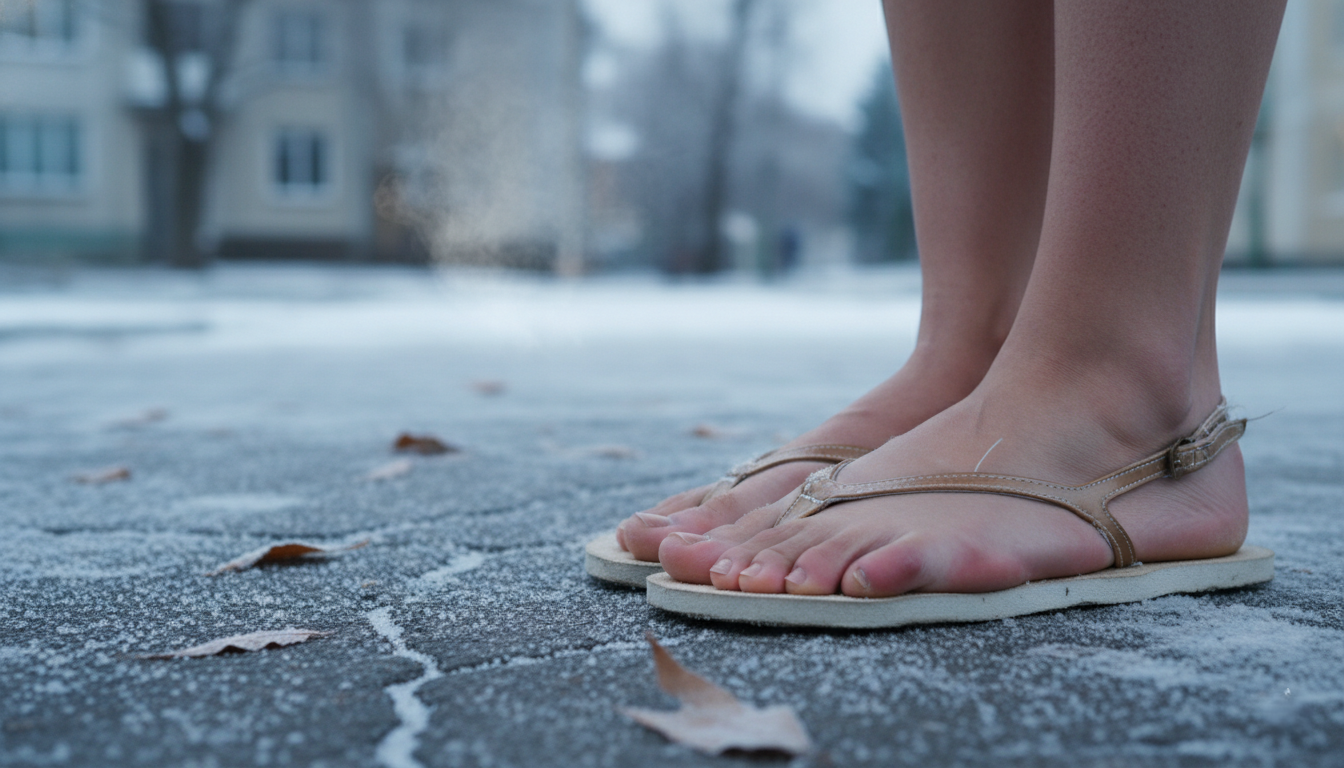
Walking barefoot on cold tile or hardwood floors feels nice and cozy for a minute, but it can add to the inflammatory response and discomfort for the long run, particularly for those with flat-footedness and women's orthopedic sandals or women's recovery sandals needs.
Recognizing the Signs Early
Flat feet mean more than arch pain — they start a chain reaction in your body. These symptoms usually worsen in the winter months:
-
Stiffness in your heels when you wake up in the morning (often confused with plantar fasciitis)
-
Pain in your knees and lower back after standing
-
Tingling or numbness in your toes from the blood not flowing properly
- Overpronation (your foot rolls in when walking)
If you do not listen to this warning sign, you could end up with sustained joint misalignment and possibly chronic pain.
Safeguarding against Flat Foot Ache — Approved Solutions by a Professional

While flat feet may not be “cured” entirely, by taking the appropriate footwear approach along with exercises or daily attention, comfort levels can be improved dramatically — particularly in winter.
1. Buy support shoes (inside the house too)
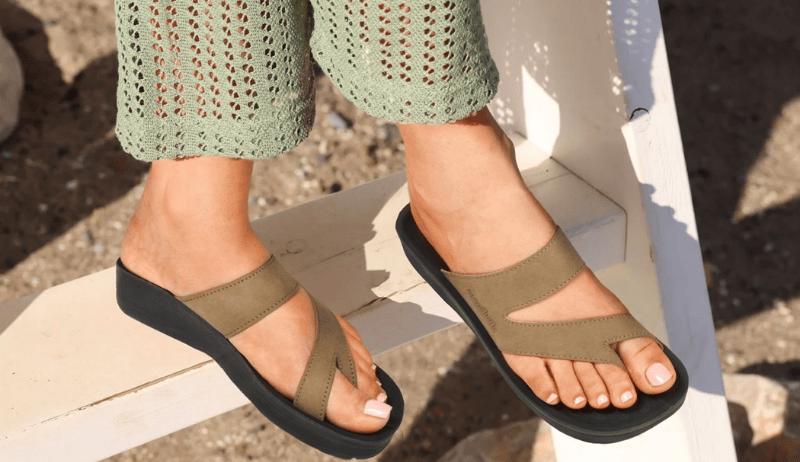
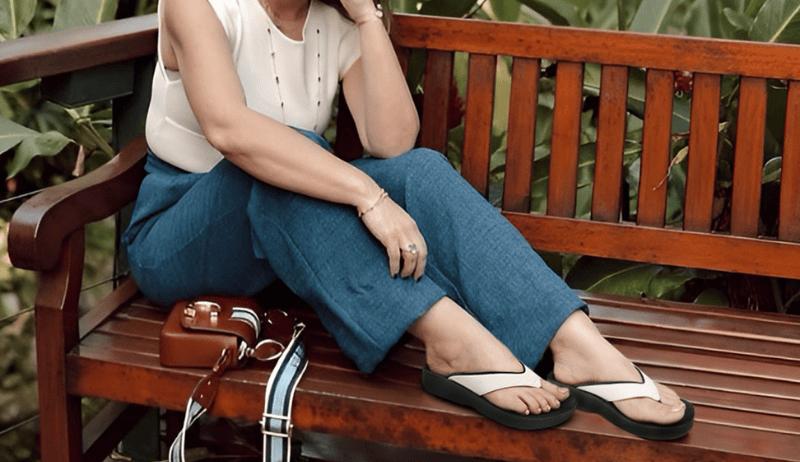
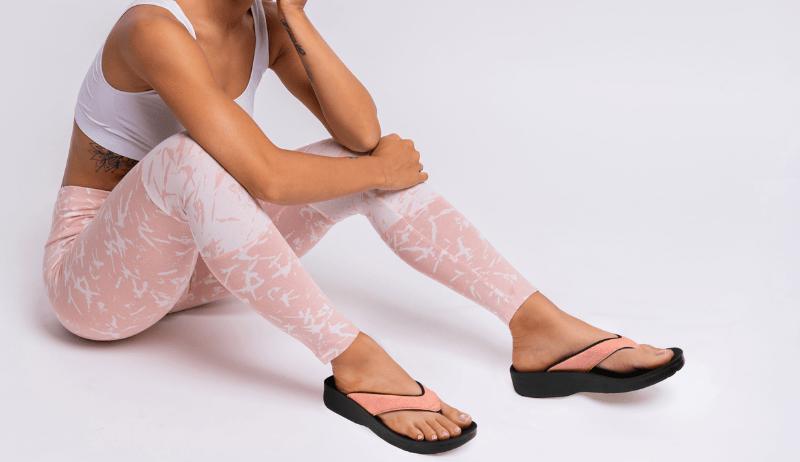
If you start wearing women’s orthopedic sandals inside, you will not believe how much that small act can help. Women’s orthopedic sandals have a contoured footbed with a raised arch, which re-aligns and redistributes weight in your foot.
For the winter cozy time (hygge) at home, instead of slippers that are flat (like a foldable shoe fit), choose a shoe that is constructed with a cushioned sole or the Arch Support sandals instead. You will benefit by getting arch control and warm feet, both great outcomes!
2. Stretch Daily
Cold temperatures can tighten your foot and calf muscles. Begin each day by doing these three simple stretches.
Towel stretch: Sit down and extend one leg. Loop a towel around your foot and gently pull your foot toward you.
Toe curls: Pick up a small towel with your toes. This will strengthen your arch muscles.
Heel raises: While standing, lift your heels up slowly and hold it then return your feet back flat to the ground.
According to the publication, Harvard Health (2025), consistent stretches for the feet may improve arch support and balance by as much as thirty percent for adults with flat feet.
3. Warm Compress
If your feet hurt at night, apply a warm compress to the foot or soak your feet in Epsom salt for ten to fifteen minutes. The warmth helps to promote blood flow and the magnesium in Epsom salt will relax tight tendons.
4. Alternate Footwear
Alternating footwear will also help and allows for a periodic change of pressure on the foot. For example, you can wear women’s recovery sandals while at home and orthotic footwear outdoors.
5. Don't Walk Around Barefoot
Especially if you're walking on a colder tile or hard floors. Walking barefoot increases the pressure on your heel and the midfoot, increasing your discomfort. Wearing soft insulated footwear with arch support provides a layer of protection that prevents your feet from excessive work load.
Mistakes Made With Winter Footwear
Wearing Heavy Unstable Boots: They restrict the flexing of your arches.
Not Changing/Updating Insoles: Wash them of course! Old insoles lose their cushiness after some time; we recommend changing them every 6 months.
Don't Walk Around Without Your Socks On: Wearing some warm socks can really help encourage circulation while keeping you flexible.
Don't Forget To Change To Seasonal Footwear: You are not taking off a summer feel. You need a good cold weather shoe that provides some kind of comfort like a sandal, because comfort is the new stability, and in cold weather, they balance the insulation and arch support.
Real-Life Experience — Finding Comfort That Lasts


Many women have experienced pain relief less through medications and more by making better lifestyle choices; consider Mariah, a 38-year-old teacher from Wisconsin:
“Every winter, by noon my feet hurt. Finally, I exchanged my indoor shoes for women’s orthopedic sandals and started a stretch routine every day. In less than two weeks, I was able to be on my feet for almost all my classes without pain.”
It is the stories like hers that drive home one powerful understanding — with some awareness and preventive behaviors, winter can be enjoyed without the feet suffering.
The Advantages of Circulation and Warmth
According to the National Foot Health Institute (2024), cold muscles can tighten which can weaken arch strength by nearly 20% during winter. When your feet are kept warm and moving gently, this promotes circulation and allows the tendon to remain flexible and able to reposition.
Invest in warm socks, heated slippers, or thermal arch support sandals. Remember: warmth is not just comfortable, it is imperative.
When to Consult a Specialist
If you have attempted all the previous solutions but still have heel or arch pain that persists, it may be time to consider seeing a podiatrist. Flat-foot pain that persists may be a sign of posterior tibial tendon dysfunction (PTTD), which is when the tendon that supports your arch becomes weak over time.
A podiatrist may offer you custom orthotics or some form of focused physical therapy. But for many, simply practicing regular care, having appropriate shoes, and being aware of how you move can lead to the remedy you were searching for.
Warm Feet, Strong Foundation
Cold temperatures do not mean you have to have painful mornings or stiff steps. Whether it is a long work day or simply running around after the kids in your house, the support of your arches with the associated flexibility can enhance your experience.
By choosing orthopedic sandals for women, recovery sandals for women, or arch support sandals the are alignment based and warm, you will not only prevent pain, but you will give your feet the foundation they deserve.
So instead of the usual dread of those first cold steps each and every morning, ask yourself this winter — what if your comfort started from the ground up?