If you experience severe pain in your heel when getting out of bed each morning, you're not alone. Plantar fasciitis is one of the most common reasons for chronic foot pain—more than 2 million Americans experience this each year according to the American Academy of Orthopaedic Surgeons (AAOS). And while it often starts out as mild pain or discomfort, it can quickly become a daily disruption to your life.
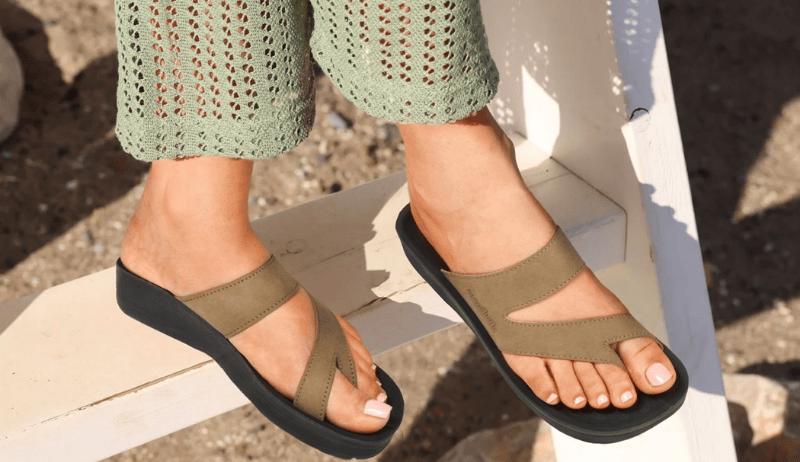
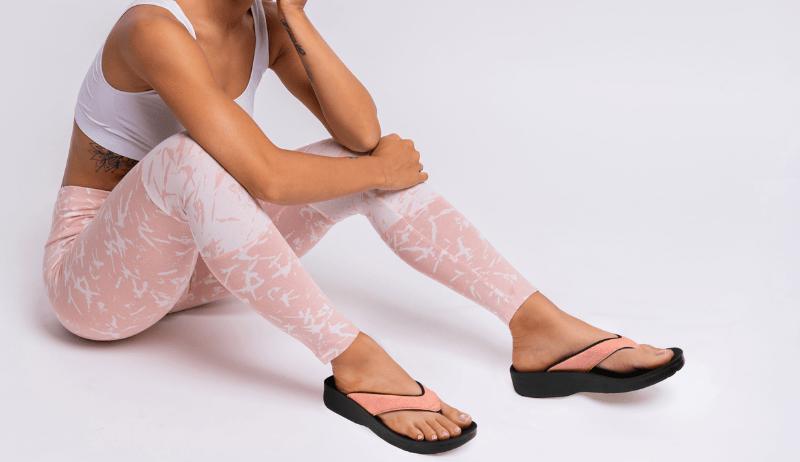
The good news? You may not need to spend money on expensive treatments or surgery. Many people report that they found long-lasting relief from plantar fasciitis with simple, science backed, home remedies and supportive footwear such as Women's Orthopedic Sandals, women's recovery sandals or Arch Support sandals. So, let's take a look at the true cause of Plantar fasciitis and three home remedies—backed by evidence—that can alleviate your heel pain once and for all.
What Causes Plantar Fasciitis?

The plantar fascia is a thick tissue band that connects the heel bone to the toes. Overstretching, overusing, and straining the plantar fascia can create small tears that inflate, creating a stabbing pain that is usually the most intense first thing in the morning.
The Cleveland Clinic reports the most common causes include:
- Projected actions for long periods of time, especially on hard surfaces
- Wearing flat, unsupportive shoes (for example: old flip-flops and thin flats)
- Overusing- such as exercising, running, or any sudden increase of activity level
- A tight calf muscle or Achilles tendon
- The wear and tear of age, generally after the age of 40
Women have a higher risk because of the choice of fashionable, non-supportive shoes, pregnancy-related weight gain, and standing for prolonged periods of time.
Symptoms Breakdown: When to Pay Attention
If you're not sure if your foot pain is plantar fasciitis, here are some indicators to look for:
- Pain on the bottom of the heel, particularly in the morning
- Pain after relatively long periods of sitting/standing still
- Pain that tends to get worse after standing or climbing stairs
- Stiffness in the arch of your foot
- Pain decrease while sitting/wearing cushioned shoes.
Ignoring these early signs could manifest into an ongoing inflammation in addition to causing structural changes to your fascia.
3 Home Remedies for Plantar Fasciitis (Supported by Research)
1. Stretch and Strengthen: Recover from the Ground Up
One of the simplest and most effective treatments involves stretching your calf muscles and plantar fascia. Stretching will help with flexibility, reduce tension, and enhance blood flow for healing.
Calf Stretch (Wall Stretch):
Place your hands on a wall with one foot forward and one foot back, and gently stretch your calf. Hold for 30 seconds and repeat three sets of 30 seconds per leg.
Plantar Fascia Stretch (Towel Pull):
Before getting out of bed, simply take a towel and pull your toes toward your body. This stretch is gently getting the fascia ready before taking your first steps.
Rolling Massage:
Take a tennis ball or a frozen water bottle and roll it under your foot for 5 minutes every day. Research from The Journal of Orthopaedic & Sports Physical Therapy found that people who rolled were able to report less pain and improve flexibility over time.
Pro Tip: Combo any of these stretches with Arch Support sandals when at home to prevent injury again! Lightly cushioned heel and arch support while walking!
2. Wear Proper Footwear: Where Comfort Meets Recovery
A major error people often make is wearing non-supportive shoes during recovery. According to Mayo Clinic, having shoes with sufficient arch support and cushioning alleviate stress on the plantar fascia significantly.
When looking for your relief, you want to look for:
- Deep heel cups for stability
- Firm midsole arch support for your foot to be aligned
- Shock-absorbing outsoles to help buffer the heel
Women’s Orthopedic Sandals and women's recovery sandals are made specifically for these purposes; they hold your arches and provide the additional support where you need it, unlike ordinary flip flops.
💬 Professional Opinion: Dr. Megan Leahy, a podiatrist from the Illinois Bone & Joint Institute, explains that an “orthopedic footwear habit can lower strain and inflammation by distributing body weight evenly.”
In short, it is not a comfort option to put on orthopedically designed sandals; it's a treatment option.
3. Use the RICE Protocol: Rest, Ice, Compression, Elevation
The RICE protocol remains one of the most effective home remedies for inflammation in your foot.
Rest: Don't run or stand too long. Allow time for your fascia to heal.
Ice: Use an ice pack for 15-20 minutes, 3-4 times per day to decrease swelling.
Compression: A soft bandage or compression sock provides support and helps circulation.
Elevation: Place your foot on a pillow to decrease fluid buildup around the tissue.
In a 2023 Journal of Foot and Ankle Research review, it was reported that continuous application of ice and proper elevation reduced heel pain intensity up to 60 percent in chronic cases.
When you combine RICE management with supportive sandals and gentle stretching, you can get back to activity quicker!
Bonus Tip: Splints & Supports for Night time
If you're still experiencing pain in your heel area, splitting the arch or day splinting will hold your foot up and keep your fascia from tightening overnight. The plantar fascia will not able to re-tighten while you sleep if your foot is in a relaxing position. You can find. Ortho green-life type sandals or over-the-counter orthotics to make a slight difference with arch support to keep your arch in the right position during regular rhythms of activities.
Stop Plantar Fasciitis from Reoccurring

The major objective once your heel pain improves is to prevent it from returning. This is what podiatrists recommend:
- Avoid walking barefoot on hard floors.
- Purchase orthopedic footwear.
- Manage weight to prevent excess pressure from your heels.
- Warm-up prior to workouts.
- Stretch every day; even if you have not been in heel pain.
And lastly, wear supportive footwear year-round and ladies should wear recovery sandals during the warm months.
When to Consult a Doctor
Consult a podiatrist if your pain continues for six weeks despite home care. Chronic plantar fasciitis can cause heel spurs as well as chronic inflammation that may require medical treatments, including physical therapy or corticosteroid injections.
The Science of Healing One Step at a Time
While plantar fasciitis really can feel like it lasts forever — it does not have to take forever. With sustained stretching, supportive footwear, and self-care habits, you can heal. Science will back that up: small daily changes will eventually reduce inflammation, and return your foot mechanics back to normal.
If you are ready to take a step toward your pain-free mornings, the first step is giving your feet the support they desperately need. Look for Women's Orthopedic Sandals, women's recovery sandals, and Arch Support sandals that are made with comfort, function and clinical outcomes in mind, for miles to come and for unusually light steps.