Most people attribute balance problems to the aging process, weakness in the legs, and lack of coordination. However, one of the most overlooked causes is also the simplest – unsupported feet. When the feet lose stability, every movement above them becomes less secure. The chain reaction can lead to wobbly steps, reduced mobility, and a gradual decline in confidence — even in people who consider themselves active and healthy.
Balance starts from the feet. They are the body's base, always adjusting to pressure, angle changes, and ground that you don't even realize. When that base gets weak, even small misalignments can take away your sense of control. Knowing how unsupported feet lead to instability is the very first step in solving it, and turning to a footwear that supports the right mechanics is one of the most potent ways.
This article sheds light on why unsupported feet lead to balance issues, how these issues affect confidence over time, and how supportive footwear can help stabilize you at any age.
Why the Feet Play the Biggest Role in Balance
Each foot is a complicated structure of muscles, bones, ligaments, and sensory receptors. These parts work together and speak with the brain non-stop, giving the body instructions on how to change the posture with every step. When the foot is unsupported, the signals to the body are not very clear. This situation forces your muscles to do a lot of work in order to stabilize even the simplest movements.
There are very small nerves inside the arch and heel of the foot that respond to pressure changes. They are like sensors. When the arch is lowered frequently or the heel moves to the side, these sensors become less capable. The muscles in the ankles, legs, and hips are then tightened by the body in order to compensate for the loosened spaces in the foot. On the other hand, the compensation that has been going on for a long time results in the development of the states of fatigue, poor balance, and reduced confidence.
Many people fail to realize how much work their feet are doing in order to keep their bodies upright. While going down the stairs, getting off a curb, or turning quickly while carrying a bag, your feet are the ones that handle the split-second stability needed to avoid falls or wrong steps. Feet that are not supported cannot perform these functions well.
How Unsupported Arches Disrupt Stability
The arch is one of the most crucial elements for keeping balance. When it gives way, even slightly, the whole foot loses the natural rebound and the right alignment that comes from it. The loss of the arch causes the ankle joints and the knees to become unstable as the unsteadiness spreads there. People often characterize the feeling "wobbly," "tilted," or "uncertain" when they walk.
The arch is the one that decides how the body weight will be distributed with each step. If it is not supported, the weight will be concentrated on the inner or outer sides of the foot. In such a situation, the uneven pressure weakens the foot's ability to respond quickly to movements and affects the level of stability during the performance of everyday tasks. Wearing the right footwear can protect the midfoot from giving way by strengthening it.
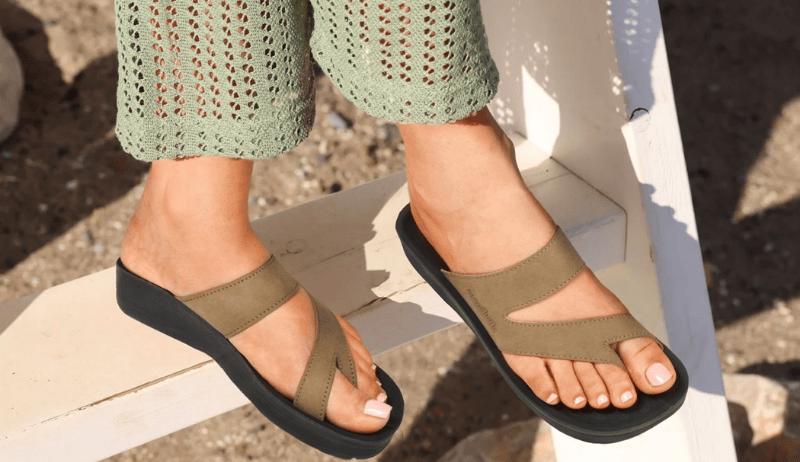
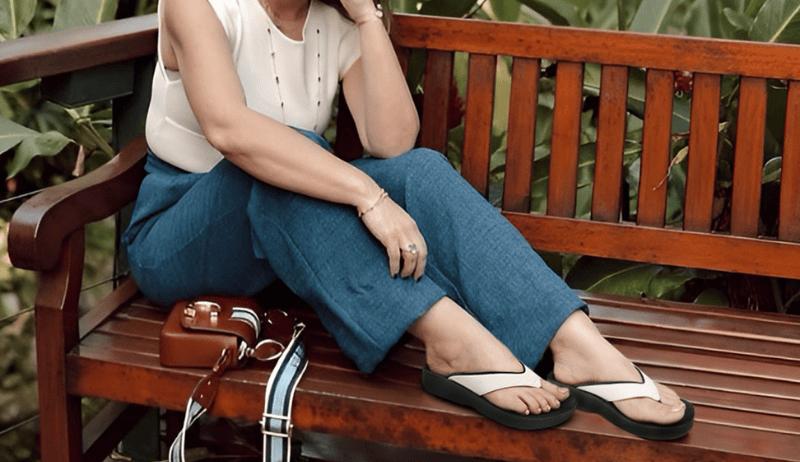
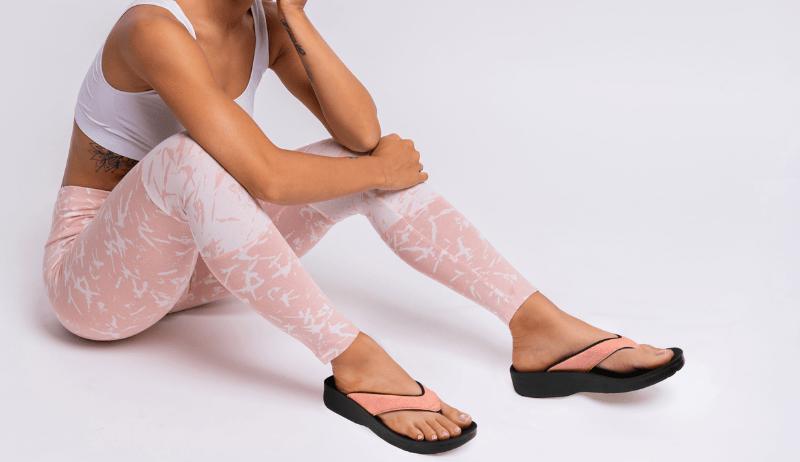
Supportive footwear like arch support sandals for women is capable of helping the foot keep its natural shape even when standing or walking for a long time.
Why Balance Issues Hurt Your Confidence Over Time

Balancerelated troubles seldom come into view abruptly. They develop gradually, making their presence felt only after a considerable amount of time has passed. Most people don’t recognize that their confidence is draining until they start modifying their daily practices. Apart from walking slower, they may also start to turn a blind eye to the walk on uneven ground, or be reluctant to take the first step on elevated areas. These minor hesitations indicate that the brain no longer fully trusts the feet.
Confidence loss is as important as being physically imbalanced. It is the feeling of insecurity that aggravates the problem of instability, thus, making the performance of very simple daily tasks like shopping, walking to the car, or going up the stairs a challenge. The brain, seeing this uncertainty as danger, instructs the body to tense the legs more which makes the whole situation even worse.
The feet getting their proper shape and alignment is when confidence comes back. It is a process that goes from the bottom up, the feet have to be in a good working condition for the rest of the body to feel safe.
Womens sandals with arch support, a well-organized pair, can serve the purpose of foot alignment reinforcement, thereby, boosting confidence during movement.
The Hidden Role of Sensory Feedback in Foot Stability
Every few seconds, your feet send thousands of signals to the brain that inform it about the degree of pressure you are exerting and whether your stance is safe. These signals are the basis of your body's balance system. In the occurrence of foot instability, such messages are not clear and hence the brain's reaction is slower.
Most of the sensory input comes from the arch and the heel. If the arch gives way or the heel extends outward, the receptors located in these structures temporarily lose their precision. As a result, there is a delay in reactions that may give an impression of losing control when stepping or turning quickly.
Supportive footwear plays a role in bringing this feedback system back to normal. When the foot is properly placed, the sensory nerves are free to perform at their optimum level. This in turn leads to easier and more confident moves. A properly fitted style such as womens arch support sandals not only supports the correct foot position but also stabilizes the entire day.
How Unsupported Feet Affect Your Ankles and Knees
Good balance is more than just good footing. The collapse of the foot due to its turning inward results in the ankle following the same path. The internal rotation that comes with it puts the knee in a stretched position thus pulling it out of alignment. In an attempt to compensate for providing stability, the body becomes more and more exhausted with every step, which leads to a wear and tear of the muscles surrounding the area.
Your imbalance issue will get worse as time goes by. What used to be very easy tasks – balancing on one foot, walking down a ramp, or navigating uneven ground – will become less and less reliable. The problem of unsupported feet is the source of your foot alignment issues going far beyond the foot itself.
Not only does supporting the arch stabilize it but it also lessens the strain that the ankles and knees undergo. This results in the smoothening of movement and turning into a more efficient working system with each step. The styled and structured designs like the best arch support sandals for women can be the source of the reinforcements that the aging or tired works of the foot are missing most of the time.
Everyday Signs Your Feet Are Not Supporting You Properly
It is quite possible that you may not realize that your balance is getting worse in your feet right from the start. The very first symptoms are quite delicate and it is easy to miss them. You might sense that you are not very stable when you come out of the bed. While standing, you may be shifting your weight from one foot to the other. There is also the chance that you will be stepping on uneven ground and therefore rolling the ankle although you are being careful.
Another slow walking speed is also a very typical sign. Those who are not sure of their balance will just limit their stride, lower their speed, and refrain from sudden movements. Such a slow decline can cause you to lose your confidence in social situations or when you are at an active place.
Using the correct shoes can help the body get used to the natural way of walking again. When the arch and the heel are supported properly, the foot works like it was intended — it takes in the impact, the joints are aligned, and stability is kept.
Why Foot Fatigue Makes Balance Even Worse
Feet, which are not well supported, get tired very quickly. When the small muscles that help stabilize the foot are inside the foot are very tired, then these muscles do not respond quickly enough to give you stability. As a result, the person walks slower, the ground is hit harder with the foot, and agility is lowered. Fatigue makes every movement more difficult and insecure.
This is the reason why many people feel less stable in the evening, when they do long errands, or when they have been walking on hard floors for a long time. Simply put, the muscles lack the necessary support.
Strong and well-built footwear can alleviate foot muscle fatigue to a great extent. More proper alignment of the body means that the muscles will not be overworked and that balance will not be interrupted during the day.
How Supportive Footwear Strengthens Balance and Confidence

The main purpose of the proper and good shoe is not just the softening of the foot. It is aiding the realignment of the base of the support, thus resulting in the enhancement of balance from the ground up. When the feet are firm, the brain believes the movements. Thus, every step becomes more anticipated and controlled when the foot arch support is there and the heel is in the right position.
Supportive sandals allow the foot to function naturally, diminish the depression of the foot, and enhance the sensory capacity of the foot. They help the feet become more efficient through the retraining of the work of the muscles when worn daily. In this way, equilibrium is restored, and it comes naturally and effortlessly.
A well-planned design like arch support sandals for women can be very significant in the process of rebalancing the foot. Once supported by regular daily movement, the effects will be pretty fast and visible.
Small Daily Habits That Improve Balance Naturally
Besides wearing supportive footwear, simple everyday habits can also have a positive effect on balance. Slow, deliberate walking is a great way for the feet to get activated properly. Very light heel raises can strengthen the muscles that stabilize part of the ankle and are responsible for the movement of the hand. The foot’s sensory receptors are trained by the extension of a period of time during which one is standing on one foot.
Hard floors should be avoided when walking barefoot so that the heel and arch are not overstrained. Long periods of sitting should be broken in order for the blood to flow better into the muscles of the foot. Being well-hydrated is beneficial for the tissues to remain pliable and very responsive.
They are all small habits, but when they work together, signs of doubts will be diminished, self-assurance will be lifted, and the day will be characterized by the fluent and more stable movements of a person.

Balanced Feet Create a Balanced Life
The strength and the stability of the feet largely determine with how much confidence a person can move in the world. Feet that are not supported properly will cause a person’s balance to deteriorate little by little but in a rather steady manner. This will in turn affect not only your posture, but also the level of your self-confidence and your willingness to be engaged in physical activities.
The great news is that balance difficulties, which have their roots in the feet, can be almost entirely remedied. You can not only restore your foot control, but you can also do it with renewed confidence through the use of proper footwear, daily routines that stimulate your feet, and strengthening foot mechanics.
The feet are the base feet are your foundation. Support them well, and the rest of your body will follow.