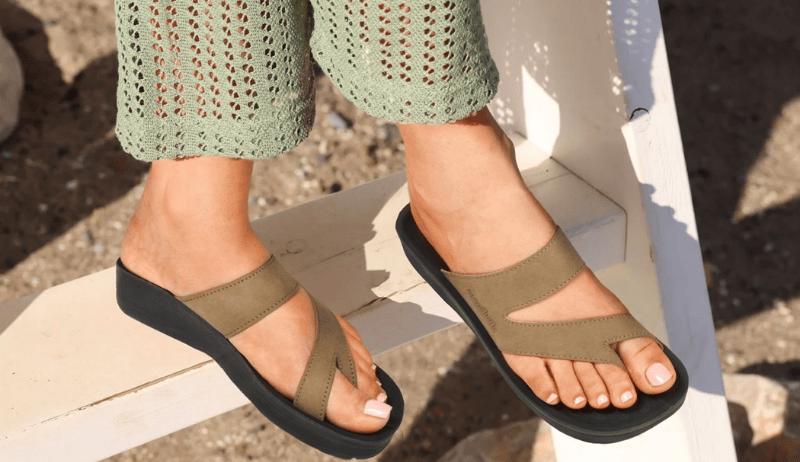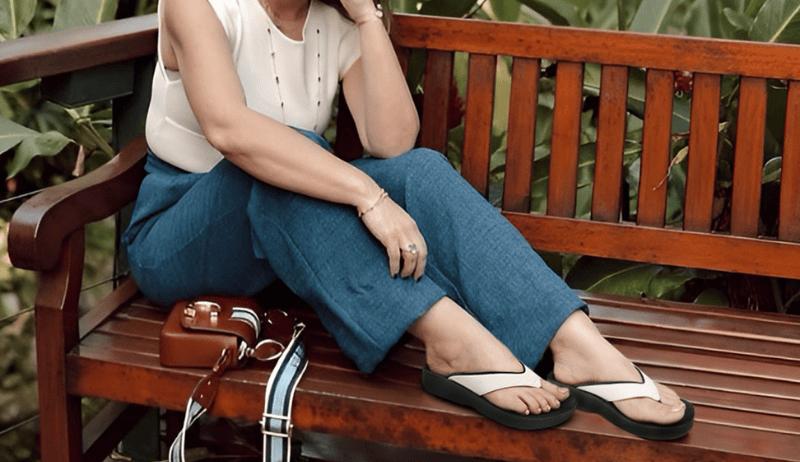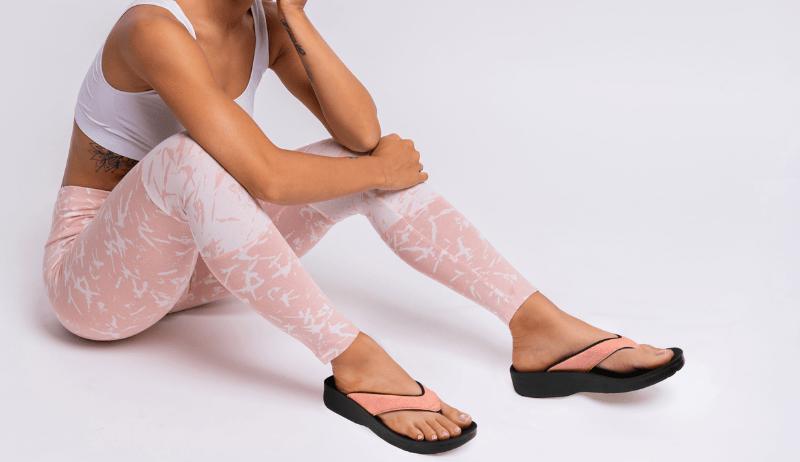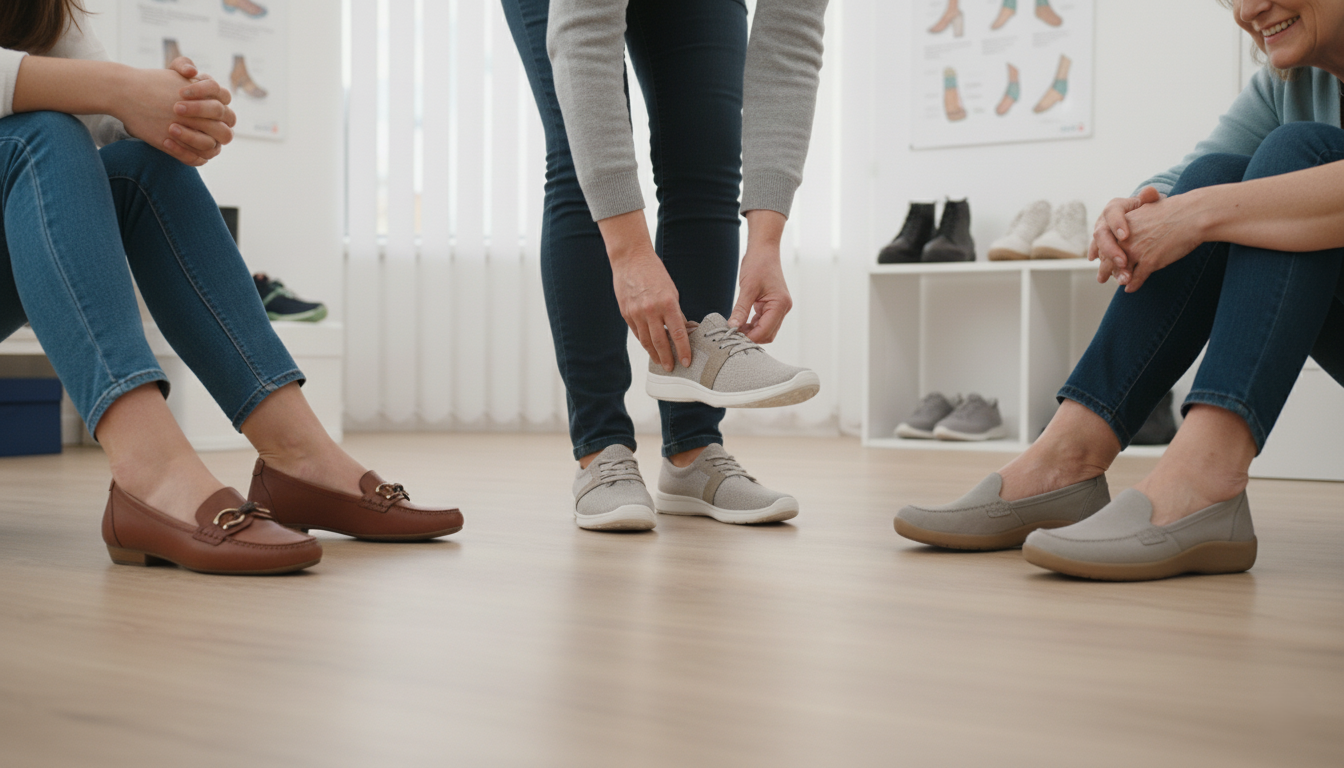
Foot deformations are not something that usually happen in a short period of time. They are slow processes that develop pretty much unnoticed until pain and structural changes become visible. Most people think these problems are just a result of aging, while most of the time their foot health is affected by the kind of shoes they wear. The shoes that are worn every day affect the way the feet move, the way the joints are aligned, and the way the muscles respond to the pressure. After a period, the mutual relationship between footwear and biomechanics becomes the background for either the continuation of the foot function or the occurrence of deformities that disturb comfort, confidence, and overall mobility.
Footwear is more than a mere fashion choice or a seasonal accessory. It is the basis under every step, and thus, it becomes a long-term investment in the feet' structure. When taking good care of footwear, it is a powerful means of preventing a wide range of foot disorders among which are bunions, hammertoes, arch collapse, and forefoot overload. On the other hand, with poor choices, tight designs, flat bases, and unstable materials quickly become the aggravators of the already stressed joints. Knowing the difference between the two is the primo step in the prevention of the future deformities.
Why Deformities Develop Slowly and Quietly
Deformities most of the times start with little imbalances that later on, over the years, will become one. The toes may have been forced inside the narrow toe boxes. The arch may have been caused to collapse due to continuous rolling of the foot inward. The heel may have been shifted as a result of an unstable side of the shoe. These minute changes are overlooked since they do not bring pain right away. The body changes for bad alignment until it can no longer do it.
Pain arrives much later, that is, long after the structural changes have been made.
Correct footwear breaks this loop by giving materials and shapes that help the body to be in a natural position. The frame under the feet is just as important as the exercises for strength and mobility. The base being stable, the rest of the body is the winner.
How Everyday Shoes Influence Joint Alignment
The shape of a shoe is what mainly determines how weight will be spread over the foot. Narrow ones are the main households of the toes to get compressed. Flat ones remove the support area that is under the middle part of the foot. Unstable platforms lead to the ankle rolling in or out. Gradually, each of these changes stretches more and more pressure on certain joints and thus the repeated pressure leads to deformity.
Certain styles provide better support, most especially to those who are on their feet for a long time. Many people realize that womens clogs offer a better base because of the broader platform that lessens the instabilities. The making of a clog is usually weight distributing evenly, thus, it lessens the pressure of the vulnerable metatarsal joints.
Design is as important as the materials used in it. Soft uppers allow for natural movement, while firm midsoles prevent the foot from collapsing inward. For instance, womens leather clogs are often more durable and retain their shape better than softer shoes that stretch out quickly. A shoe holder is the one who gets consistent support, thus when a shoe holds its form the foot of the wearer is benefited.
Why Toe Box Shape Matters More Than People Think
The toes need to have enough space in order to be able to spread naturally since this spreading helps with balance, propulsion, and joint stability. The sad truth is that most of the everyday shoes taper at the front thus forcing the toes to overlap or rotate. This rotation heavily contributes to the development of bunions and hammertoes.
Shoes with a rounded or anatomical toe box provide a better environment for the toes to get aligned. Many people find that womens suede clogs offer the forefoot with enough room for it to move without friction. The soft suede surface adjusts a bit to the foot and at the same time it still provides structural balance. When the toes have enough space, the pressure lowers and so does the possibility of deformities.
The material itself is the one that influences the comfort over longer periods. A pair of suede clogs give the foot a chance to get comfortable with less rubbing against the sensitive joints. Thus the irritation is lowered and the more natural toe placement is encouraged.
Why Midsole Structure Prevents Arch-Related Deformities
One of the most important features in deformity prevention is the midsole. A collapsing arch is the main reason that causes rotation in the ankle, knee, and hip. The shift gradually increases the chance of changes in the structure of the forefoot and rearfoot. By keeping the arch lifted, the supportive footwear stabilizes the entire lower chain.
Some shoes can offer great stability because of their ergonomic design. Most people like the suede clogs women for the comfort and support that they get because the raised midsole lessens the drop from the heel to the forefoot. This releases the plantar fascia from the excess work and stabilizes the arch in a healthier, more aligned position.
Moreover, the designs that support the midfoot can be very helpful if considered for even more stability. Some modern clog designs feature an inbuilt contour that seems like a natural extension of the wearer’s arch. The transition from one gait to another is made more effective and less tiring when a person wears a pair of clogs with arch support, thus flattening of the arch prevention is achieved.
The Importance of Cushioning in Preventing Overload

Some deformities may result from continuous pressure on certain parts of the foot. The metatarsals get more of the shoc if the cushioning is not enough. The heel pad is the one that wears out the most as a result of age or weight, thus, cushioning becomes even more important.
A belly full of padding is a great partner for joints and tissues on the road of prevention from overload. The mechanism which is installed in a comfort talking clog serves to ease the impact the foot gets with each step. This is the very reason that most people who experience exhaustion, forefoot pain or at the very early stage of deformity choose to wear comfort clogs. The cushioning lets the forces that lead to structural changes weaker and thus, it allows for a more normal motion during long hours of standing.
Impact absorption is very important if we talk about daily routines. Hard floors, uneven surfaces, and a prolonged standing all are the reasons that extra stress is placed on the foot. The most effective cushioning is the one which the user does not feel as it helps in the minimization of this stress long before it becomes a chronic problem.
How Footwear Affects Tendon Behavior
The entire foot structure is highly dependent on the power and flexibility of the tendons. If unsupportive footwear is used, the tendons are stretched beyond their limit, and this continuous stretch causes the imbalance that is quite noticeable in a case of time. A dropping arch overworks the posterior tibial tendon. Pushing the heel beyond its limits makes the Achilles tendon work extra. Tightness in the forefoot makes the plantar fascia overstrained.
Footwear that supports the body structure keeps these muscles from excessive work. The stability of a shoe ensures that the tendons are not forced to go beyond their natural limits, thus lowering the chances of deformities due to mechanical stress.
Most clog designs with their thicker and supportive base aim at the continuation of this stability. The pair of womens clogs that you may have wear gives you the great advantage of having a strong base which will reduce the side to side movement thus protecting the tendons which are the ones responsible for the arch height.
How Footwear Influences Posture and Gait
Deformities become severe when individuals change their gait to escape pain. Generally, poor footwear makes the wearer alter the gait pattern; thus, the biomechanics of the body change in the long run. The weight of the body might be shifted to the lateral part of the foot. At the same time, the toes can hold the ground more than necessary. The heel may come in contact with the ground at an uncomfortable angle.
The speed of this compensation is the main reason behind the rapid progression of deformities.
Supportive shoes keep these compensations away as they give the natural flow of gait mechanics. Those who wear such shoes enjoy more freedom of movement, have better weight distribution and maintain a good posture. Eventually this improved walking style becomes a safeguard against the progression of deformities.
Those who make the switch to properly built clogs often feel a difference in their walking. A pair of leather clogs womens items is normally enough to provide the needed support which will stabilize the walking pattern, particularly on a hard floor.
Why People With Early Deformities Need Preventive Footwear
Early deformities are still susceptible to influence. Supportive shoes can do a lot in the case of bunions, mild hammertoes, early arch collapse, and forefoot widening. The major factor in this is the selection of shoes that are less likely to cause friction, give less pressure, and support alignment.
A shoe having a roomy toe box, sufficient arch support, and cushioning which absorbs the shock is the main remedy for deformity progression. There is a great number of people who find comfort in the silhouette of clogs meant to provide support, especially when choosing materials such as womens suede clogs that help in reducing the irritation.
The Right Footwear as a Long-Term Prevention Strategy

It takes a lot of commitment to be able to prevent deformities. The protective footwear that is worn from time to time will bring out its good effect only to a small degree. The foot protection gained during the day will keep off the feet from the very small but accumulated throughout the daily routines stresses.
That right shoe turns into a daily health tool rather than an occasional accessory. This is the reason why a lot of people opt for supportive clog designs when they are at home, office or just doing their everyday activities. A high-quality pair of suede clogs is a great way to keep the foot shape and comfort over time.
Prevention from deformities is more than just an effort of evading pain—it is a way of safeguarding future mobility. Every step taken today leaves its mark on the foot structure of tomorrow. If equipped with the right footwear, those steps can be directed towards stabilization rather than strain.