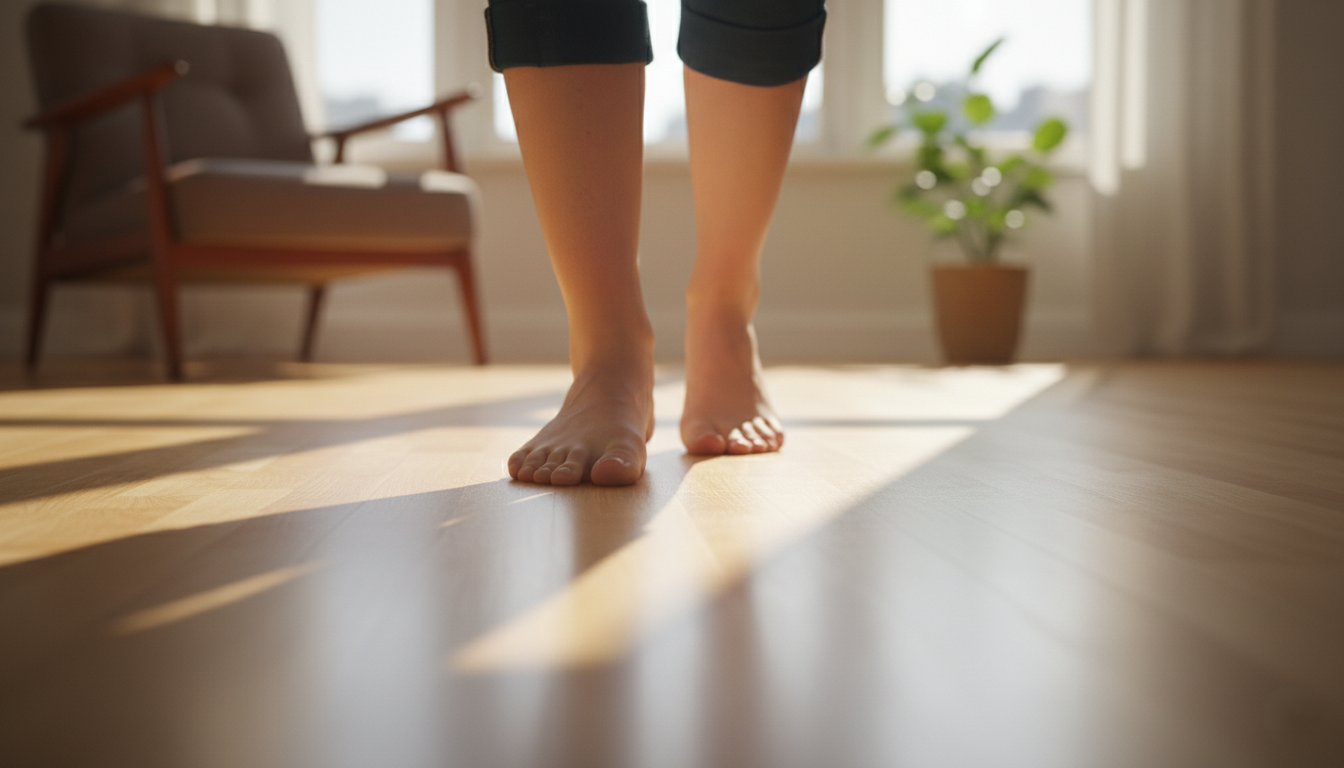
There is a wide-spread belief that human feet are better off when walking barefoot even inside the house and that the practice is healthy and beneficial to one's feet. The concept looks quite convincing as human feet are the parts of the body that came into being long before the existence of the modern shoe. But the surfaces that are surrounding us today like tiles, concrete floors, hardwood, and even thin carpeting are not at all like natural ground. Because of this mismatch, the foot has become a silent victim of the health problem that has arisen due to hygiene issues of the feet unknown to many people. Nowadays, the occurrence of people who have arch fatigue, heel tenderness, or even early signs of misalignment is increasing and thus those people seem to be walking barefoot at home which is causing them to be hurt more than helped.
It is very important to understand the causes of the pain in order to recognize the first time of it because most of the foot pains do not come suddenly. Most foot deformities are the results of slow processes which are heavily influenced by the factors of repetitive pressure, disobedient movement, and years of strain. Indoor habits have a bigger influence on this process than people usually think.
The Modern Indoor Surface Problem
Human feet have been supported in their movements by the earth, grass, sand, and other natural materials for a long time. These natural environments were able to soften the shocks and let the foot spread and adjust with each step. The case of indoor floors is totally different. Today floors are designed to be very stiff, hard, and unchangeable. Hard surfaces do not allow the energy to be softened but rather they directly send the energy of the impact to the feet, particularly to the heel and midfoot areas, which are already the most sensitive for many adults.
Such concentrated pressure causes small tears to happen on the soft parts of the foot that keep its structure. After a few months or years, stress becomes instability and makes the foot work harder than it should. If the cycle runs for a long time it will result in constant pain and gradual deformities.
Why Barefoot Walking Weakens Key Support Structures
The arch is dependent on the ligaments, tendons, and muscles that surround it and provide it with a delicate balance. These have been made to bear pressure; however, they can not take excessive, repetitive impact without help for a long time. Normally a step inside the house would put a direct force on the arch, therefore, every step would increase the stress on the arch even more. When these tissues become weak and tired, the arch slightly collapses, then more over time.
The breakdown of the arch increases the strain on the heel, particularly, the area around the sensitive plantar fascia. It also makes the forefoot electrocuting the toes, hence the tension builds up near the toes. The foot gradually shifts out of alignment if this scheme becomes a habit leading to the formation of bunions, hammertoes, and chronic heel pains besides that.
Most people come to realize this only when the signs become overwhelming. Nevertheless, the major reason for this has been starting years ago with spending long hours barefoot on household floors.
Early Signs That Barefoot Walking Is Causing Foot Stress

The warning signals that the body is giving it long before a deformity becomes obvious. Pain in the heel in the morning, occasional arch fatigue after doing the housework, and the tiredness of the feet at the end of the day can be considered as slight signs. These are not aging signs; they are signals of the foot being overworked without support.
Those people who have low arches, high arches, or joint hypermobility are more sensitive to pressure than the rest of the population. In the long run, the foot tightens some structures and stretches others too much to compensate. This pattern of mediation is the root of the long-term damage that can be prevented by the use of the correct supportive indoor footwear.
Why Indoor Supportive Footwear Makes a Difference
Just like the body needs correct alignment to exercise properly, the feet need support and cushioning for their everyday indoor movements to be comfortable. Wearing the right indoor footwear is one of the best ways of reducing the hard blow that the foot takes and at the same time, it allows the foot to retain its natural curvature. When the feet are properly aligned, then none of the parts of the body that are structurally connected to the feet such as the ankles, knees, hips, and even the lower back will be overstrained.
There is no need for a supportive shoe to be heavy and give you the feeling that your freedom of movement is limited. Several contemporary models are light in weight, allow the passage of air, and are made especially for use indoors. The most important thing is that the support should be there when one is engaged in their daily routine; cooking, cleaning, working, or merely shifting from one room to another.
This is the explanation of why a lot of people feel their foot problems alleviated straight away when they start wearing indoor supportive shoes. The first changes which are most often noticed are reduced morning stiffness, less heel discomfort, and enhanced stability.
How Structured Footwear Helps Prevent Future Problems
A structured indoor shoe takes the weight of the foot and distributes it evenly from heel to toe rather than letting it be concentrated on the heel or forefoot. Joint preservation is one of the benefits of the distribution, and small muscles that help stabilize the body are shielded from being tired. Over the years, these supportive habits will help keep away problems such as the flattening of the arches, increased progression of bunions, or even chronic heel pain.
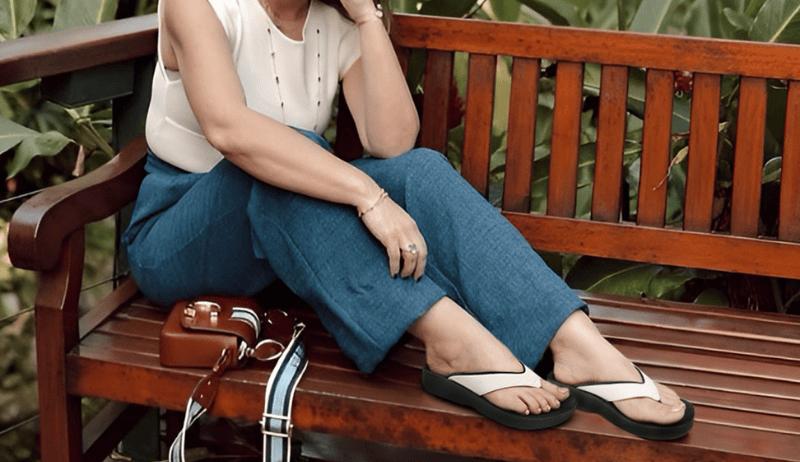
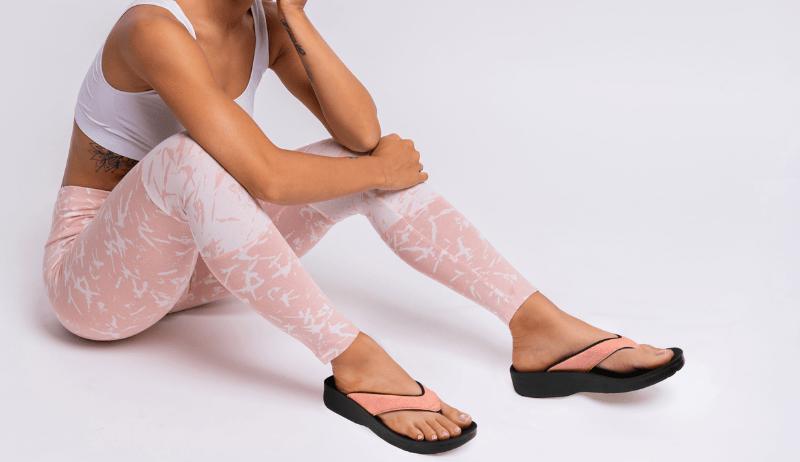
One of the best ways of doing this is by adding womens clogs to your everyday home routine. Their structured style not only gives the foot the necessary support during light activities but also lessens the pressure that comes from hard indoor floors. A lot of people discover that their feet become much better at the end of the day when they consistently wear good quality indoor footwear.
There are those who like the more traditional style of leather clogs womens that offer both long-lasting qualities and good structure. Leather's natural rigidity works as a firm base that aides the foot in keeping it doesn't move when you walk. The significance of this stability lies in the fact that it lessens the strain coming from the side carried out on the arch and thus, greatly, diminishing the risk of slow structural shifts occurring.
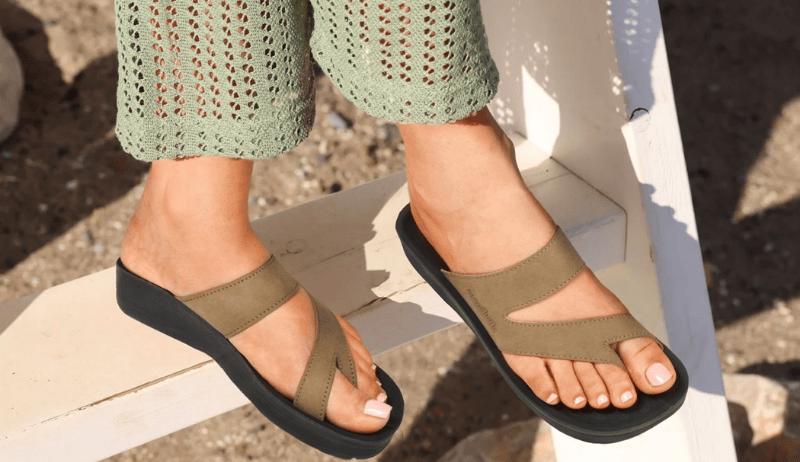
Some people, however, prefer the softer side of life represented by women's suede clogs that add comfort while at the same time, meet the requirements of long-term foot health. Generally speaking, suede is a material that conforms to the shape of the foot without letting go of the structure, thus, making it a suitable choice for everyday use inside the home.
Choosing the Right Indoor Shoe for Maximum Foot Protection

When looking for indoor shoes, the main purpose should be to keep the balance. A sole that supports, a heel that is soft to the touch, and a properly contoured arch are the must-have features because together they relieve the body from the daily routine of tramping. In a great number of cases, people find suede clogs to be the perfect combination of pleasure and strength, especially in the places where the flooring is very hard and unyielding.
Consumers of a snug, second-skin type of fabric often prefer a women's style of suede clogs, in which the upper part of the shoe is made of a soft material whilst the base remains firm and supportive. The equilibrium between the two elements liberates the foot from constriction, at the same time, it is kept aligned, which is very important throughout the whole day.
In case of continuous arch fatigue, it is advisable to wear clogs with a support feature as it offers a further safeguard. Such models encourage the foot to maintain its natural curvature and avoid over-stretching of the plantar fascia. After a certain period, the sensation of recurring heel discomfort slowly diminishes and the risk of the kind of tissue stress that usually results in chronic inflammation is lessened.
The ones who stand in their homes for long hours, can greatly benefit from comfort clogs as their cushioning parts take the blows and keep safe the most vulnerable areas. Among the majority of people the change to the use of supportive clogs when doing household tasks has been a significant factor in the alleviation of the foot ache at the end of the day and also a great improvement in overall stability has been experienced.
The Long-term Impact of Daily Indoor Habits
Majority of foot problems are not caused by drastic events but they slowly and silently grow through small daily habits that consist in repetitively straining the same structures. One of the most underrated factors for the above-mentioned pattern is walking barefoot indoors. Hard flooring doesn't provide a natural foot stretch and thus, the feet get weaker and have a tendency of being out of line which is characteristic of the lack of support in this area of the body.
On a long-term basis, these seemingly insignificant moments accumulate to form deeper changes of the body structure. The positive side of the story is that small modifications to your routine have the power not only to prevent but also to solve long-term problems. By making the simple step to buy the right indoor shoes rather than walking barefoot, one can considerably lower the risk of later deformities.
Why Prevention Is Always Better Than Treatment
When a deformity is far gone, the procedures of treatment are more difficult and complicated. The options for correction usually imply therapy, use of braces, or lifestyle changes that hardly can be done in a disorderly manner. While preventive habits are simple, convenient, and most importantly, they do not lose their effectiveness, they do not require much effort or time.
By opting for the right indoor footwear, you are actually taking one of the easiest steps to secure the wellbeing of your feet for a long time to come. Regardless of whether you like leather clogs women's styles, or reinforced clogs with arch support, or ultra-cushioned comfort clogs; the suitable indoor shoe will be the cause of not experiencing discomfort for years to come.
Taking care of your feet right now is the key to being able to move around freely, maintain your balance, and feel comfortable later on as well. A small change at home can have a big impact on your feet in the long run.