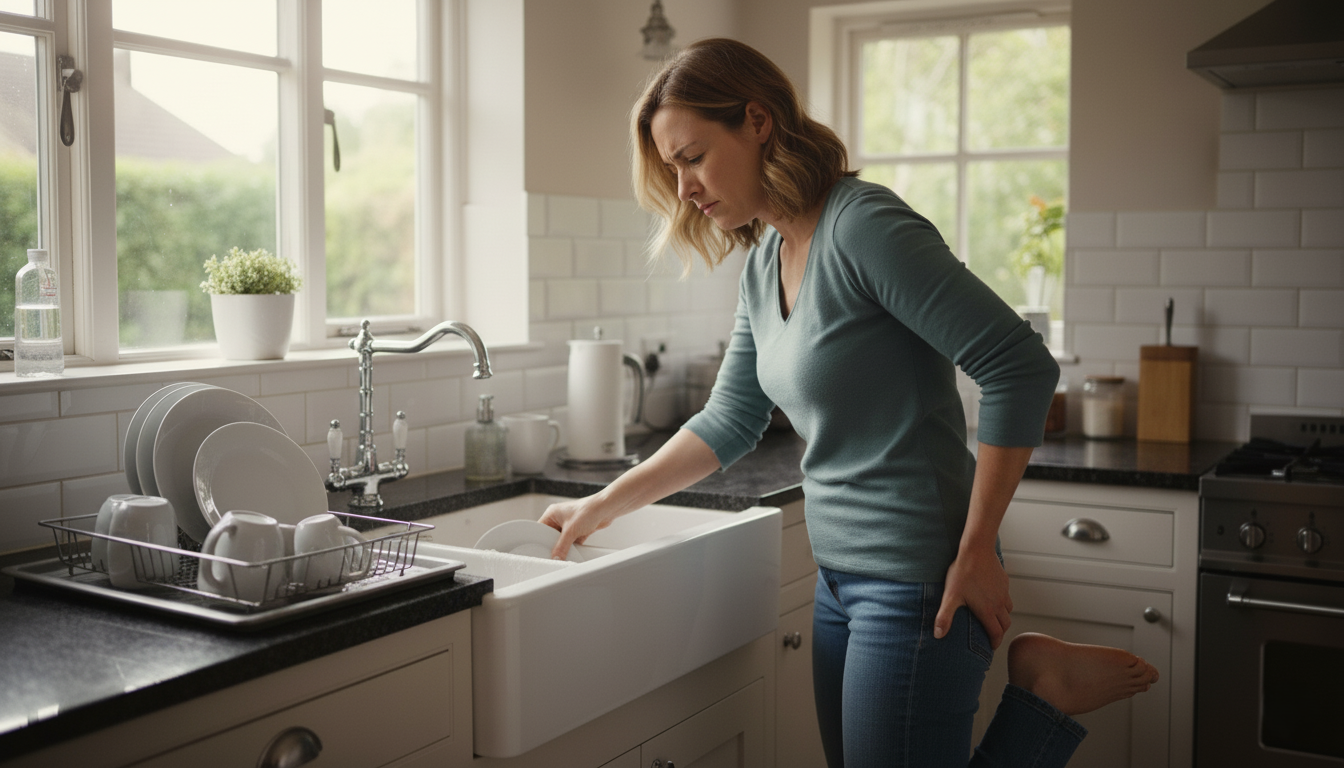
Heel pain is not a condition that is caused by a single dramatic event. In fact, for the majority of people, such pain escalates gradually out of the ordinary daily activities such as walking around the house, standing in the kitchen, running errands, or commuting to work. Quite a few people say that this kind of discomfort is solely the result of overstressing the body or that it is just a natural part of aging, but more often than not, the truth is a lot more different. The most frequent reason that people experience daily heel pain without realizing it is the lack of sufficient support to their body during normal, everyday movements rather than during some kind of intense activities.
The heel is the one that bears the brunt of the extra load when the foot is not provided with structural support on a regular basis. In effect, it initiates a process of tissue strains which, after a certain point, cannot be mended by any amount of rest. Knowing what is going on and how to resolve it can really make a difference in your life.
Why Does Heel Pain Get More Severe During Ordinary Activities?
The heel bone takes the weight of the whole body in most walking patterns. The force from a step goes through the heel pad, plantar fascia, and Achilles tendon. People are prepared to see a strain in hard-hitting sports, but not in their normal everyday routines.
The daily activities are usually characterized by lower body weight upon prolonged standing, slow walking, frequent stopping, and hard indoor surfaces. Under these circumstances, the pressure on the heel increases, because the foot doesn't go through a complete, fluent walking cycle. Instead of the movement being smooth, the load stays on the heel for a longer time than it should.
Repeatedly doing this causes the tissues under the heel to become weaker. The pain that accompanies this is usually dull at the beginning and then increases in intensity as time goes on. Most people ignore these symptoms until the pain reaches a level that they cannot bear.
The Hidden Role of Footwear in Heel Stress

Most people who suffer from heel pain resort to rest, stretching, or pain relief as options, but hardly ever think about the shoes they wear. Shoes that aren't made well structurally let the heel hit the ground without the aid of a cushion or even alignment control.
Supportive shoes lessen the impact on the heel because they stabilize the arch and help carry the weight forward. Without that help, the heel is the one that absorbs the shock ultimately.
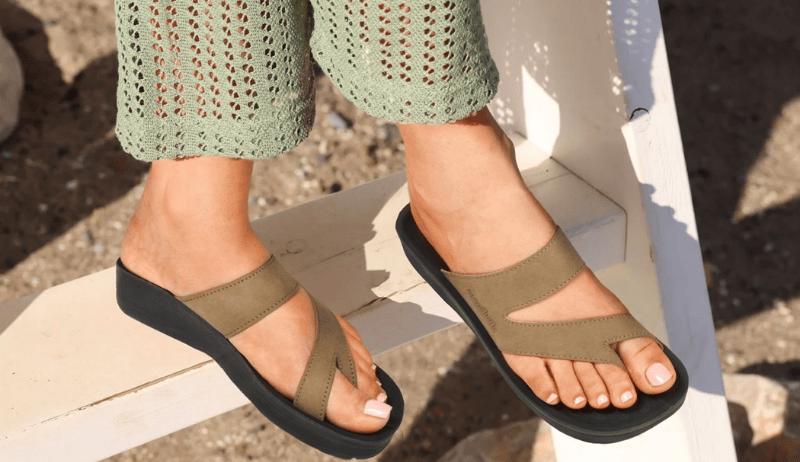
This is the point where comfortable orthopedic sandals become very useful, as they lessen the impact of the repeated blows during the daily walk without the need of forcibly moving the foot to an unnatural position.
Why Do Hard Surfaces Increase Heel Pressure?
Our surroundings today are full of unyielding surfaces. Materials such as tile, concrete, hardwood, and laminate floors are incapable of compressing under pressure. So every step on these surfaces leads to rebound force, which goes directly to the heel.
Walking without shoes or using very thin footwear on these surfaces puts the tissues under great stress. As the heel pad gets thinner with time, it loses its natural ability to cushion. This is why every step sounds louder even though the level of activity is not raised.
This is the reason why a lot of people can only pinpoint the moment when they experience heel pain after doing the housework, not after training.
How Is Arch Collapse Related to Heel Pain?
The arch is the main body part that keeps the foot from being overly pressured. When that happens, force is shifted from the heel to the back. This additional weight puts the plantar fascia under pressure where it links to the heel bone.
The arch break point usually happens gradually and without any noise. Bad shoes speed up this process by not providing support to the middle of the foot during the stance phase.
The right choice of footwear such as most comfortable orthopedic sandals can stop the foot from folding layer by layer by holding the arch during everyday movement and thus lessening the strain at the point where the heel is attached.
Why Rest Alone Cannot Fix the Problem
The heel pain that is caused by lack of support won't get better with rest, as the stress will be back as soon as the person moves again. The tissues don't get the structural relief they need to recover completely.
Stretching may offer a temporary solution, but without the proper alignment, the plantar fascia will be overstretched with every step. The outcome is a cycle in which relief is followed by a return of the pain.
Supportive footwear breaks this cycle by alleviating mechanical strain during movement rather than after it.
How Daily Errands Lead to Long-Term Heel Pain
Errands comprise slow walking, carrying weights, and frequently stopping. All these movements prolong the time during which the heel is under pressure as compared to that of brisk walking. Grocery shopping, cooking, or standing in line extends the period of heel loading.
If support is absent, then this repeated pressure inflames the tissue gradually. Many people find it hard to believe that their heel pain gets worse on "easy days" and not on the days when they are active.
The kind of shoes that are made for reliable support like comfortable orthopedic sandals are the ones that can help pressure to be evenly distributed during these long periods of standing.
Why Women Have Heel Pain Differently
Women have more chances to come across heel pain than men due to the way they habitually wear shoes, hormonal changes that impact ligament flexibility and differ in the structure of their feet. Badly supported shoes worn for the sake of beauty mainly become the contributors of gradual tissue breakdown.
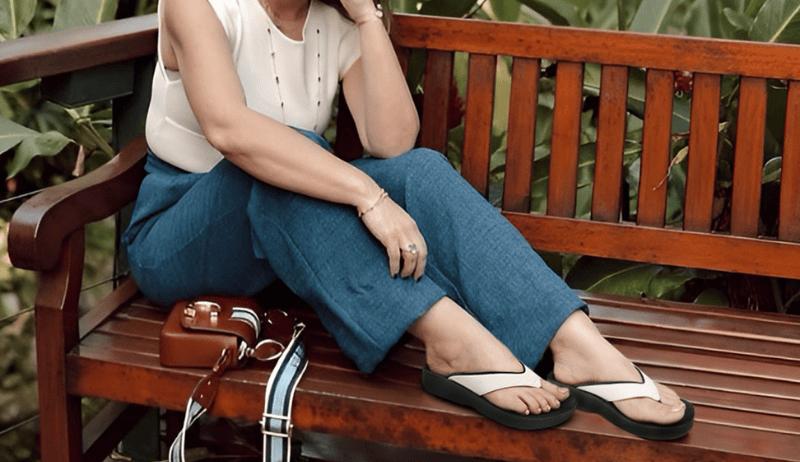
The daily use of footwear which primarily provides structure without giving up on the comfort is a must if you want to stay away from the problem. This is the reason why comfortable orthopedic sandals for women are particularly advantageous when worn during the daily routine.
The Significance of Heel-to-Toe Weight Shift
Good walking necessitates that weight is smoothly transferred from the heel to the forefoot. Inappropriate footwear breaks this transition, thus, the weight stays in the heel for a longer time than it is supposed to.
Footwear with a contoured footbed promotes the forward movement of the foot, thus, the time that the foot stays on the heel is shortened. This not only helps the tissues to breathe but also makes the walking process more efficient.
Footwear such as orthopedic sandals for women allows for this natural movement pattern which is beneficial for the heel if the activity is prolonged.
Why Cushioning Alone Cannot Solve the Problem
Quite a few people think that the presence of soft cushioning is enough to deal with heel pain. It is true that cushioning lessens the impact, but it does not solve the problem of alignment. To an extent, very soft footwear can actually make the wearer more unstable and thus, the heel might sink unevenly without the person noticing.
Real relief is a result of both cushioning and structure being present. The heel is kept in the center by supportive alignment and, at the same time, the cushioning is there to absorb the shock.
It is this equipoise that makes orthopedic sandals long-term comfortable for the heel rather than a temporary solution.
The Role of Arch Support in the Protection of the Heel
The plantar fascia is similar to a cable that connects the heel to the forefoot. The arch is the plantar fascia cable that when the arch collapses, that cable overstretches and pulls on the heel.
Good arch support lessens the tension and therefore the heel attachment is the one that is being supported. The inflammation that results from a lack of it, develops slowly and becomes more difficult to resolve.
Footwear such as women's orthopedic sandals with arch support is the best way to keep the plantar fascia stable during everyday movement.
Why Style Is Important for Consistent Wear

People who only wear supportive footwear to a limited extent, are the only ones to benefit from them. It is the style of such shoes, which looks too medical, that is mostly the reason why they are avoided and as a result, their positive effect is limited.
Significant changes in design have been made since that time, thus stylish orthopedic sandals have become a perfect daily wear option without any compromise in look.
Consistency is what makes heel pain prevention possible.
How Arch Support Helps the Foot to Stay Energized
Fatigue of the foot is most of the time a signal that pain will follow soon. When the muscles become fatigued, the body throws the alignment out of balance, thus heel stress increases.
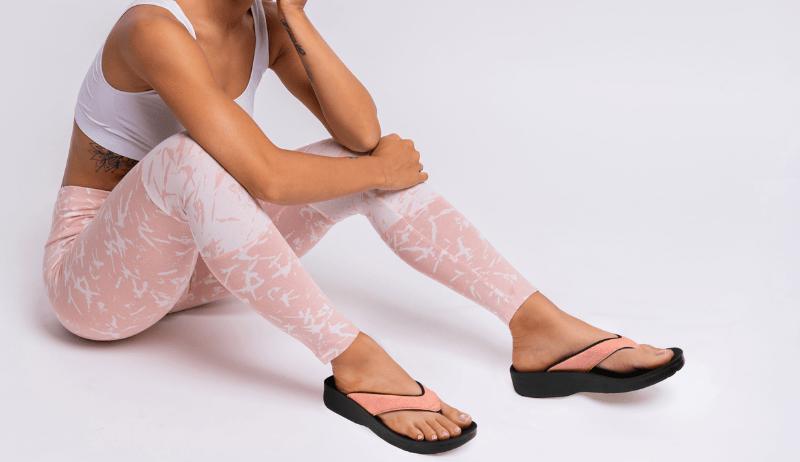
Footwear such as arch support sandals for women is a great tool for muscle performance throughout the day, as it puts the foot in the correct stance and reduces fatigue.
This in turn stops pain from arising instead of giving it post factum.
Reasons Why Flat Footwear Increasing Load on the Heel
Flat footwear does not provide midfoot elevation and therefore the heel has to bear most of the impact. This is actually the root cause of plantar fascia irritation which, over time, becomes the most serious consequence of this situation.
The role of supportive elevation is to make pressure distribution easy so that the front part of the foot is the one that gets most of the load, thus allowing the tissues there to be free of strain and thus less prone to wear and tear.
Womens sandals with arch support are better for everyday use than flat ones, and this is the reason why.
The Function of Long-Term Support in
Heel pain relief has been proven to require more be consistent rather than intense. Daily use of supportive footwear significantly lessens the accumulative strain that leads to heel pain.
Wearing womens arch support sandals allows the person to keep normal biomechanical patterns during habitual activities.
Eventually, this leads to less inflammation and hence the tissue gets the chance to heal.
Why It Is Important to Choose the Right Support Early

Discomfort in the heel resulting from daily activities that is neglected at an early stage, will lead to long-term inflammation. The very first point of intervention with proper footwear is a deterrent of further progression to more severe conditions.
Buying best arch support sandals for women early is an investment that pays off in terms of both mobility and comfort in the long run.
Heel Pain Is a Structural Problem, Not a Personal Limitation
Heel pain that occurs while performing everyday tasks is not a sign of physical or mental weakness. The problem lies in the structure and is a result of the repeated under-support during movements that people generally perceive as being safe.
The heel will be able to recover only when the shoe is in support of the alignment, is shock absorbing and strain reducing. Dealing with the main problem—daily mechanical stress that has been ignored—brings back the lost comfort and acts as a deterrent to new occurrences of pain.
The feet carry the whole body on their backs daily. Giving them the support they need will make a huge difference.