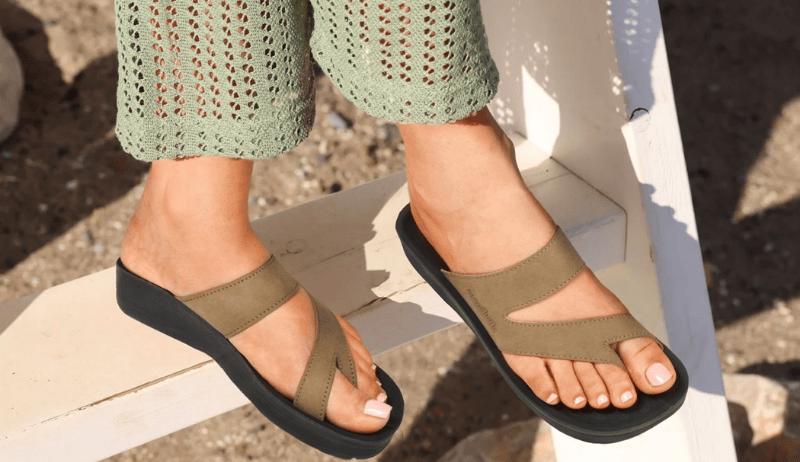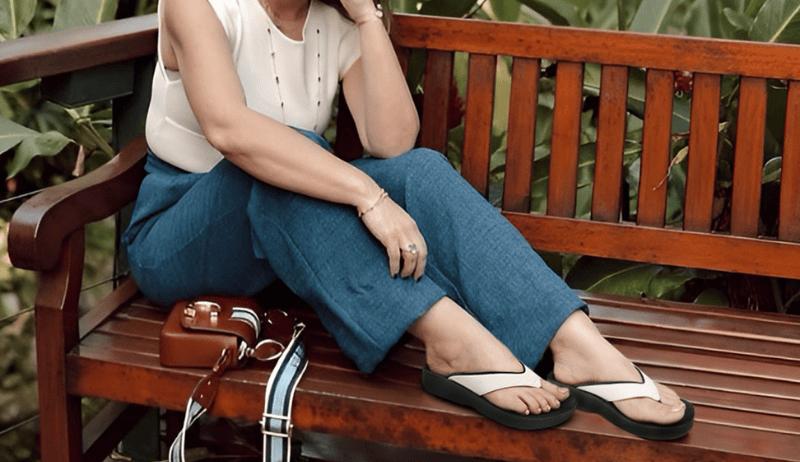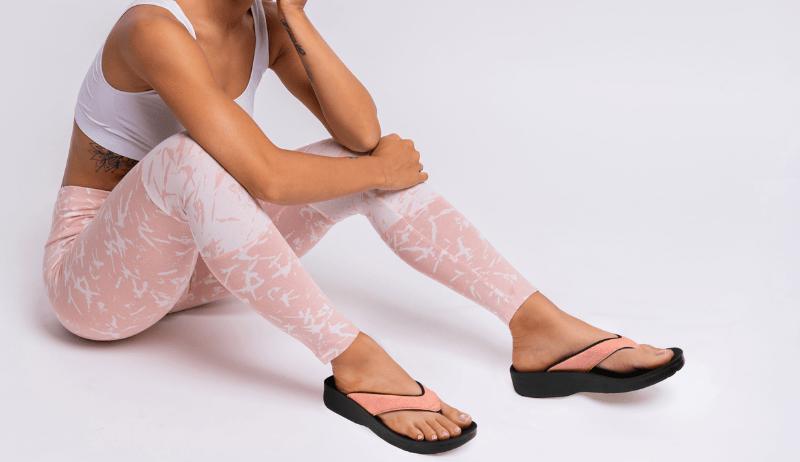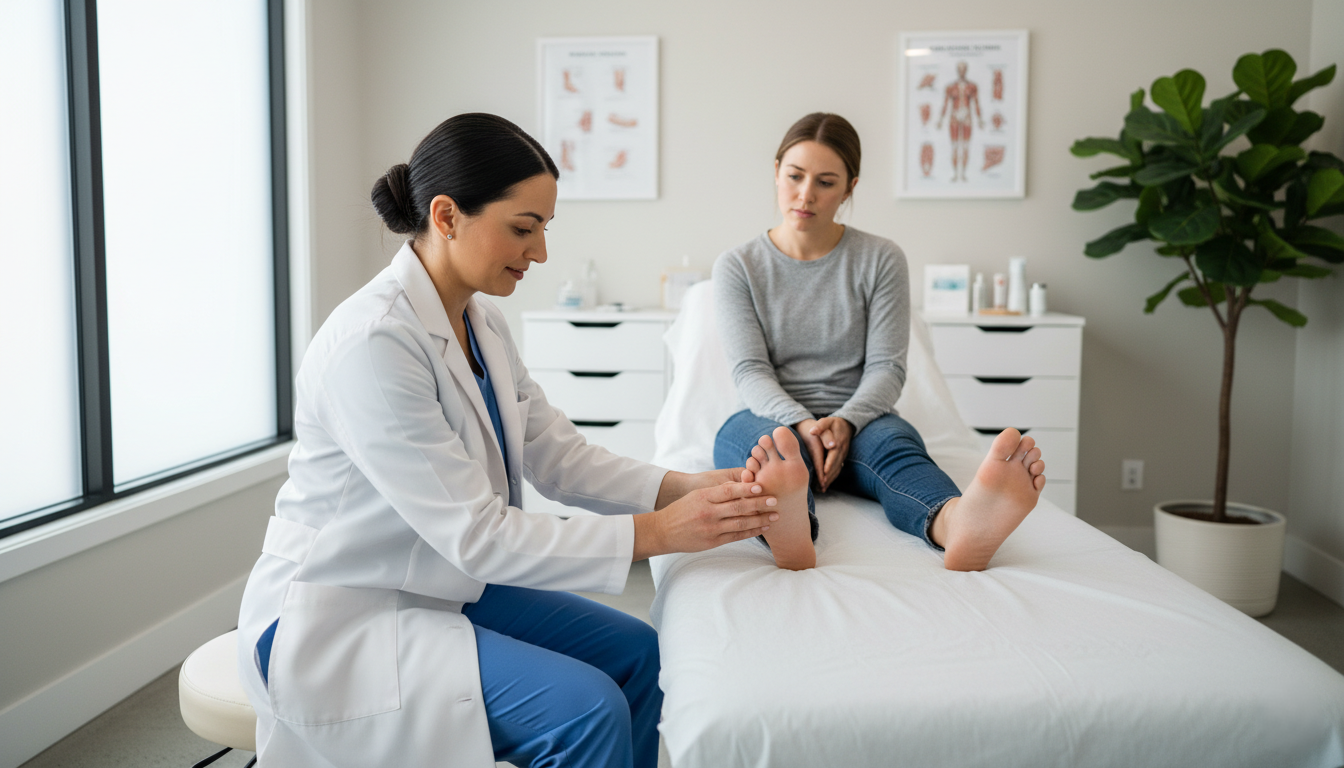
Foot discomfort hardly ever comes from a big accident. It often starts without being noticed. There's a slight pain under your heel. You feel a pull through your arch. Your foot gets bigger at night and goes back to normal in the morning, only to swell again the next day. Lots of women don't pay attention to these first signs, thinking the pain is just from moving around every day. Foot doctors understand what's really happening. They see the patterns over time that start with bad choices in what you wear each day, mostly in hot places where people wear flip flops all day.
Supportive flip flops aren't just a way to dress. They're needed when sandals are worn every day. Foot doctors look at these sandals in a different way than they look at trendy styles, focusing on how the foot acts inside them when you're really moving. When doctors decide if a flip flop gives support, they aren't guessing. They look for certain things built into the sandal that keep the foot safe from strain, tiredness, and damage that gets worse over time.
This article explains exactly what foot doctors search for, why it's important, and how the best flip flop design helps your foot stay healthy instead of hurting it.
Why Foot Doctors Care About Daily Flip Flop Design
Feet are made of many parts including bones, ligaments, muscles, and tissue that connect everything, and they all work together to take the force of impact and keep you steady. When what you wear each day doesn't have good structure, the foot must make up for it. As time passes, making up for it turns into stress. Stress turns into pain. Pain turns into something not working right.
Foot doctors often help people who think their pain came "out of nowhere." But the reason is usually doing the same thing over and over, caused by sandals without support that are worn for many hours. This happens a lot with women who depend on women's flip flops to wear at home, do quick trips, travel, and rest after long days.
Doctors don't usually speak badly of flip flops. They actually see a split between basic flat styles and shaped versions which go with the foot's usual motion. That split is more than just looks. It involves how the body moves.
The Arch: What Doctors Look at First
The arch isn't just for show. It acts as the foot’s main cushion and balancer. When a flip flop does not lift the arch up enough, the plantar fascia stretches too much when you walk. After a while, that pull may cause swelling, heel aches, and tiredness spreading upwards into your legs.
Foot doctors quickly check how well a flip flop keeps up the arch when it's not stressed. That’s why orthopedic flip flops have footbeds shaped to match the foot’s normal curve instead of pushing it down.
When the arch is held up well, it eases stress on the heel, spreads weight fairly, and makes walking steady. Doctors often suggest flip flops which keep the arch lined up instead of letting it fall flat when you walk.
Why Flat Footbeds Create Long-Term Problems

Flat footbeds might seem bendy and light, but they put the whole job of keeping steady on the foot itself. With no shape under the arch, muscles must work extra hard to keep you upright. This causes tiredness that builds up slowly until hurting can’t be stopped.
Foot doctors often find people who feel achy not just in their feet but also in their knees, hips, and lower back. The main reason is usually found to be using flat sandals for too long, which don’t help your body line up right. Flip flops with shaped support stop this pattern by giving support from the outside where your body needs it most.
Heel Positioning and Shock Absorption
The heel takes the first hit of each step you take. When the heel drops into a base that’s soft and gives no support, your body line is messed up. Doctors search for flip flops that hold the heel well instead of letting it slip or get squashed in a strange way.
This is a key part of flip flops with arch support, as good heel holding works well with arch shaping. Together, they turn down hit shock and keep foot motion steady from when the heel touches down to when you push off with your toe.
Heel design that helps also lowers the chance of overpronation, which often adds to foot pain that lasts a long time. Doctors like flip flops that move the foot forward in a smooth way instead of letting it move without control.
Midfoot Stability and Weight Distribution
The midfoot sits between the heel and forefoot, and it’s often missed in normal sandal design. Foot doctors check if the midfoot is held up in a balanced way or if it’s allowed to fall inward.
When there’s support for the midfoot, weight spreads out all over the sole instead of bunching up in spots that feel pressure. This is really key for women who are on their feet for many hours or walking on hard floors.
Structured flip flops keep constant contact with the foot all through the step cycle. This steadiness lessens weariness and helps stop the micro-traumas which build up over time.
Forefoot Support and Natural Toe Function
The forefoot has a vital part in movement forward. Doctors check if the front part of the flip flop lets toes work naturally without clutching too much. When toes always grab for steadiness, it shows a need for structure somewhere else in the sandal.
Supportive forms let toes ease up while still giving a steady base. This cuts stress through the plantar fascia and helps a more effective walking style. Right forefoot form also lowers force under the ball of the foot, a spot likely to get sore if support is missing.
Strap Placement and Secure Fit
Fit is not only about size. It is about how the flip flop keeps the foot moving. Foot doctors give close thought to strap spot and tautness. A well-made thong strap keeps the foot set on the sole without making the toes grab for control.
Safe fit cuts rubbing, betters steadiness, and lets the helpful parts of the sole act right. Without this steadiness, even the finest footbed form cannot do as planned.
Materials That Support, Not Collapse
Doctors realize that substances count as much as form. Excessively bendable substances squeeze fast, dropping their helpful traits within weeks. Lasting, springy substances hold form while still giving ease.
Helpful flip flops use substances that spring back after each move, keeping placement and shock soaking. This steadiness is key for daily use, mostly for women handling present pain or healing from long days on their feet.
Why Doctors Recommend Supportive Flip Flops for Daily Wear
Supportive flip flops are not held to rare use. Foot doctors often suggest them as sound daily wear sandals, mostly for home use and easygoing actions. Their structure gives ease during healing times and stops stress during normal motion.
This is where arch support flip flops stand away from unhelpful options. They are made to keep foot health all day instead of giving short ease that drops with time.

Long-Term Foot Health and Preventive Care
Foot doctors stress stopping as much as care. Picking supportive flip flops is a ready move that guards the foot’s natural workings before pain grows. Steady support cuts the risk of chronic conditions and helps total placement.
Women who switch to supportive shapes often tell of dropped tiredness, raised ease, and higher faith in daily motion. These results are not by chance. They are the effect of biomechanically sound shape.
Why Supportive Flip Flops Are a Smart Investment
Foot health is building. Each move either helps or stresses the body. Doctors push patients to think of supportive flip flops as an add-on of stopping care instead of a style pick.
When shaped right, flip flops give ease, stability, and placement without losing ease or style. They let women move free while guarding the structures that bring them through daily life.
Final Thoughts from a Foot-Health Perspective
Foot experts view flip flops beyond just how they may look. They view them by the support given to normal foot movement. Flip flops giving support are crucial for ladies who have foot pain. They are vital things for comfort, mending, and lasting well-being.
Picking a good, solid style means less hurting, improved steadiness, and more pleasant days. Flip flops made with great care turn into helpers for foot fitness, not things causing pain.