For a lot of people, the pain associated with plantar fasciitis or flat feet persists once they are home. Ironically, while we regard slippers as a comfortable option, most house shoes support little to none.
Once we have spent hours standing, walking, or simply being on our feet, it's time to recover. However, this is the stage in which most of us, after a long day, switch into soft, unsupportive slippers and end up feeling worse — particularly for those who suffer from plantar fasciitis, which occurs as a result of inflammation of the thick band of tissue that supports the arch of your foot.
If you or someone you know has experienced that sharp, first-step pain in the morning or feels heel pain after standing too long, it is a solid possibility that your slipper choice may be implicated — and possibly a solution!
Let's dive into how you can find slippers that are both cozy, and supportive to your anatomy.
Understanding Flat Feet and Plantar Fasciitis
Before discussing purchasing options, it is helpful to understand what your feet actually need.
Plantar fasciitis is an injury that occurs due to strain or micro-tears on the plantar fascia, which is the ligament along the bottom of your foot. Pain due to plantar fasciitis is often described as stabbing heel pain when first arising in the morning, or after sitting for an extended period of time.
Flat feet occur when the arches collapse, or do not fully form, resulting in the entire bottom of the foot touching the ground. This reduces the foot’s ability to absorb shock and can lead to chronic fatigue, pain in the knees, and back strain in some cases.
Both conditions share one thing in common: a need for arch support. Properly designed slippers create just that; slippers that maintain the foot's natural structure, distribute weight properly to decrease tension on the fascia.
Choose a Firm Yet Cushioned Base
Softness can be tricky. For example, when you take a step, your heel can pound the floor with a force of as much as 1.5 times your own body weight. If your slipper is too soft it will compress and not support the heel.
What does this mean? You want a firm yet cushioned sole.
This will:
- Absorb the shock without bottoming out.
- Provide a stable landing zone for the heel.
- Hold its shape after hours of wear.
Foam like EVA foam, memory foam, or cork foot beds, are great examples, as they combine supportive cushioning with lightweight durability and rebound.
Focus on Heel Support and Contour
One of the biggest complaints of people with plantar fasciitis is heel pain, and as such, a good slipper will have a deep heel cup - basically a supportive dip in the footbed- that allows for proper placement of the heel bone and reduces overpronation (sickling in).
The contour will help set the foot from the heel up and decrease strain on the fascia and knees. The contour will provide a stable feel to the heel, which is important. Many flat-footed folks don't like the feel of being flat on the floor, and have pain, and the contour helps to secure the foot more to the footbed.
Keep an Eye on the Upper Material
While the footbed design is responsible for structure, it is the upper materials that govern comfort and breathability.
In colder months, keep warm slippers for women that utilize wool, faux fur, or fuzzy linings in mind—but be sure airflow is possible so you don't overheat or get too warm. For year-round wear, suede leather or soft microfiber can give you just the right combination of warmth along with breathability.
The most important aspect is comfort without compression. Your toes should never feel crammed, and the upper should contact the foot with slight, gentle hugging without any pressure.
Look for Non-Slip Outsoles
You may be surprised to learn that a lot of foot injuries happen at home. Smooth floors alongside soft soles can be a risky combination.
Look for rubber or EVA outsoles with non-slip textures for grip. Slightly raised edges on shoes can generally increase stability when you wear footwear inside the house, which may be especially helpful if you are prone to unsteady balance because of chronic foot pain.
Consider Aesthetics
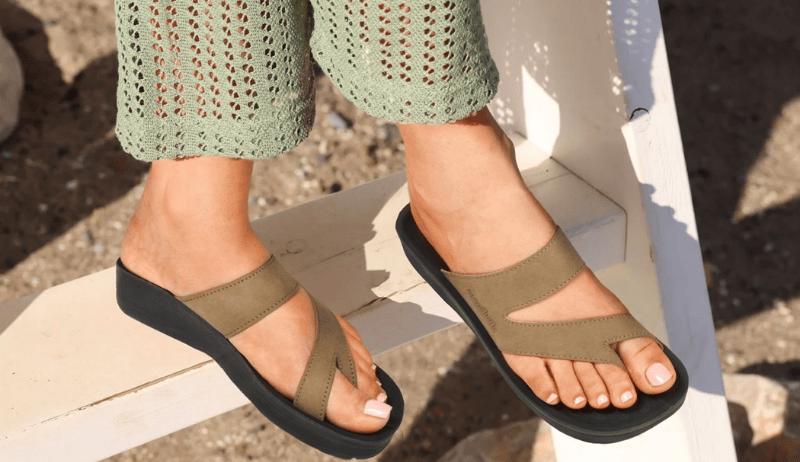
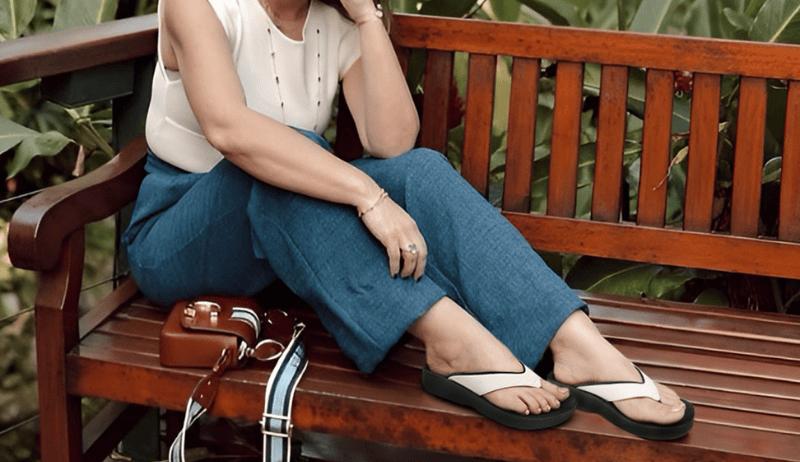
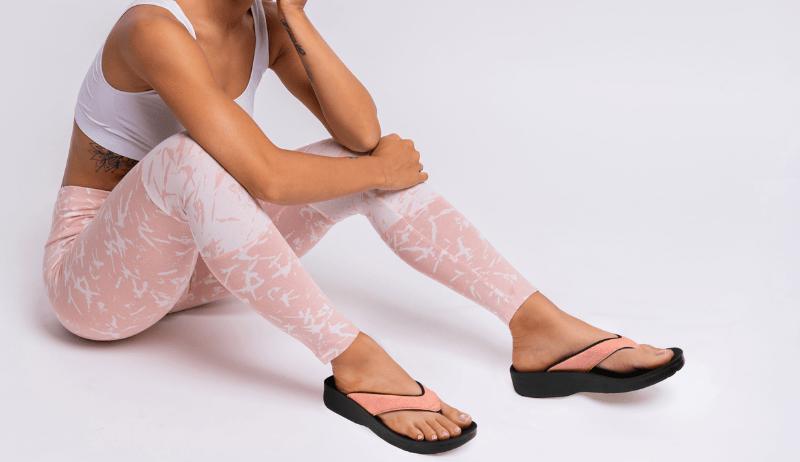
Supportive footwear does not have to look medical. Brands are starting to be more thoughtful about merging aesthetics with function.
Neutral colors, suede fabrics, and understated shapes can make your orthopedic slippers
fit right in with loungewear or outfit you would normally wear. The truth is, if your footwear looks good, you are likely to wear regularly.
Consistent wear is a key factor in reducing plantar pain.
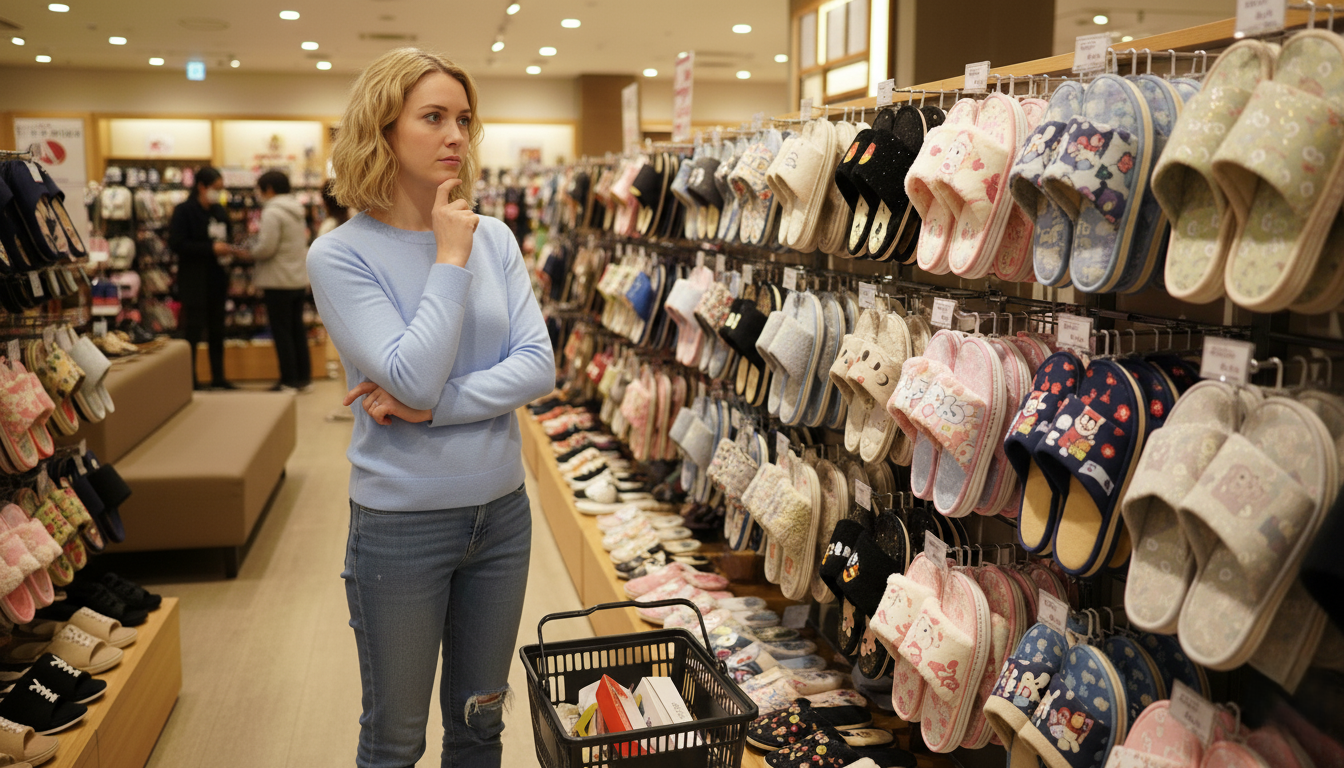
Try it Befor You Buy — Fit is Important
Even the best slipper design won't mean anything if the fit if it isn't right. Your arch placement needs to be in line with the orthotic support, and heel should fit snugly in the heel cup without slipping.
Even if you are shopping within the brand you typically wear check their sizing guides, and keep in mind you should measure each foot (your two feet do not always measure exactly the same). Be sure to also read any consumers reviews which discuss fit especially by the comfort brand.
If you are between sizes go with the size that allows your toes to rest without pressing against the edge. Cramped toes will create their own problems!
Gemma Warm Women’s Slipper

Among all the footwear that emphasizes comfort, the Gemma Warm Women’s Slipper is notable for its unique combination of comfort and support. It has a contoured arch, a deep heel cup, and plush lining for the best comfort and support, and is suitable for those with plantar fasciitis, flat feet, or simply tired feet.
It features a footbed providing targeted cushioning to relieve pressure on the heel of the foot, and the faux-fur lining adds warmth and coziness during those colder winter mornings. Its orthopedic support rests under an attractive everyday slipper - you have the feel of a fuzzy slipper with the science of proper support.
It’s an example of how modern fuzzy slippers for women can look nice and help manage chronic foot pain.
Everyday Strategies for Comfortable Ambulation
Waiting for the appropriate footwear isn't the only consideration; use a variety of strategies to manage comfort. Here are a few simple daily behavioral modifications to consider.
Stretching before stepping: Do a gentle calf stretch each morning to relieve tension on the plantar fascia when you first stand.
Do not go barefoot: In particular, do not walk barefoot on hard surfaces like tile and wood floors, instead put on supportive footwear.
Replace slippers: After daily wear, even a structured footbed will compress over time. If you wear them daily, replace with a newer pair every 12-18 months.
Why Comfort Feeds Confidence
Foot pain can silently sap your energy and mood, limiting how long you can stand, walk, or participate in everyday activities. Finding slippers that can actually support your body is not only a physical relief but emotional comfort too.
The day unfolds differently when you wake up and take those first few steps without pain. For this reason, comfort footwear is not a luxury, but instead a small act of self-care that ultimately adds up.
Support Starts at Home
Plantar fasciitis and flat feet need not monopolize your comfort. By choosing slippers that have structured arch support, company soles, and soft, but breathable material, you can transition your at-home routine into a healing one.
A right pair of slippers is about more than softness, it’s about support, balancing, and relief. Because real comfort is not in soft foam, but in the way your foot is supported every step of the way.
So next time you are searching for slippers, ask yourself: do these slippers care for me like I care for comfort?