As winter begins across the United States, the majority of us will reach for warm slippers, supportive clogs, and shoes designed for all-day comfort. The pair you are wearing most often - whether a reliable suede leather clog or cozy winter slipper - is likely doing much more than carrying your weight. It supports your posture, keeps you warm, and often becomes part of a daily ritual.
But the best shoes can age quickly when neglected. Water stains, dried leather, and worn soles are signs of simple maintenance that have gone undone. Fortunately, a few thoughtful habits can greatly extend the life of your shoes and have them last years instead of seasons.
We have identified five ways to extend the life of your favorite pieces of suede leather footwear without any fancy tools or difficult instructions.
Clean Often — A Bit of Dust Can Create A Lot of Harm
Dirt is more than cosmetic. If dust, fine dirt, or grit has accumulated in your shoes — think about the grime from streets and carpets or driveways — that dirt acts like sandpaper against the suede surface.
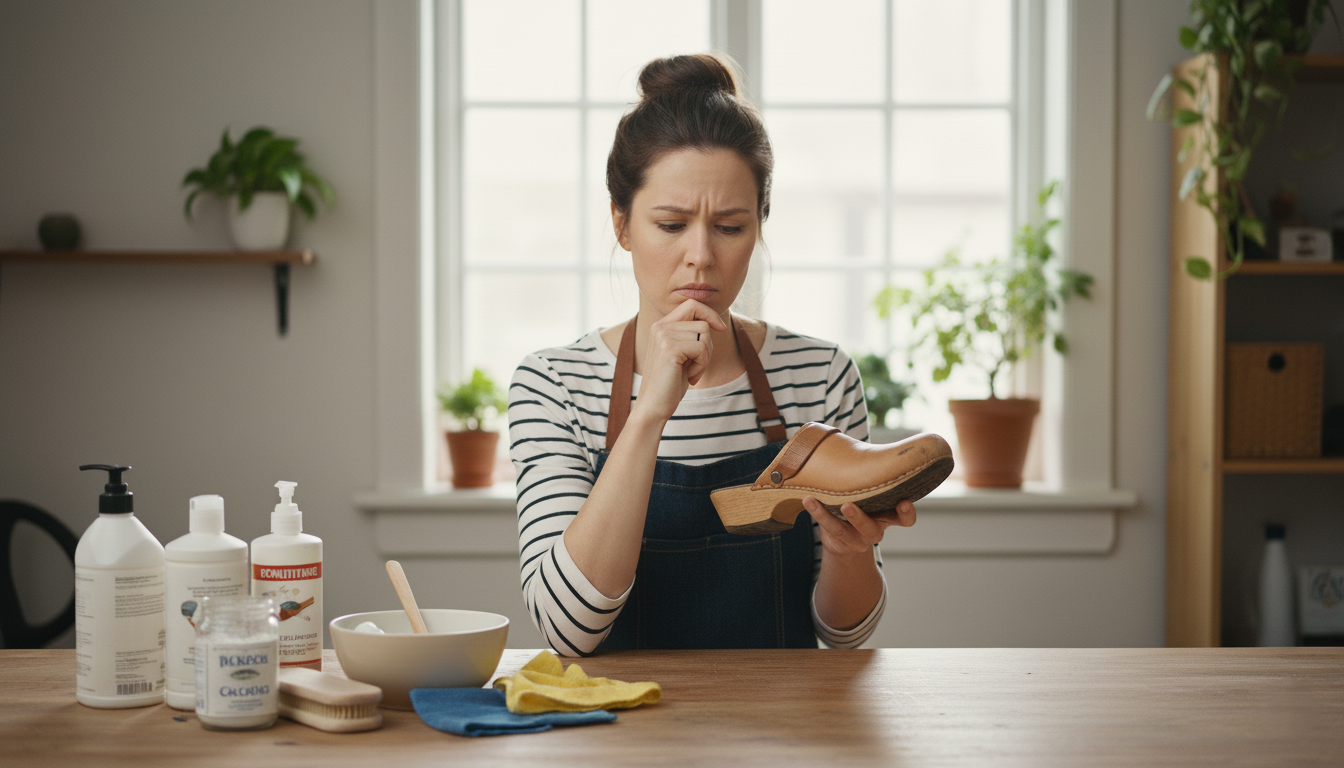
Use a soft suede brush to clean your shoes gently, once or twice a week. For tougher areas, a microfiber towel that is slightly damp works well too. Make sure to dry your shoes after cleaning, but air dry. Don't put suede leather close to a heat source.
Cleaning your shoes regularly is important in maintaining their clean appearance, but in addition to cleaning your shoes of dirt and grime, you are also protecting the fibers that give the suede its desired scrunchy and textured appearance. A blockage of dirt dirt may lead to fibers breaking down, meaning your shoe will not hold its shape as long, may crack, or may fade.
Condition — Keep Leather Soft and Supple
Just like our skin needs moisture, leather needs conditioning. If leather is not conditioned it can dry out, causing damage to the integrity and flexibility of the leather.
A suede conditioner or nourishing spray that is dedicated for suede treatment will allow you to condition your shoe. Use that conditioner every couple of months to replenish the natural oils needed to prevent stiffness and maintain the buttery softness you loved about the suede.
If your shoes have inner linings of any sort (wool or faux fur) or textiles, condition the outer surface so that the leather maintains balanced moisture levels in the inside of the shoe to minimize odor and long-term damage.
Water Protection – Prioritize Prevention Over Repair
Footwear takes a lot of abuse in the winter months. Snow, salt, and moisture are the quiet enemies of suede leather footwear, yet prevention is easy.
Before you wear suede leather footwear for the first time at least for the season, apply a protective waterproofing spray made for suede leather and reapply every few weeks. The waterproofing spray adds a layer of protection against stains and prevents water from penetrating into the fibers of the suede leather.
If your leather shoes do get wet; stuff them lightly with tissue to absorb moisture and allow to air dry. Do not use a heater or blow dryer; heat dries out leather and hardens adhesives.
Rotation and Restfulness – Allow for Steaming and Air Movement
If you wear one pair of shoes or boots every day, you are compressing the footbed and trapping moisture in the shoe. That warm enclosed environment significantly decreases the longevity of any shoe, especially shoes that have arch-support cork or EVA bases.
If you buy a pair of shoes, boots, or clogs, wear a different pair the next day. Use a couple of pairs or the week you wear leather, suede, and other shoes or boots the next day at least every day. After a day of resting, the shoe will decompress, and you will not deform the cork or EVA siding.
For clogs or slides that are leather, consider using cedar shoe trees to preserve their shape and to absorb excessive moisture overnight for any shoe or boot. This is a minor effort that can significantly lengthen comfort and longevity.
Act Quickly — Don't Wait until It's Too Late
Most footwear isn’t old — it’s neglected. If you ignore small cracks, holes in soles or loosening seams, the damage will usually only grow larger.
When you first see wear on your clogs or slippers, simply take them to a cobbler in your community. Early repair of a heel or a sole costs a fraction of what a new pair would cost you. The same holds true for re-glued linings or a patch for a loose stitch.
It is all preventative care, as a quick, small repair now will provide you with possibly months of wear.
Atlas Fur Genuine Leather Fur-Lined Clogs

One great example of how to prolong the longevity of an item is the Atlas Fur Genuine Leather Fur-Lined Clog
This clog is made from UPPAH genuine suede leather with a wool lining for warmth and comfort plus supportive cork footbed for comfort and stability for your toes and the bridge.
When you treat these shoes using the methods noted above - brushing off debris with a soft bristle brush or sponge, condition your suede leather with a quality repellent, rotate your footwear with a preferred pair, and repair all damage when you first notice it, not only does your shoe look better year after year, but the shoe continues to hold its original arch support and plush feel.
It's just an example of how small habits greatly extend the life of your quality footwear.
Little Actions, Big Benefits
Looking after your suede leather shoes is not rocket science. It is a quiet investment in comfort, warmth, and reducing waste. Each time you brush dirt from them, condition them, and allow overnight rest, you are extending their life, one step at a time.
This winter, avoid the urge to replace your favorites with new shoes. Take care of them and they will take you thousands of comfortable steps for many winter seasons ahead.
Which shoes in your closet might appreciate your extra affection today?