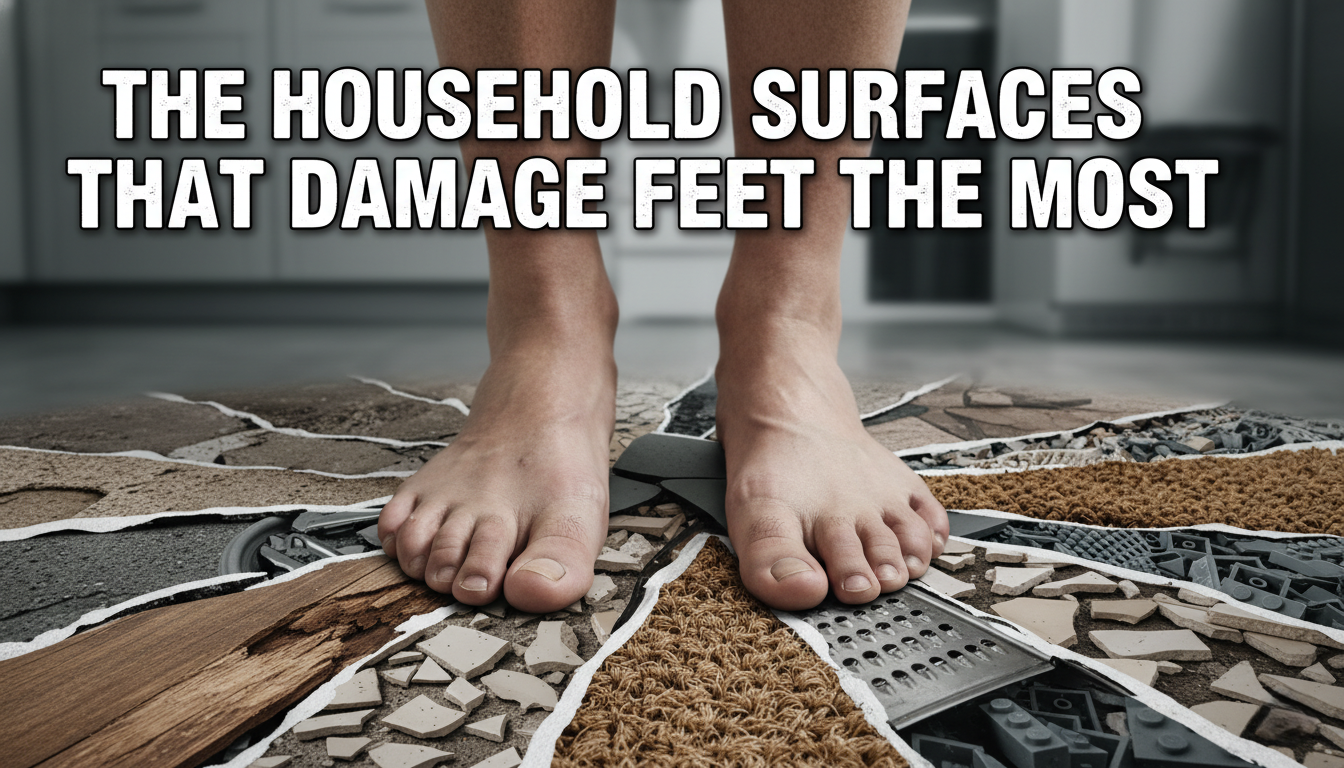
Most people attribute foot pain to activities like running, having a long day at work, or wearing uncomfortable shoes. It is, however, hardly any that the real harm is most of the time at home — the place we usually walk without proper support, stand for a long time while doing chores and walk on floors that are more injurious to the feet than any other outdoor surface.
From the tile which seems to be made of concrete to the hardwood which does not offer any shock absorption, the feet in most cases are quietly overburdened with these common household surfaces. This, in turn, leads to various problems of the feet such as the arch of the foot flattening, heel pain, and ball-of-foot pressure, as well as the general fatigue which even affects the body’s alignment.
What is encouraging about it is that these issues can be solved. By taking the right decisions — for example, women wearing clogs that give stable cushioning — any person can keep their feet safe from the dangers that are not visible but are present in their homes.
This article tells you about which flooring surfaces in a house do maximum harm to the feet, why these surfaces lead to such damage and the simple remedies to it before it can grow into long-term pain.
Why Household Floors Are Harder on Your Feet Than You Think
Mostly, indoor floors are meant to look good rather than be tough. The feet, on the other hand, are supposed to cushion the blow through their natural padding, movement, and flexibility. Hence when these natural means meet the stiff floors of the modern world, the feet become the most vulnerable to the incoming stress.
In contrast to nature, household floors are deprived of subtle motion, depth and natural are which your feet depend on. This leads to repetitive strain even if at the same time normal daily tasks are performed.
Likewise, standing while cooking, walking between rooms, folding clothes, or doing dishes may not be considered as "hard work," but the feet react to it differently. These instances usually comprise of standing still, taking repetitive steps, and walking barefoot, which, if done for a long time, will quickly accumulate.
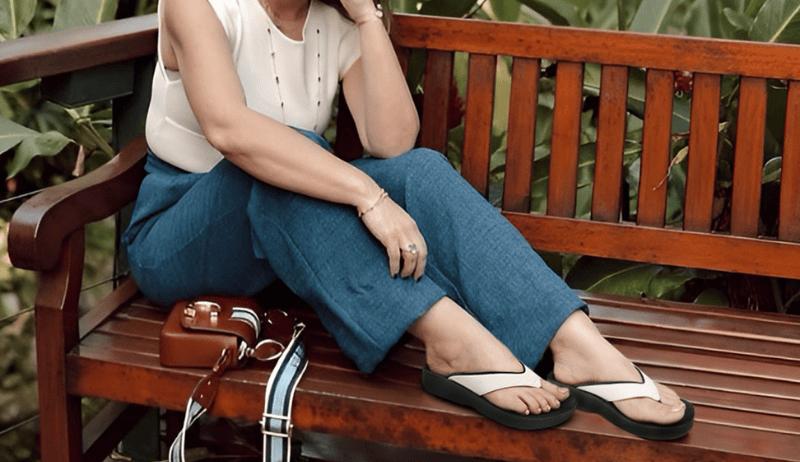
Supportive footwear can be a great shield against this strain. For instance, leather clogs women can bring in stability and if a person is moving around the house for long hours, structure can be given to that person by such footwear.
Tile Floors: The Most Punishing Surface for Feet

Tile is stylish and made to last, but its tight packing makes it very hard to the feet. If not, one would say it is basically walking on solid stone.
Why Tile Damages the Feet
The reason for tile walking to be hard on the feet is that there is zero cushioning in tiles. A step on a tile is very likely to be followed by a jolt up the heel, arch, and ball of the foot, as the impact is directly transferred without even a slight shock absorption in the tiles. Over time, this is the main cause of:
With time just the heel becomes overly sensitive; plantar fascia becomes easily strained; arches get tired faster; discomfort in the ball of the foot develops; calves become tight besides that.
Also, tile feels colder and for this reason, the muscles in the feet contract and become stiff trying to warm up the area. Cold muscles are more vulnerable to pains and micro-injuries.
How to Fix Tile-Related Foot Pain
First of all, it is important to have some comfortable and cushioned mats close to the sinks, cooking areas, and workstations. Next, indulge in supportive indoor footwear with a stable midsole. Avoid prolonged barefoot walking, especially during the morning hours.
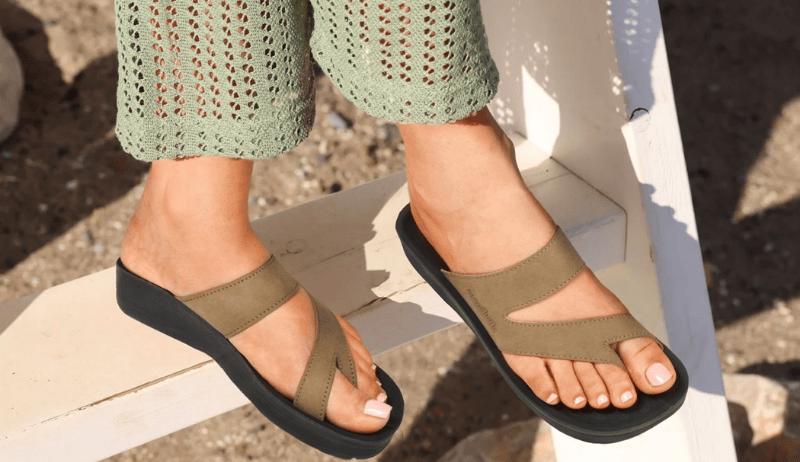
Wearing soft and well-structured pieces such as women’s suede clogs not only gives natural protection to feet while walking on tiles but also provides enough breathability and comfort for home use.
Hardwood Floors: Beautiful but Biomechanically Stressful
Hardwood is more cozy and a little bit softer when compared to tile, however, it is still considered a rigid surface with hardly any shock absorption.
Why Hardwood Causes Arch Strain
Hardwood is a surface without any depth. Micro-impacts from everyday steps very quickly accumulate, particularly if one is carrying groceries, watering the laundry basket, or pacing whilst talking.
Hardwood contributes to:
Hardwood also becomes slick as time passes and thus, it creates instability which in turn forces toes to grip the floor for balance. The gripping motion thereby overworks the plantar muscles.
How to Protect Your Feet on Hardwood
Put area rugs to cover high-traffic hallways and living spaces. Besides this, energize the arch through simple daily exercises. Additionally, indoor footwear with structured cushioning can be used to great effect that is by helping forefoot pressure to diminish and overpronation as well as arch collapse prevention going on hardwood to be made by suede clogs.
Cement or Concrete Subfloors: The Hidden Hazard Under Carpets
Some houses have cement bases underneath the thin carpet or vinyl. These laminates offer cosmetic softness but hardly any real support.
Why Subflooring Matters
Cement is mainly a source of shock and it is directly transferred from the floor into the body. Even if the carpet feels soft, the hardness underneath is still impacting the feet.
The symptoms that come with cement subfloors are:
Besides chronic heel discomfort, worsening of arch fatigue, increased toe pressure, and hip and lower back tightness is also experienced due to cement subfloors.
How to Fix the Problem
Memory foam or padded rugs should be used in areas where there is a lot of standing. Also, one should go for indoor footwear which has structured arch support. Additionally, worn-out slippers can be changed for ladies' suede clogs which are designed for foot health.
Most people experience relief when they wear ladies suede clogs because such shoes offer not only softness but also a stable footbed ideal for a long period of standing.
Vinyl and Laminate Floors: Soft on the Eyes, Hard on the Body
Vinyl and laminate are favorites because of their being attractive and cheap. However, from a biomechanical point of view, they behave like hardwood.
Why Vinyl Hurts Your Feet
The main drawback of these surfaces is that they are thin and rigid. They do not compress underweight and at the same time, provide no rebound. In addition, laminate has qualities of a slippery surface thus, the muscles in the foot have to work harder in order to maintain stability.
If the person follows such a routine, he or she will eventually develop:
Daily household chore will then be a source of foot fatigue.
How to Counteract Vinyl-Related Foot Stress
Good footwear should be prioritized at home. An important part of the routine should be daily stretching to relax the Achilles and plantar fascia. One should never indulge in barefoot cooking or cleaning. Footwear with anatomical shaping, such as suede clogs women, can help ease foot pressure and thus, lessen foot stress caused by hard surfaces at home.
Marble Floors: Luxurious but Extremely Fatiguing
Compared to almost all other surfaces, marble is heavier, denser, and colder.
Why Marble Intensifies Foot Pain
The reason for such is the density of the material that causes the maximum impact to be made at every step. Apart from that wouldn't marble also be a not-so-good-walking-surface when it stays cold, since that tightens the plantar fascia and reduces blood circulation? Most of the time people realize pain just after a few minutes of walking barefoot on marble.
How to Prevent Marble-Related Strain
Cushioning should be added through the use of mats in the bathroom, kitchen, and hall areas. Structured indoor footwear should be worn at all times. Barefoot walking can be done at any time, but not right after waking up.
Supportive styles like clogs with arch support help in stabilizing the mid-foot and hence, the harsh impact of marble flooring can be lessened.
The Real Reason Household Floors Cause Foot Damage
The core issue with household floors that cause foot damage is not merely the hardness of the floors — the problem is the combination of walking barefoot, poor shock absorption, and prolonged daily exposure.
At home, people usually:
- During housework, they stand for a long time
- Walking barefoot or in flat slippers
- By repetitive crossings of the same surfaces, they move
- Without realizing that they spend hours on hard floors
The daily routine gradually makes the feet undergo the work of the body, even if there is no high-intensity activity.
The quickest solution is structured footwear use in the house. Feet need the soft yet supportive cushioning that modern floors lack and comfort clogs provide just that.
What are the Hidden Risks of Walking Barefoot Indoors?
Barefoot walking is considered by most people to be “natural,” but the indoor environment is totally different from the earth or grass.
Walking barefoot on hard flooring is a cause of:
- Overpronation
- Fallen arches
- Heel pressure
- Toe gripping
- Plantar fascia strain
- Joint misalignment
Hard surfaces such as tile or hardwood make walking barefoot similar to walking on pavement — only that the exposure is more frequent. This explains the reason why foot fatigue is felt even though a person does not go out of the house.
The use of indoor footwear is a solution to these kinds of repetitive stresses.
How the Proper Footwear Your Feet at Home
The best solution to the problem of foot strain due to household surfaces is putting on shoes that are designed for support, stability, and shock absorption.
To make the most of their protective role, supportive footwear must come with:
- A deep heel cup that stabilizes the heel
- A contoured arch that alleviates mid-foot stress
- Cushioned midsoles that take in repetitive impact
- Soft uppers that do not irritate
- Stable outsoles that are good for balance
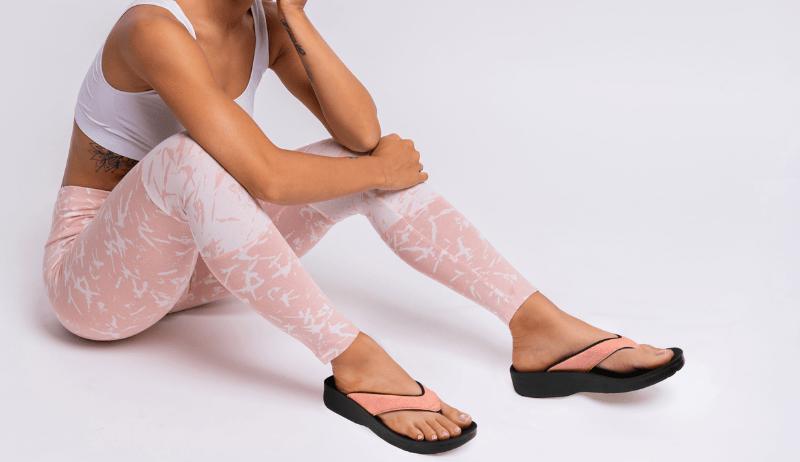
Shoes inspired by a therapeutic model, e.g., comfort clogs, carry the potential of not only preventing recurring stress but also of securing the long-range foot health.
What Kind of Footwear Is the Most Effective on Hard Household Floors?

Most home shoes are not good for the feet. Thin slippers and flat flip-flops commonly aggravate the pain instead of alleviating it.
The best indoor options are:
1. Supportive Clogs
Clogs are at the midpoint of the two extremes, i.e., cushioning and stability. As a result, they are perfect for people who are "on the go" during household work for long hours.
2. Leather Styles for Durability
Good leather uppers provide more support to the whole construction. Besides, a perfectly fitted leather upper will not only facilitate stabilization of mid-foot but will also keep the foot firmly fixed. The styles such as women's clogs with structured footbeds are great for promoting good balance.
3. Suede Designs for Softness
Soft uppers are there to protect the skin from irritation and to provide comfort for long periods of use. The likes of womens suede clogs give the user a gentle, pliable feeling while at the same time support is maintained from underneath.
4. Breathable Designs for Year-Round Comfort
Breathability feature impedes overheating during Exercises and is good for keeping the feet comfortable if they are worn for a long time. Variants like womens clogs with ventilated uppers deliver comfort from morning till night.
How to Choose the Right Supportive Clogs for Home Use
When determining what supportive indoor footwear to get, make sure the pair has the following features:
- Arch support that is contoured
- Midsoles that can absorb shocks
- Outsoles that are stable and will provide better balance
- A heel structure that is supportive
- Uppers that are soft, but strong
- Materials that prevent slipping
- A footbed that is in harmony with the natural curve of your arch
Such a mixture would provide comfort, protection, and support which would last for a long time and could be used on any household surface.
Household Floors Can Harm Your Feet — But You Can Fix It
Tile, hardwood, marble, vinyl, and concrete are all hard surfaces that people repeatedly put their feet on. After a while, this causes arch fatigue, heel pain, and a general feeling of foot discomfort even in individuals who lead an active and healthy lifestyle.
However, the remedy doesn't call for a drastic change of the house. Supporting your feet through good habits and using the right footwear is all that is needed.
By making small changes — using cushioned mats, doing regular stretches, and wearing clogs that provide arch support, which is a type of supportive footwear — your home can turn into a place where your feet can relax and regain their strength instead of getting worn out further.