The office lifestyle of today seems pretty comfy from the outside. No hard work. No walking long distances. No intense physical strain. But the feet of a desk worker speak of a different tale. They are hidden under the desk and are being neglected for hours, which is why they silently endure stress that is increasing day after day - stress that most people are not aware of until the pain reaches such a level that it can no longer be left aside.
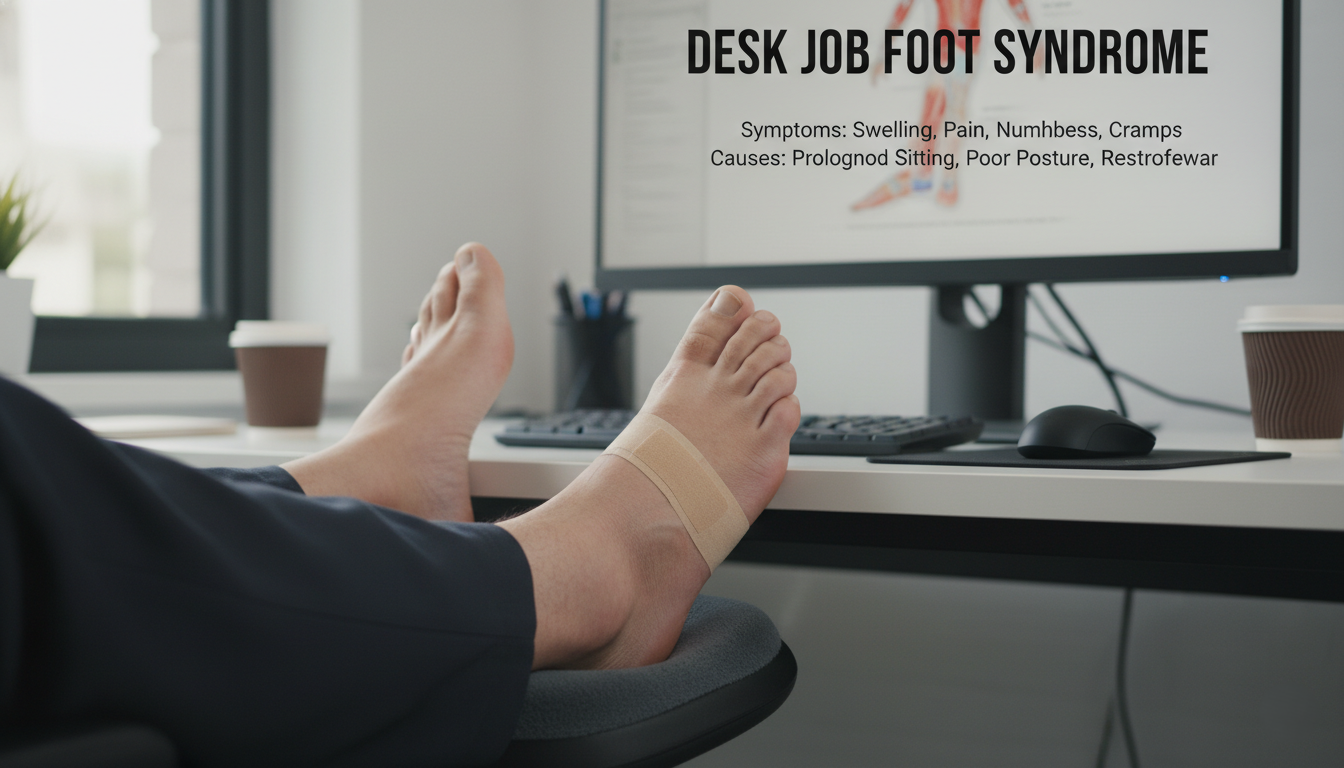
This escalating problem is called Desk Job Foot Syndrome.
It is not a real medical condition, however, it is a very good description of the feet that suffer in silence from the damage that comes as a result of spending 8-10 hours of a day in the same position, without circulation, proper support, or healthy movement. So, what it the outcome? There is a vicious circle that is very likely to result in tightness, swelling, heel pain, arch strain, toe stiffness, and changed walking mechanics which, in turn, may cause the entire body to be affected.
This piece of writing explains the formation of Desk Job Foot Syndrome, the reasons why women usually feel its effects more and what you can do to stop it before it becomes irreversible. We will also talk about some simple footwear-based recovery habits such as how supportive options like women's recovery sandals and other comfort- and health-oriented footwear can help you to regain a healthy body alignment after work hours.
What Is Desk Job Foot Syndrome?
Desk Job Foot Syndrome is the gradual foot discomfort and the loss of the foot functionality that happen as a result of the lengthy hours of the immobile feet. It is the case when the feet:
- are kept firmly planted on the floor without any movement
- suffer from blood flow restriction for long periods
- are in unsupportive shoes
- carry postural pressure from the hips and lower back without realizing it
- get micro-strain while walking after staying still for a long time
- get used to bad daily patterns that overload certain foot structures
The issue starts to grow gradually. Initially, there is no noticeable problem - perhaps a little tightness after standing up or a slight soreness after walking around the office. Later on, this will be heel pain in the morning, achy arches, stiffness when going upstairs, or a burning sensation under the forefoot after lunch breaks. Most people consider these early symptoms as "normal discomfort", however, they are the very first stage of mechanical imbalance.
Why Sitting Hurts Your Feet More Than You Think
Working long hours at a desk creates the perfect conditions for foot strain. Here is what takes place inside your body when you sit too long:
1. Blood Flow Slows Dramatically
The whole circulatory system is very much dependent on a muscle activity to be able to pump the blood up to the heart. If you sit still for several hours, the pumping will stop as well. That is how swelling may occur in the feet while nerves become irritated and tissues are compressed.
2. The Arch Loses Its Natural Elasticity
Without any movement the plantar fascia gets stiff - one of the most frequently injured structures in the foot. A hardened plantar fascia causes the arch to become painful and makes the very first steps after sitting terribly difficult.
3. The Calf Muscles Tighten
Contracted calves cause the Achilles tendon to get shortened. Thus more and more the heel and the arch are subjected to additional pressure which leads to such problems as plantar fasciitis in the long run.
4. Posture Transfers Stress Downward
Improper work desk posture is not only bad for the neck and the spine. It also alters your lower body alignment making your feet less balanced in terms of weight distribution when you are standing.
5. Office Footwear Makes It Worse
There are a lot of women who wear fashionable office shoes that are narrow, flat, or lack support, and that is what most probably their feet will suffer from. As a result, friction, limited toe movement, and poor shock absorption are some of the consequences that eventually will lead to the effects of long hours of sitting being intensified.
Early Signs That You Might Already Have Desk Job Foot Syndrome
Among mild symptoms that desk workers frequently overlook, these early signs are quite important:
- Heel pain when getting up from your chair
- Lunch tightness of the arches
- A feeling of heat in the ball of the foot
- Toes that feel stiff or "locked"
- Calves that become tight within a few minutes of walking
- The feeling of tension spreading into the knees or hips
- Slight pain at the end of the working day
If only one of these situations sounds familiar to you, then your feet are crying out for help because they are under more pressure than you think.
Reasons Why Women Are More Susceptible to Desk Job Foot Syndrome
Women encounter some biomechanical and lifestyle factors which in their case sitting for a prolonged period has more severe effects:
1. Footwear Style
Most womens office shoes are the ones that squeeze the toes, without giving support to the arch, or have a heel, thus resulting in alteration of the foot mechanics and acceleration of the strain process.
2. Natural Foot Shape
From a biological point of view, women usually have lower arches and more elastic ligaments, which in turn makes them prone to overpronation and arch fatigue.
3. Hormonal Influences
The reasons for that can be changes during the monthly cycles, pregnancy, or menopause as ligaments may get temporarily softened and weight distribution altered thus resulting in the feet becoming more stressed when sitting for a long time.
Daily recovery thus becomes mandatory. Supportive footwear choices outside the working hours can be of great help - among these there are comfort-first options like women's recovery slides which are good for proper alignment after a long period of immobility.
The Concealed Long-Term Effects: What Comes After If You Dont Take Any Measures
Non-recognition of Desk Job Foot Syndrome may result in causal effects that include but are not limited to:
- Chronic plantar fasciitis
- Persistent heel bursitis
- Achilles tendon stress
- Metatarsalgia and forefoot pain
- Knee and hip misalignment
- Nerve compression
- Decreased mobility
- Long-term changes in gait mechanics
These are not only the factors of pain, but they also affect the person's energy levels, productivity, and mood, and also the ability to be active. The sooner you take action, the simpler it will be to turn it around.
How to Change the Pattern: Solutions That Bring Results
Reversing the effects of a desk job on your feet does not require going to the gym or making big changes to your lifestyle. It basically involves small and consistent habits that bring back your mobility, improve blood flow and support the natural alignment of your feet.
1. Incorporate Movement Into Your Workday
Make a habit of getting up from your work every 30 to 40 minutes. Take a walk for just one minute. Move your ankles. Stretch your calves. Micro, movement is very effective because it brings back blood flow and keeps the tissues from becoming stiff.
2. Adjust Your Sitting Position
A standard spine, relaxed shoulders, and both feet placed flat on the ground lessen the pressure on the arches and the heels. If the height of your chair is not suitable, either too high or too low, make the necessary adjustment.
3. Take Care of Your Feet at Home
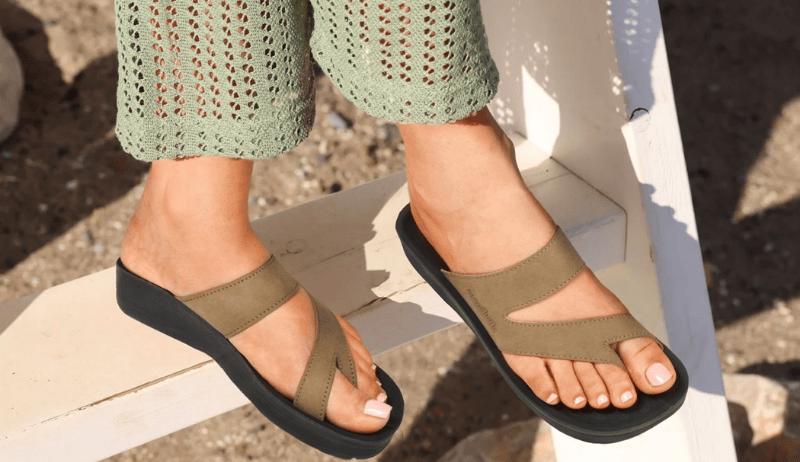
Wear some comfortable recovery footwear which will be the opposite of the day's stress. There are many women who prefer options like recovery sandals women's for better cushioning around the arch and the heel during the period of relaxation after the work.
4. Develop the Intrinsic Foot Muscles
Basic exercises like toe curls, heel raises, and arch lifts help in the process of rebuilding strong support which in turn lessens the risk of long, term strain.
5. Work on Your Calf Flexibility
Almost all foot pains that are associated with a desk job are caused by tight calves. Gentle stretching for a few minutes twice a day can greatly increase the range of motion.
6. Review Your Work Footwear
Wear shoes that have padding, provide support to the arch, and are roomy enough to allow the toes to move naturally. The correct pair of shoes is what keeps the user free of pain from the start.
7. Wear Supportive Footwear During Non, Working Hours
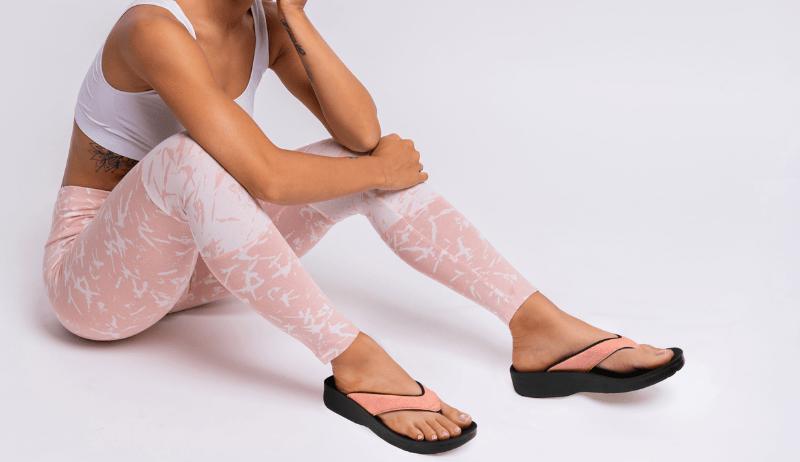
The time after work when one is to recover is most usually forgotten although this is when the body needs it the most after long office hours. There are many women who take pleasure in such options as recovery slides women's because they contribute to the restoration of alignment and the relaxation of overworked tissues.
8. Put Your Feet Up in the Evenings
Around 10 minutes of foot elevation is enough to lessen swelling, facilitate blood circulation, and alleviate that tired feeling at the end of the day.
Why It Is So Important to Wear Recovery Footwear While Fighting Against Desk Job Foot Syndrome
At work, your feet are limited to a certain position for hours on end. So, they need some purposeful and restorative things afterwards.
- Supportive footwear is good for:
- Reducing the tension in the plantar fascia,
- Helping the heel to get better cushioning,
- Facilitating the relaxation process,
- Decreasing overpronation and its effects,
- Helping the body to keep natural alignment,
- Giving back healthy circulation,
For that reason, quite a few podiatry, informed brands that are women, centered promote recovery footwear at home to be adopted by women. An item like a women's recovery sandal delivers soft cushioning, structural support, and gentle realignment that help tired feet after a long period of inactivity.
The point is consistency: your feet will be in their best condition when supported every day and not only when the pain is at its peak.
Time for Visiting Professional Help
If your discomfort is:
- Constant,
- Sharp,
- Getting worse,
- Disturbing your walk,
- Going up to your knees or hips,
then it is the time to see a foot doctor or a physiotherapist. Treatment at an early stage keeps away serious health issues that may come in the long run and allows one to fix the right body mechanics before getting habitual changes.
The main point: Desk Job Foot Syndrome Can Be Avoided
Working at a desk may seem like a good thing, but the truth is that your feet are in need of movement, support, and care if they are to remain healthy. The biggest mistake office workers make is to dismiss mild symptoms, what starts as infrequent stiffness can become chronic pain quite rapidly.
Thus, simple daily rituals, the right footwear and a proper recovery routine will not only stop the damage but will also keep the feet in good shape for the future. It does not matter if you decide to wear supportive pieces such as women's recovery slides when your workday is over or you start wearing structured comfort footwear at home, the goal is one and the same: allow your feet to recover from the unseen stress of long sitting hours.
Your feet are the ones that support you all through your life, it is not an option to give them the care they deserve, it is essential.