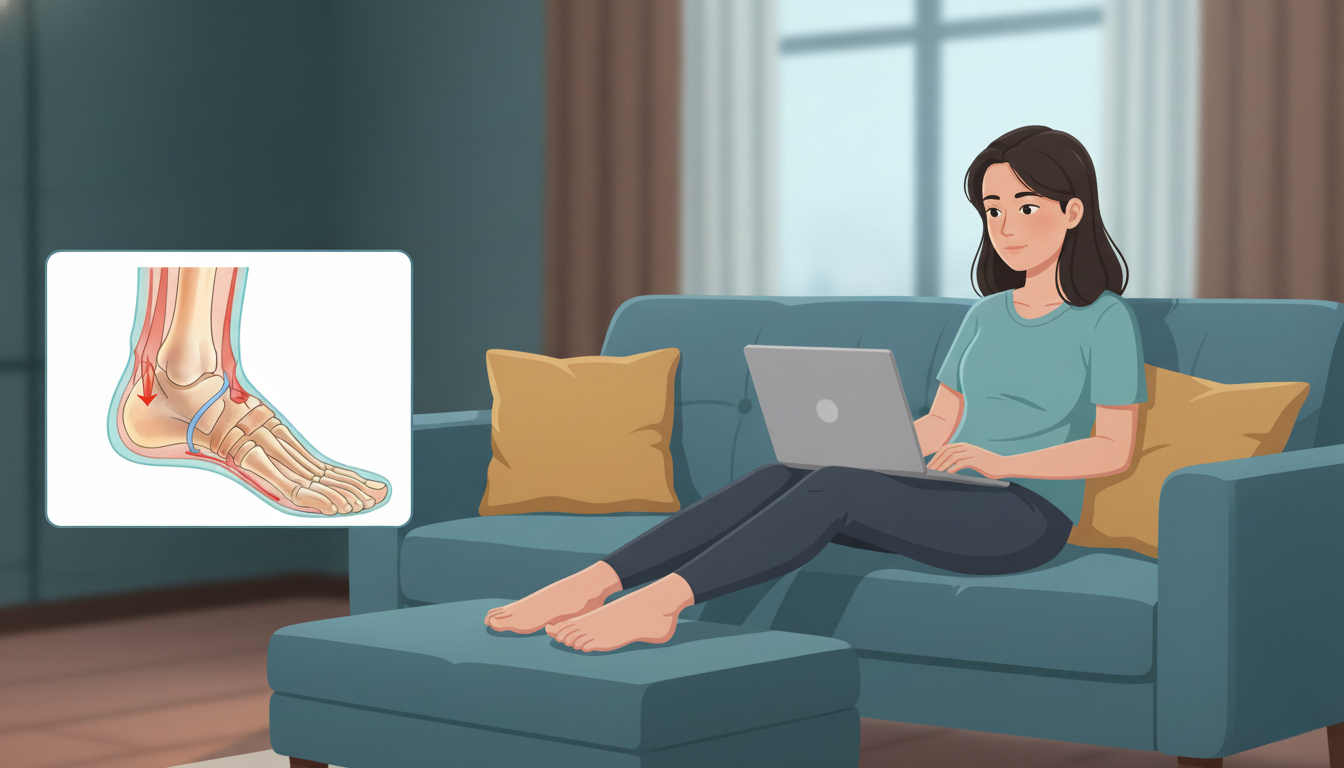
Generally, people link foot pain to standing for long hours, walking long distances, or wearing uncomfortable shoes. What they don’t expect is that sitting too much — especially in long, uninterrupted stretches — can slowly weaken the arches and the foot structure can get changed entirely without them noticing. Unfortunately, it has become one of the most common hidden causes of arch discomfort, chronic foot fatigue, and persistent heel tension in today's desk-based lifestyles.
The feet are not made for staying still. Every tendon, ligament, muscle, and bone in the arch is dependent on activation for their existence. A body in a sitting position for hours disengages these small but mighty structures which results in loss of their strength, elasticity, and responsiveness. Eventually, this situation is going to cause arch weakening, decrease in shock absorption, and even the first signs of collapse of the foot arches.
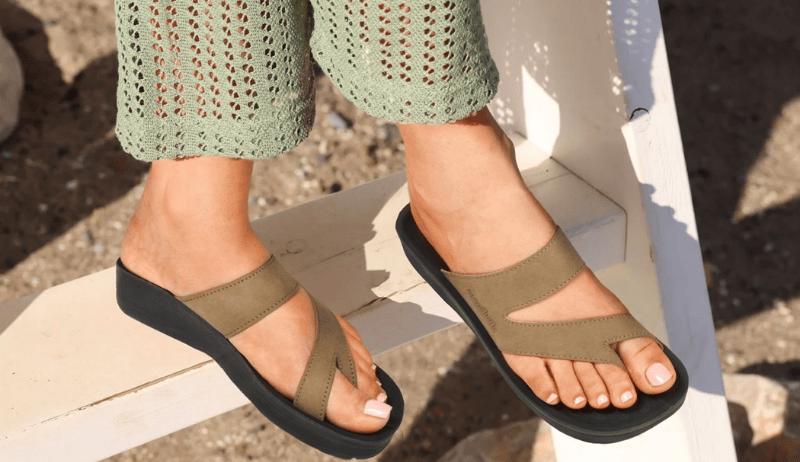
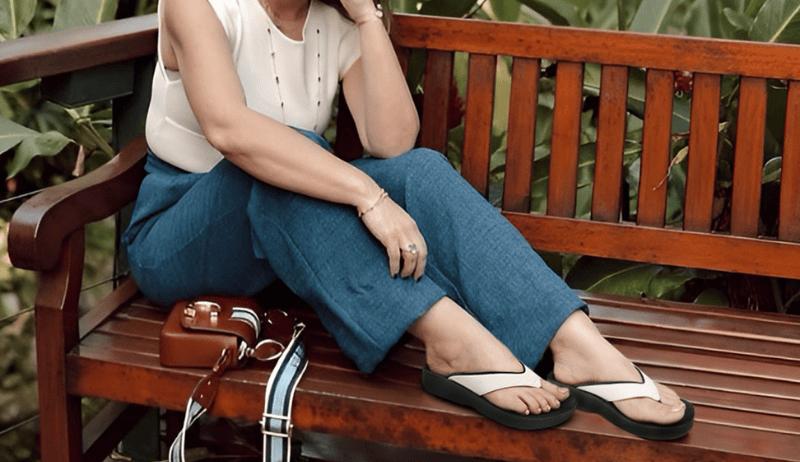
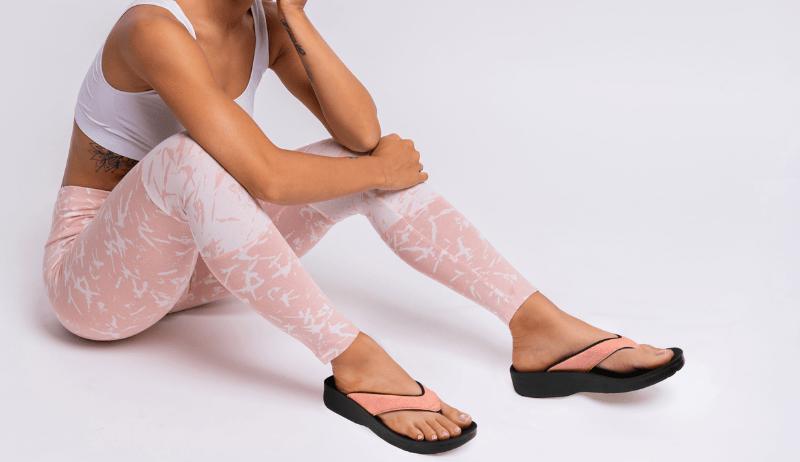
Here, we will explain the ways in which long hours of sitting can harm the arch, the symptoms of which, early warning signs, and what kind of the footwear can help not only to restore normal mechanics but also provide comfortable recovery hours like arch support sandals for women that offer gentle support even during your rest time.
Why Sitting Weakens Your Arches More Than Standing or Walking
Though standing may bring about fatigue, sitting for extended periods is what causes deeper and less apparent problems. The arch of the foot is similar to a spring. It grows, shrinks, and adjusts with every step. However, if the foot arch is not exercised for several hours, quite a few biomechanic changes will occur.
1. The foot arch muscles lose the power to work
The intrinsic foot muscles are responsible for the shape and the height of your arch. The long-time lack of movement will eventually make these muscles so weak that they will no longer be able to function. The mechanism is the same as when arm muscles atrophy due to disuse - however, the consequences for feet are much more serious because the arches support the entire body during the movement.
2. Blood circulation gets worse
One of the effects of sitting is that the pumping motion that is usually done by the muscles of the legs is reduced. This means that there is less blood coming to the feet and, therefore, the tissues in the arch become stiff, they get less oxygen, and are slow in recovery even from mild activities. This makes the arch more prone to becoming inflamed.
3. Plantar Fascia Gets More Tense
Pp>Plantar fascia is a very long and thick layer of tissue that is attached to the bottom of the foot. This tissue closes and loses its ability to stretch when someone is sitting for a very long duration. After a certain period of time, the tightness of the band will lead to pain in the heel in the mornings and the ripping of the arch tissues.
4. The Achilles Tendon Gets Shorter
One of the results of the shortened Achilles is that it pulls the arch, and every time, the flattening is very slight, but it happens nonetheless. So the continuation of this repetitive mechanical stress work will lead to the cycle of tension which in turn can cause a decrease in the height of the arch eventually.
5. Hip and Back Posture Impose Load on the Legs
Incorrect sitting posture - chest in, shoulders rounded, pelvis tilted, lower back slumped - makes your weight when you get off the chair not the right one. Standing is the point when the misalignments will weigh on the arch in the wrong manner that is far more rapid than in the case of fatigue.

Often people think that their foot arches are in bad shape when the pain is constant, but in fact, the human body sends different signals in advance. To help, here is a list of indications of deteriorating foot arches:
- The arches become tired or painful after a short walk
- After standing there is the feeling that the middle part of the foot has been stretched
- In the morning the underside of the heel is stiff
- Supportive shoes are suddenly needed
- Foot cramps become frequent
- When walking barefoot a feeling of "flatness" is experienced
- Calf muscles feel tight
- On uneven ground the balance is not good
These symptoms may seem minor, but they indicate structural fatigue. Taking them seriously early on can prevent long-term arch collapse.
How Weak Arches Affect Your Entire Body
Weak arches don’t just cause foot pain — they disrupt the body from the ground up.
1. More Stress on the Knees
Flattening of the arches leads to knees doing inward rotation. Thus, pressure is exerted on the inner part of the knee joint and, over time, this causes discomfort.
2. Hip Misalignment
Neutralization of stride due to fallen arches in the feet leads to hips being overused for stabilization of the body.
3. Lower Back Strain
The foot is like a shock absorber for the spine. Weak arches interfere with this function, hence, most of the impact is transferred to the lower back thus causing strain.
4. Elevated Chances of Plantar Fasciitis
When the arches are weak, the plantar fascia is overstretched thus, the occurrence of chronic heel pain becomes more probable.
5. Limited Movement
As the structures within the foot weaken, walking becomes a tiresome task, and one may find that activities such as hiking or standing for long periods become quite difficult.
The arches are the base of your body. Once they get weak, all the systems above them work differently — most of the time it results in pain that is not localised in the feet only.
Why Women Experience Arch Weakness More Often
There are few factors that may make male foot arches weak; however, women have to deal with the following risks more often:
- Greater ligament flexibility, thus more likelihood of the arch collapsing
- Hormonal cycles, which can cause temporary loosening of ligaments
- Footwear, particularly flat soles, narrow toe boxes, or fashion-oriented sandals
- Pregnancy-related changes, which result in softened ligaments and increased foot load
- Smaller bone structure, thus more strain during long periods of immobility
Due to these reasons, women are very much in need of recovery footwear that is targeted — for example, the womens sandals with arch support that help to keep the foot firm and supported when the muscles are tired.
How to Strengthen Your Arches If You Sit All Day
If you happen to be a person who spends most of the day sitting, here are some ways which you can use to strengthen your foot arches:
1. Every 30–45 minutes you should make a move
Just three to five minutes of walking is enough to bring the blood circulation to the feet and to lift the foot muscles which have been weakened by sitting.
2. Make sure to stretch your calves every day
Calf muscle flexibility is something that plays a very important role in the support of the arch. Among the easiest stretches for the calves is one against the wall and it helps to get rid of the tension that has been building up for a long time.
3. Do the exercises that have the purpose of strengthening the intrinsic foot muscles
The likes of toe curls, towel scrunches, and short-foot training are activities that cause the rebuilding of the arch through the gaining of the foot muscle power.
4. Work on improving your sitting posture
Try to have the feet flat on the ground, the hips in a neutral position, and the core engaged. Good posture is one of the ways which help to lessen detrimental pressure on the arches.
5. While you are recovering, put on comfortable and
What is worn by a person after an office day is equally important with what is worn during a workday. Women's arch support sandals, for instance, may be of great help in providing the much-needed relief from tension and also maintaining the right alignment once the working hours are over.
The Role of Arch-Supportive Footwear in Rebuilding Foot Strength

Footwear, by itself, will not fix every problem related to the arch, but a good shoe can relieve 80% of the daily tension and can be a great help to the body during the recovery process. This is very significant for those whose lifestyle involves a lot of sitting and then they expect their feet to be able to handle walking loads just like that.
Why Do Supportive Sandals Matter That Much
Quite a number of people are walking barefoot at home and do not realize that arches become weaker and are more prone to sinking when it comes to hard floors. Increased strain on the plantar fascia is the result of this process, which goes on for a long time. Supportive sandals:
- Help the foot to regain normal arch shape
- Alleviate heel pressure
- Calf muscles get less stressed
- Shock absorption gets better
- The foot fascia takes a more natural form
- The foot muscles recover as they are supported by the help of the sandals
The main idea is not to be dependent on supportive footwear always — rather it is the use of supportive footwear in a strategic way so that one can rebuild the weakened arce with the necessary strength safely.
How to Get the Most Out of Your Footwear
One of such options as the best arch support sandals for women is the provision of structure and support for the whole day to those people who are in pursuit of comfort, but without the sacrifice of foot health. Benefits of these sandals derive mainly from their usage by:
- People whose arches are starting to get weak
- Patients with mild plantar fasciitis condition
- Women who take long walks on hard surfaces
- People who are slowly getting out of their sedentary lifestyle and becoming physically active
Supportive sandals are not only a way to make life easier — they represent a biomechanical tool.
Footwear Characteristics That Help Weak Arches
To really have your shoes help with your rehabilitation, you should make sure they have of the following features:
- An indented heel cup that gives the ankle support and steadiness
- A shaped footbed closely fitted to the arch
- Cushioning that is there for absorbing the impact of the force
- A small elevation right under the mid-foot to give the arch a nice and comfortable lift
- A supportive midsole that discourages overpronation
- Spacious toe box that affords the toes their natural spread
Sitting Is Just as Harmful to Arches as Standing — if Not Worse
Similarity in the damaging effect of prolonged standing on foot strength is often overlooked by people. Weak arches are not a result of a single night, but rather come as a slow process over months or even years of inactivity. The good news, however, is that recovery is still absolutely possible.
By following a lifestyle of regular movement, foot-strengthening exercises, maintaining correct posture, and wearing the right footwear such as arch support sandals for women, there is no longer a threat of long-term collapse of the arch and healthy function can be regained by anyone.
Feet are made to be on the move — and if you take care of them properly, they will be the ones to give you comfort, balance, and strength in return.