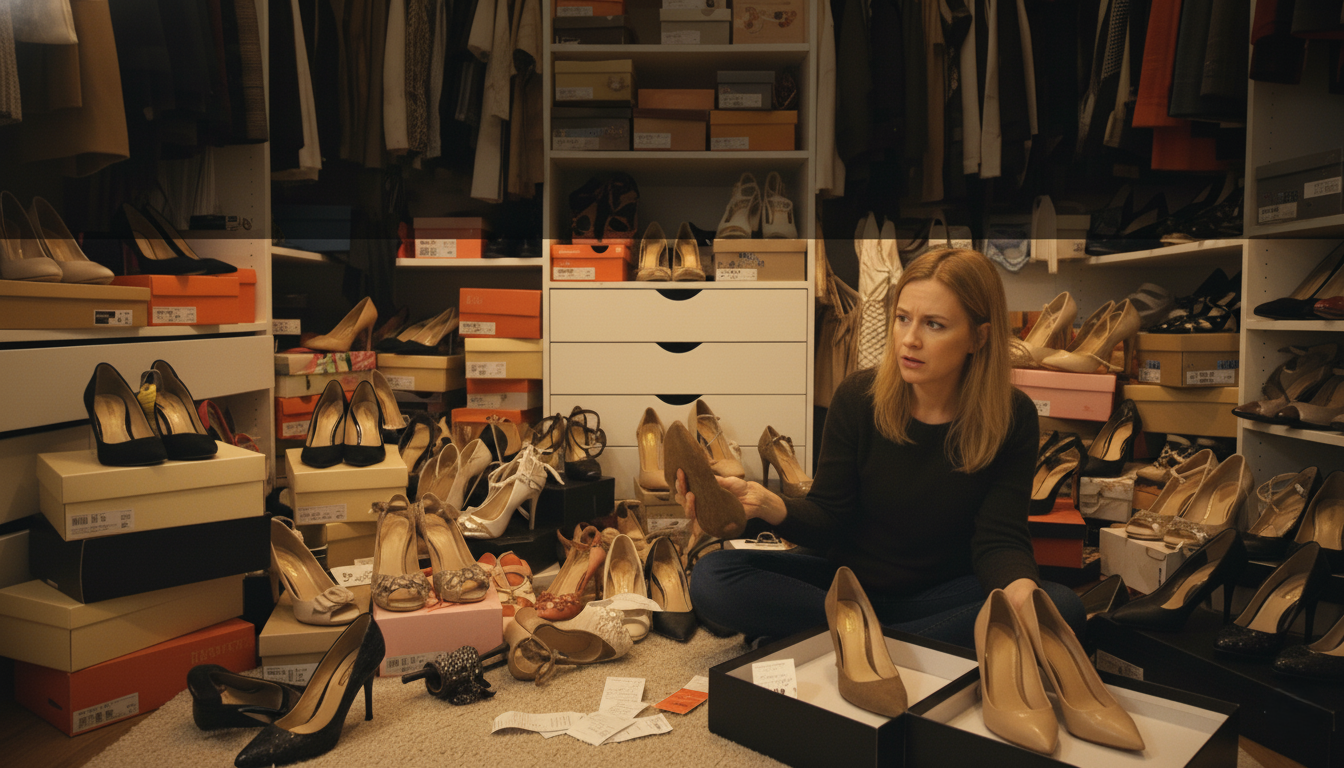
An overwhelming majority of the general population consider themselves knowledgeable about purchasing shoes; in fact, many people think they know all there is to know about buying shoes because they have been wearing/enjoying them for so long. How hard can it be to select a shoe that matches your style and budget?
Here is the disappointing truth:
Foot pain, wasted money, and disappointment with shoes can often be attributed to one habit people have when purchasing shoes: selecting footwear based solely on how the shoe feels during the first 10 seconds of putting it on.
That 10-second moment in the store or while unboxing shoes has become the main way people determine how comfortable a shoe is to them. The issue?
What feels good, cushy, or comfortable during the first 10 seconds can ultimately become the reason for a person experiencing aching arches, painful heels, or tireder than normal toes after standing in the shoe for an extended period of time.
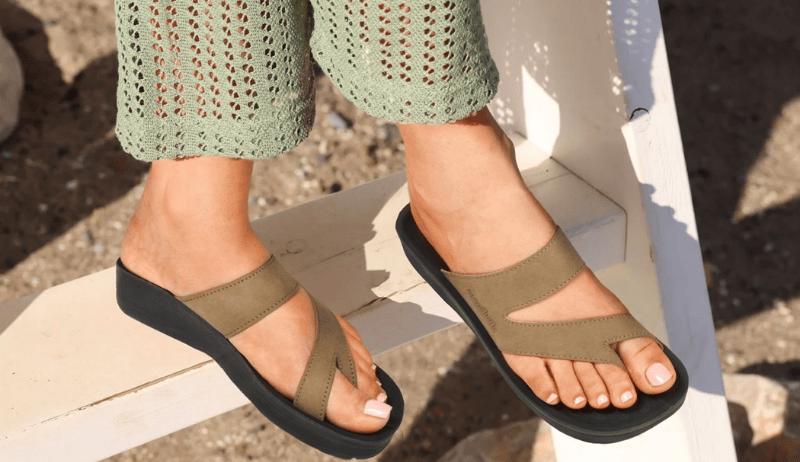
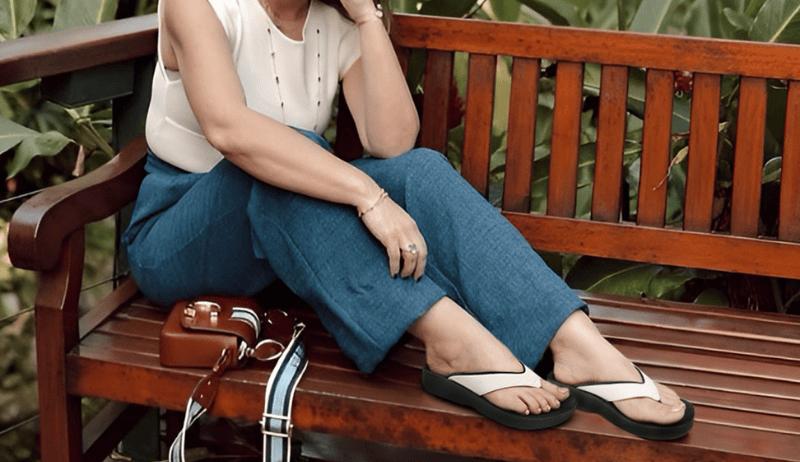
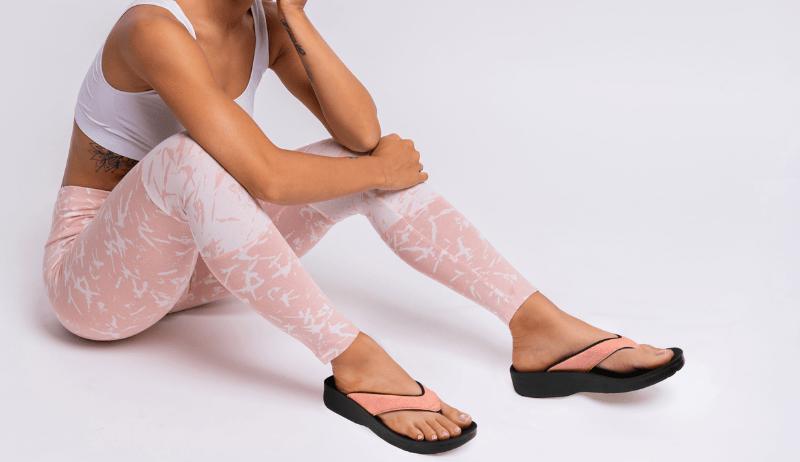
This article discusses how that habit leads to future foot-related discomfort, how much money you waste when you buy shoes based on that habit, and how wearing supportive shoes, including certain styles of clogs such as women's clogs, suede clogs, comfort clogs, and clogs with arches, can greatly reduce foot-related issues, including discomfort.
Comfort is a False Sense of Security: Soft Feet Today Will Hurt Tomorrow
In most cases, when a person puts on a new pair of sneakers, the first thing they evaluate is whether or not the shoe is comfortable. Comfort means having a soft feel against the foot. This "softness" does not provide support and can cover up serious issues with the shoes.
While a shoe may provide softness during the initial 10 seconds of wear, it isn't providing the necessary alignment for the foot. Because of this lack of support, your body will end up utilizing the incorrect muscles and developing discomfort later on.
The problem is that individuals continue to purchase shoes that do not fit because they are focused on comfort rather than support. They believe the last shoe they purchased "didn't fit right," when the problem is that they have a habit of purchasing soft shoes for immediate comfort instead of shoes that are most supportive.
The Anatomy of the Foot: What It Needs
Your feet are not meant to be assessed based on their comfort level within 10 seconds; rather, they are built to support all of your weight while you walk, run, jump, climb, squat, bend over, turn around, stand on your tiptoes, bend your knees, do yoga, dance, and engage in various other athletic and recreational activities.
So what does your foot require?
1) A stable heel helps to avoid overpronation or collapse towards the center.
2) The arch must be structurally sound enough to provide adequate support to the rest of your body as well as evenly distribute your entire body weight.
3) Footwear needs to be constructed of a material that provides adequate footbed support to immobilize the toes in a relaxed position.
4) Shoes should be designed to maintain their original shape throughout their life span.
Most typical soft shoes do not contain any of these essential elements. Initially, they appear to be comfortable and even attractive when purchased; however, after only a few days, they lose their shape and your foot begins to feel the stresses associated with the loss of shape.
Once that happens, you start to experience the soreness and discomforts associated with using generic footwear:
- Aches in the arches of your feet
- Bruising in the heels of your feet
- Tightness in your lower back
- Clenching of your toes to keep your feet balanced in your shoes
- Fatigued feeling in your feet during the middle of the day
Because of these symptoms, many people will continue to purchase shoes. The financial strain is less about the cost of the shoe(s) than it is about the necessity to replace shoes.
Clogs Are The Best Way To Solve This Buying Behavior Pattern Better Than Most Types Of Shoes

One of the most underrated categories of supportive shoes is clogs. When clogs are made with quality construction, they eliminate the biggest buying error: the tendency to judge comfort based on the initial “softness,” or feel, of the shoe.
The most desirable types of clogs such as women’s clogs, leather women’s clogs, women’s suede clogs, and clogs with arch support differ from what most people consider a typical, soft shoe.
When constructed properly, clogs are constructed to be stable, structured, and provide long-lasting comfort. However, shoppers may not have an understanding of these supportive features when they try on the clog in a shoe store. Over time, these types of shoes can offer:
Supportive footbeds that do not collapse come from a structured footbed, not a memory foam mattress-style footbed. The structured footbed keeps the foot properly aligned, which reduces overuse injuries.
A protective heel cup. In contrast, most flat or soft slippers do not have a protective heel cup and do not provide stability to the foot.
Materials such as cork, suede, and premium leather provide the natural shock absorbing properties of these materials, along with the support needed to protect the joints, while allowing the materials to conform to your individual foot shape over time.
A toe box that allows for the natural spreading of the toes. Toe box compression, or reducing the available space for the toes, is one of the hidden causes of foot pain; therefore, clogs allow for more foot space to accommodate your feet comfortably for an extended period of time.
The Buying Mistake: Thinking Your Foot Wants “Softness” Instead of “Support”
A common error that many people make when purchasing shoes is believing that their feet want "softness" as opposed to "support."
Most of the shoes that don't work out for you have this one thing in common: they were designed to be comfortable immediately and comfortable at the time of purchase, but they were not designed to be supportive for long-term use.
The shoe industry and its marketing focus on "softness" (the use of cloud-like cushioning created by using foam), but Podiatrists are constantly stating that shoes that are too soft force your muscles to work harder than necessary, which creates fatigue in your feet and pain.
On the contrary, some footwear such as suede clogs, comfort clogs, and clogs with arch support are designed to provide a stable platform for your feet to rest on while enabling your feet to relax, which is something that cannot be determined by a brief "try-on" of the footwear.
The Real Cost of the 10-Second Test (It’s More Than Money)
Shoes that are poorly designed are not only a source of financial waste. The quality of the shoe can affect our daily lives.
The following are some of the indirect costs:
1. Muscle Fatigue
Your foot muscles must compensate for the lack of support from your shoes, causing your muscles to become fatigued and tender over time.
2. Stress on Your Joints
When you wear shoes with an unstable base, you create added stress on your knees, hips, and lower back that the shoe should absorb.
3. Workplace Discomfort
Many employees who feel discomfort at work during their shift are not wearing shoes that provide support.
4. Misalignment
If you have collapsed arches or flat feet, you will develop poor posture, but if you wear a shoe that provides support, you will position your body correctly every day.
What Clogs 'Feel' Like, and Why It's a Good Sign!

When people wear supportive clogs for the first time, they may describe the feel of their supportive clogs as 'different' or 'firm.' This isn't a flaw in the clog, but rather, a sign that the design is working properly.
Most people's feet have been conditioned by years of wearing soft, collapsing footwear, so when they wear something that provides them with support, it will feel 'different' or 'unusual' to their feet, just like someone who has been slouching for years may feel when they begin sitting up straight and with good posture.
However, as the person continues to wear the supportive clogs, he or she will soon notice:
- less stress placed on the arch of the foot,
- improved stability while walking,
- less pressure on the heel of the foot and
- improved alignment of the entire body.
As a result of the support provided to their feet, people will have more energy at the end of each day.
The only reason a person may feel discomfort while wearing their supportive clogs is simply because his or her feet are getting used to having the proper support.
Creating a New Set of Healthier Shopping Habits
The solution is easy, but you need to be aware!
1) Quit assessing shoes purely based on superficial qualities.
Focus on constructing a shoe for you—not its level of squishiness.
Ask yourself this question, "Is this shoe offering me long-term support for my foot?"
2) Select shoes based upon the footbed shape.
You should look for supportive arches, stable heels, and hard materials.
This is why most comfort clogs and leather clogs in women's shoes outperform slip-on casuals.
3) Choose shoes with the correct materials.
Leather, suede, and cork can form your foot shape better than synthetic materials and they also last longer than synthetics.
4) Evaluate alignment instead of squishiness.
When standing in the shoe, your heel should be vertical—not leaning inwards.
5) Wear the shoe indoors for AT LEAST one hour before deciding.
The majority of people only test the shoes for seconds before purchasing. It takes time for the body to tell you if the shoe is right for you.
Why Well-Made Clogs Are a Smart Investment
Clogs provide greater durability than typical flimsy flip-flops or lightweight sandals. Clogs keep their original structure during wear, which helps to:
- Minimize repetitive shoe replacement
- Avoid developing chronic foot problems
- Improve alignment of muscles and joints
- Save substantial amounts of cash over time as opposed to monthly averages
Because clogs are often made for everyday use, they offer form and function in your daily life. Women's suede clogs, comfort clogs, and clogs with arch support are the best value in a shoe selection.
You Should Not Have to Suffer to Walk.
Pain-free walking is essential for living life with the utmost enjoyment. The shoes that you wear affect:
- Your energy levels
- Your posture
- Your mood
- Your mobility
- Your long-term health
Breaking the "comfort habit" of wearing shoes that fit for 10 seconds on average is one way of eliminating ongoing discomfort. Making a switch to quality supportive shoes—especially if they are designed to meet your needs—gives your feet an exceptionally stable structural base, which they incredibly require.