Worth The Read

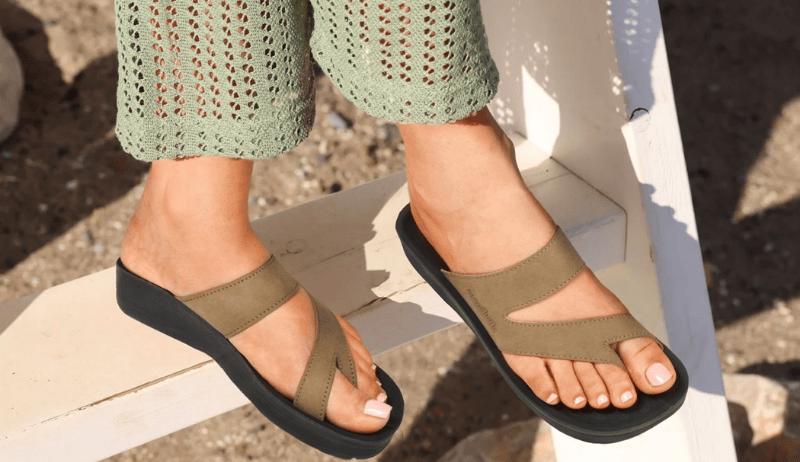
Best Orthopedic Sandals for Nurses and Healthcare Workers During Long Shifts
People who work in a hospital may know the meaning of rush. Whether you are a nurse or a healthcare worker, you will have to move in an emergency and perform your duty, standing for prolonged hours. This routine tolls heavily on their feet, impacting the whole body's health. Good foot care with excellent footwear choices is essential for such people. That’s where orthopedic footwear becomes a good option. You can explore different aspects of choosing orthopedic sandals that nurses and healthcare workers should consider while choosing a good pair. What Are Orthopedic Sandals? Orthopedic sandals are specially designed footwear that supports the natural shape and movement of the feet. Unlike regular sandals, which may focus more on looks, these are built with comfort, alignment, and foot health. They usually feature arch support, cushioned soles, and deep heel cups to help distribute weight evenly and reduce pressure on key areas. Some styles also include shock-absorbing midsoles, adjustable straps, and non-slip outsoles, making them go-to picks for people who spend a lot of time on their feet. What sets orthopedic sandals apart is their focus on preventing or easing severe foot conditions or even general fatigue. They don’t just feel good, they help feet work better and stay healthier over time. Why Do Nurses and Healthcare Workers Need Orthopedic Sandals? Being on the move is just part of their job for nurses and healthcare workers. From rushing between patients to standing for lengthy procedures, the feet rarely get a break. Over time, this constant pressure can lead to soreness, swelling, arch pain, or even long-term foot issues. That’s where orthopedic sandals come in. These sandals are designed to do more than just cover the feet. Built-in arch support, cushioned soles, and alignment-friendly designs help reduce stress on tired feet and ease joint stress. Orthopedic sandals offer much-needed support during short breaks, post-shift recovery, or simply walking between wards. Top 5 Orthopedic Sandals For Nurses and Healthcare Workers Here is a list of some fantastic options from orthopedic sandals that you may consider depending on your requirements. 1. Regan Comfortable Slip Toe Women’s Sandals If long hours on your feet have started to take a toll, especially if bunions or sore spots are a problem, then the Regan Split Toe Sandals might become a favorite. These sandals are specially made for comfort, stability, and support, making them a solid choice for nurses and healthcare workers who want something gentle yet durable after intense shifts. The soft, protective strap placement shields sensitive bunion areas, offering relief without putting pressure on problem spots. The outsole's secure grip and U-shaped base keep feet steady on slippery or uneven surfaces, making it ideal for hospital floors or outdoor steps. These padded straps sit comfortably on the foot without digging in, and the metallic buckle lets each wearer find a secure, personalized fit. With casual styling and neutral tones like khaki, brown, and grey, they can easily be paired with scrubs or weekend outfits when relaxing. Built with polyurethane gel-infused, the sole comfortably supports medium arches and cushions every step to ease fatigue. 2. Florence Genuine Leather Wedge Platform Slide Sandals Slip-on For nurses and healthcare professionals looking to blend comfort with everyday elegance, the Florence Genuine Leather Wedge Slide Sandals bring a perfect mix of durability and foot-friendly support. With their handcrafted leather, secure fit, and naturally contoured sole, these sandals can be a much-needed break for feet that stay in motion for most of the day. The cork footbed gently shapes itself to the foot's structure, improving posture and providing soft support with every step. This is especially helpful during downtime between rounds or after work. The sturdy metal buckles can be tightened or loosened easily, perfect for when feet feel swollen after hours of walking or standing. A deep-set heel cup helps maintain natural alignment, making each step feel more stable and reducing joint pressure after continuous movement. Its sleek lines and versatile shades make Florence sandals look polished enough for lunch outings, errands, or casual get-togethers after a shift. Whether walking across slick tiles or stepping outside for a quick breath of air, the patterned EVA outsole offers solid grip and traction. 3. Aerothotic Hadal Slingback Sandal The Hadal Slingback Sandals are a simple yet smart choice for nurses and healthcare workers who spend long hours standing or walking. These sandals make every step easier with their light feel, soft cushioning, and breathable design. Whether a complete shift on the hospital floor or a quick trip outside, they support the feet without feeling heavy or tight. Here are some significant reasons for this orthopedic footwear being a fantastic pick for nurses and healthcare workers; The textured sole adds extra grip, helping prevent slips on hospital floors or other smooth surfaces. This makes it suitable for fast-paced work settings. Built with quick-drying material, they’re easy to clean and won’t get ruined by the occasional spill, making them a nice option for busy work environments. The cushioned sole offers excellent comfort by absorbing shocks from quick steps or prolonged walking in the fast-paced hospital environment. The PU midsole is not only supportive but also long-lasting. The highly durable material makes it good to use, as even constant wear does not impact its comfort. With a well-measured heel and platform, these sandals offer balance and comfort while fitting true to size. With significant arch support, you can improve your posture, comfort, and footwear to treat your problematic feet. 5. Matt Gloss Women’s Sandal If you work in a hospital and are constantly on your feet, you know how important it is to wear something light, breathable, and supportive during breaks or casual hours. The Matt Gloss Women’s Sandals might look like your everyday flip-flops, but they’re thoughtfully designed with features that genuinely care for hardworking feet. Whether stepping out for a quick errand after a long shift or taking a breather on your break, these sandals offer the relief and ease your feet deserve. You will never get disappointed by the comfort and relief this footwear offers, especially if you have long duty hours in a hospital. The textured footbed stimulates pressure points, promoting better blood flow and relaxing tired feet after long shifts. Ideal for wet environments or quick cleaning, these sandals are also perfect for nurses needing functional footwear off-shift. The durable gel-infused sole helps cushion impact, reducing stress on knees and joints over hard hospital floors. The cushioned inner straps minimize friction and allow all-day wear without skin irritation or soreness. The gentle arch support and deep heel cup help reduce fatigue during extended periods of standing or walking. 6. Ridge Ankle Strap Sandal The Ridge Ankle Strap Sandals bring together a clean, modern look with thoughtful comfort features, making them a great everyday option for nurses and healthcare workers. Whether it's a long hospital shift or a quick run to the store after work, these sandals are built to offer consistent support while still keeping things stylish. Their sleek metallic buckle and easy velcro closure make them a confident wardrobe pick for anyone constantly moving. Below are the notable features of this excellent orthopedic footwear; Designed with a soft lining over the footbed and built-in high arch support, which helps distribute pressure evenly across the feet, reducing foot fatigue due to prolonged standing. The heel cup holds the heel in place, improving alignment and reducing strain on the ankles and lower back. The adjustable ankle strap with velcro allows quick fitting adjustments to accommodate swollen feet due to long working hours. With a weight of just 0.70 lbs per pair, these sandals feel light on the feet, which makes a big difference during a long shift. The sandals are designed to fit just right with a modest 0.75-inch heel and 0.5-inch platform that provides a gentle lift. The engraved wavy pattern under the sole improves grip and helps prevent slipping on smooth or wet surfaces. What Foot Conditions Can These Orthopedic Sandals for Women Relieve? Foot pain can become a daily struggle for nurses and healthcare workers who spend long hours on their feet. Thankfully, the right sandals can make a real difference. The orthopedic options listed above aren’t just about comfort; they’re designed to ease specific foot issues commonly appearing in active professions. Here's a closer look at how these orthopedic sandals for women help with certain conditions: Bunion Sandals like the Regan Split Toe are made with thoughtful strap placement to avoid rubbing against bunions. They allow extra room and prevent pressure buildup, giving sore spots the space to breathe without sacrificing support. Plantar Fasciitis With contoured footbeds and deep heel cups, sandals such as the Florence Leather Slides and Hadal Slingback provide heel-to-toe support to ease stress in the arch and reduce heel pain. Plantar fasciitis patients truly find this relief. Edemic Feet Feet can swell after hours of walking or standing. Sandals with adjustable straps, like the Florence and Ridge, are perfect for adjusting throughout the day, offering comfort without feeling too snug or restrictive. Sore Football Soft, cushioned soles can ease pain in the front part of the foot, especially under the toes. The Florence and Matt Gloss sandals offer this extra padding where needed most, making walking or standing less painful. Heel Pain and Discomfort For those with general heel pain or sensitivity, models like the Matt Gloss and Florence include cushioned soles and shaped heel cups that help absorb shock and take the edge off every step. Factors to Consider While Choosing the Right Footwear While choosing the proper footwear, the factors you should consider may vary from person to person. However, you may make a better decision by considering the following things; If you work indoors most of the time, go for slip-resistant, lightweight footwear with significant cushioning and preferably an open-toe design. Healthcare workers who spend more time outdoors may choose sturdy, cushioned soles with slip-resistant material that is highly durable and easy to clean. Nurses and healthcare workers with high-arched feet should wear designs with proper arch support and a deep heel cup. For an administrative role in a hospital setting, opt for sandals that combine comfort and style, such as minimalist designs and stylish buckles. The Bottom Line Choosing the right orthopedic sandals can make a difference in how nurses and healthcare workers feel during and after their shifts. Apart from picking your favorite brand, it’s helpful to rotate between two pairs to allow proper airing and maintain sole quality. Pairing sandals with compression socks for added support is also wise, especially on extra-long shifts. And lastly, consider trying out your new pair during off-duty hours first—this gives the feet time to adjust before relying on them for an entire workday. Sometimes, small choices bring the most considerable relief. Frequently Asked Questions Can you wear orthopedic sandals for an entire day shift? Many nurses wear orthopedic sandals for full-day shifts, especially those with substantial arch support, cushioned soles, and secure straps. The right pair helps reduce foot fatigue and can prevent the legs and back from aching after long hours on the move. How long do orthopedic sandals last if used daily? Orthopedic sandals usually last up to a year, depending on the materials and how much walking or standing is involved. Once the sole becomes flat or the support feels less firm, you should replace it. What type of sandals should you avoid when working in a hospital? Avoid open-toe sandals, slippery ones, or those with thin, flat soles. Styles without proper heel support or arch structure can lead to pain or even injury. It's also best to avoid sandals that can’t be cleaned easily, as hygiene is crucial in a hospital. Can nurses wear Sketchers? Yes, Sketchers are a good option for supportive orthopedic footwear. Some models offer good cushioning with significant arch support. However, not all styles provide enough arch support, so picking a pair designed for standing and walking all day is essential. What are medical sandals? Medical sandals are specially designed footwear meant to support foot health. They often have built-in arch support, shock-absorbing soles, and adjustable straps. These sandals help relieve pain, improve posture, and comfort people who spend long hours on their feet, such as nurses and healthcare workers.
Learn more
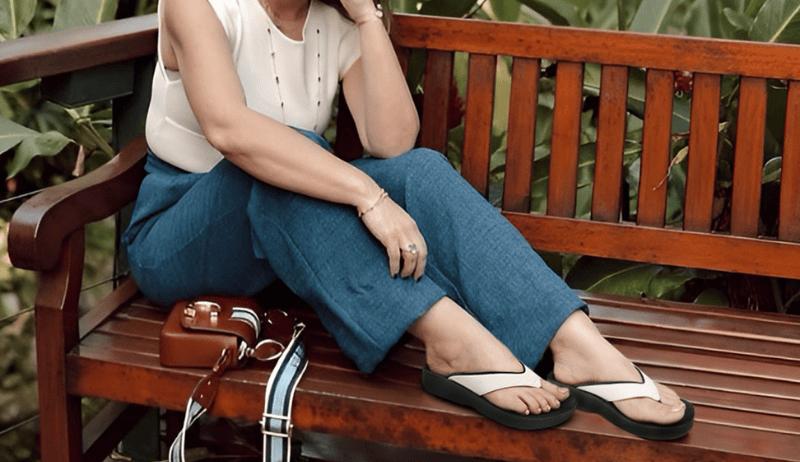
How to Choose Supportive Flip-Flops for Beach Days?
What are Flip-flops? Flip-flops are open-toe sandals that are super easy to slip on and off. They usually have a flat sole and a Y-shaped strap between the big and second toes. Most people wear them during summer or at the beach because they’re light, airy, and convenient. While they’re great for casual wear, not all flip-flops are made to support your feet, so choosing the right kind matters, especially if you plan to walk around a lot. Traditional flip flops may be made of rubber or plastic, which can increase foot fatigue and other related issues. However, if comfort is a priority for you, choose supportive flip-flops usually made of soft leather or foam. Why Supportive Flip Flops Matter? When spending a day at the beach, the last thing you want is sore and tired feet with sharp pain. Traditional flip-flops may look trendy and complement your beach outfit like no other footwear can, but that is not the whole picture. You usually have to walk considerably on your trip to the beach to explore memorable spots and have fun, but with regular flip-flops, you can not make the most of it. That’s where supportive flip-flops come in. They have soft cushioning, better arch support, and a more secure fit. They help keep your feet comfy and reduce the chance of aches or tired legs later. So if you want to enjoy your beach day from morning to sunset, picking the right flip-flops does make a difference. Difference Between Regular and Supportive Flip-Flops While regular flip-flops may feel convenient for quick wear, they often lack the structure our feet need for daily comfort. They’re typically flat and thin and offer little to no arch support, which can lead to foot pain or strain when worn for long periods. Supportive flip-flops, on the other hand, are thoughtfully designed to follow the foot's natural shape. They come with cushioned soles, proper arch support, and more bottomless heel cups that help balance and reduce pressure on the joints. While regular flip-flops wear out quickly and provide minimal stability, supportive ones are made with better materials that last longer and help prevent common foot problems. Key Features to Look for in Supportive Beach Flip-flops Supportive beach footwear should have all or most of the following features to ensure maximum comfort and safety; Durability Beach flip-flops should be made to last. Look for thick soles and strong straps that won’t fall apart after a few uses. A good pair can handle sand, sun, and water without wearing down quickly. Water-Resistant You must choose water-resistant footwear for your beach trip to keep your feet cool and dry. Water-resistant materials keep your feet comfortable and prevent soggy soles and bad smells. Slip-Resistant Your safety matters a lot, especially on wet sand or slippery rocks. A textured, non-slip sole gives better grip and helps prevent accidental slips while walking along the shore or rinsing off at beach showers. Lightweight Heavy flip-flops can make your beach trip difficult and quickly make you feel tired. Go for a lightweight, easy-to-wear, and carry design, perfect for packing and all-day use on beach trips. Support and Cushioning Flat flip-flops might be ordinary, but they can not comfort your feet. Choose a supportive pair with soft cushioning and gentle support to reduce pressure on your heels and arches during long walks. True-to-Size An ideal flip-flop should fit correctly, not too loose or too tight. Too small flip flops can feel tight, while oversized ones can slip off or cause tripping. Always try them on or check sizing guides before buying. Arch Support A little arch support goes a long way, especially for flat feet or arch pain. Supportive flip-flops help reduce pressure, improve balance, and make walking on uneven surfaces easier. Contoured Footbed Look for a footbed that adjusts to the natural shape of the foot. This contour gives better alignment and comfort, allowing the foot to rest properly with every step. Breathable Material Your footwear should not irritate your skin when it rubs against it. Choose a pair of flip-flops made of soft, breathable material equally suitable for sensitive skin. Best Supportive Flip Flops for a Beach Day If you are looking for a good pair of supportive flip-flops that offer both comfort and style, here is a list of some flip flops options for you; Felice Women’s Flip-Flop Sandal If beach comfort had a name, it would be Felice. Felice Women’s flip-flop sandals are the easygoing, stylish pick that makes beach days feel even better. With a glossy croc-textured strap and a soft padded fit, they hug the feet immediately without rubbing or slipping. Whether walking along the sand or just soaking up the sun, Felice keeps things comfy and cute. Look at some quick facts about the beach-friendly features of these footwear; The cushioned footbed molds to your feet as you move, so each step feels easy and supported, even if you’re out and about for hours. Shock-absorbing soles help with long walks, especially on uneven or hard beachside paths. With these shoes, feet will not be tired and achy by the end of the day. The grippy outsole adds extra stability and is handy when walking on wet spots, sand, or boardwalks. The lightweight feel makes them easy to wear all day; you might even forget you have them on. 1. Crystal Mist Women’s Flip-Flop Sandal The Crystal Mist Flip-Flop Sandals are all about adding a touch of sparkle to your beach style without sacrificing comfort. Whether it’s a breezy walk along the shoreline or a casual evening hangout, these sandals blend elegance with easygoing comfort. Soft straps and smart foot support make them a go-to pick for beach lovers who want style and feel-good wear. Here is why you can consider a good option for your beach day; Sleek, shiny design pairs beautifully with beachwear and semi-dressy outfits, so you can move from sand to street without changing shoes. A lightweight midsole with polyurethane support helps reduce foot fatigue, keeping steps light and easy even after hours on your feet. Deep heel cup and arch support offer steady alignment and reduce strain, which is perfect when walking on uneven beach surfaces or standing for long periods. Soft padded straps and a memory foam toe post feel gentle on bare skin, making them super comfy for long beach walks or sun lounging. Durable, shock-absorbing outsole grips well on sand, slippery decks, or rocky beach trails, offering safety with every step. A true-to-size fit means you don’t have to compromise on your comfort; you just slip them on and go. Their all-season versatility makes them a summer favorite and a reliable option for spring or early fall getaways. 2. Idelle Women’s Sandal The Idelle Women Sandal brings the best of both worlds if you want something stylish yet comfy for your beach day. With its elegant quilted satin upper and a bold gold-tone medallion, it adds a touch of glam to any casual outfit, whether you are having a lunch date by the water or taking a walk on the boardwalk. It’s designed not just for looks but for all-day comfort and support, making it a smart pick for sunny outings. The following are some significant reasons why it is one of the best supportive flip-flops to carry on a beach trip; A durable midsole with gel injection moulds to your feet absorbs impact and supports your arches, which is great for uneven beach terrain. The non-slip outsole provides solid traction, helping you stay steady on slick surfaces like wet sand, boardwalks, or beachfront cafés. A true-to-size fit ensures you don’t have to worry about pinching or sliding, which is a big plus when walking in barefoot-friendly places. Soft, cushioned footbed offers long-lasting comfort, making it easy to enjoy a full beach day without feeling sore or tired. A chic design with gold details makes these perfect for beach trips that roll into evening plans. Pair them with a maxi dress or summer outfit, and you are good to go. Lightweight design means these sandals won’t weigh down your feet, even if you're walking long stretches of sand or heading up and down beach paths. The supportive heel cup and arch keep feet well-aligned while moving, making them ideal for those needing extra stability. 3. Solace Arch Support Orthotic Lightweight Cushioning Flip Flops If comfort is a top priority for your beach day, the Solace Arch Support Flip Flops for Women are perfect. Designed with care for those who deal with foot pain like plantar fasciitis or flat feet, these sandals combine gentle support with a lightweight feel. With their soft straps and sleek look, they’re ideal for walking along the shore or relaxing by the waves while keeping your feet happy. Here are the key features that make it an excellent choice to make your beach day a memorable one; Built-in arch support helps align your feet while walking on uneven beach surfaces, easing heel pain and giving steady comfort all day. Non-slip rubber outsole gives you the grip you need when walking on wet rocks, boardwalks, or slippery beach showers. Vegan leather straps are soft and preferable for people with sensitive skin as they do not irritate your feet. Medium arch support with soft foam padding makes these ideal for all-day beach use, while strolling, lounging, or chasing after the kids. Cushioned footbed absorbs shock with every step, keeping your feet relaxed even if you walk long distances on vacation. How to Care for Your Beach Flip Flops? Beach flip-flops can last a long time if taken care of properly. Here is a list of some essential things you should consider to keep your flip-flops in good condition even after frequent use; Heat can soften or even melt some synthetic materials. Keeping flip-flops inside a hot car for hours can misshape them and reduce their comfort. Tossing them carelessly in a bag or folding them can also lead to misshapen straps or cracked soles. Lay them flat or hang them to keep their original shape intact. Saltwater and sand can wear down materials over time. A quick rinse with fresh water helps remove gritty particles and keeps the flip-flops from becoming stiff or crusty. Let them dry naturally in a shaded, breezy spot. Direct sun can cause the soles to fade or warp, especially if they're made from rubber or foam. If worn daily, flip-flops can wear out quickly. Rotating between two pairs gives each one a break and extends their lifespan. The Bottom Line When planning for a beach day, don’t treat flip-flops as just a last-minute grab. Instead, think of them as an essential part of your comfort kit, just as you carefully choose your sunscreen or any other important thing. Consider choosing designs that match your activity level, whether it’s a good walk on rocky shores, or simply enjoying by the waves. Try to break in new pairs before a full beach day to avoid blisters or discomfort. And if you have sensitive skin, always check the strap material to avoid irritation. Treat your feet with care, and they'll carry you comfortably through every adventure. Frequently Asked Questions Can you wear flip flops for plantar fasciitis? Yes, but not just any flip-flops. Wearing flip-flops with good arch support, deep heel cups, and soft cushioning is essential for plantar fasciitis. These features help reduce heel pain and make walking much more comfortable. Can you wear flip flops on the beach for routine use? Yes, just make sure they offer proper support. Regular flip-flops may feel comfy initially, but supportive ones are better if the plan includes long beach walks or standing for hours. They’ll protect your feet from strain. Can supportive flip-flops improve posture? Yes, supportive flip-flops can significantly improve your posture. Proper arch and heel support helps align the body better, easing pressure on the knees and back. Over time, this can improve how a person stands and walks. Are all flip flops safe for people with different foot conditions? People with foot conditions can wear supportive flip-flops. However, not all flip-flops are safe if you have aching feet or discomfort while walking. You should go for supportive, APMA-approved flip-flops that offer comfort and relieve pain. How long can supportive flip-flops last with frequent beach use? Good quality, supportive flip-flops can last several months to a year with regular beach use. Sand, sun, and saltwater wear them down, so durable materials and a bit of care can make a big difference.
Learn more
How a Podiatrist Diagnoses Common Foot Conditions and Recommends Footwear?
How a Podiatrist Diagnoses Common Foot Conditions and Recommends Footwear? Foot discomfort is one of the most overlooked health concerns. Whether facing sharp heel pain or limited movement, a professional checkup is essential. That is why you should always consider a podiatrist as early as possible once you observe any discomfort. Here, you may read about different ways an expert podiatrist may help assess your problem and recommend ways to relieve the issue. Introduction Podiatrists are Podiatric medicine doctors with special expertise in evaluating and treating various foot conditions. Through their professional diagnosis, they check the patient’s condition, point out the possible causes of the problem, and employ all the possible measures to eliminate the root cause and make the lower legs and feet healthy. Problems with foot health can impact the whole body's functions and may occur at any age for multiple reasons. Age, genetic factors, and intense physical activity are primary causes that can worsen due to poor footwear choices. That’s where a thorough examination by a suitable podiatrist is crucial. A podiatrist diagnoses the situation and recommends foot care tips to help eliminate the root cause and symptoms. One crucial aspect of this type of foot care involves using orthopedic footwear to relieve aching feet and backs. How Does a Podiatrist Carry Out an Initial Examination? If your feet or legs hurt while walking or after standing for some time, it is probably time to visit a podiatrist. Here is what he can do to analyze the problem initially; Reviewing Medical History To make a final statement about the problem, a podiatrist must know about a person’s family history, previous injuries, and medical conditions such as diabetes and arthritis. They can also ask about your daily routine, the type of footwear you prefer, and whether or not you are involved in athletic activities. Through these steps, the root cause of the problem can be better identified. Visual Assessment With a foot condition, you may have difficulty walking or bad posture. Also, your feet may get red, sore, or swollen, or the nails may change color. These are the common signs that a podiatrist can tell whether or not a person is having a foot problem. What are the Standard Methods that Podiatrists Use to Diagnose Foot Conditions? Here is a list of some common tests podiatrists may perform to assess the root cause of any muscular or joint discomfort in your feet or lower legs. Squeeze Test A podiatrist gently squeezes both sides of the foot or ankle, usually around the midfoot or lower leg. If there's sharp pain, it may point to a stress fracture or ligament injury. It's a quick way to check for deeper tissue or bone issues. External Rotation Test If you experience an aching ankle after twisting it, an external rotation test is suitable. In this test, your leg is held steady, and your foot is made to rotate. If you face unbearable pain, the possible cause may be an ankle sprain. Knee to Wall Test While standing, the patient bends the front knee toward a wall while keeping the heel on the ground. The podiatrist measures how close the toes can get to the wall without the heel lifting. This test checks ankle flexibility, often for people recovering from injury or stiffness. Gait Analysis Using treadmills and cameras, podiatrists analyze the affected person's walking style. The analysis shows foot positioning, stride, and weight distribution, which is great for diagnosing issues like flat feet, imbalance, or problems that cause leg and back pain. Force Plate Mapping This test involves walking or standing on a special plate that records pressure patterns. It shows how weight is distributed across the feet. Podiatrists use it to assess balance and foot loading and design custom orthotics for better support. Apart from these standard tests, podiatrists may go for an X-ray, MRI, CT scan, or even an ultrasound to perform a detailed analysis of the patient’s joint and muscle health and alignment. Different Types of Foot Pain You may experience different kinds of pain and discomfort; pain in various parts of your feet may indicate other conditions. Podiatrists may identify the foot condition by seeing which part of your foot hurts. Here are the common types of pain you can experience in your feet; Heel pain Heel pain is a sharp aching sensation on the bottom of the foot. Usually, the affected person may take shorter steps or walk on his limp to reduce the pain. Such people may struggle to walk on hard or uneven surfaces. This condition may point to plantar fasciitis. Ankle Pain You may experience a sharp or burning ache around the ankle joint. It may be constant or frequent. Some other symptoms of heel pain may include considerable swelling around your heels and a stiff heel with a warm feeling. It may represent an ankle sprain or ankle twist, and the affected person has to use the other foot to walk as the foot with the ankle sprain can’t handle body weight. Ball of the Foot Pain The ball of the foot, just below the toes, may feel intense pain. The problem is metatarsalgia or calluses, and you may experience such a stinging pain that you may feel like walking on a pebble. A podiatrist may analyze the foot ball pain by looking closely at the person’s posture while walking. Such patients usually walk on their limbs to avoid pressure on the foot ball. Top of the Foot Pain This type of pain may feel like soreness, tenderness, or a dull ache across the top surface of the foot. Stress fractures, tendon irritation, or tight footwear can cause it. People often feel discomfort when flexing their feet or tying their laces. While walking, they might subconsciously lift their toes higher than usual to reduce the pressure or avoid fully bending the foot during each step. Common Foot Conditions Podiatrists Diagnose Podiatrists with proper footwear choices and other foot care measures can diagnose and treat almost all foot conditions. Here is a list of common foot conditions you may experience if you are feeling discomfort; Plantar Fasciitis Plantar fasciitis occurs when the plantar fascia in your lower foot, which connects the heel with the toes, experiences too much stress. It may be genetic or due to intense activity, prolonged standing, or a walking routine. Rubbing ice cubes, using night splinters and reconsidering footwear choices can help with this problem. Bunions A bunion is a bony bump in your metatarsophalangeal joint below your big toe. This condition makes your big toe bend inwards, and the bony bumps appear red and swollen with a sharp, stabbing pain. Toenail Issues Toenail problems, such as ingrown nails or fungal infections, often cause pain, swelling, and nail discoloration. They may result from tight shoes, improper trimming, or fungal exposure. Treatments include antifungal creams, trimming by a specialist, and wearing breathable shoes. Callus Calluses form when the skin tries to protect itself from repeated pressure, often from tight shoes or lots of walking. They usually look like rough, thick patches on the soles or heels. Soaking your feet, gently rubbing with a pumice stone, and using soft insoles can help ease the discomfort. Diabetic Neuropathy People with diabetes sometimes lose feeling in their feet due to nerve damage, known as diabetic neuropathy. This may cause tingling, burning, or numbness that makes it easy to miss minor injuries. Key ways to manage diabetic neuropathy are monitoring blood sugar levels, checking feet daily, and wearing supportive shoes. Athlete’s Foot Athlete’s foot is a common fungal infection that thrives in damp areas like locker rooms and sweaty shoes. It usually shows up as itchy, cracked skin between the toes. Over-the-counter antifungal sprays or creams, and keeping feet clean and dry, often clear it up quickly. Podiatrists’ Recommendations to Treat Foot Conditions Podiatrists may give you different suggestions based on your foot and ankle conditions. Here are some of them; Avoid using traditional footwear with no proper structure or carefully designed, only keeping the trend in mind. Use orthopedic footwear that supports your feet' structure and opt for an option that specifically caters to your foot condition. Include gentle stretching and suitable movements to help the pain or discomfort go away with time. Things to Look for In Podiatrist-Recommended Footwear Here is a list of key features you should look for while choosing suitable footwear for different foot conditions; Adjustable Fitting Always look for shoes with adjustable straps, laces, or Velcro. This feature benefits people with swelling, wide feet, or changing foot needs. A customizable fit means better comfort and less pressure on sensitive areas. Cushioning Cushioned shoes are a must for anyone dealing with foot pain or spending long hours on their feet. They help absorb shock and reduce pressure on joints. If your feet often feel sore, this is one feature you shouldn’t skip. Heel Height You should avoid shoes that are completely flat or too high. A small heel, about an inch, offers better balance and support. It’s a small detail, but it matters for people with heel pain or back issues. Arch Support Good arch support is one of the most important things to look for in podiatrist-recommended shoes. It helps reduce strain on your feet, knees, and even hips. This feature can be a game-changer if you have flat feet, high arches, or plantar fasciitis. Spacious Toe Box Make sure the shoes you choose have a wide toe box. This gives your toes room to move and prevents pressure, rubbing, or painful conditions like bunions and corns. It’s a must-have for anyone dealing with foot deformities or sensitive toes. Material Go for shoes made with breathable, flexible material like mesh or soft leather. These materials keep feet dry, reduce irritation, and add overall comfort. Soft and comfortable material is beneficial for people with diabetes or skin sensitivity. Footwear Recommendation Based on Specific Foot Problems Podiatrists recommend sandals for women instead of using traditional footwear. Here is a list of orthopedic footwear specific to the kind of foot condition you are facing; Orthopedic Sandals Orthopedic sandals can be great for plantar fasciitis, aching heels, or arch discomfort, especially in summer. Look for podiatrist-recommended sandals with good arch support, soft cushioning, and adjustable straps. They are perfect for giving feet some relief while staying cool and comfortable. Orthopedic Athletic Shoes If you have flat feet, joint discomfort, or overpronation, orthopedic athletic shoes offer extra support during exercise or daily walks. Look for shoes with shock-absorbing soles, built-in arch support, and a spacious toe box. They help reduce pressure on the feet and protect from injury. Orthopedic Thong Sandals Orthopaedic thong sandals can offer a stylish yet supportive option if you need summer shoes but suffer from mild foot pain or heel sensitivity. Pick ones with contoured footbeds and cushioned soles to avoid strain and keep feet aligned, even with the open design. Diabetic Orthopedic Shoes People with diabetes need shoes that protect their feet from pressure and reduce the risk of sores or cuts. Diabetic orthopedic shoes have soft inner linings, extra depth, and non-binding uppers. Choose pairs with comfortable material and proper cushioning to stay safe and comfortable. Orthotic Compatible Shoes Orthotic-compatible shoes are a smart pick for anyone using custom orthotics or needing extra support. These shoes come with removable insoles so you can insert your own. They're great for people with plantar fasciitis, high arches, or any custom support needs. The Bottom Line Foot pain or discomfort is never something to take lightly. Our feet carry us through every part of the day, and even minor aches can become bigger problems if left unchecked. That’s why visiting a podiatrist regularly is a good idea, even if everything seems fine. They can catch early warning signs, help guide healing, and offer advice for each person’s unique needs. For anyone facing a foot issue, following up and giving the feet the care they need during recovery is as important as the treatment itself. Foot health is not only about the shoes we wear; instead, it is about listening to the body, acting early, and not waiting for the pain to speak louder. Frequently Asked Questions How can you tell if the pain is from the shoes? If your foot pain starts after wearing specific shoes and feels better when you take them off, your shoes might be the cause. Red marks, blisters, tightness, or aching in the heels, arches, or toes are all signs. Pay attention to how your feet feel during and after wearing the shoes. What are the best barefoot shoes? The best barefoot shoes offer a flexible sole, a wide toe box, and just enough protection without too much cushioning. They should also allow natural foot movement and fit comfortably without squeezing your toes. What are the podiatry foot types? Podiatrists usually categorize feet as neutral arch, low arch, and high arch. Each type affects how weight is distributed and how the foot moves. Knowing your foot type helps choose the right shoes or orthotics for better support and comfort. Can foot conditions affect balance or posture? Yes, foot problems can impact your balance and posture. If the feet hurt or aren’t adequately supported, the body adjusts by changing how it stands or walks. Over time, this can lead to back, knee, or hip pain. Are over-the-counter and custom orthotics the same? Over-the-counter orthotics are general inserts made for standard foot issues and work well for mild discomfort. On the other hand, custom orthotics are made just for your feet based on a podiatrist’s exam.
Learn more
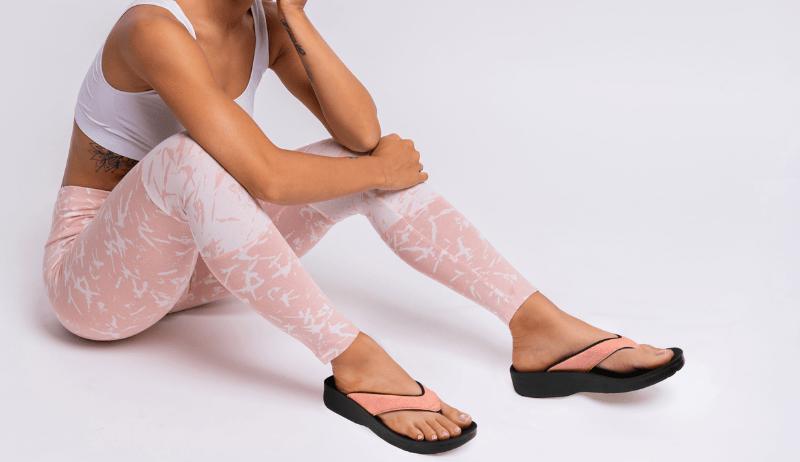
5 Best Thong Sandals Tested and Reviewed by Podiatrists
Thong sandals are no longer just a footwear to be used on your beach trip. Now, women who prefer a chic look wear thong sandals. However, with the traditionally made thong sandals, you can only get style at the cost of your comfort. That’s why the need to introduce an orthopedic option in thong sandals was felt. Podiatrists now highlight the importance of orthopedic sandals for women to prevent aching feet and various leg and back muscle issues. Here, you can explore some excellent choices in thong footwear and the key features that make them stand out. What are Thong Sandals? Thong sandals are a famous style of footwear. They have a Y-shaped strap connected from the midfoot to the toe area between the big toe and its adjacent toe. This classic design is known for offering a breezy, minimalist look while providing enough support for daily use. For your foot safety and comfort, you should opt for orthopedic thong sandals instead of regular ones, which are made using the same rigid materials and thin, flat soles with no arch support. Some notable brands that provide APMA-approved orthopedic thong sandals in the US include; Aerothotic Orthofeet Vionic PoweStep Why Do Podiatrists Recommend Thong Sandals? Podiatrists recommend thong sandals for females with different kinds of foot conditions, as orthopedic thong sandals possess certain features that are good for foot fatigue and other conditions. Here is a list of features a thong footwear offers to ensure comfort and safety; Slip-resistant Outsole Thong sandals have a firm sole that usually offers slip resistance. This way, people who have trouble maintaining balance can prevent themselves from falling. It also makes walking easier on uneven or hard surfaces. Arch Support Arch support is the most significant feature of orthopedic footwear. Its curvy upper sole effectively wraps around your feet' natural curves, improving comfort. Also, people with flat feet or other foot conditions can relieve pain and strengthen their foot structure due to the built-in arch support. Significant Cushioning Orthopedic thong sandals are designed to offer comfort and relieve foot pain. Their contoured footbed and padded surface offer significant cushioning to absorb shocks and reduce or alleviate fatigue or muscle pain caused by foot problems or long walks. Lightweight They are built with lightweight and breathable material, making them ideal for sensitive skin. Due to their ease of walking, they can be considered your go-to travel partner. Cork Footbed Corlk footbed makes thong sandals ideal for a custom fit. They fit amazingly in feet of different sizes and structures, and this true-to-size fitting is suitable for a secure grip. Stable Midsole A firm midsole ensures your feet stay balanced with every step. It helps prevent overextension of foot muscles and offers additional support for those with calf tightness or posture issues. Things to Look for While Buying Thong Sandals Finding the right female thong sandals can make a big difference in everyday comfort, especially for those who need more than just a stylish pair. Whether you're shopping for thong sandals for women to wear casually or on long walks, a few prominent aspects should always be on the checklist. Budget Friendly While many women's thong sandals are expensive, plenty of affordable options don’t compromise comfort, support, or quality. Always compare features before paying extra. Good for Travelling Lightweight and compact, women's thong sandals make excellent travel companions. Look for pairs with cushioned soles, flexible straps, and slip-resistant bottoms that offer comfort on long walking tours. APMA-Approved Footwear certified by the APMA is tested for foot health benefits. Choosing APMA-approved women's thong sandals means selecting footwear designed to support foot structure, improve alignment, and reduce fatigue. Material Quality Whether leather, PU, or breathable foam, the material quality determines durability and comfort. Soft inner linings prevent chafing, while water-resistant uppers help dry your feet during warm-weather wear. Always check the material before investing in thong sandals for women. Adjustable Many female thong sandals now come with Velcro straps, elastic inserts, or buckles that offer a personalized fit. Adjustable features are significant for women with wide feet, swelling, or foot conditions like plantar fasciitis. Best Thong Sandals for Women Here is a list of some of the best orthopedic thong sandals that Aerothotic offers from which you can choose based on your requirement; Aerothotic Eden Non-Slip Comfortable Thong Sandals for Women Eden's Non-slip comfortable thong sandal is an excellent pick for women who love trendy footwear. These sandals are available in different colors, with some notable options including black, brown, lilac, pink, and turquoise. Due to their elegant appearance, black thong sandals can be worn as semi-formal footwear. This durable option is a must-have for your wardrobe due to its suitability for different seasons. Here are some quick features of this amazing thong sandals; Its 3.5-inch width offers significant room to adjust your feet, particularly for people with swollen or problematic foot conditions. An arch support that can adjust well for people with medium arches, preventing foot and back pain. The 0.7-inch heel height provides a balanced and stable walk and is suitable for relaxing tightened calf muscles. This lightweight pair prevents foot fatigue, facilitating long walks without causing discomfort. Inner lining is water-resistant, keeping your feet dry and preventing irritation in sweaty weather. Who Should Pick It? Such features are good to go for people having a range of foot conditions, such as; Plantar fasciitis Edema Flat feet People with medium arches Frequent calf muscle tightness General fatigue in feet and legs Aerothotic-Glynis Comfortable Casual Thong Women’s Walking Sandals The Glynis casual thong Women’s sandals are stylish yet ideal for women who want comfort without compromising trendy looks. The glittery straps add a fashionable touch, while the Velcro closure ensures a secure and adjustable fit. Available in lovely shades like brown, grey, soft pink, and black, these sandals offer both form and function for warmer seasons like spring, summer, and fall. Look at some key features that make it a good choice for people with certain foot conditions. The deep heel cup offers a secure grip to the hindfoot, promoting better balance and posture. A 1-inch heel height eases pressure on the lower legs and adds a subtle lift for calf support. Designed with a thick, stable outsole and grippy U-shaped treads for solid traction on varied surfaces. It features impressive arch support and is ideal for medium arches. It is excellent for easing discomfort during long walks. Due to its lightweight design of around 0.39 lbs, you may consider wearing it all day without the risk of stressing your leg muscles. Who Should Pick It? You can consider it a nice option if you are facing any of the following; Wide feet Feet with swollen toes Plantar fasciitis Instable hindfoot Aching midfoot Women looking to wear stylish orthopedic thong sandals can also try this Aerothotic-Mairin Women’s Comfortable Sandal Mairin Women’s Comfortable Thong Sandal combines a refined outlook with everyday comfort. With quilted satin straps and flawless stitching, this pair blends elegance with everyday function. Whether running casually or enjoying a summer stroll, the lightweight and podiatrist-approved design ensures a stable walk and pain-free wear. You may use thoughtfully designed footwear as your go-to option both in summer and spring. Here are the key features that make it suitable for being an orthopedic thong sandal; The cushioned footbed with circular patterns gives light toe reflex support and better grip. Medium arch support is carefully designed to promote foot alignment and reduce pain from long-standing or walking. This, too, has a wider build, making it a good option for feet with more width or swollen feet without making you feel tight or irritated. It offers a deep heel cup where your swollen or aching heel can comfortably sit with a stable grip. A slight heel of around 1 inch provides extra support while walking, adding stability during long walks. The flexible upper body, curvy midsole, and significant arch support offer a custom and true-to-size fitting. Who Should Pick It? People can opt for this footwear if they; Looking for a good footwear with a supportive arch. Have initial symptoms of plantar fasciitis Do long walks Suffering from persistent foot fatigue Aerothotic-Coral Slingback Sandal If a stylish upgrade is on the checklist, Coral slingback thong sandals make an easy pick for women looking to refresh their wardrobe. With its fashionable design and snug ankle Velcro strap, this sandal combines casual elegance with reliable support. Available in black, navy, and grey, Coral is that versatile pair that goes well with a range of outfits for spring, summer, or mild fall days. Look at the key features of this fabulous slingback sandal to make an informed choice. Built-in high arch support is ideal for arch-conscious women, helping reduce standard arch and heel pain. A moderate heel height of 0.75 inches encourages a balanced walk and offers gentle relief for strained calf muscles. The breathable foam upper keeps the foot cool and irritation-free in warm weather, making it a good fit for people with sensitive skin. Deep heel cup accommodates the hindfoot, providing stability and secure grip during movement. The PU outsole has a wavy tread pattern that provides dependable traction on various surfaces. Who Should Pick It? You can consider it if; Your feet have high arches Frequent discomfort in the heel area Feel tight calves, especially after walking People with wide or endemic feet Aerothotic-Clarus Women’s Walking Sandal Crafted with a charming woven texture and padded inner straps, Clarus Women’s Walking Sandal offers a snug yet soft feel against the skin, making every step comfortable. Whether running daily errands or styling up a casual day out, Clarus brings comfort and elegance together in a lightweight form. Available in multiple colors, this sandal easily blends into your all-season wardrobe. A quick overview of its key features below can help you decide whether or not it can be a good choice; The 3.75-inch width ensures ample space for a relaxed fit, making it ideal for women with medium to slightly wider feet. Textured PU outsole with a hollow U-shaped design offers exceptional grip and stability on various surfaces. It features built-in arch support suitable for medium arches, minimizing fatigue and reducing pain in the heel and arch area. Ergonomic sole with subtle circular texture enhances grip and adds a gentle massaging effect with each step. Memory foam-cushioned toe post ensures a soft feel between the toes, preventing irritation during extended wear. Designed with a gel-injected polyurethane midsole that adapts to the arches, offering lasting support and stability. Who Should Pick It? People having the following problems can choose this excellent footwear; Frequent soreness in the feet Medium arches Foot fatigue The Bottom Line Choosing the right thong sandals isn't just about comfort but also about finding what fits daily needs and personal style. A good pair should be easy to wear and match how one lives, whether for casual outings, travel, or relaxing walks. It also helps to break them in slowly at home before wearing them outside. Rotating between different pairs and cleaning them now and then can keep them in good shape for longer. Adding simple foot stretches or short massages at the end of the day can also support healthy feet, especially when paired with the proper footwear. Frequently Asked Questions Are thong sandals suitable for people with flat feet? Yes, people with flat feet can wear orthopedic thong sandals. However, considerable arch support is crucial, so look for ones offering good arch support and a contoured footbed to absorb external shocks. Can you wear thong sandals all day? Yes, you can wear thong sandals all day, but make sure they offer extra cushioning, excellent arch support, lightweight, breathable, and comfy material to avoid irritation or foot tightening. What kind of thong sandals should people with sensitive skin choose? People with sensitive skin should choose thong sandals made of soft, breathable, and non-abrasive materials. Options with padded toe posts, moisture-wicking linings, and hypoallergenic fabrics can help prevent irritation and blisters. For how long do a pair of good thong sandals last? A durable and well-built pair of thong sandals can last up to a year if used frequently. It usually depends on the material used, care, and how often we use them. They can last up to two years or longer if used less frequently. How do thong sandals differ from flip flops? Thong sandals usually offer more structure and support than flip-flops. While flip-flops are typically flat and casual, thong sandals often have cushioned footbeds, arch support, and durable outsoles suitable for all-day wear and walking.
Learn more
Top 8 Foot Conditions That Orthopedic Sandals Help You Manage
You may have experienced any painful foot condition or aching sensation at least once and wondered why it happens. The most probable cause of such a problem is carelessness in choosing footwear. Wrong footwear, especially those lacking arch support, can make your feet hurt in the worst ways. Here, you can see orthopedic footwear that best manages certain foot conditions. Overview of Orthopedic Sandals Orthopedic sandals are medicated footwear that adjusts appropriately to different foot shapes and sizes. They are considered ideal for reducing the uneasiness caused by many foot-related conditions, such as bunions and plantar fasciitis. Podiatrists recommend that affected individuals use orthopedic footwear routinely, as it offers several benefits and prevents foot conditions. Here are some key features you can get with these orthopedic sandals for women; Arch support Heel cup Adjustable upper body in some cases Elevated sole Cushioning Foot Conditions That Orthopedic Sandals Can Manage Here are common foot conditions that you can manage using orthopedic footwear: 1. Bunions A bunion is a condition where the joint below the big toe develops a bony bump, and the big toe tilts inward. The condition, also known as hallux valgus, is due to the joint metatarsophalangeal dysfunction. Bunions may occur due to a joint deformity at birth, regular wearing of unsuitable footwear, or misalignment of foot joints due to injury. If delayed for too long, bunions can become serious, leading to other conditions such as restricted foot movements, arthritis, and redness. Such a foot condition causes sharp pain, especially while walking, and you may experience difficulty walking. Wearing shoes too wide at the toe can worsen the swollen feet. Podiatrists recommend orthopedic sandals specially designed to adjust the bunions on the feet. Such specialized footwear's breathable and lightweight design makes you feel at ease while walking. Its roomy upper body is suitable for adjusting swollen feet without making tired feet feel more suffocated. The cushioned arch support offers a comfy, custom grip on the curves of your feet while relieving redness and pain. Along with the specialized footwear, you can go for some additional remedial actions to cure your bunion, which include: You can insert orthotics to relieve bunion pain by evenly distributing the body weight across the whole foot. Use bunion pads for cushioning or bunion splints to restore the lost alignment. Rub ice cubes on the area with inflammation to cure the redness and swelling. 2. Morton’s Neuroma A nerve in your foot gets damaged and thickened, representing Morton’s neuroma. This kind of nerve damage may be due to intense physical activities, obesity, or previous foot conditions. One of the most common causes of this problem is wearing high heels too often. Affected persons experience sharp pain while walking or during foot mobility. Tingling and the pain of stepping on a pebble are other common symptoms you may face while having Morton’s neuroma. To cure the issue, you must make careful choices with your footwear. Orthopedic sandals and Sketchers are excellent options. The spacious build of orthopedic sandals lessens the pressure on the damaged nerve. The cushioned lining of these sandals acts as a shock absorber, reducing stress on the affected foot and relieving pain. When selecting suitable orthopedic footwear, look for APMA-approved choices with sufficient arch support and flexible material to avoid irritation from rubbing. Avoid tight shoes or those with rigid materials. Choose the one with little to no heel and a fine sole. You can consider some additional measures to treat your Morton’s neuroma. Insert customized orthotics with metatarsal pads for extra cushioning of the affected area. Do not do aggressive physical activity to prevent further foot damage. Introduce stretching movements such as toe spreading and towel curls in your daily routine. 3. Plantar Fasciitis Plantar fascia is a tissue connecting the toes to the heel. It swells due to high pressure or stress, causing plantar fasciitis. Age, high weight, prolonged standing or walking spans, and using uncomfortable footwear are notable factors. The lower side of your foot experiences extremely sharp pain, especially when walking or standing. Touching the bottom may feel too uncomfortable. Suitable exercises can reduce the sharp pain. Supportive orthopedic sandals and slides with good arch support are feasible options to reduce symptoms of plantar fasciitis. The arch support of this carefully designed footwear adjusts according to your foot shape, preventing the arch from stress. When selecting your sandals for plantar fasciitis, look for a deep heel cup, firm sole, and high cushioning. The material should also be lightweight and soft to avoid hurting tender feet. Other important things you can do to minimize the discomfort of plantar fasciitis include Include calf stretches and plantar fascia stretches in your daily workout routine. Use the night splints to prevent lower foot pain in the morning. 4. Hammer Toes Hammer toes are conditions almost opposite to bunions. In them, the smaller toes start bending towards the middle toe, giving the toe the shape of a hammer. This may happen due to muscular imbalance or improper footwear. Arthritis, foot injury, or genetic factors may also cause the problem. You can not overlook your foot with hammer toes for a long time, as it can make the toe misalignment permanent with time. Soreness, severe pain, and limited toe movement are some common symptoms you may feel. If you do not take remedial measures, the issue leads to other painful foot conditions, such as corns and calluses. Your footwear choice is the first thing you must fix to ease the discomfort of hammertoes quickly. Go for orthopedic sandals with enough room for your toes to stay comfortable. You can use orthopedic sandals with a breathable design that offers highly comfortable material with an adjustable upper body. Cork footbeds offer a cosy walk with extra cushioning, being a shield from hard surface shocks. Avoid highly fitted shoes that lack arch support or are too flat to wrap around your feet' curves. Here are some added tips to make your hammer toes more at ease; Insert toe separators in your footwear or keep pads to help your toes get aligned. Make a habit of doing gentle foot stretches to help relax your foot muscles. Rub ice to let the swelling and sharp pain heal. 5. High Arches High arches, also called pes cavus, occur when the arch of your foot is raised higher than usual. Unlike flat feet, this condition puts most of your body weight on the ball and heel of your foot, making standing or walking painful. High arches are often inherited but can also develop due to neurological conditions or spinal cord injuries. This condition causes discomfort and can lead to instability while walking, frequent ankle sprains, and a burning sensation in the heel or ball of the foot. People with high arches may also experience foot fatigue quickly, especially after long periods of standing or activity. To ease this issue, switch to orthopedic sandals with specific supportive features. Look for sandals with firm arch support to fill the gap under the high arch and distribute pressure evenly. A deep heel cup is also essential to stabilize the foot and prevent rolling of the ankles. Cushioned footbeds protect the ball and heel from hard surface impact, while a wide and supportive base helps balance your step and avoid overloading certain foot areas. Here are some additional things that help you cure the painful condition of high arches; Go for the orthotics to help distribute your body weight evenly across the foot. Do some suitable, simple exercises such as toe curls and calf stretches repeatedly. Carefully place some additional pads in your footwear for extra support and comfort. 6. Diabetic Neuropathy Diabetic neuropathy is nerve damage caused by high blood sugar levels, especially in the feet. This condition is common among long-term diabetic patients and may also result from poor blood circulation or inflammation in the nerves due to diabetes. It usually begins with numbness, tingling, or burning sensations in the toes and slowly spreads up the feet. Over time, it can reduce your ability to feel pain or temperature changes, making foot injuries go unnoticed and increasing the risk of infections, ulcers, or even severe complications if left untreated. Do not use footwear made of rigid or too tightly built materials. Wearing the proper footwear is critical when managing diabetic neuropathy. Orthopedic sandals for diabetic feet have soft, comfy inner linings that reduce friction and prevent blisters or sores. A cushioned footbed helps absorb shock and reduce pressure on sensitive areas. The deep heel cup offers extra stability and prevents the foot from slipping inside the sandal, while a wide toe box allows proper circulation and prevents squeezing of the toes. Except for footwear, you can include the following things in your daily routine; Maintain the hygiene of your feet and keep them moisturized. Activities like swimming and walking can be good for keeping your blood flow normal. Keep your body weight in check, as obesity in this condition can lead to high pressure on your feet. 7. Metatarsalgia Metatarsalgia is a painful condition in which the ball of the foot becomes inflamed or sore, usually around the area where the toes meet the rest of the foot. It often results from overuse, improper footwear, or intense physical activity that puts repeated pressure on the forefoot. The pain usually feels like a sharp, burning, or aching sensation under the toes, especially while walking, running, or standing for long hours. It can also feel like a small stone or pebble inside your shoe. This discomfort worsens during movement and may be relieved slightly with rest. To manage metatarsalgia, wearing orthopedic sandals with specific comfort features can bring noticeable relief. Sandals with thick, cushioned soles help absorb shock and reduce impact on the foot ball. A deep heel cup and solid arch support help distribute your body weight more evenly, taking excess pressure off the forefoot. A spacious front allows toes to spread naturally, preventing tightness that worsens the pain. Avoid sandals with thin soles or high heels, as they increase pressure on the painful area and delay healing. You can improve the condition of metatarsalgia feet by following some simple tips, such as; Keep stretching your foot muscles gently to relax the tightening muscles. Rub the ice cubes on your feet to relieve sore and swollen feet. Use suitable orthotics to help realign the standard foot structure. Keep metatarsal pads in your shoes for extra cushioning. 8. Heel Spurs Heel spurs are small, bony growths that develop under the heel bone, often due to long-term strain on the foot muscles and ligaments. They usually form where the plantar fascia connects to the heel, and are commonly linked to untreated plantar fasciitis, repeated stress, or wearing poor footwear. You might not feel the spur itself, but it can cause stabbing pain at the bottom of your heel, especially when you take your first steps in the morning or after sitting for a while. As the day goes on, the pain may come and go, often worsening after too much walking. Orthopedic sandals can bring significant comfort when dealing with heel spur pain by offering the right blend of support and cushioning. These sandals are thoughtfully designed to take the pressure off your heel, which is especially helpful if you have a routine of prolonged standing. One of their key features is a deep heel cup, which gently cradles your heel. Arch support is another major plus. It helps distribute your body weight more evenly and aligns your foot correctly, so the strain doesn’t fall solely on the heel. Many orthopedic heel spurs supportive sandals also have soft midsoles and padded footbeds that absorb shock from hard surfaces, making walking feel smoother and less painful. Some additional tips to cure the symptoms of heel spurs include; Do not walk or stand for prolonged periods. Repetitive stretches of the calf and plantar fascia. Custom orthotics insertion to give added cushion to your aching heel. Other Benefits of Orthopedic Sandals Here are some notable benefits you can get by regularly using podiatrist-recommended orthopedic footwear; They also improve walking and overall posture by relieving the symptoms of painful foot conditions and ensuring balance. Using these medicated footwear helps prevent back and leg pain, most common in certain foot conditions. Due to the comfortably designed footwear, you do not feel fatigued even after walking and standing for a long time. The soft and breathable material keeps your feet dry and cool and prevents irritation that may occur after sweating. Lightweight and cosy footwear is an excellent choice for travelling, long walks, and making your beach trip a memorable experience. The Bottom Line Orthopedic sandals are not just about comfort; they are a wise choice for managing and preventing several painful foot conditions. Whether you struggle with bunions, heel spurs, or diabetic neuropathy, the right supportive sandals can make everyday walking more bearable. With features like arch support, heel cups, and breathable materials, orthopedic footwear can help maintain foot alignment, reduce pressure, and improve overall posture. Adding these sandals to a daily routine is a gentle but effective step toward better foot health. Frequently Asked Questions Can normal people wear ortho slippers? Yes, orthopedic footwear is comfortable and recommended for everyone, whether they have problematic feet or not. Switching to this footwear can be a proactive measure for people with symptoms that are too minor to be noticed. What is the difference between orthopedic and orthotic? "Orthopedic" is a term for footwear that considers the comfort of people with foot conditions. This footwear has all the necessary features to relieve foot pain. Orthotics are tools that are kept inside shoes to alleviate foot conditions. Why are the orthopedic shoes more expensive than regular shoes? Orthopedic footwear is expensive due to its high-quality and durable build. Soft, breathable material with polyurethane gel makes it more costly than regular footwear. Can I wear orthopedic sandals every day? Yes, using orthopedic footwear for your daily routine is the best way to achieve ultimate comfort. You can walk around comfortably without getting your feet hurt. Do orthopedic sandals work for arthritis? People with arthritis experience sharp pain in their foot joints. Orthopedic footwear is a good way to relieve pain, as the cushioned sole acts as a shock absorber and keeps you comfortable despite long hours of standing.
Learn more
Best Women's Sandals For High Arches in 2025 (Podiatrist Approved)
Finding the right sandals can feel like a never-ending challenge, especially when you have high arches. You want something that looks good, feels great, and supports your feet without causing more problems. That’s where podiatrist-recommended sandals come in. Whether running errands, heading out for a casual brunch, or just trying to stay comfortable on a daily walk, the right pair of orthopedic sandals can make all the difference. Here, you can explore the best women’s sandals for high arches in 2025, supported by podiatrists’ recommendations and real comfort features so you can finally walk easily and confidently. What High Arches Are Like? The condition of high arches is opposite to flat feet, in which you have such a visible arch in your feet that a part of your feet can not touch the floor even while standing straight. When the feet of people with high arches leave a footprint on the ground, you may observe that the middle portion of their feet does not leave any mark due to their inability to touch the ground. Usually, such feet are thought to be more attractive due to their curvy shape, but in actuality, they are a foot problem that leads to several issues in the overall body. Some standard features you may note in the feet with high arches include Higher than usual arch in the foot. Severe foot pain after standing for a while. High pressure on the heel while walking. Difficulty in walking with stability. Causes of High Arches You may develop the problem of high arches mainly due to the following reasons: Genetic factors One or both of your parents have the problem, and genetic factors are involved in causing this problem. Birth Defects Any deformity during the early stages of development, such as spina bifida, where the spine fails to develop correctly, may be a notable reason for this issue. Muscular deformity You are born with healthy feet, but later in life, any muscular damage, particularly in the lower body, may cause this problem. Issues in your spinal cord can also cause your feet to develop high arches. Neuromuscular damage Any damage to your nervous system, such as a stroke, can cause damage to muscle movement, possibly leading to this foot issue. Common Problems Due to High Arches The condition of high arches, if prolonged without treatment, can give rise to many other problems, including; Neuroma Because the high arch places the body's weight on the heels, a nerve can become excessively stretched, causing Morton's neuroma. Here are the common symptoms of neuroma you may feel; Severe pain in your toes Tingling sensation The feeling of a stone being placed inside your shoe Bunions Another common issue that people with high arches may develop is the bunion condition. With an excessively lifted arch, more of the body's weight pressure goes to the peripheral side of the foot, making the big toe bend inward. You can experience the following signs at the onset of bunions A bony bump just below the big toe Unbearable pain and stiffness in the foot joint Inability to wear shoes that are tightly fitted. Ankle Sprains People with high arches can not walk stably, and their body weight results in frequent foot inversion while walking. As a result, the ligaments in their muscles feel stressed, causing ankle sprains. This condition makes you suffer from Intense pain and swelling around the ankle. Inability of the ankle to show movement. Plantar Fasciitis Plantar fasciitis occurs when the muscle connecting your heel and the toes gets too stressed due to the arch and ground not touching. When the remedial actions for high arches are not taken, the affected individuals have to face Severe pain in your lower foot. Inability to stand for more extended periods. Things to Look for In Sandals With High Arch Support Feet with high arches have some special requirements that the brands cater to while manufacturing. Here are these special features you should never overlook while choosing shoes for high arches; Durability If you are someone with high arches, it is obvious that your sandals will have to bear some extra pressure on specific points continuously. So, you should not choose delicacy when buying a sandal; instead, choose highly durable options that can withstand excess wear. Arch Support When you are getting footwear specifically for your lifted arches, the primary thing you should notice is good arch support. Look for sandals with built-in arch support that can adjust to the curve of your feet. A well-built arch support can reduce excess pressure on your heel. Flexible Sole Your best sandals for high arches should have a firm sole that supports your high arch, but also consider flexibility. Sandals that can bend around the toe area are preferable to relieve severe pain by making walking comfortable and easy. Adjustable Strap Shoes with an adjustable strap are a helpful choice as they can comfortably fit around your foot shape while offering a secure grip during walking. Choose sandals with Velcro or buckles that prevent the shoes from slipping and sliding during your walk. Breathable Material If you suffer from such foot conditions, your feet are already experiencing sharp pain. You can not now wear sandals with rigid material that increases the pain when you rub your skin. So, always go for lightweight, soft, and breathable material that does not make your feet feel suffocated while wearing them. Cushioning High arches don’t absorb shock well, so extra cushioning is key. Look for sandals with a soft yet responsive footbed, preferably memory foam or EVA foam, that gives you cloud-like comfort and relieves pressure points. Spacious Too tight shoes can worsen your foot pain, and even if you suffer from bunions, it can increase the swelling in your bony bump. So, always wear sandals that are true to your size but have enough room to adjust your foot without making it swollen. Top APMA-Approved Footwear Brands for High Arches When getting footwear for people with a problem of high arches, you should not buy anything casually. Instead, research and pick the names approved by credible sources or have podiatrists' recommendations. Here, you can see a list of brands that offer a variety of footwear, including sandals, slides, slippers, and clogs, catering to the needs of people suffering from different foot conditions. Aerothotic Orthofeet Hoka Brooks ASICS Best Sandals for High Arches Here are some amazing sandals for women. Aerothotic offers excellent arch support and other features that make feet comfortable and improve walking. Aerothotic Seraph Comfortable Women’s Slide Sandals Aerothotic Seraph Comfortable Women’s Slide Sandals are a fantastic option for females who want relief while being trendy. This pair of sandals never feels out of style due to their versatile build that suits different outfits. Why Consider It? You may consider it a preferable sandal to get relief from high arches, as; The lightweight sandals are prepared using cosy and breathable material that doesn’t put extra stress on your feet. Two adjustable straps with metallic buckles secure your feet in a custom-like grip. An arch support with comfortable cushioning material makes the long, tiresome walks a cosy experience. A deep heel cup wraps nicely around your foot heel, preventing it from extra stress. A slip-resistant outsole that provides a stable and balanced walk and saves you from slips, which is a common problem with high arches. Aerothotic Viking Strappy Sandal With various color options, including sky blue, silver, beige, brown, and black, Aerothotic Viking Strappy Sandals do not let you compromise on style. These sandals are a wardrobe staple for looks and comfort, from vegan leather straps to a contoured cork footbed. Why Consider It? Here are some reasons the Viking Strappy Sandal can help you with high arches; The arch support it offers ensures your feet get the body weight evenly without pressurising specific points. A cork footbed that adjusts with your foot curves that are too notable due to high arches. Rust buckles on the adjustable straps allow true-to-size fitting for feet with different widths. The EVA outsole supports the foot with an added cushion layer. Its lightweight material and comfortable design reflect your balanced walk and improved posture. Aerothotic Eden Non-Slip Comfortable Thong Sandals for Women For your routine footwear options, Aerothotic offers Eden Non-Slip Comfortable Thong Sandals for Women that also come in various colors. Women with long working hours can wear it as their casual daily wear. Why Consider It? It can be a good pick for the following reasons; The inner lining offers quick-drying material, saving your feet from sweating and itchiness. The super lightweight material makes walking around, even with high arches, a painless and fun activity. Its spacious width of 3.5 inches gives your feet enough room to adjust without tightening your muscles or swelling your joints. A moderate heel of less than an inch supports your lifted arch even more. The rubber outsole helps you maintain balance while walking as it is slip-resistant. Aerothotic Enhalus Women’s Sandal Another fantastic option to complement your everyday casual look is the Aerothotic Enhalus Women’s Sandal. Whether a beach tour or a typical routine day, these lightweight and comfy sandals with easy-peasy material can improve your experience. Why Consider It? With just 0.65lb of weight, it offers breathable material that doesn’t burden your feet. A polyurethane gel-infused midsole molds to the arches of your feet, offering targeted support and long-lasting durability. With a width of approximately 3.5”, they also provide ample space for your foot to rest comfortably. Soft, padded mesh straps and memory foam act as a cushion, keeping your feet comfortable without irritation. A moderate heel elevates your feet a bit, which, combined with the proper arch support, is suitable for relieving foot pain and offering your feet the ultimate comfort. The Bottom Line Choosing the right sandals for people with high arches isn’t just about comfort. It’s about protecting your feet from long-term issues. As seen with many foot conditions linked to high arches, the wrong footwear can worsen over time. It’s essential to look for sandals with substantial arch support, a stable sole, and enough space for your foot to rest naturally. Even small details like adjustable straps and soft materials can make a big difference in daily comfort. Attention to these features can help manage pain, improve balance, and support better posture in the long run. Frequently Asked Questions Where should your feet sit in sandals? A reliable sandal for high arches should adjust your whole foot with a sound grip around your upper foot. Your heel should lie comfortably in the heel bed with toes at a reasonable distance from the front. Do sandals flatten your feet? Not necessarily, but if you wear too flat sandals that lack arch support, they can flatten your feet. Also, flat sandals can cause intense pain and fatigue if you have high arches. How do I know if I have high arches? Frequent foot pain, unbalanced walk, and repeated ankle sprains are notable signs of high arches. Moreover, if the middle of your lower feet does not touch the ground while standing, you may consider it due to high arches. How long should a good pair of orthopedic sandals last? Though the life of footwear varies based on the material used and how you use it, good footwear should last for at least two seasons if you wear it frequently. What shoes should you avoid for high arches? You should avoid footwear with too slim soles or a lack of arch support. Flip-flops or shoes with no cushioning are also not good options for people with high arches.
Learn more
Why Should Diabetics Wear Specialized Footwear?
A minor scar may not seem like much, but for people living with diabetes, it can mark the beginning of a much bigger problem. Diabetic feet go through a lot. Poor blood flow, nerve damage, and delayed healing make them more sensitive than usual. Even unnoticeable things like tight footwear or constant rubbing can lead to severe wounds or infections. That’s why diabetic foot care isn’t just critical, it’s necessary. Choosing the proper footwear is one of the simplest, yet most powerful steps toward keeping diabetic feet safe and healthy daily. This article explores several aspects of diabetes and provides a good introduction to diabetic foot problems. How does Diabetes Impact Feet? Diabetes is a serious illness that disturbs the blood sugar level and how the body processes it. People with diabetes have a high risk of severe foot problems due to the link between the two issues. Blood flow is lower than usual in people with diabetes, which gives rise to numbness in the feet. Due to this senselessness, minor injuries and cuts are not noticeable until appropriately examined. Here are some common impacts of diabetes on the affected individuals’ feet; Frequent infections in the feet Foot ulcers usually occur under the big toe Diabetic neuropathy Ultimately food deformities Importance of Specialized Diabetic Footwear Diabetic footwear was introduced to counter the serious injuries or wounds caused by diabetes to the feet. The diabetic feet require extra care and protection from wounds, which is impossible with ordinary footwear. Instead of relieving foot pain, they can worsen the condition due to their flat, uncomfortable soles, which do not have arch support to accommodate the foot's size or shape. Also, the material may be rigid, or the footwear may be too tight, which may pose severe foot discomfort. That is where podiatrist-recommended sandals become a great choice for diabetes and are meant to provide comfort while walking and relieve pain due to complicated diabetic foot conditions. Things to Look for in Diabetic Footwear Let's examine the significant things to consider when buying diabetic footwear. True to Size Fitting First, proper footwear fitting is essential to prevent issues like blisters and calluses. Always look for shoes that are not too big or too small. Shoes that are very tight or don't fit properly can cause friction, especially on the thumb, which is not okay for diabetic patients. Continuous friction increases the risk of infection in diabetic feet. So, if you look for a good diabetic shoe, ensure it has room to accommodate foot swelling. Lightweight footwear that are not too heavy should be your go-to. They don't cause stress on the feet, so diabetic people should look for lightweight shoes. Opting for lightweight footwear makes you feel more comfortable, especially if you have diabetic neuropathy. Heavy shoes can cause fatigue and poor blood circulation in the feet. Always look for lightweight orthopedic slippers for people with diabetes. Breathable Material You need to make sure that the footwear are made of breathable materials. That is how they would regulate the temperature and moisture of your feet. Light and breathable materials would also reduce the infection in diabetic feet. It helps keep your skin healthy, which is essential for people suffering from diabetic foot complications. You should look for mesh or moisture-wicking linings. They would keep your feet dry and cool. Spacious As we told you earlier, diabetic footwear should have enough room so your feet don't suffocate. That is why extra depth is provided for diabetic patients, which offers good space without sacrificing support. Your pressure points, such as your thumb and index finger, should remain relaxed. Footwear that possess good space are ideal for people who have foot ulcers due to diabetes. Supportive Soles Soles should be very supportive especially if you are looking for the best diabetic footwear. Supportive soles do not only provide stability but also distribute the pressure evenly. It helps in avoiding diabetic foot issues. Those soles who have cushion in them would also relieve stress on sensitive areas and support daily mobility. Which is why a firm but flexible sole in diabetic foot care products would help to reduce the fitness on joints. So, you must look for soles that are designed specifically for diabetic neuropathy in order to avoid further nerve damage. Adjustable Straps When you got adjustable straps in diabetic sandals, you would have a customized fit. Your feet would adapt to the size easily. Adjustable straps also assist in reducing the movement and friction that can cause irritation or sores in feet. This feature is particularly beneficial for managing numbness and tingling in diabetic feet. Adjustable closures are commonly found in orthopedic slippers for diabetics. Best Sandals for Diabetic Neuropathy Specialized diabetic footwear should be an integral part of your daily routine if you are having symptoms of foot problems. Here is a list of different types of APMA approved sandals along with the features of diabetic sandals given to let you choose the most suitable option; Florence Genuine Leather Platform Slide Sandal You can not neglect the importance of this excellent Florence Genuine Leather Wedge Platform Slide Sandal for specialized diabetic sandals. This premium pair of sandals offers the following features to prevent your feet from complications during diabetes; Cork footbed and deep heel cup are adjustable to the curves of your feet. Soft leather with antimicrobial features maintains hygiene. Durable EVA sole allows a stable and comfortable walk while relieving pain. A metallic buckle on top to adjust the strap according to foot size Lightweight option that you can wear comfortably all day long. Renee Adjustable Strappy Comfortable Arch Support Sandal Here comes another super comfortable footwear, the Aerothotic-Renee Adjustable Strappy Comfortable Arch Support Sandal, specially designed to keep diabetic patients as comfortable as possible. Look at the quick features of this pair; The adjustable Velcro strap facilitates a stable grip according to your foot shape. Medium heel cup with foam-lining footbed for added comfort. Arch support can adjust feet with medium arches. Polyurethane gel in the sole protects feet from shocks. Super lightweight and suitable for long spans. Benefits of Using Specialized Footwear in Diabetes Following is the list of some of the most common benefits, diabetic specialized footwear offer; Lower Risk of Foot Ulcers Foot ulcers are a common problem in people with diabetes. The primary cause is friction between the feet and the ground while walking. Pressure relief sandals can cure the issue. Increased Comfort Footwear specially designed for people with diabetes usually causes constant foot pain due to poor circulation. To cope with this issue, podiatrists recommend smartly built footwear with cushioned insoles for diabetic relief. Such sandals adjust their cushioning surface according to the foot's contours, making walking convenient. Stabilizes Your Feet People with diabetes have to bear a poor balance due to continuous foot problems including ulcers and swollen feet. By a regular use of diabetic footwear, you can walk with stability and confidence that the conventional footwear may lack. More Room to Adjust Feet Footwear with stiff materials and congested design your diabetic feet which are already numb, even more painful. Considerable space is what you need the most in your sandals if you are a diabetic patient. Feet with too tight built can suffocate your feet and worsen your wounds. Protection Specialized diabetic sandals are super brilliant when it comes to cuts and blisters. These are common injuries when you have a diabetic foot, and they could accelerate quickly if you don't opt for a good choice of footwear. Minimizing friction and external pressure lowers the infection risk in diabetic feet. This protection is essential for maintaining long-term foot health and preventing complications like ulcers or open wounds. Better for Healing Diabetic Feet Footwear designed for people with diabetes often features cushioned insoles and pressure relief technology that support healing by reducing stress on sensitive areas. These features promote blood flow and reduce inflammation, which are key factors in treating foot ulcers in people with diabetes and managing diabetic neuropathy. Proper footwear is a proactive step in overall diabetic foot care and recovery. What else can you do to Treat Diabetic Foot Problems? Here are some recommendations for diabetic patients about footwear and, in general, to protect their foot health; Examine Feet Regularly Frequent foot problems may cause numbness and tingling in diabetic feet, which is why diabetic foot care matters. Regularly check your feet for bruises, cuts, or swelling. Overlooking any signs of infection in diabetic feet may quickly worsen the wound. Don’t Walk Barefoot Feet of people with diabetes are susceptible to injury. Even minor cuts or bruises may cause serious diabetes foot complications. Do not walk barefoot on any surface to avoid unexpected cuts and injuries. Instead, carry nice, comfy footwear every time. Avoid Smoking If you are a diabetic patient, you should immediately quit smoking if doing so previously to avoid diabetic foot complications. You are already having poor foot circulation in diabetes, and inhaling smoke will worsen the situation even more, increasing the infection risk in diabetic feet. Consult an Endocrinologist for Wounds or Infections If you notice any bruises or wounds, or if anything happens accidentally to your feet, immediately consult a professional endocrinologist. A professional can identify and treat the problem at hand, which, if ignored, can rapidly progress, leading to foot ulcers. Sometimes, the condition becomes so bad that the affected part has to be removed, so preventive measures must be taken on time. Maintain Proper Foot Hygiene Regularly wash your feet, preferably with warm water and salt. Dry them and apply a hydrating moisturizer. Do not forget to trim toenails, but be careful, as minor negligence may result in cuts. The Bottom line Feet are one of the most sensitive body parts in people with diabetes. They cause consistent uneasiness in the affected people, who must be treated with the right foot care products. Footwear designed for people with diabetes not only comforts their painful feet but also reduces swelling. Instead, it is crucial to treat bad foot conditions and frequent infections that are common in diabetes. You should make it a part of your routine if you are suffering with a similar problem to reverse the consequences the diabetic condition may leave your foot in.
Learn more
Orthopedic vs Regular Sandals – What's the Difference?
Sandals may seem like a simple footwear choice, but the pair you choose can either support your foot health or create long-term issues. People often pick regular sandals for their convenience and looks, but few understand how much harm they can cause if worn for long hours. Orthopedic sandals, on the other hand, are built with a purpose. They support your arches, stabilize your heels, and reduce joint pressure. You don't need a medical condition to wear them; anyone who values comfort and alignment can benefit. In this blog, you'll learn the real difference between orthopedic and regular sandals, how they impact your daily life, and what makes orthopedic footwear a smarter choice for your feet. Why Does the Type of Sandal You Wear Matter? Your feet carry your body weight with every step. If your sandals don't provide the right support, your posture, balance, and even your back can suffer. Regular sandals lack the design features needed to distribute weight, absorb shock, and stabilize the heel. That gap in support can lead to foot fatigue, pain, and worsening of common conditions like plantar fasciitis. On the other hand, orthopedic sandals align your feet properly and help prevent pressure buildup. Your sandal choice isn't just a style decision; it's a health investment. It determines how well your feet perform and how your body responds to movement. What Are Orthopedic Sandals? Orthopedic sandals are medical-grade footwear designed to support your feet through structure and alignment. They feature contoured footbeds, built-in arch support, and shock-absorbing soles. These sandals aren't only for people with existing conditions; they work for anyone looking to stay pain-free while walking, standing, or running errands. Orthopedic sandals reduce the risk of injury by offering a tailored fit, better traction, and enhanced stability. They accommodate foot deformities like bunions or hammertoes and prevent the worsening of posture-related issues. Features like deep heel cups and breathable linings make them functional and comfortable. Orthopedic sandals can relieve pressure on your feet and protect your arches if you deal with plantar fasciitis, heel spurs, or overpronation. How Are Regular Sandals Different? Regular sandals prioritize aesthetics. They offer minimal support and often come with thin, flat soles. You might choose them for a day at the beach or a casual outing, but wearing them long-term can cause more harm than comfort. They typically: Lack of arch support Use basic, non-cushioned footbeds Offer poor traction Include fixed straps that don't allow for a custom fit What are regular sandals best for? Short durations and light activity. But if you walk for long periods, stand at work, or deal with foot discomfort, regular sandals won't offer what your body needs. Key Design Differences in Orthopedic Sandals You Should Know Footbed Construction Orthopedic sandals include an anatomically contoured footbed that mimics the shape of your foot. This improves weight distribution and maintains natural alignment. Regular sandals usually have flat footbeds that provide no correction or support, causing pressure to build in one area. Arch Support and Pressure Relief Arch support stabilizes your foot and absorbs impact. Orthopedic sandals offer built-in arch support that prevents overpronation and reduces strain on the heel and ankle. Regular sandals leave the arch unsupported, triggering plantar fasciitis and chronic fatigue. Straps and Fit Customization Orthopedic sandals use adjustable straps to accommodate swelling, foot width, and structural variations. They fit snugly without compression. Regular sandals often focus on style-driven straps that don't adjust well and may cause blisters or instability. Materials and Breathability Orthopedic sandals feature antimicrobial, breathable linings to prevent odor and sweat buildup. Materials like EVA and PU midsoles add durability. Regular sandals may use plastic, rubber, or leather without considering breathability or pressure relief. Key Differences Between Orthopedic Sandals and Regular Sandals Aspect Orthopedic Sandals Regular Sandals Main Goal Support foot health, correct alignment, and relieve pain Style, casual comfort, breathability Footbed Contoured, cushioned, arch-supportive Flat or lightly contoured Health Benefits Prevents/treats foot conditions, improves posture Limited health benefits, mainly comfort and breathability Fit Adjustable straps for customized support Simple straps, focus on ease of wear Materials High-quality, breathable, durable Variety, often fashion-oriented Ideal Users People with foot pain, posture issues, or diabetes, or anyone needing support General population for casual or fashion use Style Increasingly modern and stylish, but with a functional focus Wide range of styles and colors Health Benefits of Orthopedic Sandals Orthopedic sandals do more than comfort your feet. They actively prevent injury, improve mobility, and help your body stay aligned. Relieve plantar fasciitis, heel pain, and tendonitis Reduce pressure points across your feet Improve gait and posture by stabilizing arches Minimize joint stress in knees, hips, and lower back Offer safer walking on slippery or uneven terrain These sandals aren’t limited to recovery. If you work on your feet, travel often, or have high-impact routines, orthopedic footwear reduces strain and keeps you moving longer without pain. Risks of Wearing Regular Sandals for Long Hours Regular sandals may cause: Foot fatigue due to poor arch support Heel pain from a lack of cushioning Misalignment leading to back or knee pain Plantar fasciitis caused by pressure overload Ankle instability from thin soles and poor grip They offer no protection from hard surfaces and force your feet into unnatural positions. They can worsen existing problems and lead to permanent postural issues if worn consistently. Are Orthopedic Sandals Only for Medical Conditions? Not at all. Orthopedic sandals work for anyone who values proper foot care. You don’t need a diagnosis to benefit. People with healthy feet still experience better support and reduced fatigue. That makes them ideal for teachers, retail workers, travelers, and seniors. The goal is not just correction but prevention. A supportive sandal helps your muscles stay relaxed, and your joints stay aligned. Orthopedic Sandals: Custom vs Over-the-Counter Custom Orthopedic Sandals Over-the-Counter Orthopedic Sandals Made from a podiatrist's assessment Offer built-in support for common foot shapes Designed for complex deformities or post-surgical recovery More affordable and accessible Provide exact structural correction Perfect for mild to moderate foot conditions Both options serve a purpose. But if you don't suffer from severe deformities, over-the-counter orthopedic sandals like Aerothotic models are often enough. Style and Appearance: Are Orthopedic Sandals Fashionable Now? Old orthopedic shoes looked medical and outdated. But today's brands like Aerothotic combine modern design with all-day support. You'll find: Minimalist slides Elegant thong sandals Buckled strappy options Fashion colors from tan and blush to bold black You can pair these with dresses, jeans, or work outfits. They're versatile enough for casual walks, family outings, or even semi-formal events. Comparing Cost vs Value: Which One's Worth It? Orthopedic sandals cost more upfront but last longer. You pay for: Built-in foot health features Durable materials Long-term relief from pain and fatigue Regular sandals may cost less but wear out quickly. Over time, replacing regular pairs and dealing with pain adds up. Orthopedic options save money by preventing medical treatment and offering longer-lasting comfort. Who Should Wear Orthopedic Sandals? Orthopedic sandals are ideal for: People with flat feet or high arches Those with heel pain or plantar fasciitis Seniors needing stability Workers who stand for long hours Anyone recovering from injury People who want to avoid foot problems altogether You don't need to wait for discomfort to start protecting your feet. Key Features to Look for in Orthopedic Sandals When shopping for orthopedic sandals, look for: Contoured arch support that matches your foot shape Polyurethane or EVA midsole for shock absorption Deep heel cup for alignment and stability Adjustable straps for a customized fit Antimicrobial lining and breathable materials Podiatrist-approved certification (APMA Seal) These features ensure your sandals protect your feet without sacrificing comfort or mobility. Our Top Orthopedic Sandal Picks Here are three orthopedic sandals that blend style, structure, and comfort from one of the Top fashionable orthopedic sandal brands. 1. Maeve Women's Sandals Maeve slide sandals offer medium arch support and all-day cushioning. A sleek vegan leather strap adds style, while the deep heel cup stabilizes your foot. The outsole grips well, and the 1-inch heel lifts without straining your arch. These slides work well for wide feet, thanks to their roomy design and 3.75-inch width. Built-in arch and cushioned PU midsole Padded inner strap for added softness APMA accepted for foot health Ideal for errands, relaxing, or walking 2. Hazel Women's Thong Sandals Hazel thong sandals feature a metallic pin on a vegan leather strap, blending elegance with comfort. The anatomical arch support and heel cup ensure proper alignment, while the lightweight PU midsole absorbs shock. With a 1-inch heel and memory foam toe post, you can wear them all day without strain. Great for plantar fasciitis and heel pain Durable design for everyday use Easy to wear on trail walks or city errands APMA approved 3. Seraph Women's Slide Sandals Seraph slide sandals combine a double-strap style with functional support. The braided upper and metallic buckles adjust to your foot for a secure fit. The cork-style PU sole supports high arches and adds stability. A deep heel cup and patterned outsole improve grip and reduce the chance of slipping. Best for high arch support Fashion-forward with everyday comfort Lightweight with excellent shock control Perfect for long outings, travel, and daily wear When Can You Still Wear Regular Sandals? Regular sandals work for: Short walks or light outings Poolside or beach use Fashion events where comfort isn't the priority However, they should not replace supportive footwear with extended wear. If you feel fatigued or in pain after using them, it's time to switch. Final Thoughts Your feet carry you through every day. They deserve proper support. Choosing orthopedic sandals over regular ones helps you walk better, stand longer, and stay pain-free. While regular sandals have their place, they shouldn't be your default option. The right pair of orthopedic sandals provides more than comfort; they protect your posture, prevent injuries, and support your long-term health. With brands like Aerothotic leading the way in design and function, you don't have to sacrifice style for support. Start putting your foot health first. Make your next step the right one.
Learn more
Why Arch Support in Sandals Matters More Than You Think
You probably slip on sandals for their ease and breezy feel. But have you ever wondered how they affect your feet? Most people overlook one critical feature: arch support. It's not just about comfort; it's about protecting your body from the ground up. The importance of foot arches runs deeper than fashion. Your arches carry your weight, absorb impact, and guide your stride. When your sandals lack support, your feet suffer. That pain creeps into your ankles, knees, hips, and even your back. This isn't just discomfort; it signals that something's off. You don't need to sacrifice style to protect your feet. Once you understand the real impact of supportive sandals, you'll never go back to the generic flat flip-flops again. What Does Arch Support Actually Do? Your foot arch works like a suspension bridge. It supports your entire body weight, absorbs shock, and helps push your body forward with every step. The role of arches in balance and movement isn't optional; it's essential. Arch support fills the natural gap under your foot, helping the arch stay in its ideal shape. Without this support, your arch collapses, which throws off your body's alignment. The result? Muscle strain, poor posture, and long-term pain. Proper arch support stabilizes your foot, aligns your joints, and spreads pressure evenly. That support matters even more in sandals. Unlike sneakers, sandals often lack structure. When built correctly, sandals with arch support prevent collapse, offer better control over each step, and reduce the risk of chronic issues like plantar fasciitis or tendonitis. How Poor Arch Support Affects Your Whole Body When sandals offer no support, your feet overwork to stay stable. That tension ripples through your ankles, knees, and spine. The immediate signs appear as follows: Foot fatigue after walking or standing Heel pain, often centered around the arch Strained calves or tight hamstrings Over time, you may develop more serious issues: Plantar fasciitis: inflammation in the tissue along the foot's bottom Back and knee pain from poor alignment Ankle instability due to poor arch support and excessive inward rolling A misaligned arch shifts your entire posture. As your feet collapse inward, your legs rotate, your hips tilt, and your spine compensates. Eventually, your body starts to ache in unexpected places. Which Foot Types Need Arch Support the Most? No two arches are the same. How your foot meets the ground affects how you walk, how your body moves, and what kind of support you need. Flat Feet People with flat feet lack a pronounced arch. Their feet roll inward (overpronation), causing extra strain on the ankles and knees. Sandals for flat feet need structured soles that control motion and support the inner foot. High Arches High arches do the opposite: They don't collapse enough, which creates poor shock absorption. Without support, pressure builds under the heel and ball of the foot, often leading to supination and stress-related injuries. Normal Arches Even normal arches benefit from support. A balanced foot type can still tire out or overcompensate with unsupportive footwear. With the right sandals, normal arches stay aligned and efficient. Knowing your foot type helps you choose footwear that supports your natural mechanics instead of working against them. Can Sandals Really Offer True Arch Support? Yes, but not all do. Sandals with built-in arch support combine orthopedic structure with casual style, so you don't need to wear bulky shoes to support your feet anymore. Well-designed sandals mimic the contour of your foot. The arch support in these sandals aligns your heel, cushions your arch, and supports the ball of your foot. This isn't something you get from thin foam flip-flops. Supportive sandals often feature: Contoured footbeds that cradle the heel and arch Firm midsoles that reduce impact Straps that secure the foot in place to prevent shifting These features work together to reduce stress and increase walking efficiency. You stay comfortable longer, even after a full day of wear. Key Features to Look For in Arch Support Sandals Contoured Footbeds A good arch-support sandal will have a molded footbed that follows your foot's shape. This design distributes weight across your entire sole and reduces the pressure points that cause heel pain or soreness in the ball of the foot. Cushioned Yet Stable Midsoles Avoid sandals that feel too soft. You need midsoles that absorb shock but don't sink under pressure. EVA midsoles with arch cushioning offer the right balance between flexibility and firmness. They absorb the impact but also push back to maintain your alignment. Durable and Shock-Absorbing Outsoles Rubber or patterned EVA outsoles improve traction. These materials absorb the shock from uneven terrain and help your body stay upright and balanced. Adjustable and Secure Straps Your foot should stay in place, not slide forward with every step. Straps offer more than style; they ensure proper alignment. When your foot shifts in a sandal, your arch support becomes useless. Why Breathability and Flexibility Still Matter Sandals offer airflow, which closed shoes don't. Breathable designs prevent sweat buildup, reduce friction, and help your toes spread naturally. When your feet can breathe and move, they stay cooler, drier, and healthier. Flexible soles that move with your foot keep the stride fluid. You don't want stiff materials that fight your natural gait. A supportive sandal should bend at the ball of the foot, not in the middle, ensuring stability without stiffness. Real Benefits of Wearing Sandals With Arch Support Arch support footwear, especially in sandal form, provides benefits beyond comfort. The effects are tangible, especially when you walk or stand for long hours. Proper weight distribution across the foot Pressure relief on feet, ankles, and lower back Better alignment from heel to hip Reduced foot and back pain over time Enhanced walking comfort, even on hard surfaces These aren't claims; they're clinically backed facts. Research confirms that arch support improves posture and relieves strain on joints. This makes a strong case for upgrading your casual footwear to something functional. Common Foot Conditions Prevented With Proper Arch Support Supportive sandals act as a safeguard against common orthopedic issues. Without arch support, your feet remain vulnerable to several conditions: Plantar fasciitis Achilles tendonitis Bunions and hammertoes caused by pressure imbalance Joint inflammation due to poor posture Foot fatigue that turns into chronic discomfort Footwear supporting your arch helps spread pressure and keeps the muscles and tendons in the right position. With time, this prevents degeneration and helps manage pain for those already affected. How Arch Support Improves Balance and Stability Balance isn't just about standing still; it's about how your body adjusts to movement. When your feet aren't supported, your body makes small, constant corrections, which leads to muscle fatigue. Arch support improves balance by: Keeping your foot aligned over the heel Preventing ankle roll and joint stress Reducing the micro-movements that wear you out Studies show that people, regardless of arch type, have better posture and stability when wearing supportive footwear. This benefit is evident whether walking on city sidewalks or tackling uneven trails. Does Everyone Need Arch Support in Sandals? Yes, but in different ways. Some people need corrective structure, while others need preventive support. Even if you have normal arches and no foot pain, sandals without support can still wear your feet down over time. Who Needs Arch Support the Most? People with flat feet or high arches Athletes and runners who demand more from their feet Those with plantar fasciitis or chronic heel pain Individuals standing for long hours on hard surfaces Podiatrist insights on arch support confirm that it's a preventive tool just as much as a corrective one. Supporting your feet protects your entire body. Our Top Sandal Picks With Proper Arch Support Choosing the best sandals with arch support doesn't mean sacrificing style. Here are three podiatrist-recommended sandals from Aerothotic that blend structure, comfort, and design. 1. Celestis Strappy Sandal The Celestis Sandal proves that fashion can support your foot health. Its vegan leather straps and rustic buckles wrap securely around your foot. The contoured footbed with built-in medium arch support cradles the sole, while the deep heel cup keeps your foot steady. Soft vegan suede lining for all-day wear Shock-absorbing polyurethane sole for impact relief Patterned EVA outsole for grip and stability Approved by the American Podiatric Medical Association (APMA) Celestis is lightweight, true-to-size, and ideal for everyday wear in spring, summer, and fall. 2. Glynis Comfortable Thong Sandals Glynis Thongs offers a trendy solution for foot pain relief. These sandals shine with glittery adjustable Velcro straps and a wide platform base. Perfect for women with wide feet, they support medium arches with a soft, cushioned footbed and deep heel cup. Designed to ease foot fatigue and plantar fasciitis Deep U-shaped outsole for grip and shock absorption Suitable for casual wear across seasons Ideal for flat feet or moderate arch issues With a stylish look and orthopedic benefits, Glynis is an everyday favorite. 3. Kai Cork Recovery Slides Kai Slides combines relaxed comfort with serious support. These slip-on slides feature a contoured cork footbed with memory foam cushioning and a suede lining. The synthetic leather cross straps include adjustable buckles for a custom fit. Built-in arch support for ankle and knee relief Reduces plantar fasciitis and foot pain Flexible sole that moves with your stride Open-toe design to enhance airflow Perfect for vacations, errands, or long walks, Kai sandals keep your feet aligned without weighing you down. How to Choose the Right Pair of Arch Support Sandals Start by understanding your arch type. Then, focus on these key factors: Fit: Your foot should sit securely in the heel cup without sliding Support: The arch should meet the curve of your foot without pushing too hard Cushioning: Look for memory foam or EVA midsoles with arch cushioning Adjustability: Buckles or straps that help hold your foot in place Traction: A patterned outsole ensures safe walking across all surfaces Choose a sandal that balances comfort, function, and durability. Arch Support Inserts vs. Built-in Arch Support in Sandals Some people try to fix flat sandals with inserts. While that can help, it's not ideal. Built-in arch support offers: Better alignment with the sandal's design Less movement and friction Longer wear without shifting or folding Arch support inserts can be a temporary fix. But for lasting relief, orthopedic sandals with integrated support provide more consistent results and comfort. Professional Advice: When to Seek Help for Foot Pain Consult a podiatrist if you feel persistent pain in your heels, arches, or ankles. Foot pain that doesn't improve with proper footwear may need custom orthotics or therapy. Look for signs like: Sharp heel pain in the morning Ongoing ankle instability Foot pain spreading to your knees or lower back Expert evaluation ensures you're not just masking the issue with temporary solutions. Conclusion Ignoring your arches comes at a cost. Foot pain, poor balance, and joint discomfort often trace back to your sandals. Once you understand the connection between support and full-body alignment, you realize why arch support in sandals matters. It's not just about relief but prevention, posture, and long-term mobility. Choose sandals with built-in support, like those from Aerothotic, to take control of your health without sacrificing style. Whether you have flat feet, high arches, or just want to stay pain-free, give your feet what they deserve. Support starts from the ground up, and the right sandals make all the difference.
Learn more