Worth The Read
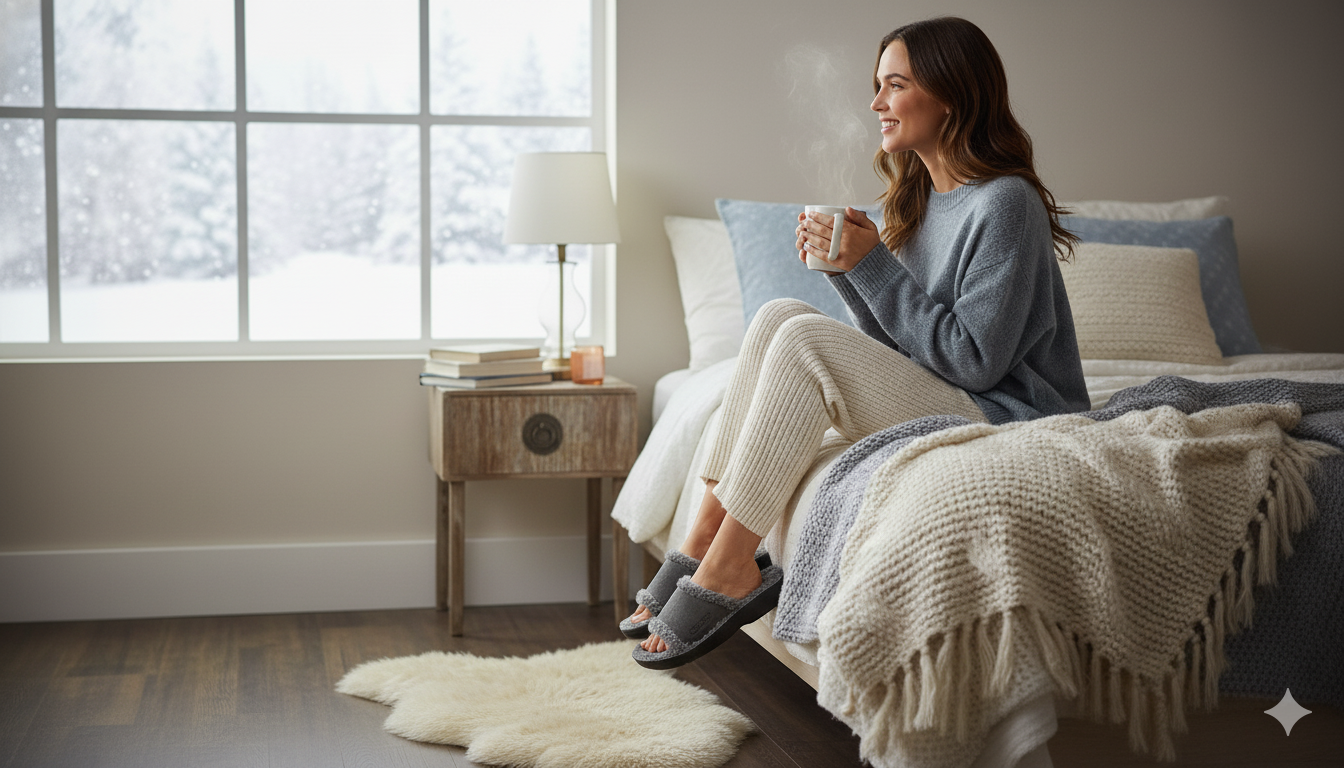

Slippers That Actually Help — How Arch Support Improves Your At-Home Comfort
Your home should function as your haven for comfort starting from the ground level. In the article How Arch Support Improves Your At-Home Comfort — Slippers That Actually Help, we reveal why wearing the right slippers can be the difference maker for your feet, posture, and ease of mind. This engaging piece covers a review of the Hadley Cozy Faux Fur Slipper to combine a warm lifestyle topic with expert knowledge to show how supportive footwear is transformative for daily living one step at a time.
Learn more
Best Warm Slippers for Women 2025 — Cozy Picks for Home Comfort
Enter the coziest trend of 2025 - slippers that combine warmth, design and all-day comfort. This guide to Best Warm Slippers for Women 2025 is an exploration into the comfort of slippers being a lifestyle need. From the soothing plush faux fur interior, to design arch support and comfort for relaxing at home, we’ll help you find a pair that has all the comforts to take your cozy level up a notch at home. With insider select review of the Gemma Slipper also featuring our top pick overall for cozy, the Clog, we’ll help you properly accessorize slippers that feel as good as they look.
Learn more
Supportive Flip-Flops: The Perfect Blend of Comfort, Style, and Foot Health
Flip-flops have always been a go-to choice for easy, casual wear, but not all of them are designed with comfort and support in mind. Today, supportive flip-flops bring together style, durability, and the right features to keep your feet healthy while looking good. In this blog, you will explore everything about choosing the right pair, their key benefits, and how to make the most of them. What Are Flip-Flops? Flip-flops are casual slip-on sandals that people often wear in warm weather. They have a flat sole with a strap that goes between the toes, making them easy to wear and take off. Because they are light and open, many people choose them for comfort and convenience during everyday activities. Today, supportive styles are also available, giving more comfort and better care for your feet compared to regular ones. You may consider wearing flip-flops for; Short casual walks on sunny days. Relaxing at a backyard party. A day at the beach or by the pool. Key Features to Look for in Supportive Flip-Flops If you want something you can wear for more than just a quick step outside, it is important to choose ones that support your feet. The right features can turn a simple flip-flop into a reliable everyday option. Here are some common features you must look for while choosing your supportive flip-flops; Slip-Resistant Slip-resistant flip-flops reduce the chances of accidents and keep you steady on your feet. They are especially helpful for those who like to wear flip-flops beyond just lounging at home. Significant Arch Support Flat flip-flops often lead to sore feet, but supportive ones with built-in arch support make a big difference. They help align your feet properly, reduce strain on your heels, and give lasting comfort. This makes them perfect if you are looking for comfortable flip-flops for walking. Adjustable Fit Everyone’s feet are shaped differently, and an adjustable strap allows for a custom fit. Instead of slipping or feeling too tight, your flip-flops stay secure all day long. This feature also helps prevent rubbing or blisters, making your walks more enjoyable. Water-Resistant If you plan on wearing flip-flops to the beach, by the pool, or even on a rainy day, water resistance is key. These flip-flops dry quickly and do not get damaged easily from moisture. That makes them both practical and durable for everyday use. Breathable Material Flip-flops made with breathable and lightweight materials allow air to flow, keeping your feet cool and fresh. This makes them ideal for warm summer days and long wear. Cushioning Good cushioning gives your feet the soft support they need for walking or standing longer. A cushioned footbed absorbs shock with each step, reducing pressure on your joints. With this, you can enjoy lightweight, supportive flip-flops that feel as good as they look. Best Supportive Flip-Flops for Women by Aerothotics The best supportive flip-flops for women by Aerothotics are designed to bring comfort and stability to your everyday steps. These thong sandals for women provide a perfect mix of support, durability, and style, making them a reliable choice for daily wear. Here are some of the best options in the supportive flip-flops you may consider getting from Aerothotics; 1. Mairin Stylish Arch Support Flip-Flops Sandals The Mairin Stylish Arch Support Flip Flops for Women are where elegance meets comfort. Designed with a quilted satin strap and a contoured footbed, these supportive flip-flops make every step effortless while keeping your feet aligned and secure. Perfect for spring and summer, they balance fashion with foot health, making them a reliable choice for all-day wear. Here is how it can be a perfect blend of style and comfort; At only 0.385 lbs per pair, these lightweight, supportive flip-flops are designed for effortless wear without straining your feet. Quilted satin strap with flawless stitching creates a polished look, while the cushioned footbed ensures a secure, comfortable fit. A stable 1" heel, 0.7" platform, and deep heel cup cradle your foot, offering the right mix of alignment and balance. Slip-resistant sole adds extra confidence when moving across smooth, wet, or uneven ground. Polyurethane gel-infused design contours naturally to your arches, making these some of the best supportive flip-flops for lasting durability and relief. Engineered to support medium arches, reducing fatigue and discomfort for a pain-free walking experience. 2. Eden Non-Slip Comfortable Thong Sandals for Women The Eden Non‑slip Comfortable Sandals for Women bring together steady traction, effortless style, and day‑long support. If you are browsing the market for the best supportive flip flops for women, Eden gives you that same foot‑friendly feel with the secure hold of a sandal. A simple, polished look makes them an easy pick for everyday wear. Given below are some features that make it an ideal footwear for people who prefer foot health without compromising style. Clean, casual‑to‑semi‑casual styling pairs with dresses, shorts, or denim; multiple color options make it simple to match your everyday outfits. Built with a grippy rubber outsole that helps prevent slips on wet tile and sidewalks, it delivers the stability many look for in supportive flip flops but with a more secure upper. Lightweight with 0.37lbs limits strain on busy days; the low 0.7-inch lift adds comfort without bulk, a smart alternative for those who want supportive flip flops with better stability. Subtle, supportive arch design helps reduce fatigue and encourages better alignment while the sandal straps keep your foot centred and controlled. Quick‑dry, breathable lining keeps feet cool and comfortable from spring through fall, so you can stay fresh during errands, travel, and long days on your feet. 3. Aislynn Comfortable Women Thong Sandals The Aislynn comfortable women's thong sandals by Aerothotic are designed with biomechanical support and timeless style, giving you the perfect balance of comfort and elegance. Featuring sparkly straps, a well-structured sole, and a comfortable toe post, these sandals prove that the best supportive flip flops do not have to compromise on style. Here are the common reasons that make it stand out among other options; Arch-support with a deep heel cup supports medium arches and aids in proper foot alignment, reducing discomfort for conditions like plantar fasciitis. Super lightweight midsole with polyurethane technology provides lasting cushioning and reduces foot fatigue, weighing only about 0.368 lbs per pair. Linear patterned outsole with a hollow U-shaped opening ensures firm grip and traction, hugging the ground for steady steps even on uneven terrain. Designed with a smooth, well-placed toe post that prevents irritation and eliminates the risk of burning blisters between toes. Classic thong style with shimmer-accented straps lined with foam padding for a soft, blister-free fit. A stylish choice that transitions easily from casual to semi-casual outfits. 4. Enhalus Women Sandal The Enhalus supportive flip flops are designed for women who value both comfort and style. Featuring breathable mesh-textured straps and a cushioned inner lining, these everyday supportive flip-flops keep your feet cool, fresh, and blister-free. The contoured, sweat-resistant footbed ensures long-lasting comfort, while the lightweight build makes them easy to wear all day without strain. These medical-grade supportive flip-flops are a reliable choice for daily wear, vacations, or beach outings as they offer a good blend of comfort and style. Designed with a polyurethane gel-infused midsole, the footbed contours to your arches, offering support that helps maintain posture and foot health while ensuring durability over time. Lightweight with only 0.65 lbs per pair, they deliver all-day comfort and ease of movement, allowing you to enjoy everyday supportive flip flops without experiencing fatigue. Quick-drying and water-friendly materials make them ideal for the beach or casual outdoor strolls, combining practicality with a refined, modern look. The cushioned, sweat-resistant footbed keeps your feet fresh, while the wave-patterned outsole provides excellent grip, making these the best supportive flip flops for everyday use. Spacious fit of 3.5-inch width ensures balance and comfort, making them an excellent choice for those seeking medical-grade supportive flip flops that suit different foot shapes. Benefits of Supportive Flip-Flops Wearing supportive flip-flops goes beyond just keeping your feet comfortable. They can improve the way you walk, reduce strain on your body, and make everyday movement easier. The right pair can genuinely make a difference in your overall well-being. Look at the notable benefits the supportive flip-flops offer. Improved Posture The best supportive flip flops are designed to keep your feet aligned, reducing extra strain on your back and shoulders. This helps you maintain a natural posture and move more comfortably. Less Fatigue Stylish, supportive flip-flops with cushioned footbeds and arch support allow your feet to relax, so you can walk or stand longer without feeling sore or overly tired. They make a great everyday choice for women who spend long hours on their feet. Stability in Walking Supportive soles provide balance and steady footing, making each step secure whether you are heading out for errands or enjoying a casual day outdoors. This added stability also helps reduce the risk of slips or unwanted strain. Better Overall Health Choosing the best supportive flip flops from Aerothotic not only helps prevent common foot pains but also supports your arches and joints, promoting long-term comfort and overall wellness. Over time, this can contribute to healthier movement and improved mobility. Tips to Style Your Flip-Flops Flip-flops are not just about comfort; with the proper styling, they can easily blend into casual, semi-formal, and even smart-casual outfits. Here are some simple yet stylish ways to pair them with your wardrobe: For a casual weekend look, you may pair your supportive flip-flops with classic denim shorts and a relaxed cotton t-shirt. Combine supportive flip-flops with a midi skirt and a tucked-in sleeveless top for a chic look at summer brunch. Adding minimal jewellery will add to the outlook. For long travel days, go with joggers, a soft hoodie, and supportive flip-flops. This pairing keeps you relaxed on the go while making long distances much easier. You may wear your supportive flip-flops with a breezy sundress, a flowy maxi, or even a swimsuit cover-up for an excellent beach-ready look. How to Make Flip-Flops Last for Long? Flip-flops can serve you well for many seasons if you take good care of them. A few simple habits can help keep them in shape and extend their life, such as; Keep them in a cool, dry place away from direct sunlight. Wash with mild soap and water instead of harsh cleaners. Do not rely on just one; switching pairs reduces daily wear. Avoid rough surfaces or activities that may strain the straps. The Bottom Line Supportive flip-flops are more than a casual footwear choice; they are designed to combine comfort, durability, and proper foot support. By selecting pairs with key features such as cushioning, arch support, and slip-resistance, you ensure both style and long-term foot health. Adding them to your daily wear allows you to enjoy lightweight ease without compromising on stability or protection. With the proper care and mindful use, supportive flip-flops can remain a reliable part of your wardrobe for many seasons. Frequently Asked Questions Do supportive flip-flops help with plantar fasciitis? Yes, supportive flip-flops can ease the discomfort of plantar fasciitis. Their built-in arch support and cushioned footbeds reduce pressure on the heel and provide stability while walking. Are supportive flip-flops better than regular flip-flops? Supportive flip-flops are much better than regular flat ones because they offer proper arch support, cushioning, and grip. Regular flip-flops often lack structure, which can strain your feet and joints. Can I wear supportive flip-flops all day? Yes, supportive flip-flops are designed to handle extended wear, unlike standard flat versions. Their ergonomic design keeps your feet comfortable. However, for very long walks or heavy activities, switching to sturdier footwear is still recommended. Do flip-flops cause knee pain? Basic flat flip-flops can sometimes lead to knee pain because they lack arch and heel support, causing misalignment in posture. Supportive flip-flops, on the other hand, distribute weight evenly and reduce extra stress on the knees. Are supportive flip-flops good for travel? Yes, supportive flip-flops are an excellent choice for travel as they are lightweight, easy to pack, and comfortable for casual walking. They keep your feet relaxed without compromising on style.
Learn more
Sandals vs Flip Flops: Which is Best for Comfort & Style?
Footwear is more than just something you slip on; it can shape your comfort and style every day. When comparing sandals vs flip flops, it is essential to know which option matches your needs best. Whether you lean toward quick-dry flip flops for casual wear or lightweight travel sandals for longer walks, the right choice makes all the difference. You may explore in this blog, both the sandals and flip flops from different aspects, which will help you decide better. A Quick Overview of Sandals vs Flip Flops Sandals have always been one of the most convenient choices for warm-weather wear. Their open design allows your feet to breathe, while different strap styles and materials make them suitable for both everyday use and more dressed-up occasions. Footwear brands create a wide variety of flip flops and sandals for women, giving options that combine comfort, durability, and style in one pair. Flip flops, on the other hand, are known for their simplicity and ease. They slip on quickly, feel light on the feet, and are perfect for relaxed days. Whether it is a trip to the beach or a poolside afternoon, flip flops have become a favorite casual summer footwear. With newer designs offering better cushioning and support, they are now more than just a quick option; they are an easy everyday choice. Key Differences Between Flip Flops and Sandals Understanding the difference between flip flops and sandals can help you choose the right pair for your lifestyle. While both are popular choices for warm weather, they are designed with different purposes in mind. Here is a closer look at how they compare: Protection Sandals vs flip flops often come down to how much protection you want for your feet. Sandals usually have multiple straps or more exhaustive coverage, keeping the foot more secure and shielded. Flip flops, on the other hand, are minimal in design, leaving the foot more exposed. Comfort When it comes to comfort, flip flops vs sandals depends on the occasion. Sandals are generally built with better cushioning and ergonomic features, making them suitable for more extended wear. Flip flops are lightweight and easy, but may not provide the same level of all-day comfort. Durability Another difference between flip flops and sandals is durability. Sandals are made with stronger materials and supportive soles, which last longer under regular use. Flip flops are more casual and often wear out faster, especially if used on rough surfaces. Intended Use Sandals work well for a variety of occasions, from casual outings to semi-formal settings. Flip flops are best suited for relaxed environments like the beach, pool, or quick errands. Deciding between sandals vs flip flops often comes down to where you plan to wear them. Type of Support Sandals usually offer better arch and heel support, making them more foot-friendly for walking or standing. Flip flops typically lack structured support, though some upgraded styles now include basic cushioning. This makes a clear difference between flip flops and sandals in terms of foot health. Travel Friendly Both can be travel essentials, but in different ways. Flip flops are compact, lightweight, and easy to pack, making them ideal for short trips or as backup footwear. Sandals, while slightly bulkier, are more reliable for walking longer distances during travel. Things to Consider While Choosing Sandals or Flip Flops When it comes to picking the right pair of sandals or flip flops, comfort and durability should always come first. The right choice can keep your feet happy whether you are heading out for a casual summer day or travelling. Here are some essential things to look out for before buying: Durability A good pair should last more than just one season. Look for strong soles and sturdy straps so your footwear can handle daily wear without falling apart. Durable pairs are significant if you want the best sandals for walking or extended outdoor use. Secure Fit Flip flops often get a bad reputation for slipping off, so make sure your pair fits snugly without being too tight. Sandals with adjustable straps usually offer a better grip, making them ideal for all-day wear. Arch Support Many cheap options skip this feature, but your feet will feel more comfort if you choose arch support flip flops or sandals with built-in support. This helps reduce strain on your feet, knees, and back. Heel Support A deep heel cup or slight lift can make a big difference in stability. This feature keeps your foot in place and provides balance when you are walking on uneven ground. Cushioning for Comfort Memory foam or gel cushioning is a game-changer. It reduces pressure and gives you that walking-on-air feeling, especially useful when you need lightweight travel sandals that keep you comfortable during trips. Quality Material Soft straps, breathable fabrics, and long-lasting soles make sandals or flip flops more enjoyable to wear. Choosing quality materials also means your footwear will feel good and look good as casual summer footwear. Arch Support Flip Flops When it comes to everyday comfort, not all footwear gives your feet the support they need. That is where arch support flip flops stand out. Unlike regular pairs, they are designed to reduce strain and keep you comfortable for long hours. Many styles, including womens thong sandals, combine ease with a touch of elegance, making them practical for daily wear. With so many options in flip flops and sandals for women, choosing a supportive design can make all the difference for foot health and style. Here are some of the best choices by aerothotics; Hazel Women’s Thong Sandals The Hazel Women’s Thong Sandals are made for women who want the best of both worlds, comfort and style. With their elegant metallic detail, supportive design, and lightweight feel, these sandals make an ideal pick for casual summer footwear that works from morning to night. Here is why it can be the right choice if you want both style and comfort. Built with polyurethane gel-injected technology and a firm outsole grip, these sandals are reliable on sidewalks, malls, and even trail roads. The vegan leather straps with a gold metallic ornament give these sandals a refined, dressy look while still staying casual enough for daily wear. Unlike basic flip flops, these sandals come with proper arch support and a deep heel cup that helps posture and reduces strain on your feet. With a true-to-size design and a 1-inch heel, they balance comfort and elegance, suiting both casual outfits and slightly dressed-up looks. Memory foam cushioning and soft padded straps reduce friction, while the cushioned toe post keeps your feet comfortable through long hours. Mellow Vibe Flip Flop Sandals With Arch Support The Mellow Vibe Flip Flop Sandals are all about relaxed comfort with a sporty edge. Designed for women who want casual summer footwear that does not sacrifice support, these sandals combine lightweight durability with everyday style, perfect for beach trips, errands, or weekend getaways. These flip flops are fabulous in terms of everyday comfort and style as; At just 0.87 lbs per pair, they are built with polyurethane gel-injected midsoles for strength while staying light enough for everyday wear. With textured heathered fabric straps and a contoured footbed, these sandals deliver a stylish yet laid-back vibe that works for casual outings and relaxed weekends. Shock-absorbing outsole with firm grip gives you confidence on sidewalks, sandy paths, or slippery surfaces. These flip flops and sandals for women make excellent lightweight travel sandals that fit easily in a bag and pair well with everyday outfits. From casual errands to vacation wear, they are a great addition to any collection of women's sandals and flip flops. Shale Comfortable Arch Support Flip Flops The Shale Arch Support Flip Flops for Women are where timeless style meets all-day comfort. With their elegant, minimalist design, supportive footbed, and APMA-approved structure, these sandals are a reliable choice for women who want footwear that looks chic while keeping their feet healthy and pain-free. The features given below make it an ideal fit for those looking for comfort and style in their everyday footwear. Backed by the American Podiatric Medical Association, they are a trusted choice for women who prioritize foot health. The sleek thong design with a metallic buckle gives these sandals a polished look that pairs beautifully with casual or semi-casual outfits. At just 0.512 lbs per pair, they are a perfect everyday option that won’t weigh you down. Designed with medium arch support and a deep heel cup, these sandals help with posture, stability, and overall foot health. With a comfortable 1.25” heel height and a secure grip, these sandals offer just the right mix of support and subtle lift. Soft inner strap lining and padded toe post reduce rubbing, keeping your feet relaxed even on long strolls. Sandals or Flip Flops: Which One Is the Right Fit For You? Choosing between sandals vs flip flops often comes down to your lifestyle, foot needs, and where you plan to wear them. Here are some practical points to help you decide: If you travel often or need lightweight footwear, flip flops are easy to pack and carry. However, if you plan to do a lot of walking, travel-friendly sandals with support may be a wise choice. For people with foot pain, flip flops may not be the best option since most lack structure. Instead, go for sandals with arch and heel support that keep your feet aligned and comfortable. For individuals going somewhere rugged or uneven, sandals are more reliable since they provide grip and hold your foot securely. Flip flops can feel unstable on rough ground. Sandals, being versatile, give you more styling options. Many brands design flip flops and sandals for women with details like buckles, straps, and neutral colors that work for both casual and slightly dressier looks. If you just need quick, casual footwear, flip flops are perfect for slipping on when heading to the pool, beach, or running short errands. In this case, flip flops vs sandals comes down to pure convenience. The Bottom Line When it comes to everyday comfort and style, both flip flops and sandals have their strengths. The choice between sandals vs flip flops is less about which is better and more about what fits your lifestyle. Flip flops bring you effortless convenience and breezy comfort, while sandals provide added support and versatility for a broader range of occasions. Instead of thinking of flip flops vs sandals as an either-or decision, consider building a footwear rotation that includes both. Thats way, you will always have the right pair ready, whether it is for a relaxed beach day, a busy travel schedule, or a casual outing that needs just a touch of polish. Frequently Asked Questions Are flip-flops bad for your feet if worn daily? Wearing flip flops every day is not good, as most styles lack arch support, which can lead to foot pain if used for long hours. It is better to rotate between women's sandals and flip flops, choosing durable summer footwear sometimes for added support. Do sandals flatten your feet? Not all sandals flatten your feet. Poorly designed pairs without proper arch support may cause strain, but well-made lightweight travel sandals often include cushioned footbeds that protect your arches. Are you supposed to wear socks with flip flops? Flip flops are worn without socks since they are designed for warm weather. However, some people wear thin socks for extra comfort or to prevent blisters. When comparing women's sandals and flip flops, sandals pair more naturally with socks. Should I wash my feet after wearing flip-flops? Yes, it is a good idea to wash your feet after wearing flip flops, especially in summer. They leave your feet exposed to dirt, dust, and bacteria. Keeping clean ensures your casual summer footwear stays comfortable and prevents skin irritation. When should you not wear flip-flops? Flip flops are best for short walks or the beach, but not for hiking, long city walks, or uneven ground. In these cases, durable summer footwear or lightweight travel sandals are the safer choice. They give your feet more stability and protection.
Learn more
Summer Slingbacks: The Must-Have Sandals for Warm Weather Style
When the weather warms up, nothing feels better than slipping into a pair of sandals that are both stylish and easy to wear. Summer slingbacks are the perfect choice, offering comfort, breathability, and a chic look you can pair with almost anything. From casual slingback sandals for summer to dressier options, they bring versatility to your wardrobe. Read this blog to explore what slingbacks are, the different types available, and how they can keep your feet comfortable all season long. What Are Slingback Summer Sandals? Slingback summer sandals are open shoes with a strap that wraps around the back of your heel, keeping your foot secure while leaving most of it open to breathe. They are designed to give you both style and comfort, making them a favorite choice when the weather turns warm. Unlike closed shoes, slingbacks feel airy and light, but unlike flip-flops, they also offer better support and a more polished look. These sandals are a perfect blend of fashion and function; you can dress them up or down without losing comfort. Their easy-to-wear design makes them a versatile pick for different occasions. You may consider wearing your slingback summer sandals for; Office wear with a smart-casual outfit Travel and sightseeing for light walking A casual day out or shopping trip Types of Summer Slingbacks Slingback sandals are not just stylish but also come in a variety of designs to match different needs. From dressy nights out to casual everyday wear, each type brings its own comfort and charm for warm weather. Here are some of the notable types of summer slingback sandals; Stiletto Slingbacks These are a go-to if you want something chic and dressy. Stiletto slingbacks add instant elegance, making them perfect for dinners, parties, or any time you want to elevate your outfit. Flat Slingbacks Flat slingbacks are all about comfort and ease. They are great for casual days, running errands, or traveling when you want something stylish but light on your feet. Block Heel Slingbacks Block heel slingbacks strike the balance between comfort and height. They give you a little lift without the strain of thinner heels, making them a versatile pick for work or outings. What Features Does a Quality Summer Slingback Must Have? A good pair of summer slingback sandals should feel easy on your feet while still looking chic. The right features make all the difference in keeping you cool, supported, and ready for any summer day. Here are some key features you should never overlook while buying summer slingbaks; Considerable Heel A slight heel adds balance and support without putting too much strain on your feet. It gives you that subtle lift that makes outfits look more polished without compromising comfort. Secure Fit One of the best things about slingback summer sandals is their ability to stay in place. A firm strap around the heel means you can walk with ease, whether it is a casual stroll or a long day out. High-Quality Material Premium leather, soft synthetics, or durable fabrics not only last longer but also feel gentler on your skin, especially during hot days. Choosing quality materials also helps the sandal keep its shape over time. Breathable Design Summer means heat, so a breathable sandal is a must. Open-toe designs and airy straps allow proper ventilation and keep your feet fresh, even on the hottest afternoons. Arch Support Quality summer slingback sandals should support your arches to prevent fatigue. A supportive arch keeps your body aligned and reduces the strain that often builds up after hours on your feet. Slip-Resistant Soles Whether you are strolling on pavements or heading to a summer event, a non-slip sole gives you stability and peace of mind. It is a minor feature that makes a big difference in daily comfort and safety. Cushioned Footbeds Extra padding under your feet can be the difference between comfort and discomfort. A cushioned footbed also absorbs impact, which means less stress on your joints and more energy left at the end of the day. Comfortable Slingback Summer Sandals by Aerothotics Aerothotics has become a trusted name for women looking for both comfort and style in their footwear. Their slingback sandals are designed with thoughtful details that make long summer days easier on your feet. With supportive footbeds, secure straps, and lightweight designs, these sandals offer the perfect mix of fashion and function. Here are the best fits you may consider by Aerothotics; Ridge Ankle Strap Sandals The Ridge Ankle Strap is a stylish yet comfortable choice that blends modern design with all-day support. With its metallic buckle detail and versatile colors, it is the perfect pair to elevate your casual summer looks. Designed for both comfort and style, these sandals bring the right balance of ease and elegance, making them a reliable pick for warm-weather outings. Here are the key reasons for it being the go-to option among other slingback sandals; A cushioned footbed with lining offers soft support, making long summer walks easier on your feet. Available in black, tan, and red, these sandals pair effortlessly with short summer dresses and casual outfits. The engraved outsole pattern keeps you steady on different surfaces, making them reliable casual slingback sandals for summer. At just 0.70 lbs per pair, these slingbacks feel light and easy to move in, even on warm days. A deep heel cup and PU outsole provide proper hindfoot support and stability for everyday wear. Renee Adjustable Strappy Comfortable Arch Support Sandals for Women The Renee Adjustable Strappy Sandals are designed to bring unmatched comfort to your summer days. With a supportive build and stylish versatility, they make the perfect companion for both casual strolls and semi-casual outings. Thoughtfully crafted with adjustable straps, cushioned lining, and arch support, these slingback summer sandals keep your feet relaxed no matter how long you are on the move. Here’s how it can be an excellent choice for your summer days; Contoured arch support and a medium heel cup keep your feet aligned, making them ideal for medium arches. Weighing just 0.438 lbs per pair, these summer slingback sandals feel airy and effortless on warm days. Foam-lined footbed with a polyurethane gel insole absorbs shock and reduces pressure, easing foot strain. With a modest 1-inch heel height and casual design, these sandals are perfect for daily wear without compromising support. Adjustable velcro straps let you customize the fit for secure and comfortable wear all day long. Whitney Open-toe Genuine Leather Platform Sandals The Whitney Open Toe Sandals bring together timeless style, premium materials, and everyday comfort. They are built to mold to your feet and get even better with wear. These platform sandals are a go-to option for women who want both style and support in their summer wardrobe. Whether paired with jeans, skirts, or breezy dresses, Whitney is a versatile choice that elevates any warm-weather look. Here are the key features Whitney slingback sandals offer that make them a good fit; Double straps with durable metal buckles and an ankle strap ensure the sandals fit comfortably on wide or narrow feet. Crafted from 100% genuine leather, these sandals are designed for long-lasting use while maintaining their stylish appeal. The natural cork footbed adapts to your foot shape, offering tailored cushioning, breathability, and all-day support. At just 1.0 lbs per pair, these lightweight slingback sandals keep your steps easy in summer heat. A deep heel cup and patterned EVA outsole provide reliable grip and alignment, making them steady for all-day wear. Maris Arch Support Women’s Slingback Sandals The Maris Slingback Sandal is designed for women who value both comfort and effortless style. Built with advanced arch support and a lightweight sole, it is the perfect companion for long summer days when you need stability without sacrificing elegance. With its variety of vibrant colors and supportive features, Maris blends fashion with function, making it a go-to choice for everyday wear. The polyurethane gel-injected sole absorbs impact, reducing pressure on the feet for a smoother walking experience. Perfect for spring and summer outfits, with casual versatility that works for both everyday and semi-casual looks. A medium heel cup and contoured arch support provide stability and alignment, easing foot strain during daily activities. Polyurethane technology ensures long-lasting wear while offering a soft and flexible feel. Weighing only 0.412 lbs per pair, these sandals feel airy and easy to wear all day long. Available in black, green, orange, red, and yellow, making it easy to match with your warm-weather wardrobe. What Foot Conditions Can Arch Support Slingback Sandals Relieve? Wearing the right pair of slingback sandals with arch support can ease common foot problems. The supportive design helps align your feet properly, reduces strain, and keeps you comfortable through the day. Here’s how they can help with different conditions; Flat Feet For people with flat feet, slingback sandals with built-in arch support give the foot the lift it needs. This reduces pressure on the heels and ankles, making walking easier and less tiring. Plantar Fasciitis Arch support in slingbacks helps spread weight evenly across the foot, easing tension on the plantar fascia. This can reduce the sharp heel pain often felt first thing in the morning. If you're looking for effective relief, plantar fascia sandals with arch support are an excellent choice. Heel Spurs The cushioning in supportive slingback sandals can absorb shock and reduce pressure on the heel, making it more comfortable to stand or walk for extended periods. High Arches High arches can cause pressure on the ball and heel of the foot. Arch-support slingbacks balance out that pressure and provide stability, which helps prevent soreness. Overpronation For those who roll their feet inward while walking, supportive slingbacks help correct alignment. This lowers strain on the arches, knees, and even the lower back. The Bottom Line Summer slingback sandals are an effortless way to add comfort, polish, and ease to your everyday style. The right pair can carry you from casual routines to evening dinners without missing a beat. If you are building your warm-weather wardrobe, consider investing in slingbacks that not only look good but also support your feet where it matters most. Whether you lean toward flats, block heels, or something dressier, there is a slingback sandal waiting to become your go-to summer favorite. The key is choosing wisely, because the right slingback makes every step of your season feel lighter. Frequently Asked Questions Should I wear socks with slingbacks? Slingback sandals are usually worn without socks to keep their breezy summer look. However, if you prefer extra comfort or want to avoid rubbing, you can try thin, no-show socks that do not take away from the style. Why do my slingbacks keep falling? If your slingbacks slip off, it is often because the strap is not tight enough or the fit is not correct. Look for adjustable straps or add a small heel grip to keep them secure and comfortable. Do slingback sandals cause blisters? Like any new shoes, slingbacks can cause blisters if the straps rub against your skin. Choosing soft materials, breaking them in slowly, and wearing them for shorter times at first can help prevent this. Are slingback sandals suitable for walking long distances? Yes, as long as they have cushioned soles and good arch support. Pick a pair designed for comfort, and you will find slingback sandals great for walking in warm weather. Can I wear slingback sandals in spring and fall, too? Slingbacks are versatile and work well beyond summer. With the right outfit, they transition smoothly into both spring and early fall.
Learn more
How Do I Know If My Thongs Have Enough Arch Support?
While thongs are a warm-weather favorite for their easygoing style, they are often guilty of lacking the one thing your feet truly need, and that is support. Choosing thongs with good arch support is not just a nice-to-have, it is a must for your comfort and health. Read this article to know everything you need to keep your steps easy, pain-free, and ideally supported all summer long. Types of Arches Understanding the different types of arches is key to choosing the proper footwear. Each arch type has its own support needs and can affect your overall foot health and comfort. Low Arches People with low arches require low arch support footwear with extra cushioning to absorb shocks from uneven terrain. Significant arch support with deep heel cup and rigid shanks is essential to ensure a balanced walk. Overlooked low arches may lead to several foot problems, including heel spurs, bunions, or general foot and back fatigue. Medium Arches People with medium arches usually have a more neutral foot posture. Moderate cushioning and flexible midsoles help maintain natural movement and comfort during walking or running. With consistent use of unsupportive footwear, such people may develop plantar fasciitis. High Arches High arches often pose pressure on the ball and heel of the foot. People with this foot type require high arch support foorwear with ample cushioning, arch-contoured insoles, and shock-absorbing soles. Extra padding helps distribute weight more evenly and reduces strain. Why Arch Support Matters In Footwear? Arch support in footwear is crucial because it helps your feet stay aligned and balanced while you walk, stand, or run. Everyone’s feet are shaped differently, and without proper support, your arches can collapse or strain, leading to discomfort or long-term pain. Footwear with good arch support reduces pressure on your heels, toes, and joints by spreading your body weight evenly. This not only makes walking more comfortable but also helps prevent common foot problems like plantar fasciitis, flat feet, and heel pain. Whether you have low, medium, or high arches, wearing shoes with the proper support can make a big difference in how your feet feel at the end of the day. It's one of the easiest ways to protect your feet and stay active without unnecessary pressure. Things to Look for In Flip-flops With Proper Arch Support Here are the arch support thongs sandals features that you should never overlook while buying a pair of supportive thong sandals; Customized Fitting Flip-flops with proper arch support should fit your feet comfortably without slipping or squeezing. A good pair will follow the natural shape of your foot. Adjustable straps or flexible materials can achieve a more personalized and secure fit. Durability Supportive thong sandals should be made from strong, high-quality materials that don’t wear out quickly. Durable soles and straps help the sandals maintain their support over time. A sturdy build also ensures long-lasting comfort for daily or frequent use. Firm Sole A firm sole gives your foot a stable base to walk on, reducing strain on your arches. It prevents the sandal from bending too much and protects your feet from rough or uneven surfaces. Look for soles that feel solid but not too hard underfoot. Contoured Footbeds A contoured footbed gently supports the shape of your foot, especially the arch area. It helps in even weight distribution and reduces pressure on specific points. This design also keeps your feet in a more natural and aligned position. Deep Heel Cup A deep heel cup holds your heel in place and adds extra stability to your step. It also helps absorb shock and reduce pressure on your heel and ankle. It is suitable for people who need added support and control. How to Choose Supportive Thongs Specific To Your Needs? When it comes to choosing the right supportive thong sandals, it is crucial to pick a pair that truly fits your feet and lifestyle. Here are the key things to consider to get the most suitable option; Arch Type Knowing if your arch is low, medium, or high helps you choose sandals with the right level of support. Each arch type needs a different kind of cushioning and structure. Choosing based on your arch can prevent discomfort and reduce foot strain. Lifestyle Think about how and where you will wear your sandals. If you walk a lot or travel often, you will need a more durable and supportive design. For quick outings or beach trips, lighter support may be enough, but never compromise comfort. Foot Conditions (If Any) If you have foot problems like flat feet, plantar fasciitis, or heel pain, supportive sandals become even more critical. Look for features like a deep heel cup, contoured footbed, and firm arch support to ease pressure and reduce discomfort. Podiatrist Approved Choose footwear that is recommended or approved by podiatrists. These sandals are usually tested for comfort, support, and foot alignment. It’s a smart way to make sure you’re choosing something that genuinely supports your foot health. Foot Conditions By Unsupportive Footwear If you do long working hours or frequently go on casual walks, you must invest in a good pair of shoes that offer significant arch support and are recommended by podiatrists. If not, you may face a severe foot condition that negatively influences your overall health. Here are common foot problems you may face if you randomly choose flip-flops; General Foot Pain Plantar Fasciitis Heel Spurs Flat Feet Bunions Knee and back pain Best Flip-Flops for Summer Travel Finding the best flip-flops for summer travel means choosing pairs that offer more than just style and aesthetic appeal. They need to provide comfort, support, and durability for every step you take under the sun. The best picks from Aerothotic, however, offer excellent choices that give both style and comfort. Pearly Fume Women’s Sandal Pearly Fume sandals combine comfort, style, and support in one sleek design. Here are their summer-friendly features; Lightweight design for easy all-day wear. Deep heel cup and supportive footbed reduce fatigue and promote healthy posture. Memory foam toe post for added comfort during long walks or travel. True-to-size fit with a modest 1-inch heel for natural foot alignment. Polyurethane gel-injected midsole for durable cushioning and arch support. Fallon Arch Support Flip Flops for Women Fallon flip flops are perfect for warm-weather travel and everyday wear due to the blend of minimalist design and athletic comfort they offer. Summer-friendly features include; Gel-infused polyurethane midsole offers strong arch support and cushioning. Sporty style with a precise, true-to-size fit, 1-inch heel, and 3.75” width. Smooth matte vegan leather straps with soft padding for all-day ease. Memory foam cushioned toe post for gentle support during extended wear. Podiatrist-approved for promoting foot health and everyday comfort Eden Non-Slip Comfortable Thong Sandals for Women Eden Non-slip sandals are designed for stability and day-long ease and a go-to choice for warm-weather comfort and casual outings. It is a good choice for summer as; Low 0.7-inch heel and 3.5-inch width provide a natural, balanced fit. Sleek design complements both casual and semi-casual summer looks. The lightweight design of 0.374 lbs per pair is ideal for long summer walks. Available in a wide range of vibrant and neutral colors for seasonal styling. Quick-drying inner lining keeps feet cool, fresh, and moisture-free. Signs That Your Footwear Lacks Arch Support If you wear shoes that lack arch support, you may notice clear signs of discomfort. Here are some common symptoms of pain caused by unsupportive footwear; Discomfort Walking If you often feel pain or discomfort while walking, especially in your heels, arches, or ankles, it could be a sign that your footwear is not giving your feet the support they need. Supportive shoes should make every step feel stable and cushioned. Visible Pronation When your feet roll inward while walking, it is called overpronation. This often happens with unsupportive shoes and can lead to knee, hip, and back problems. Watching how your shoes wear down can help you spot this issue early. Swollen Feet Wearing shoes without proper arch support can cause your feet to swell by the end of the day. The lack of support puts extra pressure on your feet, causing poor circulation and fluid buildup, especially if you are standing or walking for long hours. Worn-Out Sole If the soles of your shoes wear out quickly or unevenly, especially in the heel or arch areas, it is a clear sign that they are not supporting your foot correctly. Quality supportive footwear should maintain shape and structure for much longer. Unstable Walking Feeling off balance in your sandals is another warning sign. Proper arch support helps stabilize your foot with every step. Lack of this support can cause uneven steps, increasing the risk of trips or ankle strain. Frequent Foot Fatigue Tired, aching feet may mean your arches are not getting enough support. Good footwear should reduce fatigue by helping distribute pressure evenly across your foot. Blisters or Calluses Shoes that lack proper structure often cause your feet to rub against them unnaturally, leading to blisters or thick calluses. These indicate a poor fit, which could affect your foot health over time. How to Check Arch Support In Thong Sandals? You may try these simple ways to check if a pair offers the arch support your feet need; Visual Assessment Start by looking at the footbed of the sandal. A good supportive pair will have a gentle rise where your arch naturally sits. If the sole looks completely flat with no curves, it will not support your feet' shape while walking. Flex Test Hold the sandal in both hands and try bending it. Supportive sandals should only flex at the ball of the foot, not through the middle. If it folds easily in half, it is probably too soft and will not hold your arch in place. Footprint Test Step on a piece of paper with a wet foot and look at the imprint. If the whole foot shows clearly with no gap under the arch, your foot likely needs more support. Use this test to understand what kind of arch you have before buying. Stability Test Wear the sandals and take a few steps to observe the stability. If your feet shift excessively or your stride feels unsteady, it may be due to insufficient support. A well-designed sandal should offer a secure fit and promote a balanced movement. Contour Test Gently run your hand across the sandal’s footbed. You should feel a slight curve or lift where the arch would rest. If it feels totally flat or overly soft, the sandal probably is not designed for long-term foot comfort. Standing Test Stand in the sandals for a minute or two and notice how your feet feel. If you start feeling pressure or fatigue in your arches or heels, the support is likely missing. Good arch support should make standing feel easy and natural. The Bottom Line If you are planning a vacation this summer, do not overlook the importance of footwear with proper arch support in your flip-flops. Many foot problems start with the wrong footwear, and it is not that difficult to prevent them. Look for sandals that match your arch type, offer a firm yet comfortable sole, and hold your foot securely with every step. A well-made, supportive pair does not just feel better, it protects your feet from fatigue, misalignment, and long-term strain. Make comfort a priority before stepping out. The right pair of flip-flops can turn a tiring day into an enjoyable one, helping you move freely and confidently, no matter where your summer takes you. Frequently Asked Questions Do barefoot shoes have arch support? Barefoot shoes are designed with minimal structure and most do not include traditional arch support, as they aim to let the foot move and strengthen naturally. It works well for some people with strong foot muscles; it may not be suitable for those with flat feet or high arches. Why do my feet hurt when I wear shoes with arch support? If your feet hurt when you wear supportive footwear, it may be due to the arch support not being of a suitable type. Moreover, you may feel discomfort in new shoes, which disappears after wearing them a few times. How often should I replace my thong sandals? A good pair of thong sandals with considerable arch support can last for 1 to 2 seasons if used carefully. If the sandals are used mainly for beachwear or occasional use, they may last longer, but for daily wear or travel, regular replacement is key to maintaining foot health. Are thong sandals with arch support suitable for travel? Yes, thong sandals with built-in arch support can be suitable for travel, especially during warm-weather trips or casual sightseeing. However, they may not be ideal for rough terrains, long hikes, or cold climates. Prefer cushioned soles, deep heel cups, and durable straps to ensure comfort. Can I add arch support inserts to flip flops? Adding arch support inserts to traditional flip flops can be challenging due to the open design and lack of structure. Purchasing flip flops that come with built-in arch support is preferable, as they are designed to support foot alignment without compromising fit or stability.
Learn more
Aerothotic vs Archies Flip Flops: What's the Difference
Comfort matters alot in your footwear selection, especially if you wear them daily or for long hours. That is where arch support makes all the difference. In this article, you can explore two popular footwear brands, Aerothotic and Archies, both known for putting comfort and foot health first. Let’s take a closer look at what sets them apart. Overview of Aerothotics vs Archies Aerothotic is a U.S.-based footwear brand known for blending orthopedic comfort with everyday style. Their collection mainly features arch support flip flops, slides, and sandals designed to ease common foot problems like plantar fasciitis and heel pain. With a wide variety of designs and colors, Aerothotic appeals to those who want medically supportive footwear that also looks good for casual or semi-formal wear. While Archies is an Australian brand created by a physical therapist who saw the need for supportive flip flops that do not compromise on comfort or appearance. Archies offers a single, signature style of arch support thongs available in multiple colors. Their minimal, one-piece design caters to people with active lifestyles or anyone looking for pain relief without switching to bulky orthopedic shoes. Distinct Features of Flip Flops by Aerothotics Aerothotic flip flops are carefully crafted for people who need more than just basic footwear, they’re designed to support your feet throughout the day without compromising comfort or style. They can be an excellent choice for different purposes, including a carefree beach walk, a formal dinner, or performing daily routine tasks. Here is a quick view of the features you can experience in the footwear by Aerothotic; Shock-absorbing Soles Each pair is built with cushioned soles that absorb the impact of every step, helping reduce strain on your heels and joints. This makes walking or standing for long periods much more comfortable.This feature is especially beneficial for individuals who spend long hours on their feet or experience joint sensitivity. True-to-size Fit Aerothotic flip flops are designed to fit just right to your foot size with no guesswork involved. Their consistent sizing ensures you get a secure and comfortable fit straight out of the box, even without trying them on. Water and Slip-Resistant Material Crafted from lightweight, water-friendly materials with grippy soles, these arch support thongs hold up well around wet surfaces. Whether you are on a tour at the poolside or winding up your daily kitchen tasks, they offer a balanced and stable walk without the fear of slipping on rough or wet surfaces. Significant Arch Support One of Aerothotic’s standout features is the built-in arch support that promotes natural alignment. It helps relieve foot fatigue and discomfort, especially for people with severe foot conditions, more notably flat feet or plantar fasciitis. High Durability Crafted with premium, wear-resistant materials, footwear by Aerothotics maintains its shape and support even after prolonged use. The build quality reflects a commitment to long-term foot health, ensuring that you do not have to replace your footwear frequently. What Makes the Archies Flip Flops Preferable? Archies flip-flops are designed with a focus on simplicity, support, and long-lasting comfort. While they may appear minimal in design, they deliver exceptional comfort due to the carefully designed structure. Ideal for those who value both foot health and ease of movement, Archies have become a trusted choice among health professionals. Here are some of the key features archies footwear has; Contoured Footbed The contoured footbed in Archies flip flops mirrors the natural shape of the foot, offering gentle but firm support throughout the arch and heel. This design encourages proper alignment, reducing stress on the feet and lower limbs during movement. Secure and Flexible Unlike typical flip flops that often require toe gripping to stay on, Archies are designed with snug-fitting straps that comfortably hug the foot. This secure fit allows for a more relaxed walk, minimizing muscle fatigue. The flexible material gently adapts to various foot shapes without causing irritation or pressure points. Orthotic Arch Support Archies are built with a medical-grade arch support system that outshines many custom orthotics. The lifted arch is ideal to relieve foot pain in individuals with flat feet, plantar fasciitis, or general arch pain. Enough Guarantee To ensure customer satisfaction, Archies offers a two-month comfort guarantee, allowing buyers to try the footwear. This commitment reflects the brand’s confidence in its product performance and customer experience. It also demonstrates a strong approach to facilitating the customers that sets Archies apart in the market. Breathable and Durable Design Constructed from high-quality, closed-cell foam, Archies flip flops are lightweight, breathable, and resistant to wear and moisture. The one-piece design minimizes weak points, reducing the chances of strap failure or sole separation. This makes them a reliable choice for daily walks, travel, or long-term wear even in warm climates. Best Arch Support Thongs for Summer Travel by Aerothotics When it comes to summer travel, comfort and support matter just as much as style. This Aerothotic flip flops review highlights the top picks that are not only travel-friendly but also gentle to your feet during long working hours. Here are some of the best choices to select your flip-flops from for your summer vacations; Glynis Thong Sandals With Arch Support for Women Looking for a sandal that blends comfort with just the right amount of sparkle? The Glynis Thong Sandal by Aerothotic is a thoughtful pick for women who want reliable arch support without giving up on style. It works beautifully as a casual daywear option and can even pass for dressy outings while travelling. Here is how it can be a reliable choice for your summer travel; Weighing under half a pound, they take up minimal space in your suitcase, an ideal choice if you are packing light or travelling with just a carry-on. With built-in arch support and a deep heel cup, Glynis keeps your feet aligned and supported throughout the day, perfect for sightseeing or evening strolls on vacation. The subtle shimmer on the straps adds a nice touch of style, making them easy to pair with casual daywear or slightly dressier vacation outfits. With a firm platform sole and quality materials, Glynis is built to last through long travel days without wearing out or flattening over time. The Velcro strap lets you customize the fit in seconds. Whether your feet swell on long flights or you are walking all day, these sandals adapt without discomfort. Mellow Vibe Flip Flop Sandals With Arch Support If your travel plans include beach days, long strolls, or just some easygoing downtime, the Mellow Vibe flip flops are made for you. With a sporty feel and a soft, supportive base, these sandals deliver all-day comfort without the bulky look of orthopedic footwear. They are ideal for casual summer outings where style and function need to go hand in hand. Here are some standard features of Mellow vibe flip-flops that make them suitable for your summer tour; Mellow Vibe is water-friendly and quick-drying, making it a great companion for coastal vacations, poolside relaxation, or humid climates where your shoes need to breathe. Despite its sporty cushioning, the sandal is impressively lightweight at just 0.87 lbs per pair. It will not weigh your luggage down and is durable enough to keep up with active travel days. The heathered fabric straps are padded inside for a gentle feel against your skin, no irritation between the toes or rubbing across the top of the foot. Whether you are on rocky trails, cobbled streets, or smooth airport floors, the anti-slip sole with its U-shaped traction design offers solid grip and control. The contoured footbed and shock-absorbing midsole provide reliable support for your arches and heels, helping reduce fatigue on long travel days or while exploring unfamiliar cities. Strait Arch Support Flip Flops, Thongs, Sandals Strait Arch Support Flip Flops are worth considering if support, comfort, and style are all your preferences. These flip flops are built for comfort and ease, no matter what kind of plans you have for the day. Their supportive design helps reduce foot strain during casual outings or everyday wear. They are a smart pick when you want something light, stable, and easy on your feet. Given below is a quick look at the features that make them a travel-friendly choice for summer; The outsole design offers dependable traction, making them safe to wear on a range of surfaces, from damp docks to rocky sidewalks, reducing your chances of slipping while moving. The gel-injected midsoles adapt to your natural arch shape and provide focused support for medium arches. They are made from water-resistant materials that dry quickly and retain their shape, making them a go-to choice to walk on beachside or other wet surfaces. At just 0.65 lbs per pair, these sandals are light enough to carry in your travel bag without adding bulk. Their compact structure makes them easy to slip into your daypack. Crafted with foam-padded mesh straps and a cushioned toe post, these sandals wrap your feet gently, minimizing irritation even during extended wear. Arch Support Flip Flop by The Archies Archies flip-flops are thoughtfully designed with a focus on foot health and everyday comfort. While the brand does not offer a wide variety of styles, its signature design stands out for its built-in orthotic support and one-piece design. Archies are especially helpful for people dealing with flat feet, heel pain, or mild plantar fasciitis, and they cater well to anyone who wants lightweight footwear that does not compromise on structure. These flip flops feature a contoured footbed with raised arch support and a slightly elevated heel, ideal for those seeking proper foot alignment. They suit individuals who spend long hours on their feet or prefer supportive footwear during casual routines like errands, walks, or relaxed outings. Though the flip flops come in one core design, the range of colors allows for some personal expression without losing the comfort they are known for. Which Among Aerothotics and Archies Is Good In Terms of Cost? When comparing Aerothotics and Archies in terms of cost, Aerothotics generally stands out as the more budget-friendly option. Most of their flip flops fall within a moderate price range while still offering solid arch support, durable materials, and thoughtful design elements. Their variety also allows customers to choose styles that match both comfort needs and fashion preferences without stretching the budget. On the other hand, Archies flip-flops are slightly more expensive, mainly due to their one-piece orthotic structure, premium build, and podiatrist-approved design focused on long-term foot health. While both brands prioritize comfort and support, Aerothotics offers a broader range of styles and features at a lower price point, making it a more cost-effective choice for everyday wear, especially for those seeking reliable comfort with more value for money. The Bottom Line The right flip flops can do more than just look good; they should support your feet and keep you comfortable all day. Between the flip-flop comparisons of Aerothotic and Archies, both brands stand out for different reasons. Aerothotics offers a wide variety of supportive styles that suit casual and semi-formal wear, while Archies focuses on a minimal design packed with medical-grade arch support. Whichever you choose, both brands are a step in the right direction toward healthier feet and ultimately better overall health. Frequently Asked Questions Do podiatrists recommend footwear from Archies? Yes, many podiatrists recommend flip flops as physiotherapists design them considering foot mechanics. Their contoured arch support and one-piece design promote natural alignment and offer comfort for different foot conditions. Why do Archies flip-flops hurt my feet? The flip flops by Archies may hurt your feet if you do not wear footwear with arch support as a routine. Also, they may be hurtful if they are pretty new, and after wearing them for some time, your feet will get adjusted to them. Which of these two brands is preferable for casual wear? Aerothotic offers more style variety, making it ideal for both casual and semi-dressy wear. Archies, while sleek and supportive, leans more toward sporty and minimalist looks suited for everyday walking or travel. Should I size up or down in Archies? If you are going to get arch support flip-flops by Archies and have a half size, it is better to get at least a half size up to ensure comfort and convenience. For people with 8.5 size, a flip-flop of 9 size is preferable. When not to wear flip flops? You should avoid wearing flip flops during intense physical activities, in cold or rugged environments. Their open design and minimal structure offer little protection, which can increase the risk of foot strain, injury, or slipping.
Learn more
Best Arch Support Flip Flops for Summer Travel 2025
Summer trips are all about exploring new places, relaxing by the beach, and making unforgettable memories, but tired, aching feet can quickly ruin the fun. Many travellers grab their regular flip-flops for convenience, only to regret it after long walks through airports or city streets. However, for an excellent travel experience, keep reading to explore some fabulous flip-flops with arch support for ultimate comfort. Why Regular Flip-Flops Are Not Good For Travel? Regular flip-flops may feel effortless and fun for quick beach trips, but they are not made for long travel days. They don’t give your feet the support they need when you’re walking through busy airports, exploring new cities, or standing in long lines. With no arch support or cushioning, your feet start to feel tired and sore faster than you expect. Mainly, traditional flip-flops are flat and thin. They can not protect your feet from hard sidewalks or rough paths. So, your feet take all the pressure when you walk, which can lead to heel pain or sore arches. Over time, this can also affect your legs and back because your body tries to adjust for the lack of support. Here are some of the common problems you may experience if you take your ordinary flip-flops with you while travelling; Foot fatigue and strain Frequent slips during walking Discomfort and pain in the knee or back For a comfortable travel experience, it is advisable to choose footwear that offers proper arch support and all-day comfort. How Arch Support Flip-Flops Can Improve Your Travel Experience Wearing the proper footwear during your tours can help you stay comfortable and avoid foot pain. Arch support flip-flops are an excellent choice for travellers, offering both comfort and ease of use. Here are some key issues for which the right pair of footwear can save you; Prevents Travel Foot Pain Travelling often means being on your feet all day, which can lead to sore arches and heels. Arch support flip-flops help prevent common foot pains by giving your feet the support they need to stay comfortable during your trip. Long Walks are Easier Walking through airports, city streets, or beach towns becomes easier when your footwear supports your arches. With arch support flip-flops, your steps feel lighter, and your feet stay comfortable even after hours of walking. Easy to Pack and Wear Arch support flip-flops are lightweight and take up very little space in your bag. They are easy to slip on and off, making them a simple choice for busy travel days, sightseeing, or relaxing by the pool. Suitable for Versatile Travel Needs Whether your plans include strolling downtown, exploring coastal trails, or heading to the beach, arch support flip-flops work well for many travel situations. They strike a balance between comfort and ease, allowing you to enjoy your trip without worrying about foot pain. Things to Consider in Travel-friendly Flip-Flops in Summer When selecting comfortable travel flip-flops for summer, it's essential to focus on features that support both your comfort and safety. The right pair not only helps your feet feel relaxed during long walks but also stands up to summer heat and wet or uneven surfaces. Below are key features to consider when selecting the best arch support flip-flops for 2025. Contourwed Footbed A contoured footbed follows the natural shape of your foot, offering balanced weight distribution and better alignment. This feature helps minimize foot fatigue during extended wear, making your travels more comfortable. Arch Support Proper arch support is essential, especially for those with flat feet or high arches. Good arch support flip-flops stabilize your step, reduce strain on the heel and forefoot, and allow you to walk longer distances without discomfort. Water Resistant Summer trips often include beaches, pools, or sudden rain showers. Water-resistant flip-flops dry quickly and resist damage, helping you stay comfortable whether you're near water or exploring damp environments. Slip Resistant A slip-resistant sole is vital for safety on wet tiles, boat decks, or uneven outdoor paths. Look for textured or grooved outsoles that provide strong traction and minimize the risk of slipping. Breathable Material Breathable materials, such as mesh-lined straps or moisture-wicking footbeds, help prevent buildup. This keeps your feet cool and reduces the chances of skin irritation during hot summer days. True-to-Size Fit A true-to-size fit ensures your flip-flops stay securely in place without pinching or sliding. This proper sizing is crucial for walking comfort, especially when you’re constantly on the move during your travels. Firm Outsole A firm, durable outsole gives the flip-flops structure and protects your feet from sharp objects on the ground. It also helps absorb impact on hard surfaces, supporting long walks on streets or boardwalks. Lightweight Travel-friendly flip-flops should be lightweight to avoid adding bulk to your luggage. Lightweight designs also reduce fatigue during extended wear, making them truly comfortable travel flip-flops for your summer adventures. Top Flip-Flops With Arch Support to Buy for Summer Travel Comfortable footwear plays a crucial role in making summer travel more enjoyable, enabling you to walk longer and feel better throughout the day. A supportive pair of flip-flops not only keeps your feet relaxed but also adds ease to your journey, wherever your plans take you. You can choose any five flip-flops from the Aerothotic flip-flop collection to make your summer travel in 2025 a memorable experience. Pearly Fume Women’s Sandal The Pearly Fume Women’s Sandal combines style and support, making it a wise choice for summer travellers seeking arch support in a flip-flop. Its cushioned fit and durable design help keep your feet relaxed, whether you're on a sunny vacation or exploring a new city. Here are the key features of this flip-flop that make it an ideal choice for your summer tour; The polyurethane gel midsole adapts to your arch, providing lasting comfort throughout day-long travel plans. Memory foam toe post adds extra comfort where flip-flops usually rub during active trips. Deep heel cup promotes healthy alignment, helping you avoid tired feet after busy summer adventures. Lightweight design keeps your steps effortless, perfect for airport strolls and sightseeing tours. Travel-friendly style fits easily in your bag and pairs well with most summer outfits. Built-in arch support cushions your feet during long walks, reducing strain on hot summer days. Glynis Thong Sandals With Arch Support for Women Glynis Thong Sandal is a perfect blend of style and support, designed for women who love to travel without sacrificing comfort. Its sparkling upper gives it a dressy touch, while the arch support works quietly in the background to keep your feet pain-free. This sandal is designed to keep your steps light and supported. It's an ideal choice for summer trips where style and all-day comfort go hand in hand. Here is what makes it the best for your travel in summer; Deep heel cup promotes natural alignment, reducing the risk of soreness during extended travel days. The textured outsole provides a secure grip on sandy, rocky, or urban surfaces for safe and steady steps. Adjustable Velcro straps provide a custom fit, preventing discomfort caused by foot swelling in hot weather. Lightweight structure makes them easy to pack and wear without adding bulk to your luggage. Significant arch support helps ease foot fatigue during long walks and outdoor sightseeing in the summer heat. Fallon Arch Support Flip Flops for Women Fallon Arch Support Sandals bring a clean, sporty vibe to your summer travels without compromising on comfort. With a cushioned footbed and supportive midsole, they are made to keep your feet relaxed during long sightseeing walks or busy travel days. The smooth, matte straps add a stylish yet elegant touch that works for both active mornings and casual evenings. It can be a good-to-go for your summer travel as; A durable gel-injected midsole adapts to your arch, providing all-day relief on active summer vacations. Travel-friendly weight and structure make them easy to pack without taking up much space in your luggage. Cushioned footbed and memory foam toe post reduce pressure on your feet in warm, humid climates. Deep heel cup encourages healthy posture, reducing tiredness during long hours of standing or walking. Travel-friendly weight and structure make them easy to pack without taking up much space in your luggage. Strait Arch Support Flip Flops Thongs Sandals The Strait Arch Support Thong Sandals for women are thoughtfully designed to blend practical comfort with a casual, sporty look, making them a reliable travel companion for your summer plans. With breathable mesh straps and a supportive, ergonomic footbed, these sandals offer considerable comfort during the summer. Excellent grip and shock absorption help prevent slips on wet, uneven, or sandy surfaces during your travels. Water-resistant materials make them a smart pick for beach outings, pool days, or unexpected summer showers. Durable polyurethane midsole adapts to your arches, giving stable support through hours of walking on vacation. Breathable mesh straps and soft padding keep your feet cool and comfortable in hot, humid travel destinations. The lightweight design makes them easy to pack and effortless to wear all day without weighing down your feet. The built-in arch support reduces foot fatigue during long sightseeing walks and summer hikes. Mellow Vibe Flip Flop Sandals With Arch Support The Mellow Vibe Flip Flop Sandals offer a perfect balance of sporty design and supportive comfort, making them a smart travel essential for summer. While you explore a bustling city or stroll on a sandy beach, these sandals provide the all-day cushioning your feet need. Their thoughtfully contoured footbed and lightweight feel help keep your steps steady and pain-free so that you can focus on your travel adventures. It can be your top pick during summer travel due to the following reasons; Ergonomic arch support helps maintain natural foot alignment, reducing fatigue during long walks on vacation. Shock-absorbing outsole and firm grip ensure secure steps on slippery pool decks or uneven tourist paths. Soft, padded straps and a cushioned toe post offer gentle comfort, preventing irritation on warm summer days. Lightweight design makes them easy to pack and wear, making them perfect for hassle-free travel footwear. Quick-drying, water-friendly materials make them ideal for beach trips, boat rides, and poolside lounging. Care and Maintenance Tips for Travel-friendly Flip-Flops When you’re investing in travel-friendly flip-flops with arch support, a little care goes a long way. These sandals are designed to support your feet on long summer trips, but they also face a lot of wear from the sun, sand, and water. Regular cleaning and careful storage will help them last longer. Here are a few tips to ensure careful maintenance of your flip-flops; Wash your flip-flops gently using mild soap and lukewarm water to remove dirt, sweat, and beach sand without damaging the arch support materials. Regularly check the straps, arch area, and outsole to ensure they remain soft and in good condition, providing the comfort you need for walking. Store them in a cool, dry place when not in use, preferably in a breathable pouch to prevent moisture buildup and dust collection during travel. Avoid leaving them in hot environments, such as a parked car, where excessive heat can cause the midsole to soften and compromise their supportive structure. Steer clear of harsh chemicals, bleach, or rough scrubbing brushes, which can weaken the materials and shorten the sandal’s life. The Bottom Line Choosing the right arch support flip-flops can make a significant difference in how your feet feel during summer travel. Instead of struggling with foot pain or tired arches, supportive flip-flops help you walk comfortably, whether you are exploring new places, relaxing by the beach, or strolling through the airport. They are lightweight, easy to pack, and designed to handle both sunny streets and sudden showers. When planning your next trip, consider investing in flip-flops that care for your feet as much as your travel plans do. With the right pair, you can enjoy your adventures without worrying about discomfort, letting your feet take you farther, one supported step at a time. Frequently Asked Questions Do waterproof flip flops also offer arch support? Yes, some waterproof flip-flops come with built-in arch support. However, it is advisable to check if it offers arch support before purchasing, as not all models may have it. Are arch-support flip-flops allowed in airport security checks? Yes, you can wear them at airports. Usually, you have to move quickly in such areas, and flip-flops with arch support can be easy to slip on and off. This way, flip-flops help travellers move around more rapidly. Can I wear flip flops with arch support if I have plantar fasciitis? You may wear flip flops with arch support if you have plantar fasciitis. However, ensure that the selected footwear has sufficient arch support to accommodate your foot shape; otherwise, your plantar fasciitis may worsen. When should I avoid flip-flops, even with arch support? You should avoid wearing flip-flops during extreme physical activities, such as trekking or any other endeavour. Also, it is good to avoid them if your foot condition is too severe to tolerate flip-flops. For what kinds of feet is arch support important? If you have flat feet or are experiencing high arches, it is advisable to choose footwear that provides natural arch support. A good arch support helps distribute your body weight equally across your feet, relieving general fatigue and treating symptoms of foot conditions.
Learn more
The Rise of Arch Support Flip-Flops In the Wellness Industry
Footwear is no longer just about fashion or convenience; it plays a vital role in supporting your overall health. Many people are now asking, What are arch support flip-flops, and why are they gaining so much attention in the wellness industry? These specially designed flip-flops combine comfort with proper foot care, helping to reduce strain and support healthy movement. As healthy footwear trends continue to grow, supportive flip-flops are becoming a trusted choice for those who want to protect their foot health without sacrificing style or ease of wear. Read the article to discover how supportive flip-flops with proper arch support gained market share over time. Importance of Flip-Flops With Arch Support Footwear plays a critical role in supporting overall body health, and flip-flops are no exception. While traditional flat flip-flops are popular for their convenience, they often lack the necessary structure to support the natural arches of the feet. That is where flip-flops with arch support come into play. Arch support helps maintain the foot’s natural structure, improves balance, and reduces strain on the muscles and joints throughout the body. By keeping your feet properly aligned, supportive flip-flops promote healthier movement and help prevent unnecessary stress on the ankles, knees, hips, and lower back. Poor foot support often affects the knees, hips, and lower back, causing strain throughout the body. Supportive flip-flops help minimize these risks, making daily walking or standing activities more comfortable and healthier in the long run. Why Traditional Flip Flops Went Out of Fashion? As awareness about foot health and comfort grew, the demand shifted toward better-designed footwear. Today, traditional flat flip-flops are no longer the first choice for many who prioritize long-term comfort and overall well-being. Here are some notable reasons why those regular flip-flops with no support are outdated now; Lack of Comfort Factor For a long time, people wore flip-flops simply because they were easy and casual. But they did not offer any comfort; instead, wearing them for prolonged periods made them tired and caused severe discomfort and pain. Over time, people began prioritising comfort over style, rendering traditional footwear outdated. Increased Health Issues Wearing ordinary flip-flops too often led to foot pain, arch strain, and sometimes even knee or back discomfort. Conditions like plantar fasciitis became more common among regular flip-flop users. Eventually, people began searching for orthopedic flip flops that not only complemented their outfits but also provided proper foot support and relief from pain. Lesser Durability Another significant reason why traditional flip-flops lost their charm was their tendency to wear out quickly. Most were made of cheap foam or thin rubber that deteriorated over time. As more durable and thoughtfully designed options were introduced, people naturally shifted to choices that lasted longer and offered better value for money. Careless Build Previously, flip-flops were not designed with consideration for foot shape; instead, they were built casually with thin soles and loose straps. Such footwear did not offer much stability and support while walking, making it a poor choice. The Wellness Industry’s Shift Toward Healthy Footwear Trends Wellness isn’t just about eating right or staying active anymore; it is also about feeling good in your daily life, right down to what you wear on your feet. For a long time, flip-flops and sandals were all about style, but they didn’t provide your feet with the comfort they truly needed. People began to notice foot pain, tired arches, and even back discomfort from wearing flat, unsupportive shoes all day. That’s when brands in the wellness world realized they had to do better. Comfortable, supportive footwear has become a vital part of maintaining your body's well-being. This change did not happen overnight. Footwear brands have started collaborating with health experts to design flip-flops that not only look good but also feel good. Now, many shoes come with built-in arch support, cushioned soles, and designs that help your body move naturally. It’s no longer just about treating foot problems; instead, it focuses on preventing them in the first place. Supportive flip-flops have become a wise choice for anyone who wants comfort without giving up their style. Popular Brands Offering Flip-Flops With Solid Arch Support Finding flip-flops that offer real arch support can make a big difference in your comfort, whether you’re spending the day outdoors or relaxing by the water. Here are some well-reputed names you may trust for supportive flip-flops that keep your feet feeling good all day long: Birkenstock Birkenstock flip-flops are famous for their contoured cork footbeds that mould to your feet. They offer durable, supportive sandals that are perfect for everyday comfort and a classic, laid-back style. Vionic Vionic makes flip-flops with built-in arch support and cushioned soles. Their designs are podiatrist-recommended, giving you all-day comfort with a simple, casual look. Aerothotic Aerothotic offers lightweight and affordable arch support flip-flops for women. Their styles are easy to wear for walking, relaxing at home, or for quick routine tasks. Chaco Chaco flip-flops are built tough with adjustable straps and rugged soles. They’re perfect for people who love outdoor fun but still want solid arch support. Teva Teva flip-flops combine sporty style with cushioned footbeds and supportive soles. They're easy to slip on for both casual outings and light outdoor adventures. How Flip-Flops With Proper Arch Support Can Be Good For Your Health? Modern flip-flops with built-in arch support are more than just easy-to-wear footwear; they offer added comfort and support. They help protect your feet and support your body’s natural alignment, making them a wise choice for your daily health. Here are some of the key benefits you may have if you prefer arch support flip-flops over the regular ones; Improved posture When your feet are correctly supported, your whole body benefits. Flip-flops with arch support help align your ankles, knees, hips, and spine, providing a more comfortable and stable experience. This improves your posture and reduces unnecessary strain on your lower back and legs, making it easier to walk or stand for long periods without discomfort. Relief from General Foot Pain Many people experience foot pain due to poor-quality shoes. Supportive flip-flops cushion the arches and heels, reducing stress on sensitive areas of the foot. This can help alleviate discomfort from common issues such as plantar fasciitis, flat feet, or general tiredness after walking. Better Foot Health Over time, wearing unsupportive footwear can lead to issues such as fallen arches, bunions, and chronic heel pain. Flip-flops with proper arch support promote better foot alignment and help distribute your body weight evenly. By following healthy footwear trends, you can maintain your foot health and reduce the risk of these issues. Long-term Health Benefits The benefits of supportive flip-flops extend far beyond just protecting your feet. By promoting correct posture and reducing joint stress, they help prevent muscle strain and joint pain in the long run. Making wise footwear choices today can support your overall mobility and comfort in the years to come. Ultimate Comfort Comfort should never come at the cost of foot health. Supportive flip-flops combine soft, breathable materials with firm arch support to provide lasting comfort. They are a comfortable choice, especially during warmer months, when lightweight, healthy footwear trends are in high demand. Seasonal Search Trends of Orthopedic Flip-Flops People mostly start searching for supportive flip-flops during the spring and summer seasons. This is when the weather warms up, and everyone begins spending more time outdoors. Warmer temperatures mean it’s time to switch from closed shoes to something lighter, but no one wants to give up foot support just for style. Summer is hectic because many people travel, walk more, and take part in outdoor activities. Regular flip-flops often cause tired feet after a long day, so people seek options that provide genuine arch support and cushioning. Comfort becomes a priority, whether someone is heading to the lake, running daily errands, or simply relaxing at home. In the fall and winter, interest drops slightly as people switch back to warmer footwear, such as shoes and boots. But some still search for supportive flip-flops to wear around the house or on winter vacations to warmer places. Overall, the most significant demand for orthopedic flip-flops always follows the changing seasons and outdoor lifestyles. Future Trends of Flip Flops With Arch Support The demand for supportive flip-flops is increasing as people prioritise comfort and foot health. Here are some key trends that are deciding the future of these shoes: Sustainability Many brands are now using eco-friendly and recyclable materials to make supportive flip-flops. This not only benefits foot health but also reduces environmental impact. Combinning Style and Comfort Brands are creating flip-flops that are both supportive and stylish. This allows people to wear healthy footwear without compromising on looks, making these shoes suitable for both casual and outdoor wear. Customizable Some footwear manufacturers now offer custom-fit arch support based on your foot shape. This kind of practice will encourage people even more to rely on podiatrist-recommended flip-flops, leading to a healthier and more active lifestyle. Cater for All Ages While supportive flip-flops were once considered medical or orthopedic products, they are now being designed for younger consumers, athletes, and people of all ages who seek healthy, comfortable footwear. More Focused on Health Increasingly, people are opting for footwear that promotes their overall health. Flip-flops with arch support are becoming a part of healthy footwear trends, offering both comfort and protection for the feet. Tips to Choose a Suitable Flip-Flop With Arch Support Choosing the right flip-flops with arch support is crucial for maintaining your foot health and achieving daily comfort. Not all flip-flops provide the support your feet need, so it is helpful to know what to look for when shopping. Here are some simple tips to help you pick the right pair; Look for a slightly elevated heel design to help reduce strain on your lower back and promote better alignment. Review customer feedback, particularly from individuals experiencing foot discomfort, to assess the effectiveness of the product. Avoid flat-soled flip-flops, as they do not offer the necessary arch or heel support for prolonged wear. Select flip-flops crafted from durable, cushioned materials that provide both comfort and structural support. Prefer reputable brands recognized for producing orthopedic or health-focused footwear. If you have an existing foot condition, consult a healthcare professional before making a purchase. The Bottom Line Selecting the correct footwear plays a key role in maintaining your overall health and comfort. Flip-flops with proper arch support offer more than just convenience; they help promote better posture, reduce foot pain, and support long-term well-being. As healthy footwear trends continue to evolve, making informed choices about your everyday shoes becomes essential. By choosing supportive flip-flops over traditional flat designs, you invest in your foot health and overall quality of life. Prioritize comfort, support, and durability to ensure your footwear meets both your lifestyle needs and health goals. Frequently Asked Questions How often should I replace my arch-support flip-flops? The lifespan of arch-support flip-flops depends on how frequently you wear them and the quality of the materials. If you are using them too often, it's a good idea to switch to orthopedic flip-flops with arch support at least every two seasons. Can supportive flip-flops be worn indoors as house slippers? Yes, supportive flip-flops are an excellent choice for indoor wear, especially on hard surfaces like tile or hardwood floors. Wearing them at home helps maintain foot alignment and prevents fatigue that can occur from walking barefoot for extended periods. Are there stylish options available in arch-support flip-flops? Yes, there are many stylish arch-support flip-flops available today. Brands now design them in modern styles, ranging from simple leather designs to bright colors and trendy patterns. You can easily find one that complements your routine outfits. Should older people wear flip-flops? Older adults can wear flip-flops, but choose those with proper arch support and secure straps to prevent foot injuries. Traditional ones may increase the risk of foot discomfort. Supportive flip-flops, however, help maintain balance and reduce joint strain, making them safer for older adults. Can I wear arch-support flip-flops for light outdoor activities? Yes, you can wear them for easy outdoor activities, such as walking around the neighborhood, going to the beach, or running. They give your feet better support and grip than regular flip-flops. But for strenuous activities like hiking or sports, it’s better to wear proper athletic shoes.
Learn more