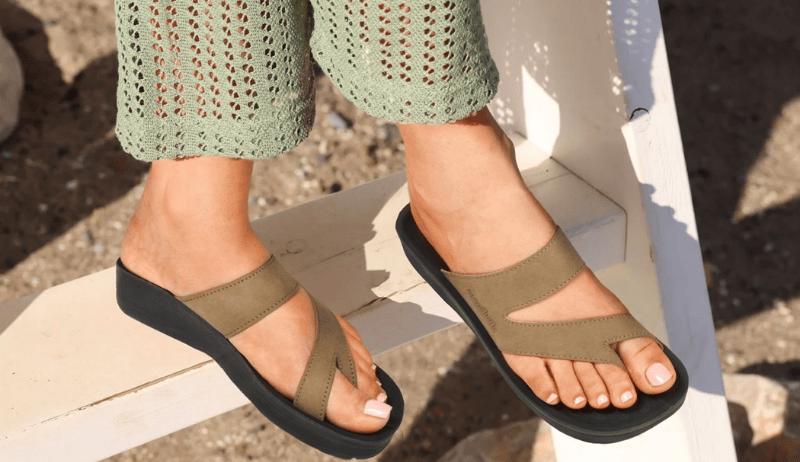
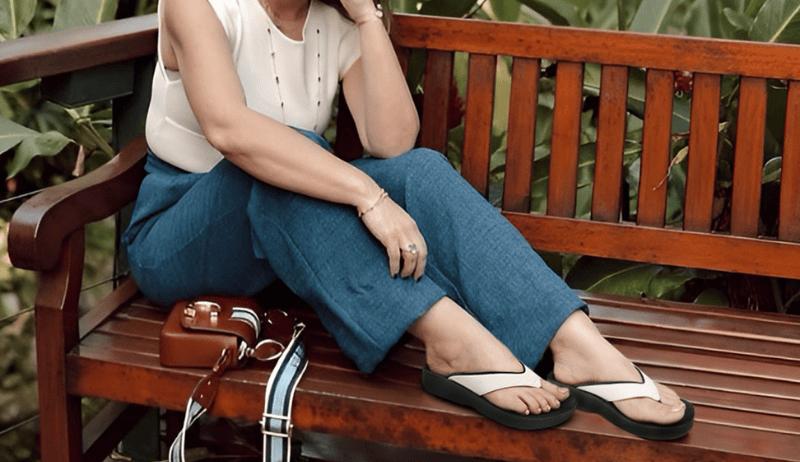
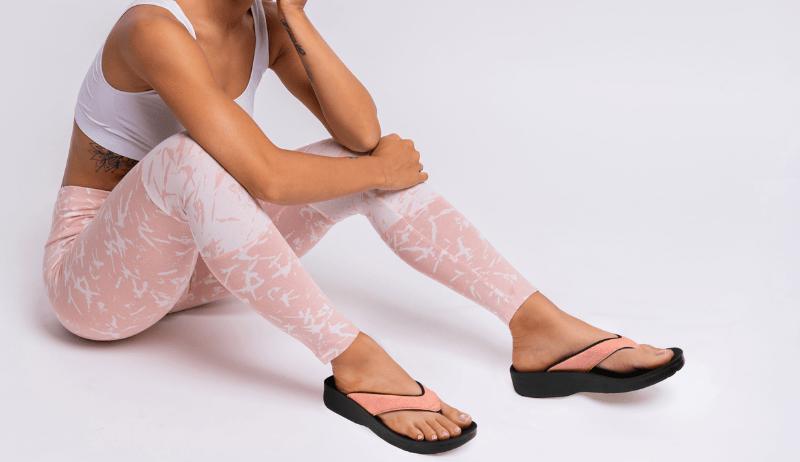
Worth The Read

Stunning Styles of Sandals to Elevate Your Summer Look!
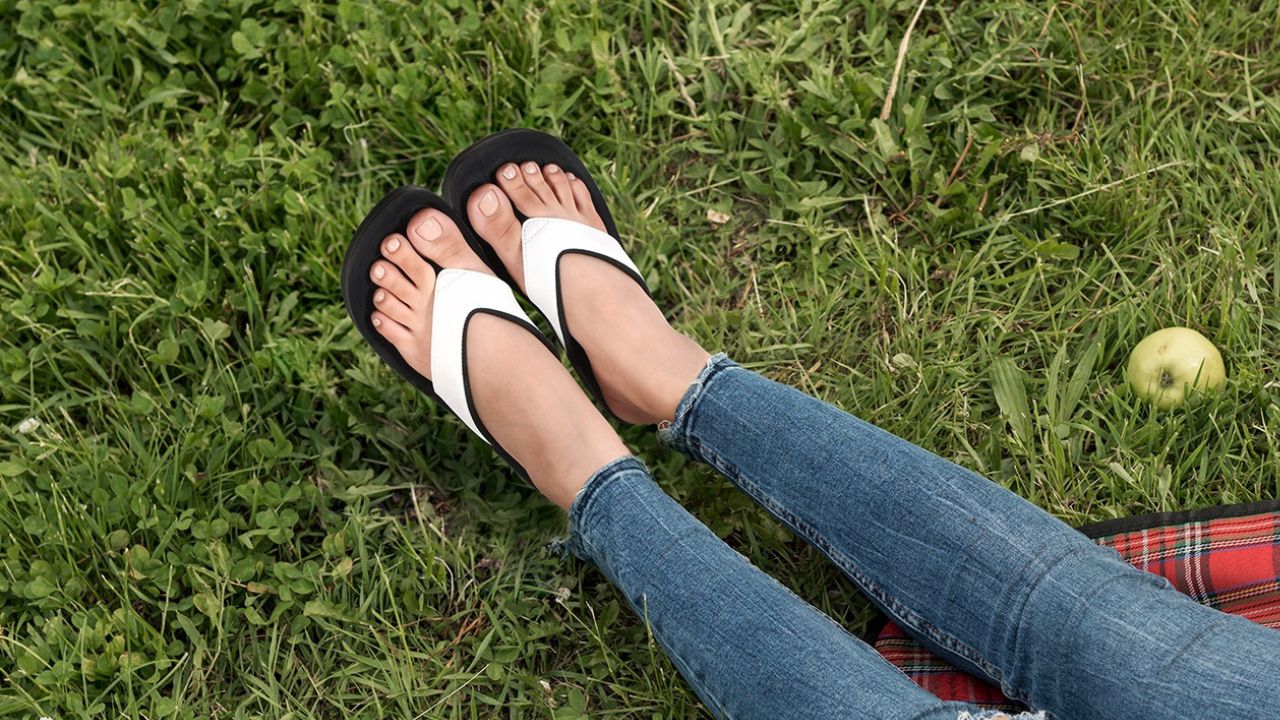
Summer demands footwear that combines style with comfort, and the right sandals can boost your entire seasonal wardrobe. You need versatile options that take you from beach days to evening gatherings without missing a beat. This season brings an exciting array of designs that fit every style preference and occasion. Your summer look needs sandals that stand out while keeping your feet happy through hot days. The latest trends offer everything from minimalist chic to bold, eye-catching pieces. See how these stunning sandal styles will improve your summer aesthetic and turn heads wherever you go. Platform Sandals Platform sandals give you extra inches without the discomfort of stilettos, thanks to their chunky, supportive soles that distribute your weight evenly. You will feel the difference immediately as these summer fashion standouts let you tower confidently while walking with ease. The fashion world has embraced platforms because they add bold visual impact to simple outfits and suit various summer styles. These versatile sandals work equally well with casual and dressy looks, thus making them essential for your warm-weather wardrobe. Styling Tips: Select leather platforms in neutral tones for office-to-evening versatility. Combine cork-soled platforms with shorts and a crisp button-down for a polished daytime look. Add strappy platform sandals to a maxi dress for beach weddings or sunset dinners. Minimalist Leather Slides Minimalist leather slides offer you clean lines, sleek silhouettes, and neutral tones that stand the test of time. You can count on these understated summer fashion sandals to complement almost any outfit in your wardrobe without competing for attention. These slides have become essential because they transition seamlessly from casual beach days to semi-formal evening events with just an outfit change. Their simple yet refined design works perfectly across various settings, while quality leather ensures durability throughout the season and beyond. Styling Tips: Match tan leather slides with white linen pants and a tucked-in blouse for a chic summer brunch look. Pair black minimalist slides with a knee-length summer dress for a polished office-appropriate outfit during hot days. Add neutral leather slides to cropped jeans and a structured top for weekend shopping trips or casual meetups. Sporty Sandals Sporty sandals combine practical features like Velcro back-straps1, cushioned footbeds, and water-resistant materials to support your active summer lifestyle. You benefit from their sturdy construction that keeps pace with your adventures while still looking stylish and on-trend. These versatile sandals have surged in popularity because they bridge the gap between purely functional footwear and fashion-forward accessories. Their adaptable nature makes them perfect for beach trips, city explorations, or casual gatherings, thus offering you all-day comfort without sacrificing your personal style. Styling Tips: Pair with biker shorts and an oversized tee for a modern streetwear look. Combine with a casual summer dress to create an unexpected yet fashionable contrast. Match with cropped linen pants and a fitted top for a balanced weekend outfit. Gladiator Sandals Gladiator sandals feature intricate strapping patterns that extend from ankle to knee-high designs, adding dramatic flair to your summer wardrobe. You immediately notice the distinctive bohemian charm that sets them apart from other styles of sandals. These statement pieces continue to captivate fashion enthusiasts by balancing historical inspiration with contemporary appeal, thus working for casual outings and special events. The elaborate straps create a visual interest that elevates simple outfits, making these summer fashion sandals a favourite for those who want their footwear to command attention. Styling Tips: Pair ankle-high gladiators with denim shorts and a loose blouse for an effortless festival look. Add mid-calf gladiators to a solid-colour mini dress for dimension and edgy contrast. Match knee-high versions with a flowing maxi dress for dramatic bohemian elegance. Espadrille Sandals Espadrille sandals feature signature rope-braided jute soles that instantly capture the essence of summer leisure. You can spot these distinctive sandals by their natural fibre bottoms, often paired with canvas, leather, or fabric uppers in various designs. These iconic summer fashion sandals dominate warm-weather trends because they bring a touch of Mediterranean charm to any dress while providing comfort and versatility. Their unique construction offers you a lightweight yet stable foundation, making them ideal sandals to wear with dresses during beach vacations or for everyday seasonal style. Styling Tips: Pair wedge espadrilles with a flowy sundress for an instantly polished vacation dinner look. Match flat espadrille sandals with cuffed jeans and a crisp button-up for casual sophistication. Combine ankle-strap espadrilles with a midi skirt for a perfect summer office outfit. Flip-Flop Sandals Flip-flop sandals feature simple thong-style designs that slip on effortlessly for instant comfort during hot weather. You recognize these summer classics by their Y-shaped straps and flat soles that make them perfect for beachside strolls or quick errands. These versatile styles of sandals have evolved far beyond basic rubber versions to include leather, beaded, and metallic options that suit various occasions. Their continued popularity stems from their unmatched convenience and breathability. At the same time, newer high-end versions with arch support and premium materials make them appropriate sandals to wear with casual summer dresses or relaxed weekend outfits. Styling Tips: Pair with a breezy maxi dress for an elevated beach-to-dinner look. Match with shorts and a tank top for stylish poolside comfort. Combine with cropped pants and a loose blouse for casual summer gatherings. Square-Toe Sandals Square-toe sandals showcase clean, geometric lines that bring architectural precision to your summer footwear collection. You immediately notice their distinctive structured silhouette that breaks away from traditional rounded shapes. These contemporary styles of sandals have captured fashion enthusiasts' attention because they offer a fresh, modern aesthetic that works exceptionally well with minimalist wardrobes. Their sleek design makes them some of the best sandals for summer dresses when you want to add an unexpected edge to feminine outfits, while their versatility allows them to transition seamlessly from office settings to evening occasions. Styling Tips: Pair with pants and a silk blouse for a polished office-appropriate summer look. Match with a fitted midi dress to create an interesting contrast between curves and angles. Combine with high-waisted shorts and a structured top for a fashion-forward weekend outfit. Slingback Sandals Slingback sandals feature a distinctive strap that wraps around your heel, providing a secure fit with a sophisticated style. You benefit from their functional design, which prevents slipping while still maintaining an open, airy feel that is perfect for warm weather. These adaptable summer fashion sandals have gained popularity because they bridge the gap between casual and formal footwear, thus working for office environments and social gatherings. Their refined silhouette makes them excellent sandals to wear with a dress when you need a polished yet comfortable option, while their variety of heel heights allows you to customize your look based on the occasion. Styling Tips: Pair heeled slingbacks with a pencil skirt for a sophisticated office-appropriate summer ensemble. Match flat slingbacks with cropped jeans for an effortless weekend style. Combine kitten-heel slingbacks with a midi dress for versatile day-to-night wear. Sustainable Sandals Sustainable sandals incorporate recycled plastics, organic cotton, natural rubber, and other eco-conscious materials that minimize environmental impact. You can identify these responsible options by their transparent production methods and commitment to ethical manufacturing practices. These forward-thinking sandals have surged in popularity because consumers now demand fashion that aligns with their environmental values without sacrificing style or comfort. Their innovative designs prove that summer fashion sandals can be both beautiful and kind to the planet. At the same time, their durability often exceeds traditional footwear, thus offering better long-term value alongside a reduced ecological footprint. Styling Tips: Pair with linen separates for a cohesive, eco-friendly summer outfit. Match with a cotton sundress for a sustainable beach-to-city look. Combine with vintage denim for an environmentally conscious weekend style. Conclusion Your summer wardrobe deserves footwear that combines style, comfort, and versatility. The perfect pair of sandals will easily take you from casual beach days to elegant evening events. Choose from the many styles of sandals highlighted above to find options that match your personal aesthetic and lifestyle needs. Remember that the best sandals for summer dresses often depend on the occasion and your comfort requirements. Invest in a few key pairs—perhaps a reliable slide, a statement platform, and a versatile slingback—to create a well-rounded collection that serves all your warm-weather adventures. Your summer look starts from the ground up! Frequently Asked Questions Which sandals are trending now? As of March 2025, thong sandals are trending, offering a minimalist and elegant aesthetic suitable for various occasions. What are the most comfortable sandals for walking all day? For all-day walking comfort, sandals with arch support, cushioned footbeds, and adjustable straps are ideal. Brands like Aerothotic offer designs combining these features, ensuring comfort and durability for extended wear. What shoes do podiatrists not recommend? Podiatrists typically don't recommend flip-flops for extended wear due to their lack of arch support and heel stabilization. They also caution against wearing extremely high heels or completely flat shoes without cushioning, as these can lead to various foot issues, including plantar fasciitis and stress fractures.
Learn more
Comfort & Support: Best Women's Sandals for Knee Pain & Bad Knees
Knee pain restricts your daily activities and makes finding proper footwear frustrating. You constantly balance between comfort and style, often sacrificing one for the other. The pressure and strain on your knees intensify with every step in unsupportive sandals. Your knees need proper arch support, shock absorption, and stability—elements most fashionable sandals lack. This comprehensive guide addresses these exact challenges with solutions specifically designed for women with knee problems. The right sandals transform your walking experience by reducing joint pressure and properly distributing weight. Each recommendation targets your specific knee pain issues while maintaining feminine appeal. Your footwear choices can coexist with relief and style. What Is the Connection Between Footwear and Knee Health Your feet and knees function as an interconnected system. Proper support at the foot level directly influences knee alignment and comfort. The relationship between these joints creates a chain reaction that affects your entire walking experience. How Your Feet Affect Your Knees Impact Transfer: Each step sends forces from your feet upward. Without proper sandals for knee pain, these forces concentrate on your joints, causing inflammation and discomfort. Alignment Disruption: Your knee position depends on foot placement. Unsupportive footwear allows excessive pronation (inward rolling), which misaligns your knees and increases pressure on vulnerable areas. Weight Distribution: The best sandals for bad knees distribute your body weight evenly. Improper distribution forces certain parts of your knees to bear excessive loads. The connection between your footwear choices and knee health cannot be overstated. Appropriate sandals for knee pain are the foundation for proper biomechanical function, potentially reducing pain and preventing further joint deterioration. Evaluate Your Personal Footwear Needs Assess Your Foot Type and Gait Your feet tell a story that directly impacts your knees. To find the best sandals for knee pain, you must first understand your unique foot structure: Check Your Arch Type: Wet Test: Step on a paper bag with wet feet. A complete footprint indicates flat feet, while a missing middle section indicates high arches. Shoe Wear Pattern: Look at your old shoes. Inside wear suggests flat feet, while outside wear points to high arches. Watch Your Walk: Ask someone to observe how you walk. Do your feet roll inward (overpronation) or outward (supination)? Your walking pattern determines which sandals for bad knees will work best for you. Match Support to Your Needs: Flat feet require women's sandals with strong arch support and stability features for knee pain. High arches need sandals with extra cushioning to absorb shock. Neutral feet benefit from balanced support sandals for women with moderate arch support. Identify Specific Knee Pain Triggers Your daily activities and current footwear might contribute to your knee discomfort: Activity Analysis: Note when your knee pain intensifies. Does it worsen after standing, walking, or climbing stairs? Activities that increase pain indicate where you need targeted support in your sandals. Warning Signs Your Current Sandals Hurt Your Knees: Pain starts within 30 minutes of wearing them You feel unstable or wobbly while walking Your knees ache more in the evening after wearing certain shoes You notice increased swelling around your knee joint Top 5 Recommended Sandals for Knee Pain Relief These carefully selected sandals combine superior support, cushioning, and stability features specifically designed to reduce knee stress and alleviate discomfort. Each option represents the best therapeutic footwear while maintaining style and versatility for women seeking relief from knee pain. 1. Pelagic Comfortable Slingback For Women These versatile Pelagic slingbacks feature convenient dual Velcro closures and a supportive arch design, perfect for various activities, from casual strolls to outdoor adventures. Your feet remain properly positioned in these stylish yet functional sandals, available in five attractive colors for everyday wear. Price: $45.00 How These Sandals Help Relieve Knee Pain: Optimal Height Balance: The 0.8" heel elevation creates ideal alignment for reducing pressure on knee joints during walking. Anti-Twist Technology: Wave-patterned outsole prevents unnecessary rotation forces that typically aggravate knee inflammation. Weight Distribution Design: The 3.5" width platform evenly spreads impact away from problem areas in the knee. Polyurethane Cushioning: The specialized outsole absorbs shock before it reaches your knees, protecting sensitive joint structures. 2. Seraph Comfortable Women's Slide Sandals These Seraph premium slide sandals help with bad knee pain and feature dual adjustable straps, fashionable metallic buckles, and a supportive cork sole. Your feet benefit from the deep heel cup and raised toe-bar design that promotes proper alignment, while the braided strap detail adds stylish appeal. Price: $60.00 How These Sandals Help Relieve Knee Pain: Specialized Arch Design: Created specifically for high arches, these sandals prevent the collapse that often triggers knee pain during walking. Stability Enhancement: The deep heel cup cradles your foot securely, preventing excessive movement that transfers stress to your knee joints. Anti-Slip Protection: Geometric patterned outsole increases traction, eliminating sudden slips that can jar and damage sensitive knee structures. Balance Optimization: The 0.7" platform combined with a 0.8" heel creates an ideal foot position that naturally aligns your knees for reduced strain during standing and walking. 3. Raido Women's Strappy Sandal These APMA-approved Raido women's sandals with the best support feature a multi-strap design and deep heel cup that keeps your feet properly positioned. The shock-absorbing outsole benefits your knees, while the memory foam cushioned toe post provides exceptional comfort during extended wear. Price: $50.00 How These Sandals Help Relieve Knee Pain: Professional Endorsement: The American Podiatric Medical Association's approval confirms these sandals for knee pain meet strict medical standards for proper foot support. Pressure Distribution: The 3.6" width platform spreads impact forces away from your knees, reducing concentrated stress on painful areas. Biomechanical Alignment: The deep heel cup stabilizes your foot position, directly improving knee tracking and preventing painful rotation. Impact Protection: The specialized PU outsole technology absorbs harmful shock waves before they travel upward to damage sensitive knee structures. 4. Serena Double Strappy Open-Toe Leather Sandals Serena open-toe women's sandals for knee pain feature 100% genuine leather straps, adjustable buckles, and a natural cork footbed that molds to your unique foot shape. The deep heel cup and patterned EVA outsole benefit your knees, providing exceptional stability and alignment with a sophisticated style. Price: $120.00 How These Sandals Help Relieve Knee Pain: Adaptive Support System: The natural cork footbed customizes to your foot contours over time, creating personalized support that properly aligns your knees and reduces joint strain. Stability Engineering: The deep heel cup cradles your foot securely, preventing excessive pronation that often causes knee pain during walking or standing. Custom Fit Technology: Dual adjustable straps with premium metal buckles allow precise adjustment for both wide and narrow feet, ensuring proper biomechanical alignment throughout your leg. Shock Protection: The specialized EVA outsole absorbs harmful impact forces before they travel up your leg to damage sensitive knee structures, making these among the best sandals for bad knees. 5. Florence Genuine Leather Platform Slide Sandals Florence genuine leather sandals feature premium leather straps and a contoured cork footbed that adapts to your unique foot shape. Your knees receive excellent support from the deep heel cup design and patterned EVA outsole that promote proper alignment, while the minimalist style complements multiple outfits. Price: $120.00 How These Sandals Help Relieve Knee Pain: Personalized Supportive Surface: The natural cork footbed molds to your specific foot contours over time, creating a custom foundation that properly aligns your feet and reduces harmful knee torque. Alignment Architecture: The deep heel cup securely positions your foot, preventing the excessive pronation that often transfers stress directly to your knee joints. Weight Distribution System: The platform wedge design strategically disperses impact forces across your entire foot, redirecting pressure away from problematic knee areas. Stability Enhancement: The patterned EVA outsole provides superior traction that eliminates unexpected slips or twists that can trigger knee pain flare-ups, making these the best support sandals for women who need reliable footing. Expert Tips for Selecting the Right Sandal Your perfect pair of sandals for knee pain requires careful consideration beyond just style. Follow these expert recommendations to find footwear that truly supports your knees: Prioritize arch support that matches your foot type. The best sandals for bad knees include contoured footbeds that maintain proper alignment from feet to knees. Check the heel height carefully. Aim for 0.5-1.5 inches—completely flat or too high heels both increase knee strain. Test the stability by gently twisting the sandal. Quality women's sandals for knee pain resist excessive twisting to prevent knee torque. Examine the cushioning in high-impact areas. Proper shock absorption directly reduces knee stress with each step. Choose adjustable straps to modify the fit throughout the day. Your feet naturally swell, and sandals with the best support should accommodate these changes. Look for deep-heel cups that cradle your foot securely. This feature in the best support sandals for women prevents excessive movement that can misalign your knees. Consider weight as an important factor. Lighter sandals reduce the burden on painful knees during extended wear. Select wider bases that distribute pressure evenly. Narrow sandals force your feet into positions that can intensify knee pain. The Bottom Line Your knee pain doesn't need to dictate your footwear choices or limit your mobility. The right sandals with support can transform your daily experience by properly aligning your feet and reducing harmful pressure on your knees. Remember to prioritize function alongside fashion—look for deep heel cups, proper arch support, and shock-absorbing materials. Each sandal recommendation in this guide addresses specific knee pain concerns while maintaining style. Take time to assess your unique foot structure and pain triggers before deciding. The best sandals for knee pain will feel like they were made specifically for you, allowing you to walk confidently and comfortably again.
Learn more
Are Cork Sandals Good For Your Feet?
Are you wondering if those stylish cork sandals will treat your feet right or leave you with regrets? You deserve footwear that supports your every step without sacrificing comfort. Cork sandals have surged in popularity, but the real question remains: do they actually benefit your foot health? The answer might surprise you. Many podiatrists now recommend cork footbeds for plantar fasciitis, flat feet, and bunions. This blog explores what makes cork sandals unique, how they impact your arch support, and whether you should add them to your summer wardrobe. What is Cork? Why are cork sandals considered best for foot health? There are multiple reasons why cork sandals should be essential in your summer collection. Cork comes from the bark of cork oak trees, which are primarily harvested in Mediterranean regions like Portugal and Spain. This natural material contains millions of tiny air cells that give cork its unique properties. Cork is lightweight, elastic, and waterproof. Its ability to absorb shock, mold to your foot shape, and provide insulation against heat and cold benefits your feet. Cork also naturally resists bacteria and odors, keeping your sandals fresh even after extensive wear during hot summer days. Health Benefits of Cork Sandals Personalized Support and Comfort Cork footbeds transform to match your unique foot contours as you wear them. Your weight and body heat activate this natural molding process, creating a custom footprint that supports every arch and curve. This personalized fit maintains proper alignment from your heels to your toes, which reduces strain on your feet, ankles, and knees during long walks. Shock Absorption and Joint Relief Your joints face less stress with each step in cork sandals. The material compresses and rebounds naturally to absorb impact that would otherwise travel up your legs. This relief proves especially beneficial if you suffer from plantar fasciitis, arthritis, or heel pain, as it cushions pressure points and distributes weight evenly. Moisture Management and Hygiene Cork pulls moisture away from your skin to keep your feet dry in hot weather. The material contains suberin, a natural compound that repels water and resists bacterial growth. These antimicrobial properties help your sandals stay fresh longer, helping prevent common foot odors and reducing your risk of fungal infections. Many podiatrists recommend cork sandals to promote foot health. "Dr.Saylee Tulpule" from "the sole doctor" also suggests that Cork sandals are good for your feet because cork provides excellent shock absorption. She recommends cork sandals for patients with plantar fasciitis, tendonitis, or mild flat feet. Essential Considerations for Cork Sandals Limitations for High-Intensity Activities Your cork sandals excel for casual walking but fall short during high-impact activities. The footbed compresses under intense pressure, reducing running or sports stability. You risk ankle rolls and foot strain if you wear them beyond their intended use. Reserve your cork sandals for beach days, light hiking, and everyday errands rather than fitness routines. Break-In Period New cork footbeds initially feel stiff and uncomfortable. Your feet need time to imprint and soften the material. Wear your new sandals for short periods, then gradually increase the duration. Apply cork-specific conditioners to speed up this process. Most users report that complete comfort arrives after 1-2 weeks of consistent wear. Maintenance and Care Water damages cork over time, so dry your sandals thoroughly if they get wet. Clean the footbed of your sandal with a damp cloth and mild soap, then allow air to dry away from direct heat. Your cork sandals last longer if you apply a cork sealer every few months. Avoid harsh chemicals that break down natural oils and compromise the material's integrity. What to Look for When Buying Cork Sandals? When shopping for cork sandals, check that they include a deep heel cup to stabilize your foot and prevent excessive movement. Look for footbeds with proper arch support that matches your foot type. Additionally, you need adjustable straps for a secure fit that prevents slippage and blisters. Examine the outsole quality—rubber soles offer better traction and durability than plastic. The cork layer should appear dense and uniform without gaps or cracks. Finally, consider brands that seal their cork with natural latex. This will extend the lifespan of your sandals while maintaining breathability. A podiatrist, Dr. Casey Ann Pidich, says the arch support should be visually noticeable and supportive when you place your foot on a sandal. She recommends Aerothotic sandals as they are comfortable and durable and help alleviate plantar fasciitis. The Bottom Line When chosen and used correctly, cork sandals offer remarkable benefits for foot health. You gain personalized support, natural shock absorption, and antimicrobial properties that traditional footwear often lacks. While these sandals require proper break-in time and regular maintenance, the comfort rewards justify this minimal effort. Your feet deserve this natural alternative to synthetic materials, especially if you deal with common foot conditions. Remember to select models with appropriate heel cups, arch support, and quality materials. Trust the recommendations of podiatrists who increasingly recognize cork as an excellent footwear material. Make cork sandals part of your regular rotation for happier, healthier feet. Frequently Asked Questions Are cork sandals good for walking? Cork sandals are suitable for walking, as their footbeds mold to your feet, providing personalized support and comfort. However, due to potential limitations in support and durability, they may not be ideal for high-intensity activities or long-distance walks. What sandals do podiatrists recommend for walking? Podiatrists recommend walking sandals with excellent arch support, cushioning, and adjustable straps for a perfect fit. Top choices include Aerothoctic Cork Sandals, known for their comfort and support. Do cork footbeds mold to your feet? Yes, cork footbeds mold to your feet over time, providing personalized support and comfort. This natural material conforms to your foot's unique shape, enhancing fit and support. How do you keep a cork footbed clean? To clean a cork footbed, create a paste using a tablespoon of baking soda and two tablespoons of water, then gently scrub the footbed with a soft brush. Afterward, wipe away any residue with a slightly damp cloth and allow the sandals to air dry away from direct sunlight. Is it better for sandals to be tight or loose? Sandals should fit securely, with your foot comfortably within the sole's boundaries and straps that hold your foot in place without causing discomfort. A proper fit ensures stability and prevents issues like slipping or irritation.
Learn more
Why a Cork Footbed Will Help Your Plantar Fasciitis Pain
If you suffer from plantar fasciitis, each step can feel like torture. Cork footbeds offer a solution that addresses the root causes of your pain. These sandals mold to your foot's unique shape, creating custom support exactly where you need it. Cork delivers flexible cushioning that absorbs shock and reduces pressure on your inflamed fascia. Unlike synthetic materials, cork maintains its supportive properties throughout the day. Your feet deserve lasting relief, and cork footbeds deliver consistent comfort that helps you heal with every step. What Is Plantar Fasciitis? Plantar fasciitis is when the thick band of tissue that connects your heel to your toes becomes inflamed. Your plantar fascia absorbs shock and supports your arch, but excessive strain causes tiny tears and inflammation. You might experience sharp heel pain with your first morning steps or after long periods of standing. This condition affects people of all ages but hits athletes, overweight individuals, and those who wear improper footwear most frequently. Standard treatments for your plantar fasciitis include rest, specific stretching exercises, and traditional orthotics. Your doctor may recommend ice application, night splints, or anti-inflammatory medications to reduce pain. These approaches often provide temporary relief but fail to address the underlying biomechanical issues. Many patients find these treatments inconvenient, time-consuming, or insufficient for long-term pain management. What Is the Role of Footwear in Managing Plantar Fasciitis? Proper arch support in your footwear prevents your plantar fascia from overstretching. When injured, your arch naturally acts as a shock absorber but needs external support. Quality footwear maintains your foot's optimal position and distributes pressure evenly across your sole. Your shoes must absorb impact with each step. Dr. Saylee Tulpule confirms that a cork footbed naturally provides exceptional shock absorption and critical arch support, reducing tension on your inflamed ligament. Cork creates a firm yet cushioned surface that helps control excessive pronation, a common movement that worsens plantar fasciitis symptoms. This natural material conforms to your unique foot shape while maintaining supportive properties throughout the day. What Are the Benefits of Cork Footbeds? Natural Conformity and Support Cork naturally adapts to your foot's unique contours as you walk. Your body heat and pressure gradually mold the cork into a custom footbed that supports your arch precisely where you need it most. This personalized support redistributes pressure away from your inflamed plantar fascia. You will notice reduced pain within days as the cork creates the perfect cradle for your heel and arch. Shock Absorption Properties Cork consists of millions of tiny air cells that absorb impact when your foot strikes the ground. This natural structure prevents shock from traveling up your leg and stressing your plantar fascia. Your feet experience less strain with each step, which allows the inflamed tissue to heal faster. Durability and Longevity Your cork footbeds will maintain their supportive structure far longer than synthetic alternatives. Cork resists compression and retains its shape even after years of daily use. This resilience ensures you receive consistent support in the healing process without the need for frequent replacements. Hypoallergenic and Antimicrobial Qualities Cork naturally repels bacteria, fungi, and odor without chemical treatments. Your feet stay fresher and healthier even during extended wear. This antimicrobial property proves especially beneficial if you must wear enclosed shoes for long periods. Cork also prevents allergic reactions that can complicate your recovery from plantar fasciitis. What Does Podistrist Say About Cork Footbed? Leading podiatrists strongly endorse cork footbeds for plantar fasciitis relief. Dr. Casey Ann Pidich, a New York City podiatrist and owner of Dr. Glass Slipper, recommends footwear with proper arch support to maintain your foot's natural alignment. "A quality cork footbed provides the perfect combination of firmness and adaptability your feet need," notes Dr. Pidich. Cork offers visible, resilient arch support that resists pressure without feeling too rigid. Your arch receives crucial support that reduces overpronation and alleviates heel pain. Cork footbeds benefit anyone with flat feet, fallen arches, or plantar fasciitis. When shopping, look for contoured footbeds with adequate cushioning at the heels and balls of your foot. These features absorb shock and provide stability as you walk. How to Select the Right Cork Footbed? Your arch type determines which cork footbed will serve you best. High arches need more cushioning, while flat feet require firmer support. Consider your foot width and daily activities; professional settings demand dress shoe compatibility, while active lifestyles require durable footbeds. Several respected brands offer excellent cork options for plantar fasciitis relief. The best products feature anatomically contoured designs with proper heel cups and metatarsal support. Look for footbeds that maintain their shape over time without compressing. Cork sandals from brands like Aerothotic provide exceptional arch support while remaining comfortable for extended wear. The ideal cork footbed should feel firm yet slightly yielding under pressure, with visible contouring that matches your foot's natural shape. The Bottom Line Cork footbeds offer a natural, effective solution for your plantar fasciitis pain. These remarkable materials conform to your unique foot shape while providing essential support and shock absorption. Your recovery depends on proper footwear choices that address the root causes of your condition. A quality cork footbed reduces strain on your plantar fascia with every step you take. Your feet deserve this therapeutic combination of comfort and support. Make the switch to cork footbeds today, and you will experience the difference in your pain levels within weeks. Frequently Asked Questions Are cork insoles good for plantar fasciitis? Yes, cork insoles can be beneficial for plantar fasciitis. They mold to your foot's shape, providing personalized arch support and cushioning. This custom-fit helps alleviate pressure on the plantar fascia, potentially reducing pain and discomfort. What are the benefits of a cork footbed? Cork footbeds offer personalized support by molding to your foot's shape, enhancing comfort, and promoting proper alignment. Additionally, their natural shock-absorbing properties reduce joint stress, contributing to overall foot health. What is cork and its advantages? Cork is the bark of the cork oak tree (Quercus suber), known for its buoyant and elastic properties. Its advantages include natural thermal and acoustic insulation, lightweight durability, and sustainability, making it suitable for various applications. Does cork absorb sweat? Yes, cork insoles can absorb sweat due to their natural breathability and moisture-resistant properties, helping to keep feet dry and comfortable. Additionally, cork's antimicrobial characteristics aid in preventing odors and maintaining foot hygiene.
Learn more
3 Reasons to Choose a Cork Footbed
Looking for the perfect footbed that combines comfort and support? Cork footbeds might be exactly what your tired feet need. As Dr. Saylee Tulpule explains, these natural sandals offer three significant benefits you simply can't ignore: exceptional arch support that keeps your feet properly aligned, superior shock absorption that protects your joints with every step, and the remarkable ability to custom mold to your unique foot shape over time. Whether you're standing all day or dealing with foot discomfort, cork footbeds provide a personalized foundation that makes a noticeable difference in how your shoes feel and perform. This blog will discuss three reasons why cork footbeds should be your wardrobe essentials. Shock Absorption Every step sends impact forces through your feet and up your skeletal system. Your daily activities—whether walking on hard surfaces, standing for hours, or engaging in fitness routines—create repetitive stress that can accumulate over time. Without proper shock absorption, these forces travel directly to your ankles, hips, knees, and lower back, potentially causing discomfort, fatigue, and even long-term joint issues. Your body needs protection from this constant barrage of impacts to maintain comfort and mobility. Cork's Natural Shock-Absorbing Properties Cork's remarkable cellular structure is nature's perfect shock absorber for your feet. When you apply pressure, cork's honeycomb-like cells compress and then gently decompress, dispersing impact forces before they reach your joints. This natural elasticity means your footwear actively reduces strain during each step. By choosing cork footbeds, you're investing in enhanced comfort during prolonged standing or walking while protecting your joints from unnecessary stress that could lead to pain and inflammation. Custom Molding to the Foot's Shape Your feet are uniquely yours, with distinctive contours, pressure points, and structural needs. Cork footbeds excel in recognizing and adapting to these individual characteristics. As you wear cork footbeds, body heat, and pressure gradually transform the material, creating impressions that perfectly match your foot's shape. This personalized adaptation means you'll experience even weight distribution across your entire foot, eliminating uncomfortable pressure points that cause pain and fatigue. Your custom-molded cork footbed works like a tailored solution that understands exactly where your foot needs support and where it requires flexibility. Process of Molding The break-in period for your cork footbeds typically spans 1-2 weeks of regular wear. During this time, your body weight, movement patterns, and heat gradually compress the cork material in precise areas unique to your foot structure. To optimize this molding process, wear your cork footbeds for gradually increasing periods each day, starting with 2-3 hours and extending the duration as comfort improves. Using them during various activities helps create a more accurate impression. Try wearing them with slightly thicker socks to increase warmth and pressure during the crucial first days for faster adaptation. Arch Support Your feet' arches are crucial to your overall mobility and comfort. Proper support for these natural structures helps maintain optimal foot alignment and prevent painful conditions. As Dr. Casey Ann Pidich, a respected New York City podiatrist, points out, "Arch support in shoes helps maintain the foot's natural alignment, providing crucial support to the arches. I recommend Aerothotic sandals – I often wear them around New York City! Not only are they durable and comfortable, but they also help alleviate my plantar fasciitis." Without adequate support, you risk developing plantar fasciitis, flat feet, or fallen arches, which can significantly impact your daily activities. Proper arch support distributes your weight evenly across your feet, reducing strain on your plantar fascia and preventing the discomfort that can limit your mobility. How Cork Provides Arch Support Cork footbeds deliver exceptional arch support through their unique natural properties. When you wear cork-based footwear, you benefit from a material that perfectly balances firmness and flexibility. The cork's cellular structure provides consistent support to your foot's arch while allowing for some natural movement. Unlike synthetic materials that quickly break down or rubber that might feel too rigid, cork maintains its supportive qualities over time while adapting to your specific needs. The material's natural resilience means your arches receive firm, consistent support, helping alleviate muscle or tendon strain while providing the stability your feet need for proper alignment during each step. The Bottom Line Cork footbeds offer many benefits that differentiate them from conventional footwear options. By investing in cork-based shoes or sandals, you choose superior arch support that maintains your foot's natural alignment, exceptional shock absorption that protects your entire skeletal system, and a custom-molded fit that adapts perfectly to your unique foot shape. Your feet deserve personalized comfort and protection, especially considering how much you rely on them daily. Switch to cork footbeds and experience the difference naturally; responsive support can improve your overall foot health and comfort. Frequently Asked Question Why is cork good for shoes? Due to its natural properties, cork is an excellent material for shoes. It offers superior comfort by molding to the foot's shape, provides effective shock absorption, and is lightweight, durable, and moisture-resistant, making it ideal for various footwear applications. What are the benefits of cork footbeds? Cork footbeds offer several benefits, including superior comfort, support, and sustainability. They mold to your foot's shape, providing personalized arch support and shock absorption, alleviating foot pain and reducing joint stress. Additionally, cork is a natural, renewable resource with antimicrobial properties, promoting foot hygiene and environmental responsibility. Is cork stronger than leather? Cork and leather are both durable materials suitable for various applications. While cork is lightweight, water-resistant, and has a high friction coefficient, making it highly abrasion-resistant, leather is traditionally known for its strength and longevity. The choice between the two depends on specific needs and preferences. Are cork shoes good for sweaty feet? Yes, cork shoes are beneficial for individuals with sweaty feet. Cork's natural breathability and moisture-wicking properties help keep feet dry and comfortable, while its antimicrobial characteristics prevent odor and promote foot hygiene. Do cork shoes stretch? The cork itself doesn't stretch, the shoe's upper materials, like leather, may expand slightly with wear. Therefore, if the shoes feel tight initially, especially in length, it's advisable to choose a size that fits well from the start, as significant stretching in the cork material itself is unlikely.
Learn more
Memory Form vs. Cork Footbed: Which One is Better?
Your feet deserve the best support possible, especially when you spend hours standing or walking. Memory foam and cork footbeds offer distinct advantages for your daily comfort. Memory foam contours to your exact foot shape, providing personalized cushioning that feels cloud-like with each step. Cork footbeds, however, deliver natural support that molds to your feet over time while offering excellent temperature regulation. Your choice between these materials will impact not just your immediate comfort but the long-term health of your feet. The right footbed makes all the difference in how your shoes perform for your needs. Memory Footbeds Memory foam footbeds consist primarily of polyurethane materials that manufacturers enhance with additional chemicals. These additions create the soft, cushioning properties you feel with every step. The foam responds to your body heat, which allows it to mold perfectly to your unique foot shape. Benefits When you slip into shoes with memory foam footbeds, you will experience immediate comfort. The plush, cushioned feel cradles your feet from the first wear. Your feet receive personalized pressure relief as the material conforms exactly to your foot's contours, eliminating painful pressure points that often develop with standard insoles. Drawbacks Your feet need proper support that memory foam often fails to provide. The lack of sufficient heel stability can lead to foot fatigue if you stand for extended periods. You will notice the material breaks down quickly, which forces you to replace your footbeds more frequently than other materials. The polyurethane in memory foam poses environmental concerns, as the manufacturing process creates products that will not biodegrade naturally. Cork Footbeds Cork footbeds come from the bark of cork oak trees, making them a completely natural material. The harvesting process removes only the outer bark, which allows the trees to regenerate and produce more cork over time. Your footbed contains thousands of tiny air cells that create its unique properties. Benefits You receive firm support from cork footbeds that gradually adapt to your foot's unique shape. This creates customized arch support that aligns your feet properly. Your joints experience less stress thanks to the cork's excellent shock absorption qualities. The material has maintained its supportive structure for years so you won't need frequent replacements. Your feet stay fresher because cork naturally fights bacteria and wicks away moisture. You also make an environmentally responsible choice, as cork harvesting sustains trees and traditional farming communities. Drawbacks Your new cork footbeds need time to adapt to your feet. This break-in period varies but results in a perfect fit once completed. If you expect the immediate softness of foam materials, you might find the initial firmness uncomfortable. The footbeds feel rigid at first but will transform into your perfect foot companions with patience. Comparative Analysis of Cork Footbed and Memory Foam Footbed Support and Stability Cork footbeds provide consistent arch support, maintaining proper foot alignment throughout the day. You will notice significant benefits if you suffer from plantar fasciitis or flat feet, as Dr. Saylee Tulpule (@thesoledoctor) confirms that the structured nature of cork delivers superior support for these conditions. The firm foundation of cork helps your feet maintain healthier positioning. Memory foam initially feels comfortable but fails to offer the necessary support structure your feet need during prolonged standing or walking. It also lacks proper reinforcement for your arches, which can lead to discomfort after extended wear. Durability and Longevity Your cork footbeds will serve you for years as the material maintains its form despite regular use. Cork resists compression and springs back to its supportive shape even after you wear your footwear daily. Memory foam quickly surrenders to pressure and begins to compress within months of regular use. Therefore, memory foam footbeds must be replaced much more frequently, which increases long-term costs and inconvenience. Environmental Impact Cork harvesting respects nature, as workers remove only the bark while the tree thrives. Your choice of cork has supported sustainable forestry practices and traditional harvesting methods for centuries. Memory foam production involves petroleum-based chemicals that create a much larger carbon footprint. Your purchase of synthetic materials contributes to increased chemical manufacturing and eventual non-biodegradable waste. Comfort and User Experience When you first step into memory foam footwear, you feel the immediate softness, which provides pleasant short-term comfort. This initial sensation appeals to many shoppers seeking instant gratification. Cork delivers a balanced experience that combines adequate cushioning with essential support. Your feet benefit from cork's adaptive nature, which promotes better alignment and reduces fatigue during all-day wear. The superior structure of cork enhances your foot health over time, even though it lacks the plush feel of memory foam. Suitability for Different Users Memory foam footbeds work best if you prioritize immediate comfort during brief activities. Your feet will appreciate the soft cushioning when you need short-term relief without concerns about structural support. You benefit most from memory foam if your feet don't require unique accommodation for alignment issues. Cork footbeds are ideal if you need consistent support for conditions like plantar fasciitis or flat feet. They reinforce your arches to maintain proper alignment throughout extended wear periods. Cork delivers better value over time, maintaining its supportive properties far longer than alternatives. Cork becomes your optimal choice when you want footwear that combines health benefits with ecological responsibility. The Bottom Line Your choice between memory foam and cork footbeds ultimately depends on your needs. Memory foam offers immediate cushioning that is ideal for short-term comfort, while cork provides superior support and longevity for foot health. Consider cork footbeds if you need structural support for conditions like plantar fasciitis or value sustainability. Choose memory foam if instant softness matters most to you. The right footbed enhances your walking experience and protects your feet. Your comfort deserves this careful consideration. Frequently Asked Questions What are the disadvantages of memory foam insoles? Memory foam insoles offer cushioning by conforming to your foot's shape but may lack adequate support and heel stability, potentially leading to foot fatigue. They can also retain heat, causing feet to feel warmer, and tend to compress over time, reducing their effectiveness and requiring frequent replacements. Is cork a good insole? Yes, cork insoles are beneficial due to their natural shock absorption, moisture-wicking, and antimicrobial properties, which help keep feet dry and comfortable. Additionally, cork molds to the foot's shape over time, providing personalized support and reducing foot fatigue. Is more cushioning better for walking? While cushioning in walking shoes provides comfort and shock absorption, excessive cushioning may compromise stability and support. It's essential to find a balance that offers adequate cushioning without sacrificing proper foot alignment and control.
Learn more
Why Sandals with Cork Footbed are a Must-Have For Summer 2026
Here's what Dr.Saylee Tulpule says from the thesoledoctor about cork footbed sandals: "The cork footbed sandals are breathable, lightweight, and offer cushion/support, making cork sandals an excellent option for hot summer months!" Want to know why podiatrists and fashion experts recommend cork footbed sandals for Summer 2026? These sandals have become the top choice for comfort and style this season. They combine natural cork material with a smart design to create the perfect summer shoe. Our feet carry us through every summer adventure, so they need the proper support and comfort. This guide will share why cork footbed sandals stand out from regular summer shoes. You'll discover the science behind cork footbeds, hear from foot specialists about their benefits, and learn why they should be necessary for your 2026 summer collection. Superior Comfort and Support Custom Fit: Your perfect footwear match exists in cork footbeds. The material learns and adapts to your unique foot shape with every step you take. This natural molding creates a custom footbed that fits only your feet, offering the comfort that standard insoles can't deliver. Shock Absorption: Your daily steps put intense pressure on your feet, but the cork absorbs this impact instantly. The natural elasticity of cork creates a buffer between your feet and the ground, which means you'll feel less tired and experience reduced joint stress throughout your day. Arch Support: Cork footbeds lift and support your arches in the right spots. This targeted support helps align your feet properly and can reduce plantar fasciitis pain. Your arches receive firm yet flexible support that works with your natural foot movement, making every step more comfortable. Health Benefits Recognized by Experts APMA Approval Priya Parthasarathy, DPM, a board-certified podiatrist and spoken person for the American Podiatric Medical Association (APMA), says about cork footbed sandals: "The most comfortable sandals have straps that won't dig in, a supportive footbed with heel and arch support, and a slight one to two-inch heel to relieve pressure from your Achilles tendon and plantar fascia." So, your search for podiatrist-approved sandals ends with cork footbeds. The American Podiatric Medical Association (APMA) has awarded its Seal of Acceptance to brands like Aerothotic. This seal proves these sandals meet strict standards for foot health and comfort. When you choose APMA-approved cork footbed sandals, you invest in footwear that medical experts trust. Podiatrist Endorsements Dr. Casey Ann Pidich, a Podiatrist in New York City and the owner of Dr.Glass Slipper says about the health benefits of arch support sandals: "Arch Support sandals benefit anyone suffering from foot conditions such as flat feet, plantar fasciitis, or fallen arches. They can also help individuals with general foot discomfort or those who spend longer periods on their feet. Arch support alleviates muscle or tendon strain. In addition, it also provides added stability to the feet while walking. People with neutral or average arch may also find arch support sandals comfortable and supportive for everyday use. " Top foot doctors recommend cork footbed sandals because they work. These specialists see the difference in their patients' foot health every day. Your feet benefit from the same professional-grade support that podiatrists trust for various foot conditions. The structured design and natural materials make these sandals a top choice among medical professionals who understand foot health best. Sustainable and Eco-Friendly Choice Your choice of cork footbed sandals helps protect our planet. The cork in your sandals comes from cork oak trees through a unique process that keeps the trees alive and healthy. These trees continue producing cork for over 200 years, making your footwear sustainable. Each pair of sandals you buy supports this eco-friendly harvesting method. Your cork footbed sandals do more than just comfort your feet - they protect entire ecosystems. So, your purchase directly contributes to keeping these essential ecosystems thriving for future generations. Summer Styling with Cork Footbed Sandals Your summer style deserves shoes that work with every outfit, and cork sandals deliver exactly that. These sandals come in many styles - you'll find the perfect footbed for the beach, shopping, and dinners in different designs. Each pair gives you the same cork comfort while matching your personal style. Cork looks good with everything you own. Its natural color and texture perfectly match your summer dresses, shorts, jeans, and swimwear. When you buy cork sandals, you get shoes that won't go out of style next season. They'll stay fresh and fashionable year after year, making them a smart addition to your summer shoe collection. Durability and Long-Lasting Wear Your investment in cork footbed sandals pays off with their exceptional durability. Unlike regular sandals that lose shape quickly, cork maintains its structure and support through months of regular wear. The natural resilience of cork means your sandals will keep their comfort-giving properties even after long days of summer activities. Quality matters in every pair you buy. Top brands like Aerothotic put extra care into crafting these sandals. They select premium cork materials and use advanced construction techniques to ensure your sandals last longer. You'll notice how these sandals hold up compared to regular summer shoes. The sturdy straps, reliable buckles, and well-built footbeds work together to give you a summer shoe that stays comfortable and supportive all season long. Breathability and Moisture Management Your feet stay fresh and dry in cork footbed sandals, even on hot summer days. Cork contains thousands of tiny air pockets that create natural ventilation for your feet. This unique structure lets air flow freely, so you won't experience that sticky, sweaty feeling familiar with other summer shoes. Say goodbye to unpleasant foot odor. Cork doesn't feel dry; it fights moisture and bacteria that cause smelly feet. The natural properties of cork pull sweat away from your skin and stop bacteria from growing. Your sandals stay fresh through beach trips, long walks, and outdoor parties. While other summer shoes might leave your feet damp and smelly, cork footbeds keep them cool, dry, and odor-free all day. Considerations to Buy Cork Footbed Sandals Dr. Casey Ann Pidich's views about considerations on buying cork footbed sandals: "First, the sandals should have a contoured footbed with adequate support comparable to the natural shape of your foot's arch. The arch support should feel comfortable and offer stability without being too rigid. Secondly, look for cork sandals with cushioning, especially in the heel and "the ball of the foot," i.e., forefoot areas. The added cushioning in sandals will help your feet absorb shock while walking and provide added comfort. Lastly, look for brands recommended or endorsed by podiatrists or foot health professionals. These sandals are more likely to have been designed with thorough foot support in mind." Do you want to get cork footbed sandals that are APMA-approved and support your feet' health? Aerothotic makes it easier to find your feet comfortably. We specially design sandals that should cover all the features the podiatrist recommends for foot health and comfort, from proper cushioning to arch support. Here's what Dr. Casey says about Aerothotic: "I recommend Aerothotic sandals – I often wear them around New York City. Not only are they durable and comfortable, but they also alleviate my plantar fasciitis. Several of their models are APMA-approved." The Bottom Line Your summer comfort starts with the right footwear choice. Cork footbed sandals offer everything you need - expert-approved support, eco-friendly materials, and versatile style. Trust the recommendations of leading podiatrists and choose APMA-approved brands like Aerothotic for your summer adventures. These sandals will protect your feet, prevent pain, and keep you fresh through every summer activity. Make the smart investment in cork footbed sandals now, and experience the perfect comfort, health, and style throughout Summer 2026. Frequently Asked Questions Q.1: What is the advantage of cork sandals? Cork sandals offer personalized comfort by molding to your foot's shape, providing excellent support and reducing pressure points. Additionally, cork's natural shock-absorbing and moisture-wicking properties enhance foot health and comfort. Q.1: How do you maintain cork sandals? Ans: To maintain cork sandals, gently clean the footbeds with a soft brush and a mild cleaning solution, ensuring they dry away from direct sunlight. Regularly applying a cork sealant can also help protect the material from drying out and cracking. Q.2: What brand of sandals do podiatrists recommend? Ans: Podiatrists often recommend brands like Aerothotic for their supportive and comfortable sandals. Dr. Casey, a practicing podiatrist, shares her personal experience: "I recommend Aerothotic sandals—I often wear them around New York City. Not only are they durable and comfortable, but they also alleviate my plantar fasciitis. Several of their models are APMA-approved." Q.3: Does cork absorb sweat? Ans: Yes, cork footbeds naturally repel moisture, preventing sweat from being absorbed into the material. This moisture-resistant property helps keep feet dry and reduces the risk of bacterial growth. Q.4: How durable are cork shoes? Ans: Cork shoes are known for their durability. They often last several years with moderate use. Regular maintenance, such as applying cork sealant when the material appears dull, can extend their lifespan.
Learn more
How to Care for Your Clogs in Winter: Cleaning and Storage Tips
As winter's harsh weather threatens your clogs, proper care becomes essential for preserving their quality and extending their lifespan. From salt stains on leather to moisture damage in suede, winter poses unique challenges for clog maintenance. Proper cleaning techniques and storage methods can protect your footwear from snow, rain, and freezing temperatures. Whether you're dealing with classic leather clogs or cozy fur-lined varieties, this guide will walk you through proven strategies for winter clog care. Learn clog cleaning hacks, ensuring they remain comfortable and stylish throughout the cold season. Clog Materials and Their Winter Vulnerabilities Different clog materials require specific winter care approaches for optimal protection. Traditional leather clogs are susceptible to salt stains and moisture damage, requiring regular cleaning and waterproofing. Suede clogs demand extra attention as winter elements can permanently alter their texture and appearance. While synthetic materials are more resistant to moisture, they still need protection from salt damage and temperature changes. Wooden soles are particularly vulnerable to moisture absorption and can crack or warp if improperly maintained. Combat these challenges by identifying your clog's material composition and applying appropriate protective treatments before exposure to harsh weather conditions. Cleaning Winter Clogs Routine Cleaning Practices Establish a daily cleaning routine for your winter clogs by gently brushing off snow, salt, and debris immediately after use. A soft-bristled brush removes surface dirt without damaging the material, preventing long-term wear. Addressing Salt and Water Stains Tackle salt stains promptly using equal parts water and white vinegar. Dab the solution on affected areas with a clean cloth, then dry thoroughly. For stubborn watermarks, use specialized salt stain removers designed for specific materials. Material-Specific Cleaning Methods Leather Clogs: Clean your genuine leather clogs with a specialized leather cleaner, focusing on salt-affected areas. Apply a leather conditioner afterward to prevent drying and cracking in cold weather. Suede Clogs: Use a suede brush to restore nap and remove dirt. Use a suede eraser to brush in one direction to maintain texture for tough stains. Synthetic Material Clogs: These clogs can be cleaned with mild soap and warm water by applying a soft cloth. Avoid harsh chemicals that could deteriorate synthetic materials. Wooden Soles: Wipe wooden soles with a slightly damp cloth, then dry them immediately. Apply wood oil seasonally to prevent moisture absorption and cracking. Drying Winter Clogs Never place wet clogs near radiators, heaters, or fireplaces; direct heat can cause material shrinkage, cracking, and permanent damage. This is essential for leather and suede clogs, highly susceptible to heat damage during winter footwear care. After exposure to snow or rain, stuff clogs with newspaper to absorb extra moisture and maintain their shape. Place them in a well-ventilated area at room temperature, away from direct heat. For fur-lined leather clogs, use shoe trees to ensure proper air circulation. Allow 24 hours for complete drying, replacing damp newspaper as needed. This patient approach preserves your clogs' integrity and extends their lifespan through harsh weather. Protecting Clogs from Winter Damage Waterproofing Treatments: Apply a high-quality spray or cream before winter use, focusing on seams and vulnerable areas. Reapply monthly for optimal protection against snow and slush. Use material-specific protectants for suede and leather clog care in winter. Regular Maintenance: Condition leather clogs bi-weekly to prevent winter-induced drying and cracking. Treat the lining with a fabric protector for faux fur-lined leather clogs to maintain warmth and comfort in winter clogs. Using Protective Accessories: Invest in rubber overshoes or galoshes for extreme weather protection. These accessories shield clogs from direct snow contact and salt exposure, significantly reducing winter damage and extending footwear lifespan while preserving their appearance for the next season. Storing Your Clogs During Winter Keep winter clogs elevated on a shoe rack in a well-ventilated area away from heating vents and direct sunlight to prevent material degradation. Position them away from high-traffic areas to protect them from accidental water exposure and maintain optimal storage conditions in cold weather. Clean all surfaces, removing stubborn salt stains and accumulating dirt before long-term storage. Allow clogs to dry completely for 24 hours to prevent moisture-related damage. Select a climate-controlled space with consistent temperature to protect clogs from winter damage. Avoid basements or attics where temperature fluctuations can compromise material integrity. Store in breathable fabric bags or original boxes with ventilation holes to prevent material deterioration. Separate pairs to avoid color transfer and maintain shape. Insert cedar shoe trees to absorb residual moisture and maintain shape. For fur-lined varieties, stuff with acid-free paper to preserve lining structure. Conclusion Proper winter footwear care is crucial for extending your clogs' lifespan and maintaining their comfort and appearance. Following these seasonal clog care instructions, from prompt cleaning after exposure to careful storage practices, you can effectively protect your favorite clogs from winter damage. Regular maintenance, including waterproofing treatments and proper drying techniques, will ensure your clogs remain resilient through harsh weather conditions. With these clog storage tips for winters and cleaning methods, your footwear will stay in excellent condition throughout winter and be ready for many seasons. Frequently Asked Questions How do you take care of clogs? To maintain your clogs, regularly clean them according to their material: for leather, wipe them with a damp cloth and apply a suitable leather conditioner; for suede, use a suede brush to remove dirt and restore the nap. After cleaning, allow them to air dry and store them in a cool, dry place to preserve their condition. How do you store shoes in the winter? To store your shoes during winter, clean them thoroughly to remove dirt and moisture, preventing mold and damage. Once dry, place them in a cool, dry, and well-ventilated area, using shoe trees or stuffing them with acid-free tissue paper. Consider storing them in breathable containers to protect against dust while allowing airflow. How to protect clogs? Regularly apply a waterproofing spray suitable for their material to protect your clogs and guard against moisture and stains. Additionally, avoid wearing them in wet conditions to prevent damage, and if they do get wet, allow them to air dry naturally at normal temperature, away from direct heat sources. Are clogs machine washable? The machine washability of clogs depends on their material and construction. Some clogs are designed to be machine washable. However, many traditional clogs, especially those made of leather or wood, are not suitable for machine washing and should be cleaned according to the manufacturer's care instructions to avoid damage.
Learn more
Clogs vs. Boots: Which Footwear Keeps You Warmer?
Are you stuck choosing the best footwear for winter between clogs and boots? Both footwear options offer unique benefits for cold weather protection, but their warmth retention capabilities differ significantly. While winter boots with lining traditionally dominate cold-weather footwear choices, insulated clogs have emerged as surprising contenders for icy conditions. This detailed comparison explores how each style performs in various winter scenarios, considering heat retention, insulation effectiveness, and overall comfort. We'll examine their unique design features, from the arch support mechanisms to specialized warm linings, helping you decide on your winter footwear needs. Features of Clogs Clogs are traditional slip-on footwear characterized by their open-back design and raised heel platform. Modern clogs for snowy weather often feature insulated construction with warm lining and enhanced arch support. Unlike traditional wooden designs, contemporary insulated clogs incorporate materials engineered explicitly for heat retention in harsh climates. Many models for icy conditions include moisture-wicking interiors, non-slip soles, and reinforced toe boxes. Some variations come with convertible heel straps and additional insulation layers, making them viable winter footwear options for varying temperatures and conditions. Features of Boots Winter boots are robust footwear explicitly designed for cold-weather protection, featuring full ankle coverage and secure closures. These winter footwear options typically incorporate multiple layers, including waterproof outer shells and insulated linings for maximum heat retention. Boots for winter warmth often include features like reinforced soles, enhanced traction patterns, and specialized moisture barriers. Quality winter boots provide comprehensive foot protection through integrated arch support, thermal insulation, and weather-resistant materials, making them essential footwear for extreme cold conditions across various winter activities and environments. Warmth Factors in Footwear Material Composition The base material significantly impacts heat retention in winter footwear options. While leather provides natural insulation and durability, synthetic materials often offer enhanced thermal properties engineered explicitly for extreme cold conditions. Insulation and Lining Winter footwear with specialized linings plays a crucial role in maintaining warmth. Wool and shearling provide natural insulation, while synthetic materials offer consistent heat retention in varying temperatures. The effectiveness of warm lining depends on both material quality and thickness. Design and Coverage Footwear design significantly influences thermal protection. As seen in winter boots, higher coverage typically offers better warmth retention than traditional clogs. However, insulated clogs with extended coverage designs can provide comparable protection in cold climates. Sole Construction The sole's composition is vital for cold-weather protection. Thicker soles with multiple layers provide better insulation against cold surfaces. Materials like rubber and specialized composites offer superior heat retention while maintaining flexibility and durability in icy conditions. Comparing Warmth: Clogs vs. Boots Insulation Capabilities In a warm footwear comparison, boots typically offer superior insulation due to their multi-layered construction. While insulated clogs for extreme cold can provide adequate warmth, winter boots with lining generally maintain more consistent heat retention through their comprehensive insulation systems. Coverage and Protection Winter boots excel in coverage, offering entire ankle and lower leg protection essential for winter warmth. Clogs for cold weather, despite modern improvements, provide limited coverage. However, some clogs with warm lining include convertible ankle straps for additional protection. Breathability and Moisture Control Both footwear types handle moisture differently. Winter boots often incorporate sophisticated moisture-wicking systems, while clogs for cold climates typically offer better natural ventilation. This balance between breathability and warmth significantly impacts comfort in extreme cold conditions. Practicality in Various Winter Conditions Boots for winter warmth generally perform better in diverse winter conditions. While insulated clogs vs. boots comparison show clogs suitable for dry cold and light snow, boots prove more versatile in challenging conditions like deep snow and slush, offering superior stability and protection. Advantages and Disadvantages Pros and Cons of Wearing Clogs in Winter Pros: Clogs for cold weather offer exceptional convenience with their slip-on design. Insulated clogs with warm lining provide quick transitions between indoor and outdoor environments. Many leather clogs feature superior arch support and comfortably accommodate thick socks. Their lightweight construction reduces foot fatigue during extended wear. Cons: Clogs' open-back design can compromise heat retention. Despite improvements in insulated clogs for extreme cold, they offer limited ankle protection and may allow snow entry. Their performance in deep snow or icy conditions can be questionable compared to traditional winter footwear options. Pros and Cons of Wearing Boots in Winter Pros: Boots for winter warmth deliver comprehensive protection against harsh elements. Winter boots with lining excel in heat retention and moisture resistance. Their complete coverage design and robust construction make them ideal footwear for extreme cold conditions. Cons: Traditional winter boots can be cumbersome and time-consuming to put on. Their weight may cause fatigue during prolonged use, and storage can be challenging. Some models may restrict ankle mobility and prove too warm for milder winter days. Expert Recommendations Podiatrists emphasize proper arch support and adequate insulation in winter footwear options. When comparing insulated clogs vs boots, experts note that both can provide sufficient warmth when adequately designed. However, winter footwear with arch support becomes essential for individuals with specific foot conditions. Medical professionals often recommend boots for winter warmth in extremely cold conditions, particularly for patients with circulation issues. Check the podiatrist-approved genuine leather clogs here. Tips for Selecting the Right Footwear for Warmth Consider your specific winter activities and local climate for optimal heat retention in boots vs. clogs. Choose footwear for extreme cold based on the following: Daily activity level and duration of outdoor exposure Local weather patterns and typical winter conditions Personal comfort preferences and ease of use Clogs with warm lining often suffice for moderate winters and brief outdoor activities. However, insulated boots typically provide better protection for harsh winter climates or extended outdoor exposure. Consider having both options available for different winter scenarios. Conclusion When choosing between clogs and boots for winter warmth, both footwear options serve distinct purposes in cold weather protection. While winter boots with lining offer comprehensive insulation and coverage ideal for extreme cold conditions, insulated clogs provide convenience and adequate warmth for moderate winter activities. The decision ultimately depends on your needs. Consider your local climate, daily activities, and comfort preferences when choosing. Maintaining both footwear options in your wardrobe allows flexibility across different winter scenarios and temperature variations for optimal winter preparedness. Frequently Asked Questions What is so special about clogs? Clogs are known for their unique design, which combines a sturdy sole with a slip-on structure, offering both durability and convenience. Their versatility, often enhanced with modern materials and designs, makes them suitable for various occasions, from casual wear to professional settings. Is it OK to wear clogs without socks? Yes, it is OK to wear clogs without socks, especially if they are made with breathable materials or have a comfortable lining. However, going sockless may increase the risk of moisture buildup and odor, so proper foot hygiene and occasional cleaning of the clogs are recommended. Why are boots better? Due to their higher coverage and robust construction, boots are better for providing superior protection, warmth, and support, especially in cold or rugged conditions. They are also versatile, offering styles and features that cater to functional needs, like waterproofing and insulation, and aesthetic preferences. Can you wear clogs in the summer? Yes, clogs can be worn in the summer, as many designs use breathable materials and open-back styles that keep feet cool. They are lightweight, versatile, and comfortable for casual outings or work settings during warmer months.
Learn more