The majority of people characterize foot pain as something that just “came up”. One day the heel hurts. Another day the arch aches. After a while, pain spreads, and the cause seems to be a mystery. However, from the point of view of foot health, pain is hardly ever random. It traces the patterns which are influenced by your movement, anatomy, and - most importantly - what you wear on your feet every day.
Your feet are the ones that respond to habits way before they respond to injuries. Every unsupported step, every hour spent in soft but structurally weak footwear, and every season-specific shoe choice gradually makes your feet move in a way they were not anatomically designed to move. When the time of pain becomes obvious, the pattern has probably been there for several months.
Knowing these concealed patterns is your first step to getting your relief. Once you become aware of them, foot pain loses its confounding character and taking action against it becomes feasible.
Why foot pain develops gradually, not suddenly:

The human foot is a structure that can adapt. It changes continuously to different surfaces, posture, and load. When biomechanical malfunction happens, the foot silently makes adjustments at the initial stage.
If the arch is poorly supported, muscles that belong to the foot work harder to stabilize it. If the heel is not cushioned in a proper way, the impact of the step is directed up to the leg. In case the forefoot is compressed, the toes get ready to change their position. None of these issues bring immediate pain and, instead, they cause a kind of stress that is below the pain threshold and which grows gradually.
That is the reason why people are often not able to tell the exact moment when their pain started. The discomfort feels like it appeared all of a sudden, but in fact, it is the result of the cumulative cause. The body has simply reached the limit of its compensatory capabilities.
The Overlooked Role of At-Home Footwear
One of the most common patterns that lead to chronic pain is the pattern which origin is at home. A lot of people are careful with their outdoor shoes but what they wear indoors is not considered. Soft slippers for home, which are worn for a long time every day, usually offer very little or even no structural support to the foot.
When flat, flexible slippers are used on hard floors, the arch of the foot slightly collapses with every step. Over weeks and months, this repeated collapse results in the extension of the connective tissue and the straining of the muscles that stabilize the foot. In the end, pain appears at the moment of getting up in the morning or after long periods of rest.
For people with low or fallen arches, the transition to orthopedic slippers for flat feet may be enough to stop this pattern as the alignment is restored during the hours spent at home.
Seasonal Footwear and the Pain Cycle

Foot pain patterns gradually get worse most of the time during seasonal changes. Especially cold weather is a reason for the use of softer, warmer footwear, which is mainly focused on insulation rather than on providing the required structure to the foot.
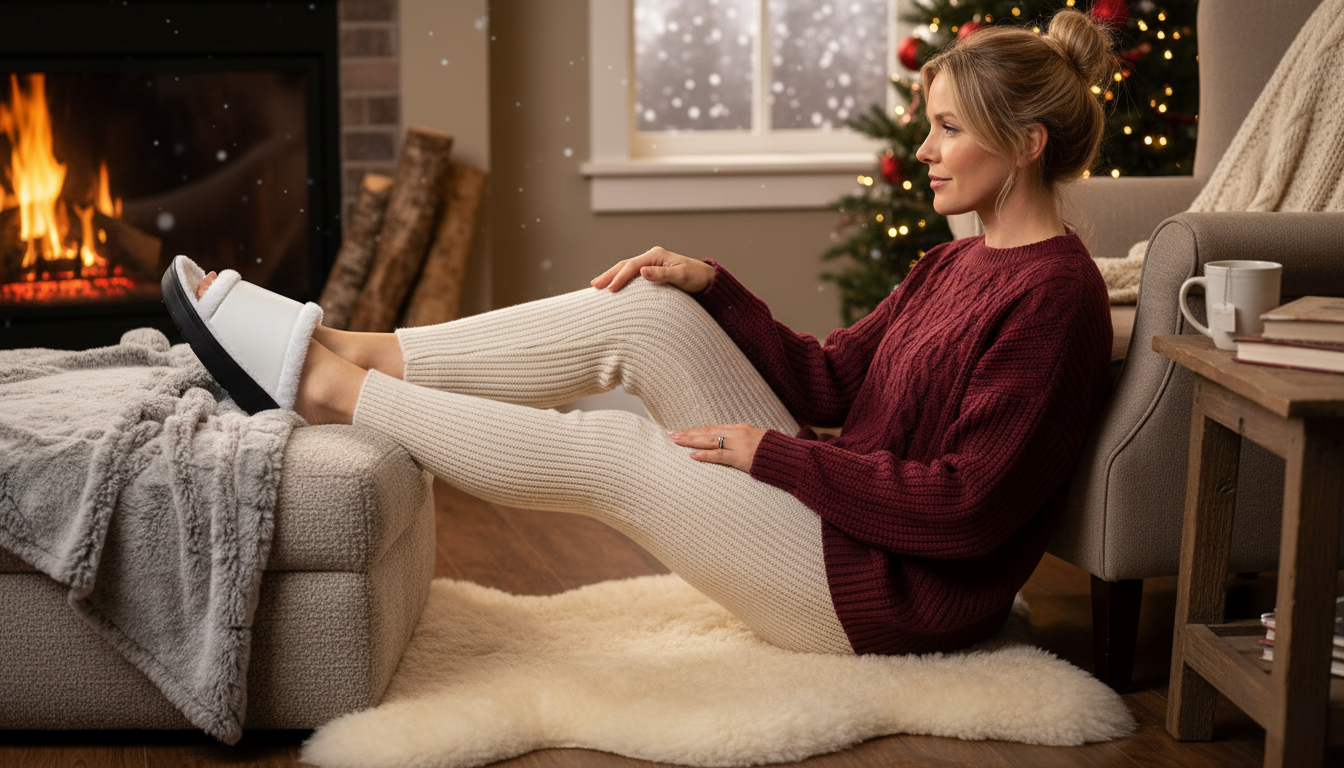
Most of the winter models concentrate on the plush interior and forget about giving proper footbeds. Consequently, the women's winter slippers are very comfortable but they do not have arch contouring and heel stability, although they are heavily worn indoors.
The seasonal discrepancy between comfort and support is what causes some people to notice that their heel or arch pain becomes more severe in the cold months. The problem is not the weather itself but the footwear habits that the weather is fostering.
When Comfort Becomes a Misleading Signal
Softness is pleasant at the time, and that is the main reason why many people consider that comfort is only equated with cushioning. Nevertheless, softness without support can mislead you.
When a plush product is designed, it is constructed to collapse under body weight so as to allow the foot to go deeper and become unstable. With time, this instability results in muscle and ligament overuse, which leads to their exhaustion and inflammation.
This is especially the case with furry slippers for women which may seem comfortable but actually provide no resistance under the arch. Although they might be comforting, they often contribute to foot pain patterns that only become obvious weeks later.
The Indoor-to-Outdoor Connection
Foot pain hardly ever dissociates between the indoors and outdoors. Patterns that have been formed at home come with you out, affecting your manner of walking whether you are in shoes, sandals or bare feet.
If your arches give way indoors, you will adjust your gait to that collapse. When you wear outdoor shoes, your body still has those compensations. That is the reason why pain may still be there even after you have changed your shoes, as the pattern has already been formed.
Women’s winter slippers that have the feature of a structured footbed can be of great help in keeping the alignment going, thus, the daily reset that usually sabotages recovery is avoided.
Arch Stress and Inflammatory Conditions
Numerous typical foot ailments are the result of long-standing arch stress. Take, for example, plantar fasciitis. It is not the consequence of one single step which is wrong. It is due to continuous overloading of the plantar fascia that it unfolds.
Every unsupported step slightly stretches this tissue beyond its normal capacity. Over a long period of time, microtears develop, and inflammation and pain occur, predominantly, after rest.
By using orthotic slippers for plantar fasciitis, one can alleviate this repetitive strain as the slippers offer support to the arch during the daily activities, especially in the morning and at night, when the tissue is in its most vulnerable state.
Why Sandals Can Either Help or Harm

The arrival of warm weather is associated with the onset of another difficulty in relation to patterns: sandals. Most people move from wearing structured shoes to flat, flexible sandals, which hardly give any control over the feet.
Without a supportive base, the foot is the one that has to do the work of keeping the body stable. The increased demand that results from this is the main cause of forefoot pain, heel soreness, and alignment issues getting worse.
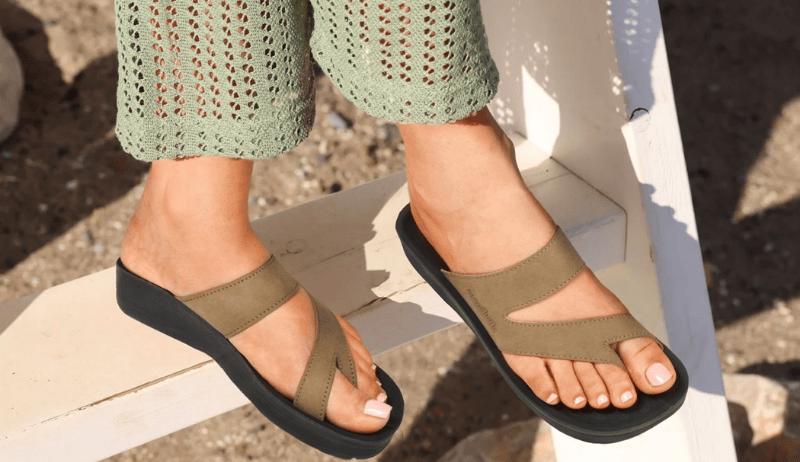
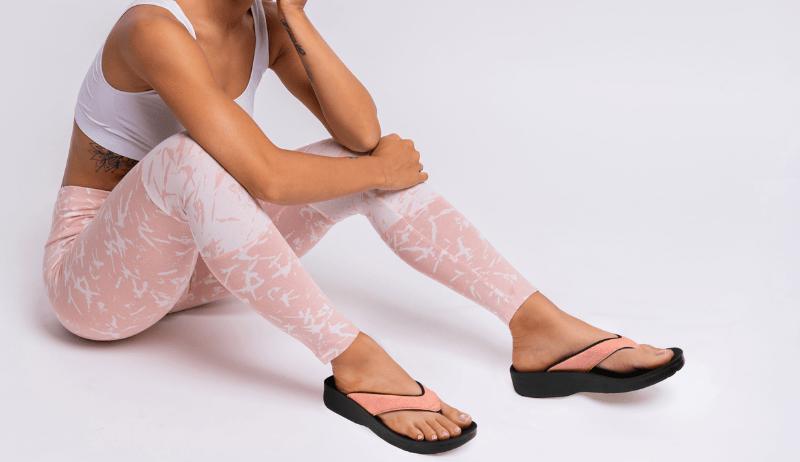
The comfortable orthopedic sandals, if chosen rightly, can be the best solution for the open footwear lovers thus they will not have to give up structural support which is vital for the foot to move naturally without being excessively strained.
Gender-Specific Design and Foot Health

The footwear of women has its uniqueness in terms of causing problems as a result of differences in the shape of the foot, mobility of the joints, and the most common ailments such as bunions. The narrowing of the designs and the lack of support may, over time, speed up the progression of deformities.
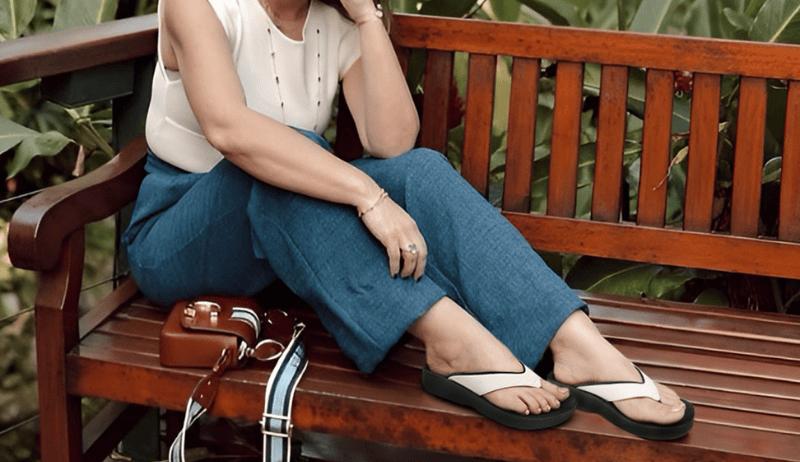
The supportive orthopedic sandals for women have been created considering these factors and taking them into account. Therefore, they provide wider toe boxes and also offer footbeds with a natural shape, which is in line with the human anatomy.
When the footwear is designed in a way that it accommodates rather than restricts the foot, then the chances of pain patterns developing and intensifying become very low.
Bunions and Predictable Pressure Patterns
Bunions do not just come out of nowhere. They result from long-term repeated pressure and misalignment of the joint of the forefoot. The turning in of the big toe is caused by tight or unsupportive shoes and, step by step, the joint structure is altered.
Usually, this process gets accelerated during the warmer period of the year when totally unconstrained flexible sandals are the ones that are responsible for the collapse of the inward side of the foot. Over the course of time, pain becomes continuous instead of being experienced only in certain situations.
The greatest sandals for women with bunions tackle this issue by offering the stabilization of the midfoot and at the same time allowing the toes to be in a more natural position, thus, progressive joint stress is reduced.