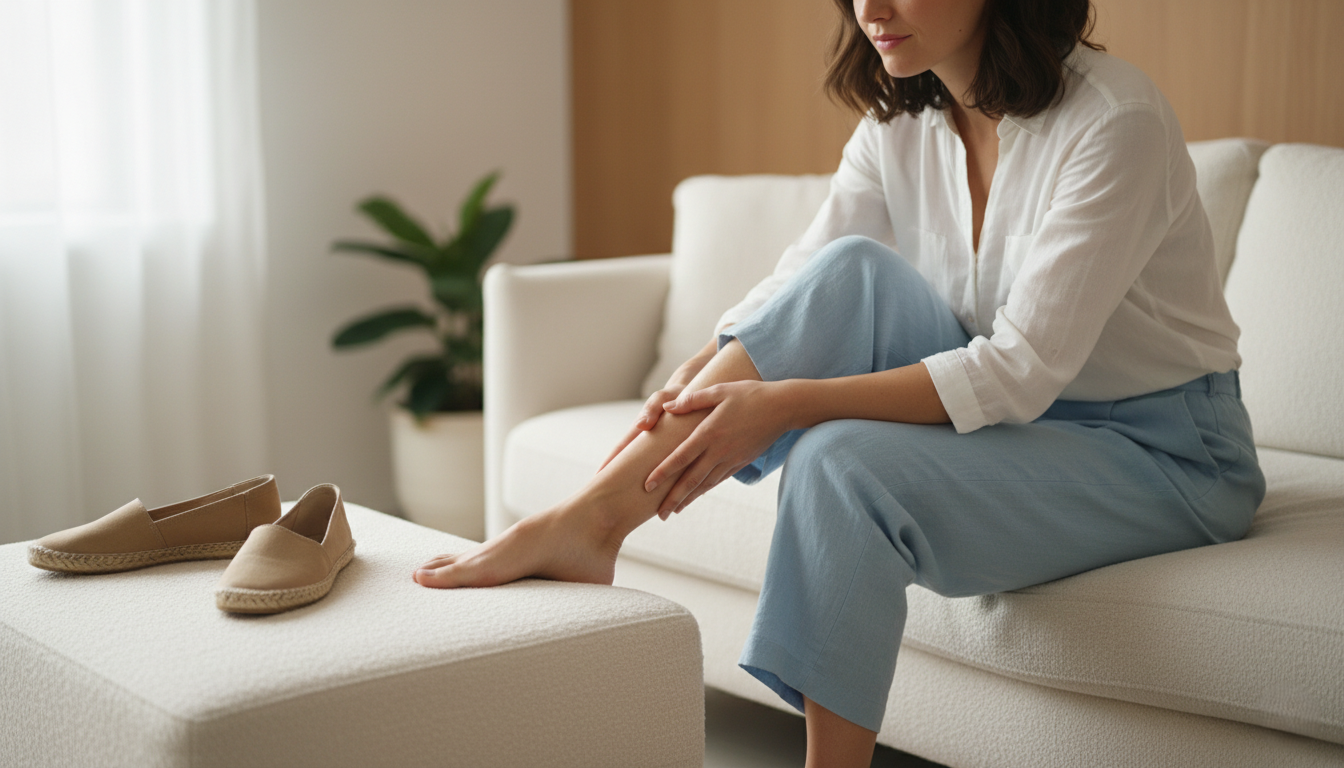
Most of the time, foot pain is not a result of a sudden, dramatic injury. Usually, it goes unnoticed for a long time and originates from a single terrible footwear decision that gradually breaks the way your feet should work. The podiatrists-have termed the situation which can be caused by one shoe worn too often, one compromised sole, or one unsupported arch leading to the arch collapse cycle. From the time this cycle gets started, pain can be felt for months even after the shoe with which you caused the pain is no longer in use.
It is very important to comprehend this event if you want to keep your feet healthy for a long time. The human arch is not just a curve in the foot; it is a complex system that works like shock-absorber, posture stabilizer, and support for every single step you make. When a person’s shoes do not support the structure, the accomplice of the feet will be the ankles, knees, hips, and lower back that will suffer.
This article explains the arch collapse cycle in detail, it is very slow recovery because of the reasons given, and it is also clear how well-planned clogs can be the first stage of breaking the pattern before getting chronic.
Understanding the Role of the Arch in Everyday Movement

Your arch works the same way as a suspension bridge does. Ligaments, tendons, and muscles are like workers that together distribute body weight and adjust it on the difficult terrain. The arch squeezes itself a little bit and is able to uncompress in each movement thereby using the saved energy and at the same time it still stays in line.
The one who lacks structural integrity is the shoe. The arch will be forced to flatten even more in a shoe that is not supportive. After a time, the plantar fascia becomes overstretched and the stabilizing muscles become very weak. The slow overloading which is at first unnoticeable, because it shows only as a little soreness, is the way most of the times.
Many people believe that pain in the arch is a problem only athletes or people who are on their feet all day will have, but short periods in bad shoes are enough to stop the normal way of working of the body. Activity level is not the only thing that matters, support of the arch through daily movement is more important.
How One Bad Shoe Starts the Collapse Cycle
The collapse cycle is most closely connected with the lack of support of the midfoot and thus support there is usually the first thing that is taken away. When a shoe whose center is too easily bent lets the arch drop with every step, the muscles of the arch have to do the work more than before just to keep their shape because there is no resistance under the foot. The less the foot is supported with a structure, the more the muscles and ligaments on the top of the foot have to work just to hold the foot in place.
In order to deal with the changes, the body alters its walking pattern as it gets more and more tired. It is possible that you start turning your foot inward, shortening your stride or shifting the weight unevenly between the feet. These minor changes cause overstressing of the tissue that connects the bones and this raises the chances of the plantar fascia and joints getting inflamed.
Once inflammation happens, the arch is not as elastic as it used to be. It makes more susceptibility to further collapse even in shoes with moderate support. People at this point most frequently change their shoes without fixing the structural problem and that is why they still feel pain.
Why Arch Pain Often Lingers for Months
On the contrary, muscles, ligaments, and fascia take a long time to heal. When repeated arch collapses occur, the plantar fascia develops microscopic tears. These tears might not always cause pain immediately; however, they make the tissue weaker as time goes by.
If the person with the damaged arch keeps on walking in such a manner, proper healing will not take place. Every step tears the already healing fibers, which keeps the inflammation going. This is the reason why pain in the arch is often felt in the morning as well as after rest when the stiff tissue is suddenly loaded again.
Getting better from the damage needs less load and also support all the time. Just resting and not changing the type of shoes will let the cycle start again when normal activities are carried out. This is the reason why recurrences of pain happening despite the trial of different remedies are a problem for a lot of people.
The Hidden Impact of Fashion-Driven Footwear
Many fashion shoes attract customers by their look rather than by the good work of the human body inside. Toe boxes that are narrow, soles that are thin, and materials that are too flexible may be visually good, but they do not provide foot stabilization.
This becomes particularly bad in the case of those shoes that are worn for a long time during the day and for which the user may not even think of the foot support. Terms like ‘easy,’ ‘daily,’ or ‘everyday’ used in marketing of shoes usually mean that they are left without the necessary structure if used for prolonged walking or standing. As time goes by, the arch gets used to the absence of support by becoming flat permanently, a condition termed as acquired flatfoot.
Choosing shoes that provide the right balance between visual attractiveness and anatomical support is not a matter of giving up style. It is a matter of choosing designs that are friendly to the natural shape and works of the foot.
Why Clogs Can Interrupt the Arch Collapse Cycle

Clogs were always considered as strong and supportive footwear, and contemporary styles have brought these features up-to-date with today’s comfort requirements. The main function of a good clog is to give a firm base that stops the arch from over folding while at the same time does not restrict natural movement.
Supportive clogs owe their main characteristic to a shaped insole. This contours the foot’s natural curves and thus makes the pressure lighter for all the areas of the sole. When the weight is put on the different parts in the right way, no one place is overloaded too much.
I personally used to suffer from foot discomfort and after wearing women comfort clog foot wear for a while the pain was relieved and my daily activities became easier again.
Arch Support: Why It Is Important in Open Designs
There are people who think that sandals are not able to give the necessary support and this is a matter of design rather than the coverage. A sandal which has a firm base can give arch support just as well as a closed shoe can.
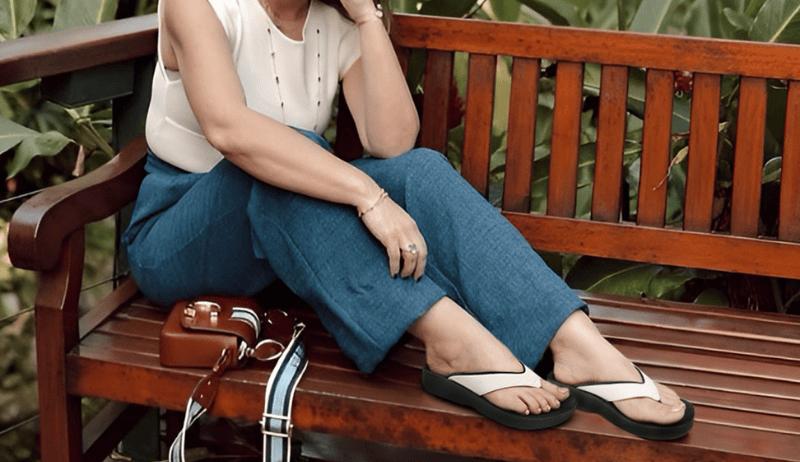
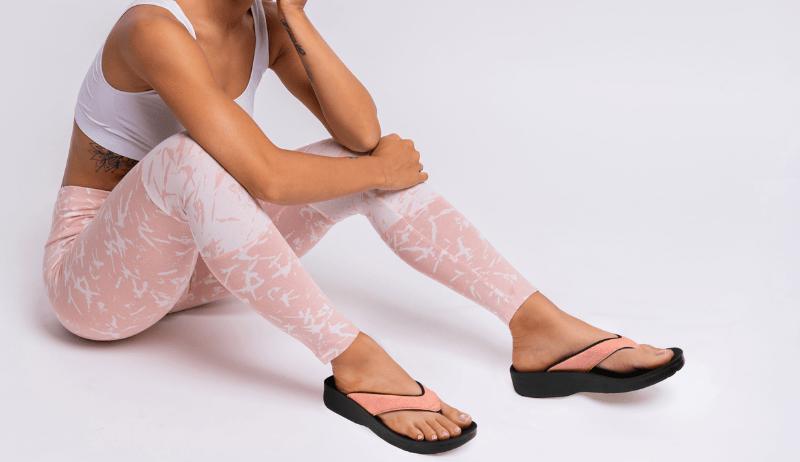
The main difference between supportive and nonsupportive sandals is that the former have firm arch contours and heel cups while the latter do not. These prevent the foot from excessively pronating and at the same time keep it in the right position during any movement. If done correctly, clog sandals with arch support can be a nice choice for hot weather or indoor wear.
Not giving attention to support in open footwear is among the greatest reasons for which arch pain becomes worse in the summer months.
Footbed Engineering and Long-Term Stability

The footbed is the base for every supportive shoe. An appropriately-designed footbed will keep its form during a long period and will not allow it to be compressed which is the main cause of instability.
Deluxe Footbed Clogs employ layered materials to offer the right balance between firmness and shock absorption. The solution that is most supportive of the arch is also the very one which does not allow for the production of pressure points, thus making it possible to wear it for a longer period without becoming tired.
Low-grade footbeds are quick to flatten, taking away the comfort element that was there initially and leaving the arch unsupported. That is the reason why, when assessing the footwear, the issue of durability is just as important as the question of immediate softness.
Material Choices That Affect Foot Health
Basically, footwear materials determine the way the footwear will relate to the foot throughout the day. For instance, breathability, flexibility, and durability are some of the factors that contribute to the maintenance of both the comfort and the correct alignment.
Intuitively, natural materials are more accommodative to the foot shape and movement. Some of the leather Clogs made of genuine leather, for instance, are the ones that, as time goes by, fit the user more and more while at the same time keep their structural integrity. This process of adaptation reduces the friction and, consequently, the stability is enhanced.
On the other hand, synthetic materials may be pleasurable to wear at the beginning but most of the time they do not have the necessary strength to support the arch of the foot in the long run.
When Specialized Support Becomes Essential
In situations where the arch has been worn out severely, the use of normal supportive shoes may not cure the problem anymore. The pain that extends to the heel, ankle, or knee is a common symptom that, most of the time, the patient’s biomechanics have been severely affected.
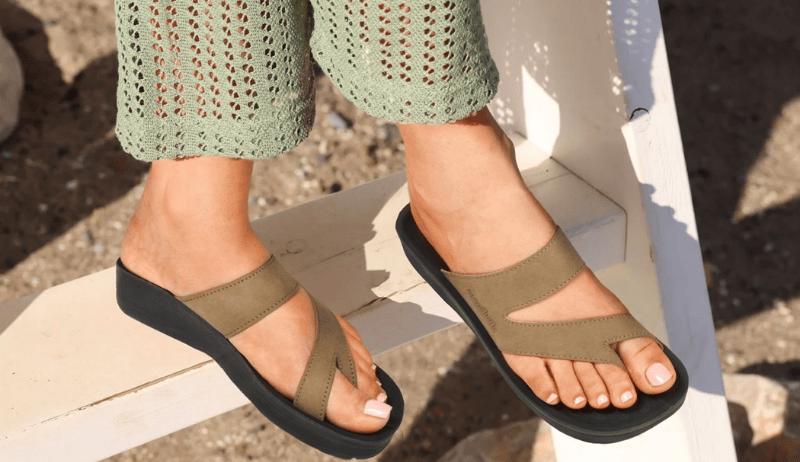
At such a point, wearing the right type of footwear for providing corrective support is indispensable. With the help of arch support, women’s clogs can be utilized to alleviate strain and realign the foot thus reducing the discomfort caused by the faulty tissue.
Basically, these kinds of fashions pay attention to the control of the movement and the distribution of the body weight, which are essential factors in the recovery of the arch and prevention of the injury getting worse.
Orthopedic Design and Everyday Wearability
Modern orthopedic clogs for women with arch support combine medical-grade stability with everyday wearability.The look of orthopedic footwear has, over the years, changed drastically. Nowadays the productions keep their clinical function but add to it the refined aesthetics thus the product can be worn daily as it does not attract attention.
The main reason for choosing such footwear as daily one is the extra support they give resulting in the foot becoming stable due to the reinforced midsoles and anatomical contours. Such a degree of support is useful mainly for the ones who are in the process of rehabilitation after experiencing the pain of the arch or plantar fasciitis.
One of the biggest reasons that separate full recovery from the chronic problem is the consistent use of the right footwear which is often the case.
Comfort Without Compromise
To be really comfortable does not mean to be only soft. The main thing is the right alignment, stability, and the absence of the feeling of strain after a whole day.
Most comfortable orthopaedic clogs are among the products that achieve this equilibrium by doing both of these: they help the foot structure and at the same time, cushion the impact. In such a way, the arch is allowed to perform its function without putting in an excessive amount of effort.
When comfort is accompanied by correct biomechanics, it is possible to slow down the arch collapse cycle and even reverse it.
Breaking the Cycle Before It Becomes Chronic
The best way to deal with the problem of the arch is by intervention at an early stage. Being sensitive to even slight discomfort and changing ones shoewear habits can spare you a long period of unnecessary suffering.
Footwear has to be the helper of the feet if it is to be of any use. It must be able to carry the foot’s natural shape, it must not bend excessively, and the pressure must be evenly dispersed. The fulfilment of these requirements implies that the arch is allowed to heal, rather than deteriorate further.
Foot health is a gradual process. With every step that you make you either help to keep the correct alignment or you add to its collapse. Choosing your footwear wisely is one of the easiest ways of protecting your mobility, yet it is also one of the most powerful ones.
One bad shoe can set off a host of problems, but by understanding this, you have the insight required to make more intelligent decisions. Good design is not something that only a few fortunate people can afford, it is a necessity for all those who are concerned about keeping their comfort and function in the long run.