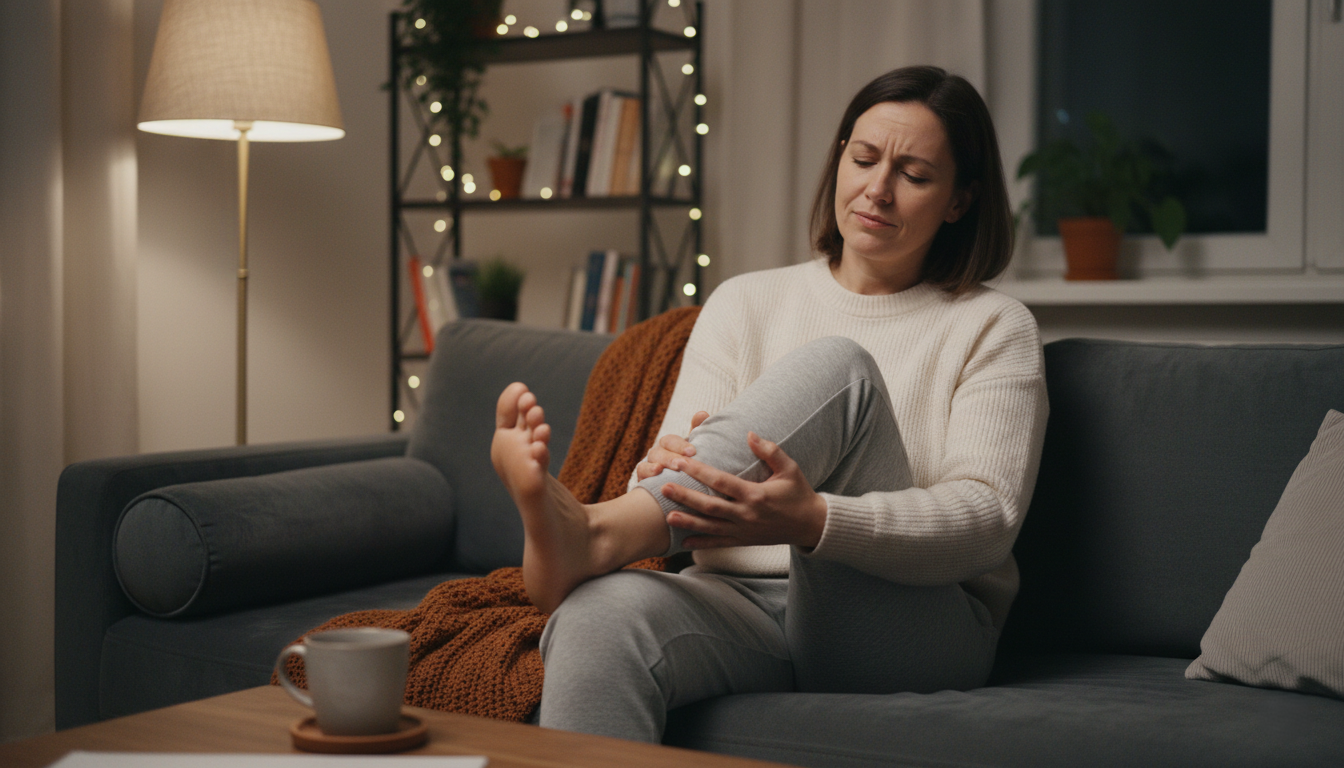
Mild foot discomfort is something that most people would probably be inclined to ignore. A little soreness at the end of the day, slight burning under the forefoot, or stiffness after rest are often considered minor and insignificant compared to more obvious injuries. And, a lot of people think that such things are just the natural consequences of being active, getting older, or standing for too long.
However, from a foot-health perspective, this would be one of the most expensive mistakes you can make.
Foot pain, in general, does not announce itself in a loud way. It actually starts quite quietly, sending you small signals that there is something wrong with your movement or support system. When those signals are disregarded, the body changes in such a way that it causes you to have even more problems. Most of the time, the situation is so severe that it is beyond a small fix when the pain is so strong that it cannot be overlooked.
Knowing first that mild discomfort is a sign, and second, that it may eventually turn into something more serious, is the main point of long-term mobility protection.
Why Mild Discomfort Is Never “Just Nothing”
The feet are a complicated mechanical system. They are the ones that take the impact, keep the body balanced, and move it forward. When a problem comes in the way, the foot has to make a compensation.
Mild discomfort in most cases is the very first indication of such a compensation. It could be a sign of pressure being put on the different parts of the sole unevenly, the arch being overstrained, or too much load being put on specific joints. The body may be able to adapt for some time, but there is always a price to be paid for compensation.
After a certain period of time, muscles become weak, ligaments overstretch, and joints get the forces they were not designed for. What initially was discomfort eventually becomes inflammation, instability, and structural breakdown.
The Slow Progression From Annoyance to Injury
Among the reasons why early foot pain is ignored is the one related to the slow nature of the progression. There is no dramatic moment when discomfort suddenly becomes serious.
Instead, the symptoms change slowly and imperceptibly. The times when the area is sore turn into times when it is stiff, and rest, instead of being a source of relief, becomes short-lived. The pain starts to appear earlier in the day and to stay longer at night.
This gradual escalation of symptoms is a disguise, they are even more serious than they let to suppose. Many people by the time they decide to get the necessary support, are already struggling with chronic conditions that have been there for a long time.
How Footwear Plays a Central Role

Footwear is quite often that link which is not there in the chain of progression. Shoes which are lacking in structure make the foot that is inside them work harder in order to stay stable. The result of this is that the tissue that has to be supported externally gets more and more stressed.
If the footwear does not guide the alignment properly, the foot will collapse just a little bit with every step. Over the course of several months, this continuous strain changes the way weight is spread on the sole.
Supportive designs like womens comfort clogs are very helpful in this respect as they provide a firm ground which, in turn, limits unnecessary movements and thereby helps to reduce the strain.
The Importance of Secure Fit
Stability is not only a matter of the sole. The way a shoe holds the foot is equally important.
Footwear which is very loose causes the muscles which are involved to constantly make compensations. Resulting in muscle fatigue and uneven pressure patterns that cause the discomfort to get even worse.
Products like clogs with buckle strap are great at ensuring the security of fit thus enabling the foot to stay in line rather than slipping or gripping to maintain balance.
Arch Support and Long-Term Alignment
The arch has a very important function in shock absorption as well as in balance. When there is no support, the entire lower kinetic chain gets affected.
Mild discomfort of the arch is most likely to signal the arch is in early stages of collapse or overstretching of the connective tissue. If left unattended, the arch will continue to weaken further and thus increase the chances of plantar fasciitis, tendon strain, and knee or hip pain development.
One of the ways to prevent this is by using women's clogs with arch support which can provide the right amount of support and therefore reduce the stress on the different stabilizing structures throughout the day.
Why Forefoot Pain Is a Red Flag
Discomfort under the ball of the foot is very often an incident of which the person involved is totally unaware. Many people attribute it to standing for too long or wearing thin-soled shoes.
Actually, forefoot pain is an indication of excessive pressure being put on the metatarsal heads quite frequently. As a result, this may eventually lead to nerve irritation, inflammation, and structural changes.
The metatarsal orthotics are among the most supportive features that can help redistribute the pressure coming from the overloaded areas and, thus, lower the chances of experiencing chronic forefoot conditions.
Material Matters More Than You Think
The materials used in making the footwear determine how long the support can perform.
Some very soft materials that give in very quickly may feel very comfortable at first, but, quite often, they tend to lose their structure very quickly.
When a sole is worn out and becomes flat, it stops providing support to the natural curves of the foot. Thus the foot is forced to adapt once again, thereby continuing the cycle of discomfort.
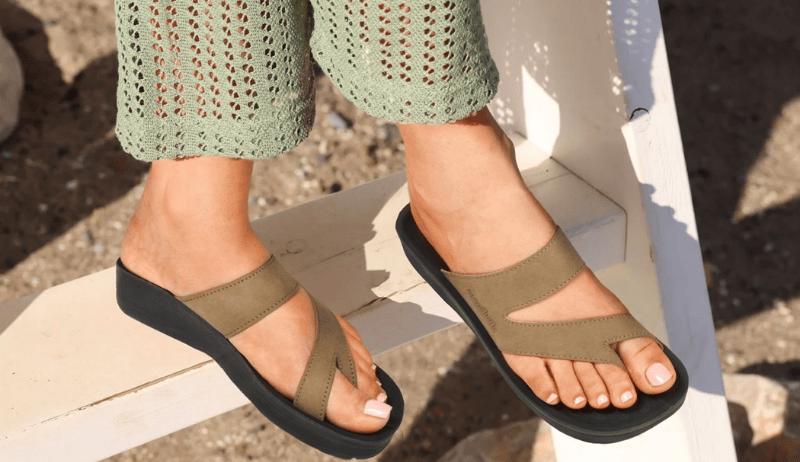
There is such a solution as suede clogs which not only allows the shoe to adjust to the foot but also provides support as both flexibility and durability are combined.
The Hidden Cost of Delayed Action
By disregarding mild discomfort you will not only get pain but also long-term limitations.
Chronic foot problems lead to reduced levels of activity, changes in posture, and a higher risk of falling or getting secondary injuries. They may also limit the choice of footwear thus making everyday life more difficult.
The very first step taken to solve the problem will be only a little inconvenience whereas if the problem is left to grow further, then the situation would become extremely difficult and could require orthotics, therapy, or medical treatment intervention.
Why Comfort Alone Is Not Enough
Responding to the discomfort by choosing soft shoes is something that most people do. While padding may help absorb the impact, it won’t fix the underlying problem of misalignment.
Without any support, the use of soft shoes will lead to continuation of harmful movement patterns being unnoticeable by the user, thus, the comfort is a temporary relief rather than a solution.
Footbed Clogs solve the problem by integrating cushioning and anatomical shaping that helps the foot’s natural mechanics.
How Mild Pain Changes Movement Patterns
Even when the pain is mild, it still affects the way you move. You might unconsciously move the weight off the sore area, make your stride shorter, or use the foot in a different way.
Such compensations are quite understandable; however, they very often result in transfer of the joint stress to the other side. In the long run, this may cause such problems as ankle instability, knee strain, or lower back discomfort.
Early foot pain intervention is a way to stop the above chain of events from happening.
Daily Wear and Cumulative Impact
Foot discomfort is something that accumulates over time. What you wear on a daily basis is much more important than what you wear occasionally.
Even the most supportive shoes will not be of any help if they are only worn from time to time. Most of the steps you take are what determine the condition of your feet.
If worn regularly, properly designed footwear will enable the foot to perform its functions throughout the day’s activities and thus, the foot will not be excessively loaded.
Why Clogs Are Often Overlooked Solutions

Certainly, clog shoes are sometimes assumed to be either casual or work-specific footwear. However their construction makes them very suitable for daily routine and general support.
One factor of a well-built clog is that it gives a firm base, a shaped insole, and a snug fit. These elements help in limiting the excessive movement of the feet as they work together.
In this case, these people particularly benefit from such a choice who want to stop the progression of their first stage of discomfort without giving up their daily routines.
The Psychological Cost of Ongoing Discomfort
Enduring mild pain is mentally draining. It definitely creates a constant source of anxiety and decreases the pleasure of everyday activities.
In many cases, people avoid performing certain movements unconsciously. This leads to loss of stamina as well as increasing the hardening of the muscles. A vicious cycle that causes greater and greater symptoms.
Taking care of discomfort early thus brings back not only the ease of the body but also the trust in movement.
Recognizing When Discomfort Is a Warning
Pain is communication. Very often, the body sends signals to ask for support rather than telling us to simply endure the pain.
Any time the muscle pain is repetitive, specific, and it gets worse gradually, it definitely deserves attention. These symptoms mostly imply that the current pair of shoes or your habits are not enough anymore.
If you listen to your body sooner you can make small changes that are just as effective.
Prevention Is Always Less Costly Than Treatment
From the perspective of foot-health, prevention should be the primary and most efficient approach. A foot that is supported before it gets damaged is one that is kept in its natural function.
Once the foot is structurally weakened, regain of the foot becomes more delicate and slow. This preventive measure ensures not only that one remains mobile but also independent and that life is of high quality.
Early placing of proper footwear costs less later when there is a need for interventions.
Small Signals, Big Consequences
Mild foot discomfort should not be regarded as something harmless. It is the beginning of a story which, in the case of neglect, may end up with chronic pain.
The good thing about it is this progress is not to be taken for granted. Early discomfort can be solved before it becomes a limiting factor with the aid of supportive design, proper fit, and consistent wear.
Humans require their feet to walk through every stage of life. Heeding their earliest signals is one of the most effective ways of preserving your health in the long run.