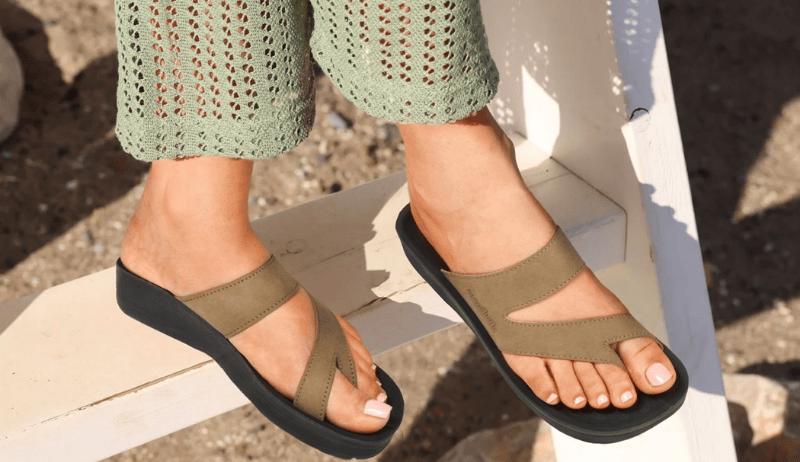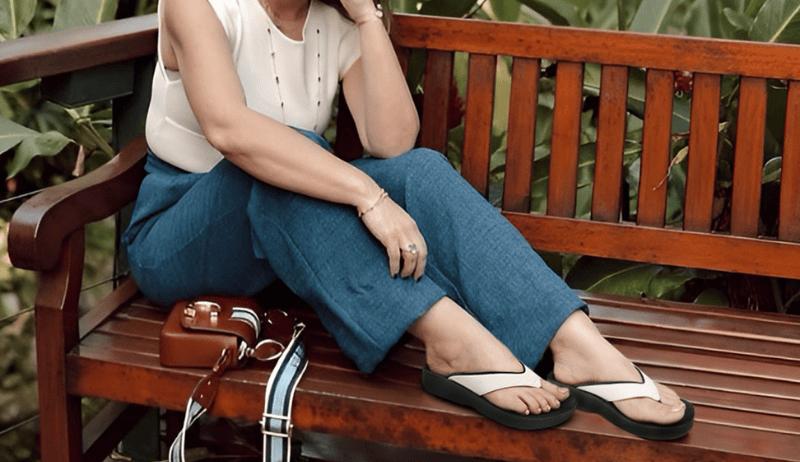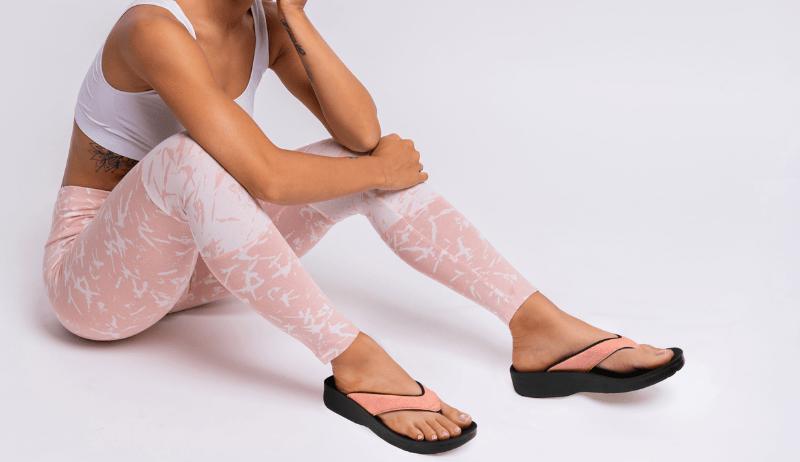
At some point, many people get confused when it comes to their favorite clogs. A pair that used to feel good and supportive can suddenly feel like it is not as good anymore. This change is very clear with clogs, which need to be made well and work with your feet, instead of just having soft padding. It is important to know why your feet feel different over time to stop pain and keep your feet healthy for a long time.
This article looks at the reasons why these changes happen based on our bodies, how things work, and the stuff things are made of. It talks about how feet change, how clogs get old, and why the way they work together always changes.
Your Feet Are Not Fixed Structures

Your feet are active groups of bones, strong fibers, stretchy tissues, powerful movers, and feelers that always change based on pressure and motion. In many weeks or years, these parts react to changes in habits, shifts in weight, how much you do, and even getting older.
As curves slowly get weaker or become tighter, clogs that once worked with how your foot moves might not fit right anymore. This is why many people see that women slip on clogs they used to wear all day without problems and start to feel strange even if the shoe looks the same.
How wide your foot is can slowly grow over time as the stuff that holds you together stretches. How strong the foot is can also get weaker when you move less without clogs. These changes happen slowly, so pain feels quick when you finally notice it.
The Secret Way Clogs Get Old
Clogs get old just as quietly as feet do. Even if a clog looks fine on the outside, the parts inside may be changing. The support in the middle of the foot gets squished, the bottoms lose their bounce, and they do not absorb shocks as well after being used a lot.
With clogs that are made to be strong, like women's leather clogs, the material on top gets softer over time. While this might make them feel better at first, it can make them less steady if the leather does not hold your foot in place well anymore.
This breakdown happens slowly, which is why you might feel pain without knowing why. The shoe is still the same one you had, but it does not give you the same amount of support as it used to.
How Footbeds Change the Way Your Feet Carry Weight

Footbeds are very important in how weight moves through your foot when you walk or stand. Things like cork react in their own way to weight, heat, and water, changing to fit the shape of your foot over time.
Cork Footbed Clogs are made to change shape a little to fit your foot, making them feel like they are made just for you. But, after they get squished down a lot, the footbed might not spread weight evenly anymore. Spots that used to be supported might start to sink, putting more stress on soft parts.
This change can slightly change how you walk, making you more tired or causing pain in one spot without you knowing why. What feels like a problem with your foot might really be that the support under it is worn out.
Why Arch Comfort Changes Over Time
How your arches are supported is often misunderstood when it comes to how comfy clogs are. Many people think that if arch support works, it will always work the same way for them. But arches can change a lot.
Your foot muscles can get weak if clogs do too much of the work, or they can get strained if your clogs don't support you well enough anymore. Styles like clog sandals made to support arches might feel great at first but could become uncomfortable as your feet get stronger or your alignment changes.
The seasons can also affect your arches. When it's hot, your ligaments get more flexible, but when it's cold, they can get stiffer. These little changes in your body can really change how the same shoe feels at different times of the year.
Suede, What You Feel, and How Your Foot Reacts
What a shoe is made of does more than change how it looks. It changes how your foot feels stability and grip. Soft tops are comfy but lessen what your foot can feel, which is how it knows where it is in space.
Ladies suede clogs are often liked because they feel soft and don't take long to break in. But if you wear them a lot, the suede might stretch enough to let your foot move too much inside the shoe. This movement can make your muscles work harder, making you tired even if the shoe feels soft.
Your feet react to small movements, not just pressure. When these movements increase, your muscles work harder to keep your body steady, which can change how comfy a shoe feels after you've used it for months.
Your Gait Evolves Without You Noticing
The way you walk can change over time. Little hurts, how you hold yourself, or changes to how you live can make the way power moves through your feet different. These changes might be so small that you don't see them until your clogs start to feel strange.
When a shoe is made to keep you steady, changes in how you walk are easier to see. That's why women's clogs with arch support can feel great at one time in your life and not as good at another, even if they still look new.
Your body might start putting more weight on one part of your foot than another, which makes stress build up in one spot. A shoe that used to help you stand up straight might now feel tight instead of helpful.
How Weight Is Spread Out and What Your Foot Remembers
Your feet remember pressure and get used to repeated patterns of weight. When clogs make you put pressure in a certain way, your foot slowly adjusts to it. Over time, this adjustment can become a dependence.
If the shoe changes inside, your foot has to relearn how to spread out pressure. This relearning time often feels uncomfortable, even if there's nothing wrong with the shoe itself.
This explains why getting the exact same shoe you had before can still feel wrong. Your foot got used to the worn-out version, not the way the shoe was originally made.
Psychological Comfort vs Physical Support
Feeling good isn't just about how something feels on your body. How well you know something makes a big difference in how clogs feel. Your mind connects certain clogs with feeling secure and relaxed, which can hide any early signs that the shoe doesn't fit right.
When the support wears down or your foot changes, feeling uneasy might seem strange at first, instead of painful. Because of this wait, folks often keep wearing clogs longer than they should.
Knowing that what you feel doesn't always match what's really happening is important for picking clogs wisely to keep your feet healthy for years to come.
When the Same Clogs Are No Longer the Right Match

The problem isn't usually that clogs are bad by nature. The issue comes up when your feet change, and your old clogs don't fit together well anymore.
Clogs should help you move, not constantly make up for changes. When clogs start making your feet work harder instead of helping them, you're sure to feel uncomfortable.
Paying attention to small signs like feeling tired, noticing warm spots, or feeling less steady can keep bigger problems from happening.
How to Respond Without Giving Up on Clogs
Knowing that things change lets you deal with it head-on, instead of just ditching a style that used to be great. Switching clogs, watching how they wear down, and checking if you still need the same support are all smart moves.
clogs aren't a one-time fix but a friendship that keeps going. Clogs can still be a great pick when you choose them and take care of them, knowing how your feet and the clogs are changing.
If you respect this changing friendship, you can feel comfy longer, lower your chance of getting hurt, and keep moving in healthy ways over the years.