Footwear like thongs is often linked to being simple, feeling free, and enjoying warm weather easily. A lot of people quickly choose them, thinking less structure means they will be more comfortable. But actually, being flexible without support can have small but lasting effects on how healthy your feet are and how your body moves overall. These effects don't usually show up quickly, which is why people often don't notice them.
This piece looks at how wearing supportive thongs for a long time can change how your feet work, your posture, and how long you can stay active. Instead of just talking about feeling uncomfortable for a short time, it looks at the slow changes that happen when your feet don't have enough support and protection every day.
Knowing about these effects helps you make better choices about what shoes to wear, so you can protect your feet now and keep them healthy for many years.
Why Thongs Seem Comfortable at First
thongs seem nice because they let your feet move around easily. There's no stiff top part, no closed-in space, and usually very little stuff between your foot and the ground. This open feeling gives you a quick sense of relief, especially when it's warm or you're just hanging out.
But feeling good right away is not the same as having support over time. Your foot sees being flexible as freedom, but it also means your muscles have to work harder to control how you move. If there's no help from the bottom or top of the shoe, your foot has to do all the work to stay steady.
You usually don't notice this extra work at first, which is why lots of people start wearing supportive thongs every day.
How the Shoe Bottom Helps Your Foot Stay Steady

The bottom of a shoe or sandal is not just something that keeps your foot off the ground. It helps share pressure, soak up impact, and keep your foot lined up right. When the bottom is super thin or flexible, it doesn't stop your foot from moving too much.
Flat thongs often don't have what it takes to guide your foot as you walk naturally. Each time you step, your foot can bend, twist, and flatten out without anything holding it back. Over time, doing this over and over puts stress on the arches of your feet and the soft stuff around them.
If you don't have a supportive bottom, your foot doesn't get the outside help it needs to work well when you wear the shoes for a long time.
How Gripping with Your Toes Becomes a Secret Problem
One of the most common things that happens when you wear unsupportive thongs for a long time is that you start gripping your toes without even thinking about it. Because the sandal stays on mainly because of a strap between your toes, your foot curls your toes to keep the sandal from falling off.
Gripping all the time uses muscles that aren't made to be squeezed for that long. Over time, these muscles get tired and tight, which changes how your toes naturally sit. This can make the front of your foot hurt and make it less flexible.
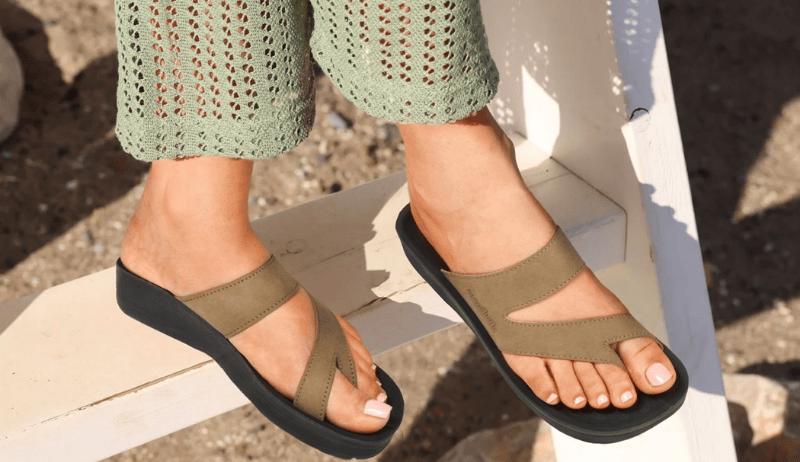
Thongs for women often feel good at first, but if they make you grip with your toes instead of fitting well and being built right, they might make you move in a way that's not good for you.
Arch Strain and Progressive Fatigue
The foot's arch works as a natural way to soften impact. It squeezes and bounces back with each step, holding and releasing power. When shoes don't give shape or support, the arch must carry all the weight of the body without help.
Loose thongs let the arch flatten too much, mostly when standing or walking for a long time. This repeated stress makes the arch tired slowly, instead of hurting right away. Many people feel their feet get tired sooner during the day or hurt by evening.
After months or years, this stress can make the arch work less well, so moving every day feels harder and less steady.
Impact Absorption and Joint Stress
Thin, loose soles don't protect much from hitting the ground. Each step sends power straight into the heel and front of the foot, then up through the joints. While the body can handle this sometimes, doing it again and again makes the stress add up.
thongs that don't give support often don't have enough cushion in the heel. This can make it hurt over time, mostly on hard floors. As the foot takes more impact than it should, the ankles, knees, and hips might start to make up for it.
This making up for it makes the joints work harder and can cause pain far beyond just the foot.
Changes in Walking Mechanics
Shoes change how you walk more than most people know. When the foot feels wobbly, the body changes how long your steps are, where you put your feet, and how you stand to stay balanced. These changes may be small, but they become habits over time.
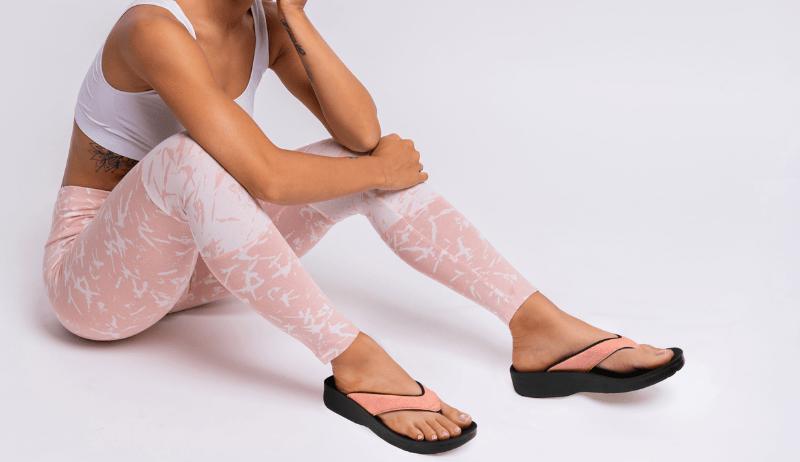
Women's thongs with not much to them make you take shorter steps and change how you push off. This makes walking less efficient and takes more energy. The body works harder to move the same amount.
Over a long time, these changed ways of moving can change how balanced and coordinated the muscles are throughout the lower body.
The Illusion of Versatility
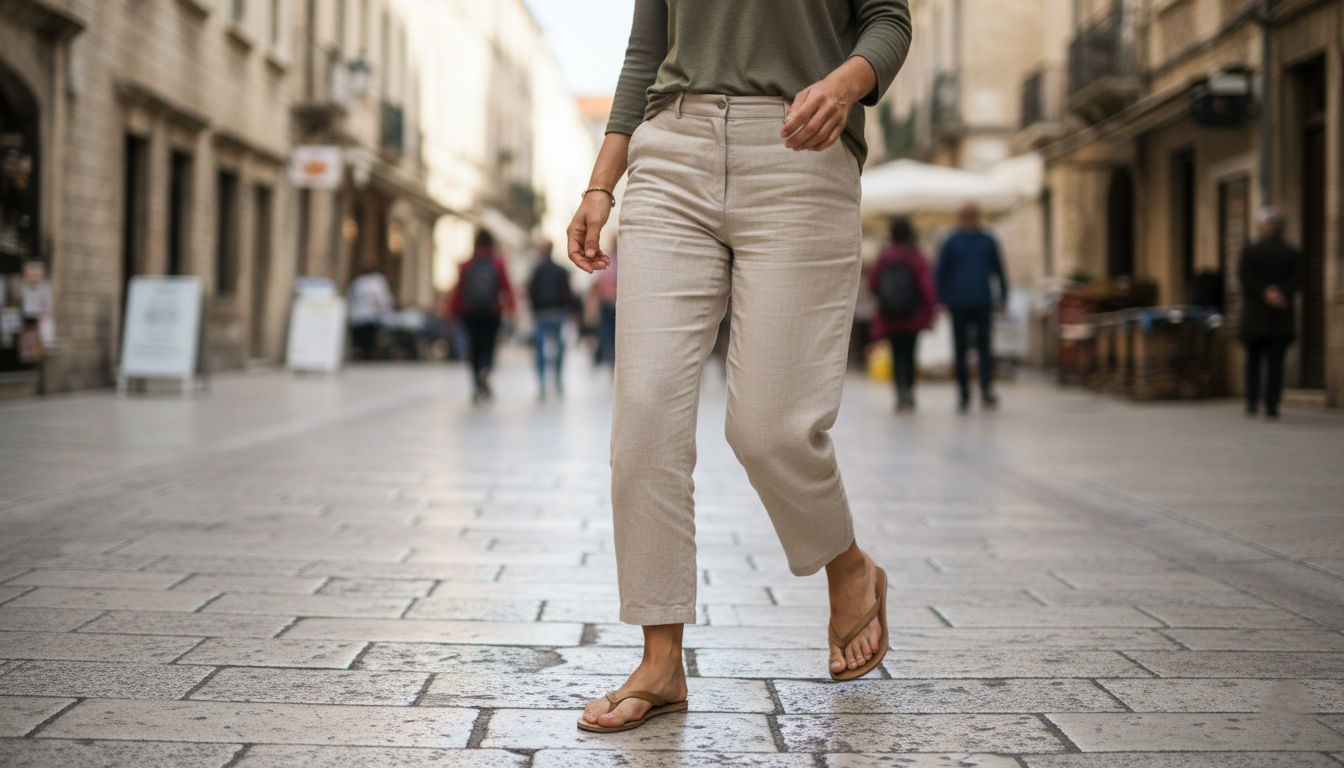
thongs are often worn in many places, from easy errands to long days out. They are simple, so it's easy to wear them too much. Because they feel right for relaxed times, people might wear them longer than they should.
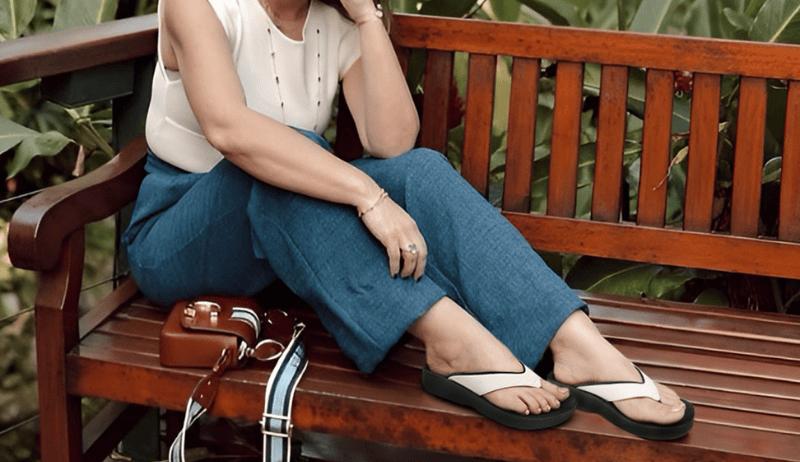
Women's black thongs are especially popular because they can be worn in many ways and go with many outfits. They look like they fit in, but they might not give the support needed for wearing them a lot.
The more often thongs that don't give support are worn, the more chance there is for stress to build up over time.
Foot Fatigue and Whole-Body Tiredness
Foot fatigue doesn't stay only in the feet. When the feet work harder to stay steady and soften impact, the rest of the body has to help. This makes you use more energy overall and adds to feeling tired all over.
Over time, people might feel more worn out after normal things. This isn't always about how fit you are or how much you're doing. Often, it's because you're not moving as well, starting at the feet.
Shoes that don't help your natural movement quietly make you less able to last and less comfortable all day.
Long-Term Structural Changes
Simply wearing orthopedic or supportive thong sandals will not cause foot problems, but using them for a long time can make things worse if other issues are already present. Constant stress on the arch, curling of the toes, and changes in how you walk put more pressure on certain parts of the foot.
Over many years, this pressure can cause ongoing pain, less flexibility, and feeling in the bottom of your feet. Your foot does not recover as well and reacts more to what you do every day.
These changes happen slowly, so people often think they are just getting older and not because of the shoes they wear.
Why Support Matters Even in Casual Footwear

People often think of regular shoes as easy to wear and not likely to cause problems. However, what you wear most of the time has the biggest impact on how healthy your feet are. Even wearing them for a short time each day adds up over the years.
Support does not mean being hard or tight. It means giving your foot help, shape, and protection so it can work well. When regular shoes do not have these things, your foot has to work harder to make up for it.
Choosing shoes that offer support helps you move naturally while reducing extra stress.
Rethinking Comfort and Simplicity
You should decide if your shoes are comfortable based on how your feet feel at the end of the day, not just when you first put them on. Real comfort means supporting your foot when you move, stand, and walk on different surfaces.
Basic thongs are simple, but being too simple and not having enough structure can cause problems. Thinking again about what comfort really means helps you choose shoes that are good for your feet in the long run.
Shoes with good support can still be light, allow your feet to breathe, and look good without losing their function.
Making Smarter Choices for Long-Term Foot Health
Knowing what to do is the first step to wearing better footwear. Understanding what supportive thongs cannot do helps you decide when and how often to wear them.
Changing to shoes with more support, wearing them for shorter periods, and noticing when your feet feel tired at the end of the day all help lower the risk of long-term problems. Shoes should fit your life, not make your body change to fit them.
Taking care of your feet now helps you move better, have better posture, and feel more comfortable in the future.
Small Habits, Lasting Impact
The long-term effects of wearing flimsy, unsupportive thongs are usually not extreme, but they do matter. Slowly getting tired, feeling a little pain, and not being able to walk as far can slowly change how your body feels over time.
Healthy feet come from the choices you make every day. Choosing shoes that help your feet move naturally helps stop stress and helps you move well. Even small changes can make a big difference if you do them regularly.
Your feet carry you through all parts of your life. Helping them by choosing the right shoes makes sure they stay strong, comfortable, and able to do what you need for years to come.