Most people are only able to notice the wear of their shoe once it becomes difficult to ignore. The heel is one-sided and looks thinner, the sole caves inward, or the outer edge frays long before the rest of the shoe shows that it is old. What the majority of the people do not know is that these repeated wear patterns are not just a random thing or that they are caused by the poor quality of shoes alone. They are actually physical documents of the way your body moves.
Each step leaves a mechanical signature. In the long run, shoes become a medium to communicate the areas where pressure concentrates, how weight transfers, and which muscles compensate for weakness. Realizing these patterns can be instrumental in the prevention of pain, the improvement of one's balance, and leading to wise footwear selections long before discomfort becomes of a chronic nature.
Are Shoes Just a Map to Your Movement?

You feet make contact with the ground thousands of times daily. Every contact causes friction, compression, and force. Shoes take in this blow, thus they are the ones that eventually get damaged.
When the wear is always found in the same place, it is a sign that a certain movement phase is being exercised repetitively and hence that part is stressed. The stress most of the time comes from the moment the heel hits the ground, goes through the mid-stance stage and ends at the toe-off. If at any point of the process the alignment is not correct, the pressure will be unevenly distributed.
This is the reason why changing styles without fixing your structure hardly ever solves the problem.
What Makes Heel Wear So Common?
Uneven heel wear is very often an indication that the initial contact is unstable. If an excessive roll of the heel inwards or outwards is done, thus the outer sole wears out quicker in that particular area. The source of this disequilibrium may be arches that are weak, calves that are tight, or ankles with limited mobility.
As the body gets the time to adjust to the induced changes, it will start to use other parts to compensate and as a result, the foot will get tired quicker. A shoe that conforms to the body's needs will help prevent this extreme rolling.
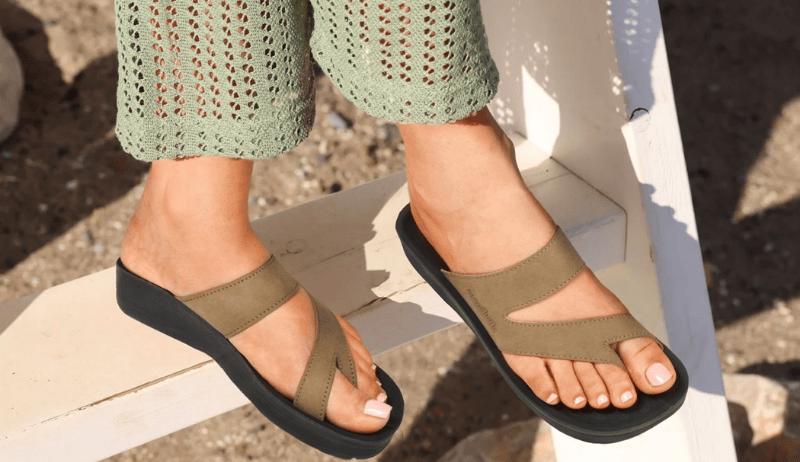
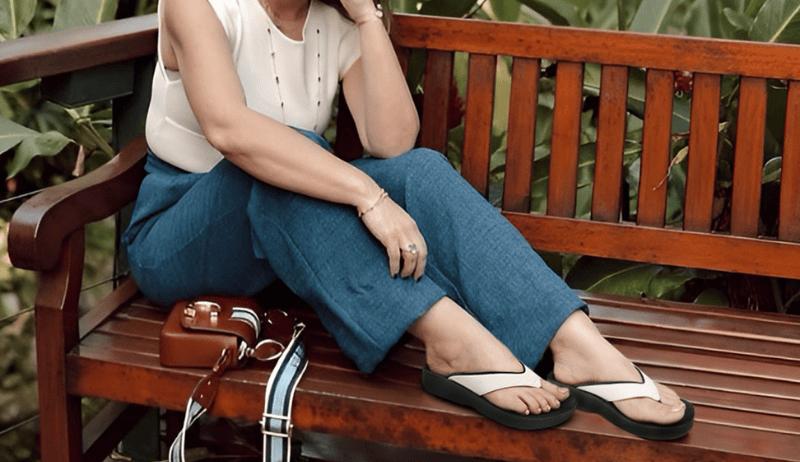
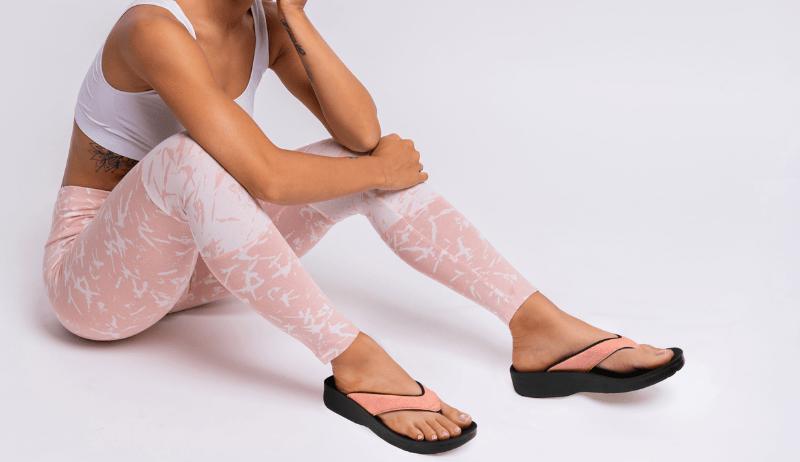
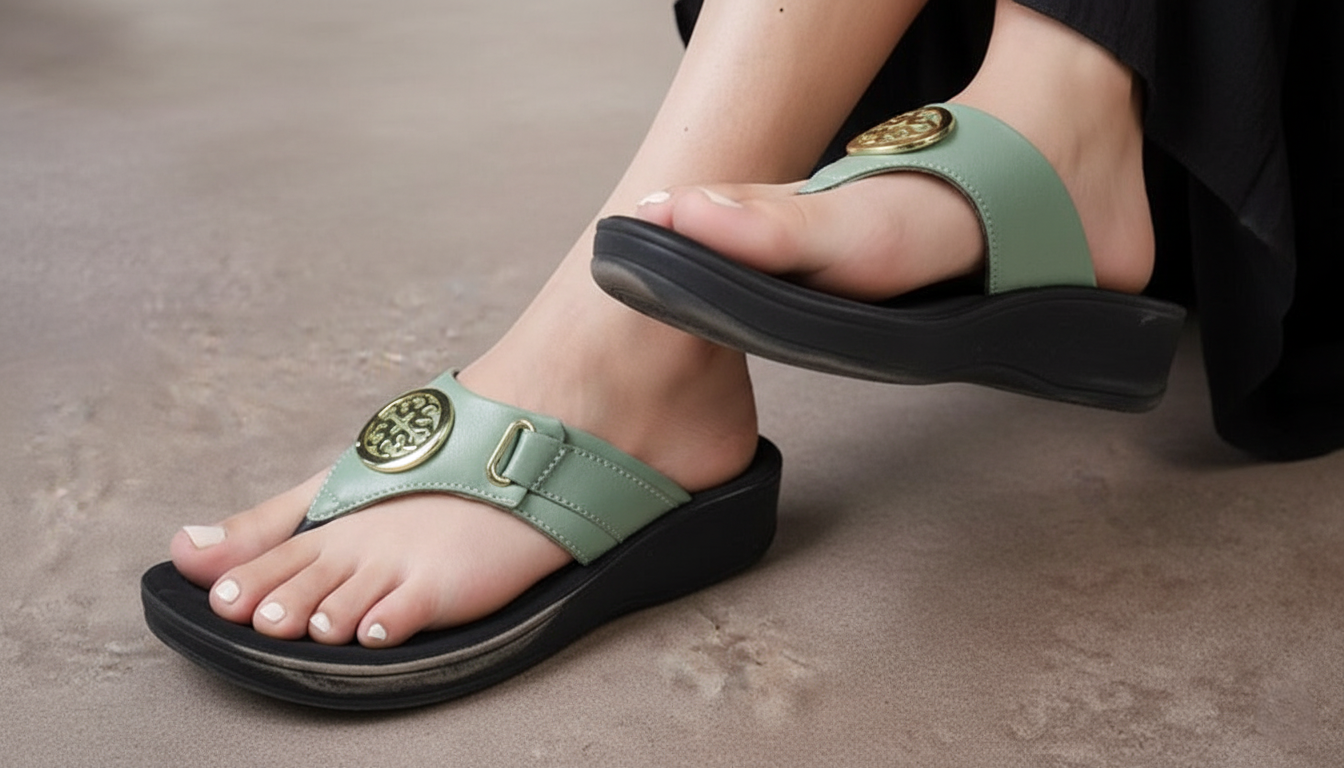
This is the point where clogs with arch support can help your daily movement to be more stable.
Midsole Collapse and Its Meaning
Once the middle part of a shoe gets compressed quicker than its sides, it is a signal of the person having been standing for a long time but with limited movement. Such a pattern is typical for people who work on hard surfaces for long hours.
The arch area is the one that is supposed to take the load and distribute it to the front, however, when there is no proper support, it will go down. When the arch drops, the midfoot becomes the one that is overburdened.
Proper supportive everyday footwear takes the load off the foot, which is why comfortable clogs are often recommended for prolonged wear.
Why the Story That Toe Wear Tells Is Different

Extreme wear in the area of the toes is a sign of an aggressive push-off or a lack of ankle flexibility. When the ankle is not able to flex properly, the foot will do so by gripping the ground harder with the toes.
What this does is increase the friction at the front part of the shoe and material degradation is accelerated. Thus, over time, such a pattern will lead to forefoot pain and deformities of the toes.
The right footwear will facilitate smooth and easy transition of the movement and not forceful propulsion.
The Influence of Foot Shape on the Wear Patterns
The structure of the foot is quite different for every person. High arches make the heel and forefoot the areas where the most pressure is concentrated, while low arches result in an uneven distribution of weight across the midfoot.
Shoes that do not take into account these differences will break down faster in the areas where there is most stress. This is the reason why sometimes even an average pair of shoes wears unevenly although the user is not abusing them.
Footwear that is made with the purpose of anatomical alignment in mind helps to lessen the unnecessary and unproductive friction that is an inevitable part of each step.
Problem with Flat Indoor Footwear
Quite a lot of people think that indoor shoes are not that important as the energy expended is less than outdoors. The truth is that slow walking and long standing can intensely load the same areas of the feet.
Flat shoes make the person pronate more than they should and thus the wear patterns are shifted more toward the inside. Eventually, such cumulative pressure is harmful not only to the shoe but the foot as well.
Wearing supportive house footwear is not only a great wear prevention strategy but also a good way to keep the joints in the right position.
Reason Why Soft Materials Get Worn Faster Without Structure
Soft materials, though appearing comfortable at the first moment, under repeated pressure they will definitely be compressed. If there is no support underneath, the cushioning will lose its shape and will no longer be able to absorb impact evenly.
This is what leads to very rapid degradation of the various parts of shoes that are also the places of high-load situations. Sometimes the shoe may seem like it is still in a good condition, but the support has been compromised already.
Structural designs are not only prolonging shoe life but also increasing foot comfort at the same time.
Information from Shoe Asymmetrical Wear
When the wear of one shoe is prominent more than that of another, it is an indication that the imbalance is most probably happening at a higher level of the body above the kinetic chain. This may be due to differences in hip strength, leg length, or posture that can change the way the weight is distributed.
The feet get used to these differences and the shoes they wear bear the signs of the adaptation. By not paying attention to this sign you are giving a green light to the compensation patterns to get worse.
Support balanced footwear can help to diminish over time the degree of asymmetry that exists.
The Reason Why Women Notice Patterns Faster

Women are usually the first ones to notice the wear of their shoes because the style of their footwear is mostly focused on the looks rather than the structure. The wear of the shoes is accelerated by the narrowing of the toe boxes and thinning of the soles.
Consequently, the shoes become earlier to reveal the misalignment. In order to tackle this problem, women should be choosing those shoe styles that combine beauty with support.
Material Choice and Its Impact on Longevity
Natural materials are better at adapting to the shape of the foot as time goes by. On the contrary, synthetic materials become permanently deformed once they are compressed.
Good quality materials accept pressure without giving in completely, thus they retain the support for a longer time.
This is the main reason why people prefer leather clogs womens for the extended daily use.
Reason Why Suede Needs Better Structural Support
Suede is not only flexible and breathable but also less resistant to changes in shape. Without the internal support, the way it stretches will be that it is different in each part.
What it does is that it exaggerates present gait issues and thus localized wear increases.
The right construction will keep the womens suede clogs in the same shape even if they are put under repeated pressure.
How Lifestyle Influences Shoe Wear
What matters most are our daily routines rather than the intensity of the activities we do. Standing at the desk, doing house chores, and slow walking in the errands - all this is repetitive loading of the same areas.
The shoes that are worn during such activities are the ones that take the most of the burden. The decision you make regarding footwear for everyday movement can greatly be responsible for your uneven wear.
Footwear should be in line with the requirements of your lifestyle and not merely the outings.
The Reason Why Ignoring Wear Patterns Leads to Pain
Wear patterns are the warning signs that come first. To them, the response is silent and ignoring them is what the majority of people does. Hence misalignment is progressing to pain.
Initially, when pain appears, the strain of the tissue is still at the early stage. The addressing of footwear issues at an early stage is the way that prevents this escalation.
It is time for shoes to be replaced or upgraded when you can see wear patterns, not after pain is felt.
The Use of Arch Support in Wear Prevention
An arch-supporting device helps the midfoot to be stable and the force to be guided forward. The absence of it makes the pressure highly unpredictable.
The pressure to wear increases at a faster rate along with the pronation of the foot and the tissue under the foot become more and more prone to injury. Correct support also serves as a brake on the wear of a shoe and gives a user more comfort at the same time.
This is why suede clogs with footbeds that are properly structured will give their owner the best results in the long run.
Why Fit Matters as Much as Design
If the fit of a shoe is not right, then the best shoe design will still fail. If there is too much space then the foot will slide, whereas if the shoe is too tight then friction will increase.
Both situations will cause the shoe to wear faster mostly in areas that are typical for these scenarios. The fit should be such that the natural movement is still possible without the foot being able to move too much.
Basically, good fitting footwear is a partner to the foot, not an opponent.
Understanding Long-Term Foot Health Through Shoes
Shoes are an indication of the way your body moves. The skill of interpreting this indication can be a great help in injury prevention besides the benefit of pain relief.
Very frequent patterns show that these are the habits where support is needed instead of correction by force.
The role of footwear is to facilitate the natural movement of the body and not to limit it.
Why Supportive Clogs Are a Smart Choice

Most often clogs give a very stable base with hardly any bending as the case might be in the foot or leg areas that require it most. This makes the transition from one movement to another easier and faster, thus stance is completed more naturally with less time and energy used.
Having a correct alignment, their structure also elevates the overall function of the natural stride besides just maintaining the latter this way.
This makes suede clogs womens styles of walking not only great for everyday wear but also very efficient.
Your Shoes Are Speaking—Listen Early
The places in your shoes that wear down the most are the places where your body is in need of support the most. Not really paying attention to those signs is a sure way to lead discomfort which could have been avoided.
Knowing where the wear comes from enables you to be very selective when purchasing new pairs of shoes that will still protect your feet over time.
The longer shoes and feet are able to last, is actually when the structure of the shoes is in agreement with the movement of the body.