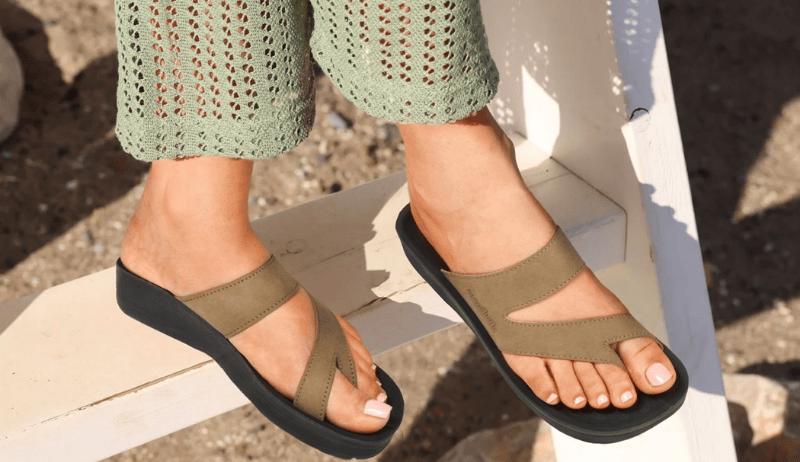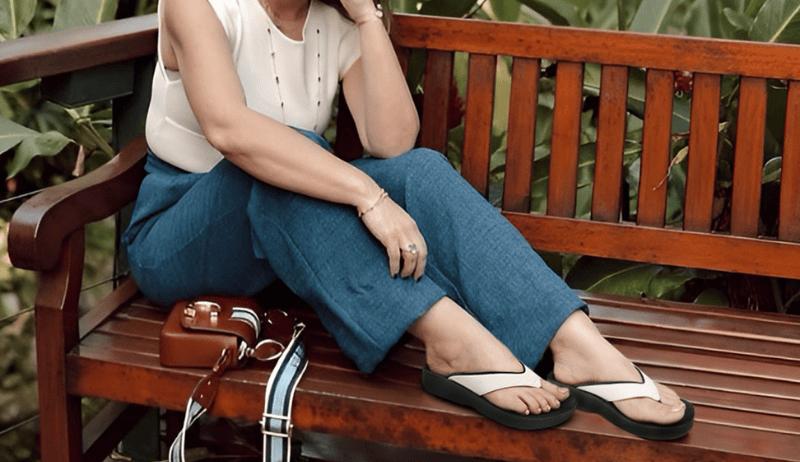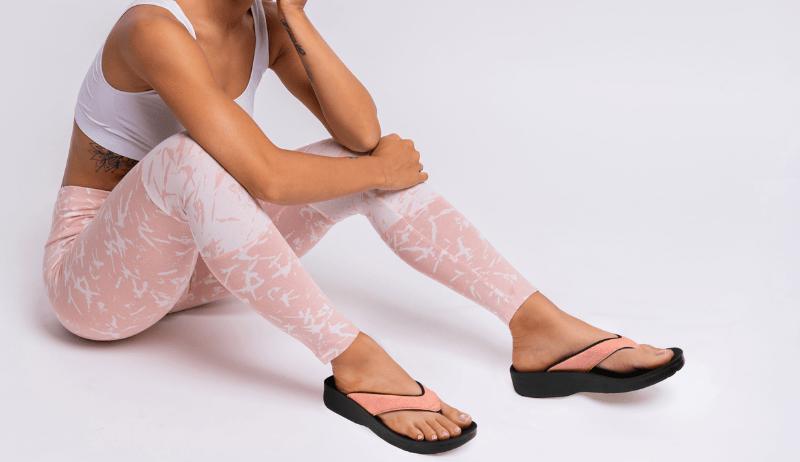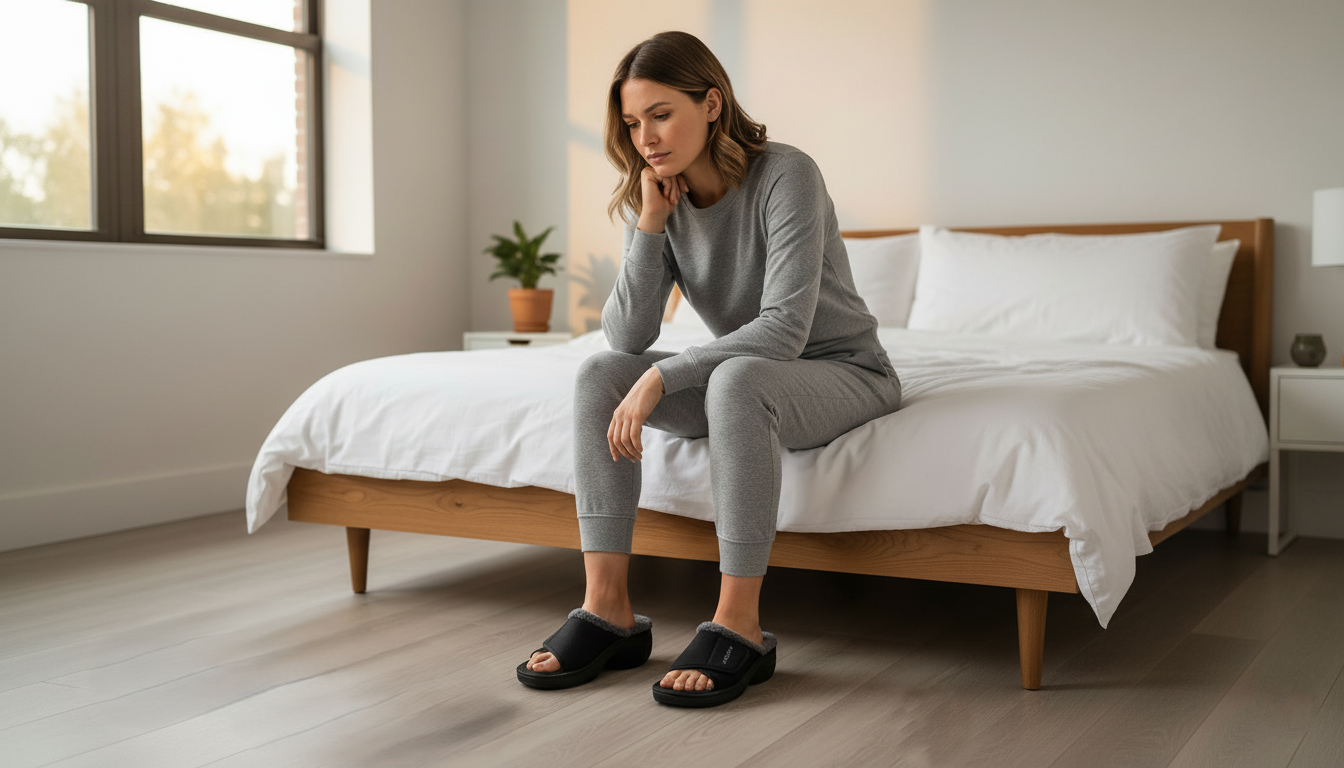
Many people mistake the term supportive footwear with restrictive footwear, but the differences are far-reaching. Supportive footwear such as shoes and slippers body the foot's natural function resulting in the reduction of the foot is less tired and strained. On the other hand, restrictive footwear deliberately limits the movement of the foot, thus it forces the foot to go in unnatural directions which can, in many cases, result in the increase of discomfort and, eventually, in the generation of long-term problems. The essential key to a good foot health which is pain-free, lies upon knowing the difference between these two.
Proper footwear at home should chiefly be the tool to help the body rest and recover rather than impeding one's movement unnecessarily. Slippers designed with consideration of the recovery process and thus, restful alignment of feet, walking, or even lying down will make the feet regain proper alignment, soak the pressure and, in the end, fatigue will be totally avoided.
Why True Foot Support Matters

Supportive footwear is constructed to be the friend of your foot and not the enemy. It facilitates the weight to be evenly spread, takes away the pressure points and in general enables the muscles, tendons, and ligaments to be in a more functional state.
Very often, people, in contrast to support, mistake restrictive shoes' attempt at support for actual support as they do not realize that these shoes practically immobilize the foot. Support means the latter while at the same time the foot is allowed natural movements. In other words a comfortable orthopedic slipper would be a perfect case; it not only softens the foot but also provides subtle support to the tired arches and heels, and thus it keeps off fatigue after a long day. Additionally, correct support also acts as a preventive measure against small stress points turning into chronic issues slowly but surely.
The Risk of Restriction in Footwear
Restrictive footwear is an example of how technology can go against human nature as it entails limited foot flexibility. A person may at first feel his/her foot is very secure, but the presence of a stiff shoe/fixed foot part can cause different problems like the development of a lack of flexibility in the same area, poor blood circulation, and strain in the joints. In the course of time, the situation may deteriorate to the point where restriction becomes a major cause of foot-related issues instead of a solution.
Shoes that pinch the heel or arch may cause you to suffer from such conditions as plantar fasciitis, flat feet, or heel spurs. While the recovery-focused slippers will not do such acts, rather, they ply the feet with the needed cushioning and correct alignment without hindering the movement so that the foot can get well during rest periods.
Supporting Flat Feet at Home
People with flat feet have a high probability of encountering discomfort especially in cases when the shoes fail to give the required support. In a situation where there is no arch to serve as a weight distributor, the overpronation process may initiate and this in turn may cause fatigue, soreness, and, with time, stress of muscles and joints.
Firstly, arch support slippers for flat feet will help very much as they give your arches a reprieve and at the same time, the weight will be evenly distributed and, what is more, natural motion will be maintained. Likewise, orthopedic slippers for flat feet are capable of providing the necessary home support structures, helping the user to not only experience less strain but also encouraging the body's natural recovery processes after daily activity has been undertaken.
Plantar fasciitis is a health problem that is common where the band of tissue on the bottom of the foot known as the plantar fascia becomes infected and thus leading to heel pain. The pain gets worse at home, especially when one is barefoot or wearing an unsupportive type of a slipper.
Slippers made with a special focus for use by people suffering from plantar fasciitis allow the band of tissue on the bottom of the foot as well as the arch to be comfortable with highly targeted padding, thus relief of stress is ensured, as well as a boost to the healing process. And thus these slippers which are different from restrictive ones in that they keep the foot moving naturally while still giving relief from pressure, are the ones to be worn.
Warmth and Recovery for Tired Feet
Without a doubt, temperature is one of the factors that plays a major role in recovery. When muscles and tissues that connect one part of the body to another are cold, these body parts are more likely to be affected with tightness, stiffness, and, indeed, soreness. The slippers that provide warming benefits are among the vessels that lead to better blood flow and thus they support tissue repair and, in the end, relaxation.
Women can rely on warm slippers to keep the feet cozy while at the same time the feet will not be left without the necessary structural support that is gentle in nature. When it is cold outside, winter slippers for women or women's winter slippers come to the rescue of blood flow in the feet as well as the whole legs and at the same time the feet get comfortable and this is a great way to avoid fatigue which usually accumulates when the temperature is low.
Heel Care and Foot Support
One of the major causes of pain at home, just like most other places, is the problem of heel spurs as well as the unpleasant general feeling of the heel region. The problem can, thus, be exacerbated further as the restrictive footwear in this case will worsen the pressing against the sensitive areas.
The best women's slippers for heel spurs typically serve this purpose effectively as they offer localized padding and alignment together with the freedom of movement, thus, comfort as well as recovery, are being promoted during everyday home activities.
Signs of Supportive Footwear

Supportive slippers enable slight movement of the foot while still stabilizing it. After walking, standing, or just wearing them for a few hours, your feet should be in a relaxed state. In contrast to tightly fitted shoes, supportive footwear permits natural toe bending, slight arch participation, and overall comfort without any binding or tightening.
If you wear supportive slippers on a regular basis, it is possible that you will experience less chronic fatigue, feel that the pressure on the sensitive areas is relieved, and that the body is naturally recovering from the previous time of activity.
Choosing Recovery Footwear Wisely
When deciding on footwear to be worn at home, one should aim for the features of the cushioning, the arch support, and a gentle heel lift. It is better not to wear really rigid and narrow slippers that limit your movement. By using slippers that offer both warmth and support, you can be sure that your feet will stay comfortable and functional.
Recovery slippers are the kind of product that should be used as a preventative measure rather than as an indulgence. Wearing comfortable orthopedic slippers during your rest time, using orthopedic slippers for flat feet, or simply wearing arch support slippers for flat feet can lead to the strengthening of foot resilience and consequently the protection of foot problems in the future.
Support Over Restriction
The difference between support and restriction is quite obvious: support helps the feet to work naturally, lessens the wear and tear of the foot, and speeds up the recovery process, whereas restriction reduces the range of motion, causes quicker fatigue, and may lead to the aggravation of foot conditions. If you add recovery slippers to your everyday life, you are actually giving your feet the opportunities they need to recover and stay strong.
Proper home footwear, such as orthotic slippers for plantar fasciitis, warm slippers for women, or the best women's slippers for heel spurs, is the key to comfort and the health of your feet without limiting natural movement. The correct support today is the prevention of discomfort tomorrow.