Every year in wintertime, fuzzy slippers and soft house shoes return. They provide warmth, softness, and comfort, but this year, a new category has been brought to consumers: orthopedic slippers.
Initially regarded as a specialty item for those dealing with some kind of kinesthetic issue, it's now a standard option for comfort. At this time of year, foot coverings are a luxury that most will seek, especially when so many people are working from home for long stretches. Cold floors contribute to cold feet, and there’s a general awareness of how much our feet can impact our overall health and comfort.
In this blog post, we will explore why orthopedic slippers have become a trend this winter season, how they’re different from other options, and ultimately why wearing a supportive construction like the Gemma Warm Women's Slipper can totally change the way your feet feel when at home.
The Problem: Wintertime and What Foot Fatigue Is
Winter time brings comfy blankets, hot drinks and cold, hard flooring too. The discomfort many feel on their feet is typically underestimated from the down-up. Whether barefoot or in an unwearable comfort shoe, our feet experience cold floors and all their potential discomfort. Such discomfort includes:
- Reduced blood
- Tightened ligaments
- Stiff arches, sore heels, and/or princess and the pea-like tendencies.
These challenges are particularly prevalent among women who spend a great deal of time in the home. The average house has tile or hardwood floors which conduct cold temperatures effectively. Over time, the persistent low temperature and insufficient cushioning lead to inflammation of the plantar fascia, which is a thick ligament that spans from your heel to your toes.
While fuzzy slippers may provide a soft feel, they generally provide little structure. Without proper support for your arches and heels, your feet will have to overwork to compensate for the lack of balance. This leads to fatigue, poor posture, and back pain.
According to Harvard Health Publication (2024), preferably without chronic foot pain especially in the colder months when the muscles and tendons stiffen, one should avoid flat, unsupportive footwear for prolonged periods. This is where orthopedic slippers play a role, bridging the gap between warmth and anatomical support.
Why Have Orthopedic Slippers Become Popular Now?

The answer is a mixture of lifestyle, awareness for health, and style innovation.
1. The Work-from-Home Way of Life
Our lives have certainly changed since the COVID-19 pandemic. With so many people working from home now, house shoes are more than just the slippers you wear in bed. Proper women's winter slippers with arch support lessen the long-term impacts of standing and sitting for hours.
2. The Aging Population
More people are realizing that comfort without structure is temporary. Orthopedic slippers meet everyone's needs; anyone looking for relief from plantar fasciitis or stability and comfort in their everyday life needs support footwear.
3. Cold Weather
Cold floors constrict blood vessels and exacerbate discomfort. The insulation and structured soles of orthopedic slippers maintain warmth while improving blood flow — something regular warm slippers for women don't do on their own.
4. Advance Materials & Design
Orthopedic slippers are designed with modern materials, which means the comfort technologies used were once for outdoor footwear: contoured footbeds, EVA cushioning, cork midsoles, and non-slip rubber soles to name a few. They are much more fitted and nicer looking, than being bulky or unattractive. Best of all, they are made from lightweight materials and are designed to be worn all day.
According to WebMD's Foot Health Review (2023), "high-quality house shoes designed for ergonomic supporting feet can reduce heel and arch pain significantly in the cold months".
The growing popularity of orthopedic slippers is not just a trend. It is trendiness.
What Sets Orthopedic Slippers Apart
Orthopedic slippers may appear to look like regular ladies soft slippers on the outside, but the difference is what's going on underneath. The difference lies in the structure and attention to engineering.
Here's what makes orthopedic slippers great:
1. Specialized Arch Support
Orthopedic slippers are different because they have anatomical arch contours built into the slipper to mimic the natural contour of your foot. The arch support helps keeps your arch supported and reduces over pronation while avoiding heel strain, especially beneficial if you are prone to plantar fasciitis.
2. Memory Foam or Cork Footbeds
Orthopedic slippers often incorporate interfaces of high-density memory foam or layers of cork; both materials contour to the shape of your feet, but are also designed to return to shape and remain supportive, while providing a customized balance of comfort, softness, and support.
3. Breathable Warm Linings
Pro slippers can keep warm, but also breathe. The linings of suede, faux fur, or fleece retain pockets of air to trap warmth without allowing moisture to build up as well, so they will keep your feet warm—not sweaty. Compared to basic fuzzy slippers for busy women that are about living comfort, when you wear the new style and active warm slippers, basic fuzzy slippers feel like a disastrous heat trapping sauna.
4. Shock-Absorbing Soles
A sole that is high enough, yet flexible, will help protect joints when walking. The multi-layers of the sole cushioned in a mechanical way will help provide cushioned comfort to the feet and distribute your body weight from heel to toe. The Mayo Clinic Comfort Footwear Quality Assurance Study (2024) preferred slippers with a firm midsole
5. Slip-Resistant Rubber Outsoles
With winter's slippery floors, orthopedic slippers utilize patterned outsoles to lessen your chance of a slip, which is a surprisingly valuable safety feature of house footwear.
Orthopedic slippers represent a combination of warmth, structural, and pedorthic meaning to rethink "cozy."
Prevention and Everyday Care Tips:
Keeping Your feet happy and healthy in the winter regardless of if you're an orthopedic slipper beginner or veteran, you want to make sure you maintain healthy foot habits that can further the comfort…
Here are some everyday winter foot care tips:
1. Wear Function, Not Just Feel
The softest pair of slippers may not be the healthiest pair of slippers. When you are purchasing winter slippers for women, pay attention to the labeling that’s orthofeet, or arch support slippers.
2. Moisturize to avoid cracks
Winter and cold weather dry skin out quickly. Use a foot cream, or light oil, to prevent cracks, especially around the heel, which can be extremely uncomfortable.
3. Stretch and Flex daily
Every day, start off with toe curls, and ankle rotations. Stretching and flexing your feet will help to improve circulation, and relieve stiffness from the cold weather.
4. Rotate Pairs
Switch out your slippers every few days. A rotation allows the slipper to compress and rebound, providing a more hygienic option and helping preserve the slipper's structure.
5. Replace When Worn
Orthopedic slippers have a certain lifespan. If the orthotic insole is flattened, or the arch support feels less firm, it's time to replace your slippers.
6. Keep Your Environment Warm
Cold floors worsen stiffness. Consider placing area rugs in key walking pathways to add insulation and soften the impact on your joints.
The combination of these habits, in addition to investing in a great designed slipper, ensure comfort that lasts all season.
Suggestion: Gemma Warm Women's Indoor Orthopedic Slipper

If you need a slipper that checks all of the boxes for everything modern orthopedic slippers represent, the Gemma Warm Women's Slipper is an excellent choice.
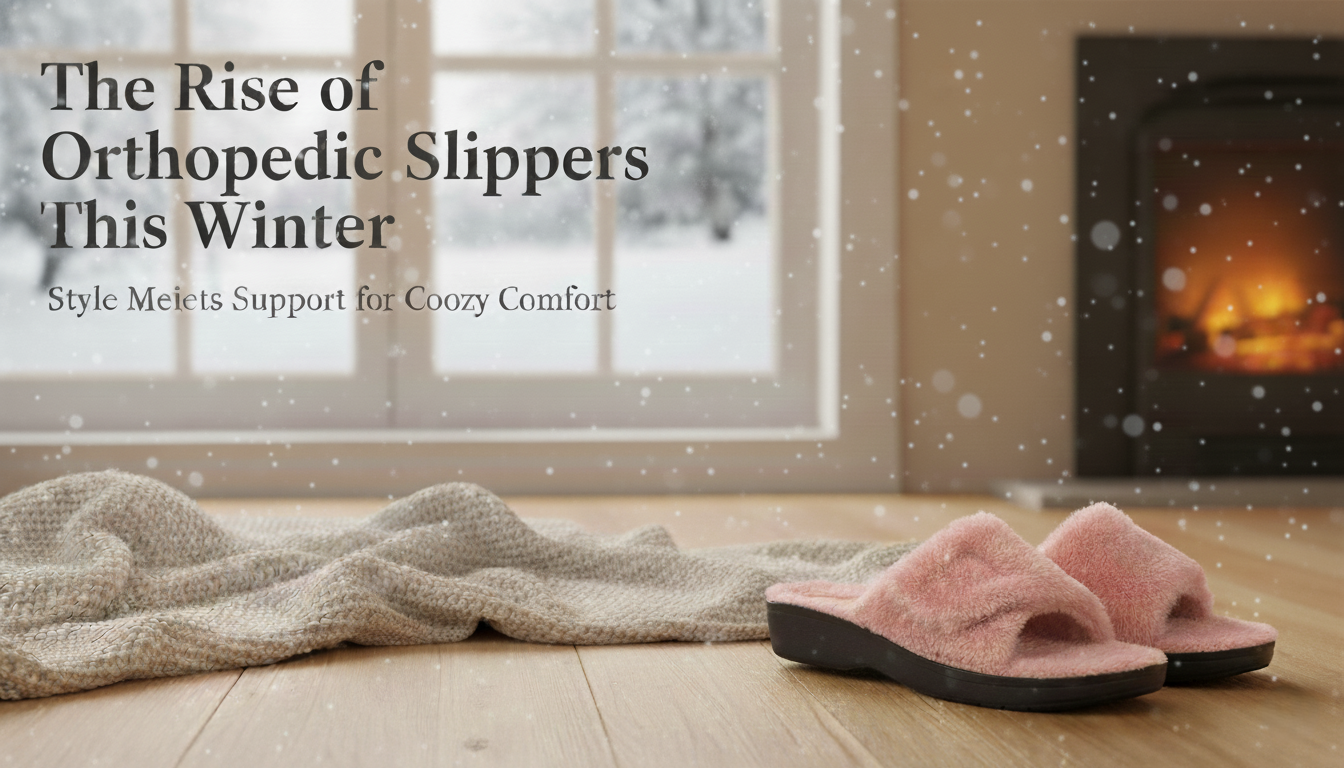
It is designed to deliver warmth and stability - it has a supportive contoured footbed, a plush faux-fur lining for warmth and security of a sturdy welcome mat that feels anchored to the ground. This one design embodies the soft feel of ladies soft slippers with the anatomical soundness of true orthopedic footwear.
Unlike common women's winter slippers that lose their shape or are too heavy, Gemma keeps its balance and cushioned support through extended periods of wear. From walking around inside or relaxing on cold nights, Gemma combines the right amount of cozy with just the right amount of corrective comfort.
For women who are bored of flimsy, unsupportive indoor shoes, Gemma offers something rare — luxury that is good for health.
The Future of Supportive Winter Slippers
The emergence of orthopedic slippers is really changing the way we think about the comfort of our slippers. Comfort is no longer associated with fluff — it's about function, alignment, and well being.
As awareness increases, more women are taking the time to choose shoes that feel good over shoes that don't provide some type of support for good health. Orthopedic slippers, like Gemma, are demonstrating that indoor slippers can be warm, stable, and attainable enough for every day
This winter, focus on your comfort in a smart way. Select warm slippers for ladies that are kind to your feet while also providing gentle support. Styles such as Gemma Warm Women's Slipper represent not only the trend for indoor comfort that is cozy but also corrective, supportive, and durable.
Because comfort that lasts doesn't just feel good, it does good.