At the end of a tiring day, you arrive home, change into your favorite slippers and sigh in relief. You feel all snuggly and cozy— aber is that "cozy" benefiting your feet at all? People often have an association that wearing slippers or indoor footwear of any variation equates to comfort. However, crosses brand slippers are marketed as “comfortable” and do not provide you any meaningful support or help factoring your feet structure.
This is even more of an issue during the winter months. Cold hard floors and the cheap material used to construct your standard indoor footwear can put stress on the arches, heels and toes of your feet without you even realizing it. We will discuss: Why aren't your feet receiving the proper support in slippers or house shoes at home (indoors); the shortcomings to look for in design; by selecting the proper winter slippers for women you will receive true relief and support that lasts.
Identifying the Issue: When Comfort Becomes a Liability
Indoor shoes are intended to give your feet a break, but if they are designed without support, they can do the reverse. Our feet are constructed with 26 bones, 33 joints, and more than 100 tendons and muscles – all working together to balance the weight of our body and posture.
With a completely flat or cheaply made slipper, your arch collapses slightly each time you step, causing the heel to be under significantly greater stress. Fatigue, soreness, and possibly, plantar fasciitis will set in over time. If this occurs during a cold period, situations like walking barefoot, or wearing slipper-type shoes with no support, on cold tiles will tighten ligaments and limit circulation.
Many women’s winter slippers do offer some protection, but prioritizing warmth over structure may hinder foot health. A padded lining may feel comforting initially, but the lack of arch support, slippery bottoms, and lack of cushioning will remain an issue. The 2024 Foot Health Guide by Harvard Health Publishing points out that footwear that does not offer midfoot and heel support can lead to chronic pain, whether you are indoors or out.
The Unseen Causes of the Discomfort

The problem is larger than the actual softness of your slippers. There is more to it.
1. Flat Footbeds and No Arch Support
As is true with most indoor shoes, there's a flat footbed. Although it may feel comfortable at the beginning, people's feet are not naturally flat. Without any foot contour that reflects your arch, your foot will overpronate -- roll inward, putting stress on the knees, hips and back.
2. Cheap, Synthetic Materials
Most fuzzy slippers for women use synthetic products that trap heat and moisture. Over time, bump up sweating and odor, and worst, the inner padding gets weak. Additionally, synthetic soles when exposed to cold temperatures can sometimes retain their flexibility and less insulation effect.
3. No Heel Cushioning
When that heel padding wears down, every step sends a little micro-shock through your joints. Repeatedly shock can be enough to ignite heel pain or even Achilles discomfort. This is exacerbated in winter for most, since ligaments tighten in the winter.
4. Slippery Soles and Less Grip
Indoor flooring or tiles, particularly with wood, can also be very slippery in the colder months. Most of the ladies soft slippers also come with smooth bottoms, which can increase the risk of slips and falls. Slips and falls are one of the most common home injuries in winter days.
All of these issues come from one misconception that indoor footwear can be unsupported like slippers, while outdoor shoes do need support. Your foot doesn't know the difference; it merely responds to the material underneath it.
The Purpose of Footwear Materials and Design:
A great pair of warm slippers for women is not just about fuzzy insides or cute designs. The science behind comfort has to do with the materials, structure, and ergonomics.
So let's identify specific features of supportive indoor footwear:
1. Contoured Footbeds with Arch Support
Supportive footbeds distribute weight evenly and keep your arch lifted and stable.Footbeds that are mildly arched are much better than a flat-footbed. Using this mildly arched footbed reduces tension in the plantar fascia and keeps the ongoing curve of the foot.
2. Upper Materials that are Breathable but Insulating
High quality slippers use breathable materials, such as a suede, wool blend or faux fur, to help retain warmth while providing the ability for your feet to breathe. This will help regulate temperature and reduce the chance of overheating, something that typical synthetic even fuzzy slippers do not do.
3. Sole Design that is Firm yet Cushioned
The sole of home slippers needs to have enough flexibility for movement but also needs enough firmness to protect the soles of feet from cold floors. Two options that work well are soles that are EVA or rubber-based, as both work well at both of these tasks and resist compression over time. According the Mayo Clinic Footwear Insight (2024), slippers with dual density soles that use soft material in the inside and firm in the outside, provides the benefit of cushioned comfort with stability.
4. Non-Slip Outsoles
Textured rubber outsoles provide traction and prevents slipping. Non-slip outersoles are especially important in homes with smooth floors or for elderly users.
5. Heel Cup Support
Some slippers feature a slightly raised or cupped heel to help keep the foot stable, which may help reduce fatigue for prolonged periods in the home. Many podiatrists will also agree that heel support is one of the most underrated features of footwear worn in the home.
So, do not think about women’s winter slippers only as warmth, but rather think of the balanced engineering required for slippers that are soft, supportive and stabilizing.
Preventative and Daily Care Tips About Protecting Your Feet At Home

Your feet carry you around all day, even when you are just moving around inside your house. Here are some simple but effective steps to keep your feet healthy in the winter season:
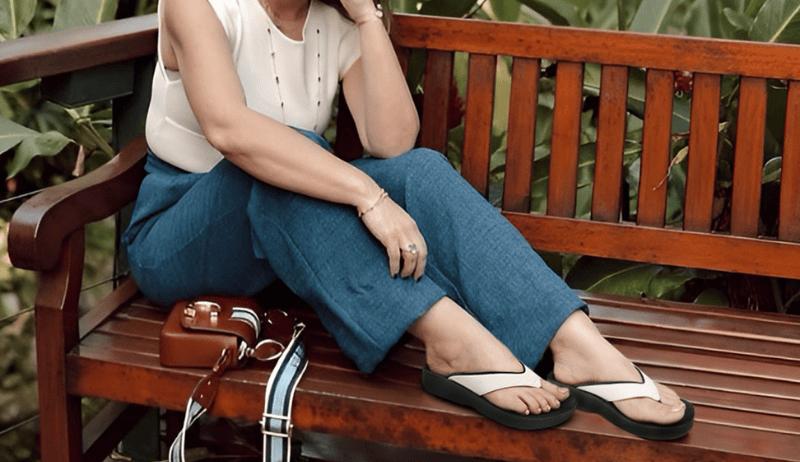
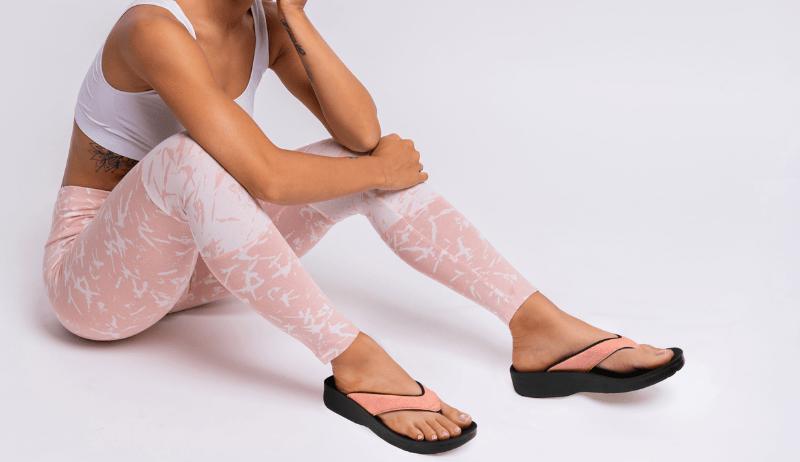
1. Rotate Between Slippers and Supportive Sandals
Wearing slippers all day can restrict airflow and flexibility. But, trying to wear supportive sandals when you can, like cushioned fuzzy slippers for women, can rotate the wear and tear on whichever pair you choose.
2. Stretch Your Feet Every Morning
Cold muscles are prone to strain. Gentle toe curls, calf stretches, and rolling a tennis ball under your arch for one minute can help improve blood flow and relieve tightness.
3. Keep Your Feet Warm but Dry
Moisture is the enemy of being warm. If your slippers have moisture wicking materials on the lining it will help to prevent dampness. After a shower, make sure your feet are completely dry before putting on your closed slippers.
4. Replace Worn-Out Pairs Once a Year
Even the best slippers will get flat after being worn for an extended period. If the arch contour is clearly flat or the inner lining has thinned, it may be time for a new pair of slippers.
5. Massage and Moisturize Your Feet
At bedtime you could use gentle massage oil, or lotion, to keep the skin supple. Healthy skin on your feet adds yet another layer of natural protection against cold, and cracking.
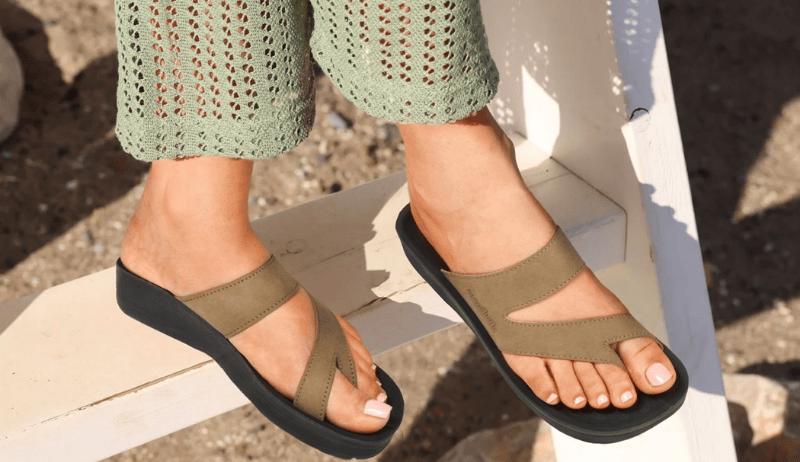
The Best Indoor Slipper: The Gemma Warm Women’s Slipper

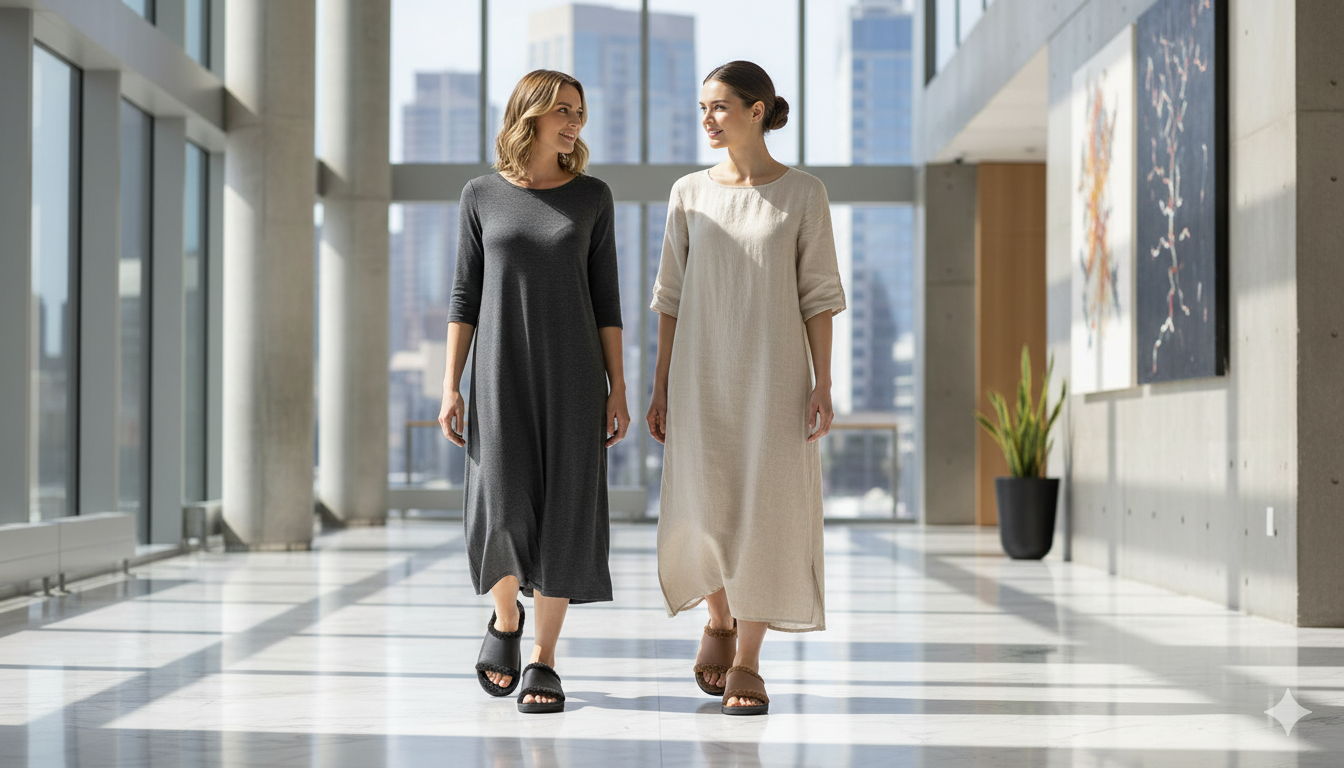
If you're looking for a pair of ladies soft slippers that offer both warmth and real orthopedic support, the Gemma Warm Women’s Slipper is for you.
With a plush faux-fur lining designed for winter months, this slipper retains heat without getting too hot. The contoured footbed encourages natural arch alignment while using a sturdy outsole to provide non-slop safety, which helps when walking on tiled or wooden floors.
Most women's winter slippers will collapse under foot weight, but Gemma keeps its shape while providing stable heel cushioning. It can be used in various ways around the home, including during brief outside trips or even working from your living room, with reliable warmth and relief for tired feet.
It shows you don't have to sacrifice comfort for support — you can have both in a beautiful combination.
Reimagining Indoor Comfort
It’s easy to think of slippers as an afterthought, but your feet rely on them more than you realize. Poorly designed indoor shoes can lead to long-term discomfort, stiffness, and strain — especially in winter when the cold amplify every flaw.
Investing in the right warm slippers for women means investing in your daily comfort and health of your joints. The Gemma Warm Women’s Slipper is not only supportive, breathable, ergonomic, and warm, but it warms you foots, versus numbing your feet.
Let your comfort be intentional this winter — not incidental. After all, true comfort begins from the ground up.