It seems that with all of the familiarity wearing the same shoes every day provides, it is easy to feel like it is perfectly fine to continue wearing the same pair of shoes each day. The idea of sticking to a comfortable and supportive pair of shoes is typically the safest option. Unfortunately, this does not promote foot health in the long run. Wearing the same pair of shoes repeatedly contributes to imbalances and strain even with supportive shoes.
Our feet are in motion, and wear and tear occur through a variety of ways. When a pattern of movement is repeated, muscles within the feet will work harder and be more fatigued as a result. Over a longer period of time, this will lead to an imbalance that will result in pain and discomfort that may not necessarily have an obvious cause.
Rotating footwear is very important when it comes to developing the long-term comfort and mobility of your feet.
What Variety Means for Foot Health
When taking steps, the foot's muscles, tendons, and joints engage each other in a variety of ways. The type of footwear selected will have an effect on how these parts of the body will develop over time. Wearing the same type of footwear over and over again can result in a repetitive motion that will occur thousands of times.
Wearing the same type of footwear can contribute to the natural adaptability of the foot to be lessened and eventually cause the foot to rely on footwear to primarily provide balance and support rather than allowing the foot to maintain its own strength. This will also lead to fatigue, stiffness, and a different style of walking than normal.
The health of your feet improves when you allow for variety in the way you move.
Supported Footwear is Critical
If you want to be properly supported, wear shoes that provide the appropriate amount of support. It is impossible to find one type of shoe that would be equally supportive for every foot type. Some shoes have greater heel support than forefoot support and vice versa.
When an individual consistently wears the same shoe(s), their feet are placed in that same position and under the same stressors repeatedly. Over time, as shoes adapt to the foot's shape, the shoe's ability to support the foot progressively becomes more limited and as a consequence; some areas of the foot become overloaded, while others are underloaded.
Therefore, when talking about "rotating" shoes; it is not about eliminating the use of quality shoes, but instead creating a more even distribution of punishment on different types of shoes.
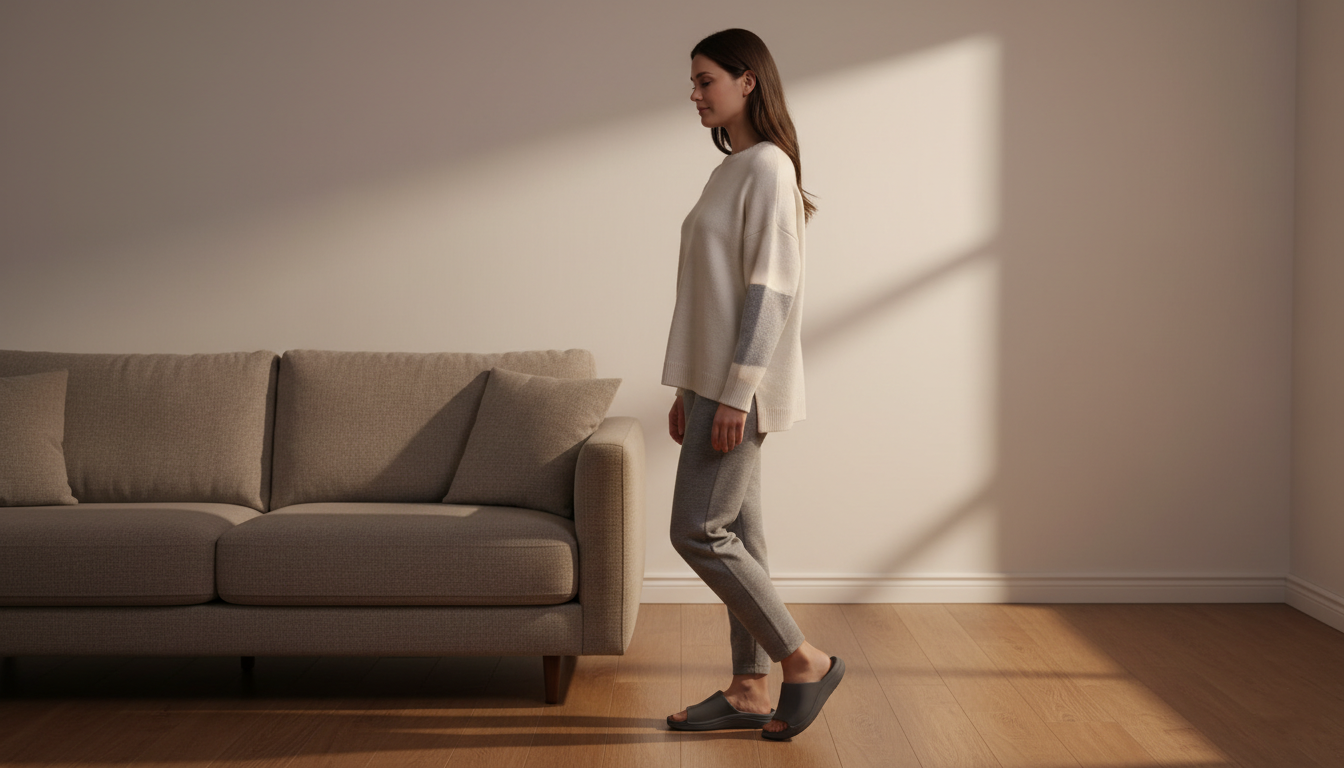
They are convenient, and easy to get in and out of, is the slip-on style. Slip-ons work well for running errands, casual and professional wear. Therefore, if an individual continually wears slip-on clogs, they will develop a dependency on only using one style of shoe.
Convenience in one's lifestyle should enhance one's ability to use the best possible mechanics of the foot.
Comfort Masks Over Usage

Feeling comfortable in your shoes may give you a false sense of security; therefore, you may not be aware of minor pain or tightness in your foot when wearing a comfortable shoe.
Comfortable shoes, like women's comfort clogs, provide relief from excessive pressure on your foot; however, when worn on a daily basis, the same part of the shoe puts constant stress on the same area of your foot.
Combining comfort with variation of shoe style will help ensure the safety of your feet.
Slowly developing Material Fatigue
Shoe materials have the same response to stress as the human body. Due to constant compression, shoe footbeds and uppers deteriorate unevenly.
Natural materials deteriorate in a more predictable way over time, but they're still subject to daily use.
By switching between Women's Leather Clogs styles, the materials will have enough time to recover their natural state after use.
Why Footbeds Require Recovery Time
Footbeds undergo compression from the weight of the body and then return to their original size. The constant use of a footbed keeps it from fully returning to its uncompressed state, which decreases its ability to absorb shock over time.
When the footbeds are not allowed to return to their uncompressed state, there is less ability to disperse the weight as it was intended, leading to increased weight and stress on the heel and arch of the foot.
By frequently using different Clogs with Cork Footbeds, footbeds will be able to return to their natural state.
Changing Foot Mechanics With Repetition
The foot adapts to whatever environment it is subjected to on a frequent basis. Wearing the same pair of shoes repeatedly alters the position of the foot to the same degree every time.
Eventually, repeated use of the same pair of shoes results in very slight changes in the position of the foot, affecting how force travels through the foot and up the kinetic chain.
Frequently wearing different pairs of Clogs with Footbeds will allow the foot to have a more diverse range of motion.
Variations in Style Provide Constructive Balance
The foot is affected differently, based on the style of the footwear. Changes in both the shape of the sole and the design of the upper will alter how the muscles engage.
The Minor Changes Provide A Means To Avoid The Excessive Use Of Particular Structures On An Ongoing Basis
The use of differing styles (such as rotating in ladies suede clogs) creates additional flexibility to promote balance in movement.
Adjustable Fit Will Reduce Daily Stressed
The way a shoe fits is critical for how stress will be distributed throughout the foot. When a shoe has no means of adjustability, there may be times when slipping of the foot in the shoe occurs among other issues (pressure build-up).
By including adjustable features, users have the ability to adjust the fit to the degree of daily swelling and level of activity.
Shoes with a buckle strap design are particularly well-suited for this purpose designed for rotation.
The Support Demand of an Arch will Change Over Time
As the feet tire, become active or dependent upon surfaces that offer a specific range of support, what feels supportive in the morning will feel inadequate by evening.
By working with the same support level each day, you are ignoring the daily fluctuations that your arches may undergo.
The use of rotating slip-on shoes that offer arch support allows your foot to work on the same support benefits without overloading the same area repeatedly.
Support is needed for open sandals
Open sandals are chosen for comfort, but because they have the least structure, this requires the most of your foot muscles. A person that wears open sandals regularly may have discomfort and/or instability in their feet.
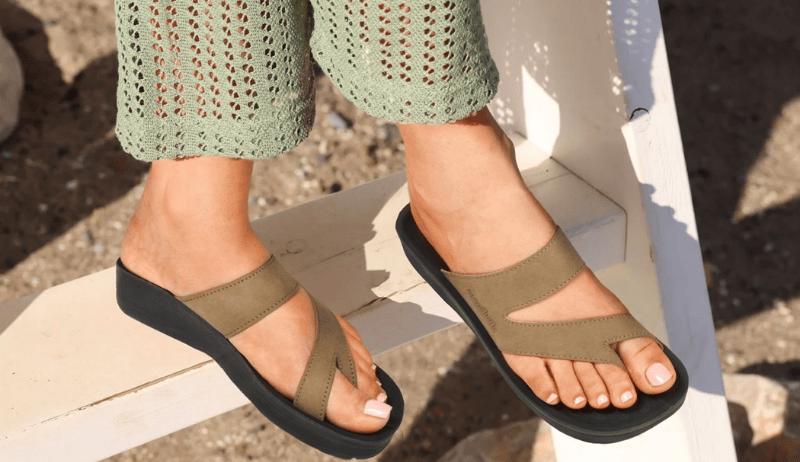
Wearing leather clogs and/or other types of sandals may provide additional support when balancing support with the freedom of movement from an open sandal.
Seasons will require different sandals.
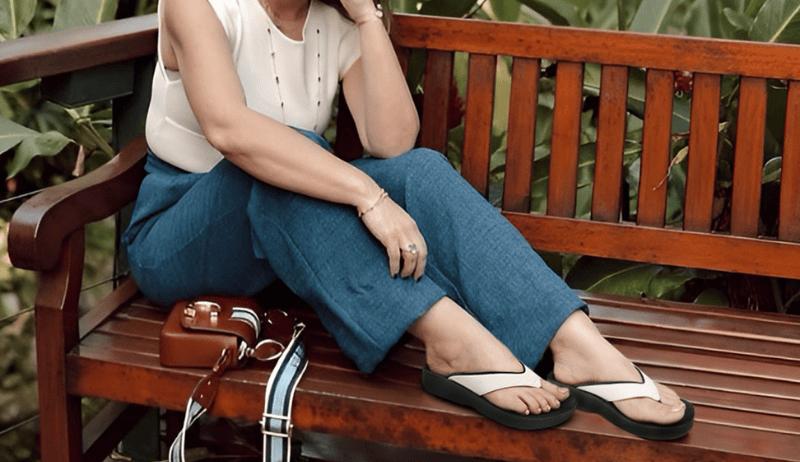
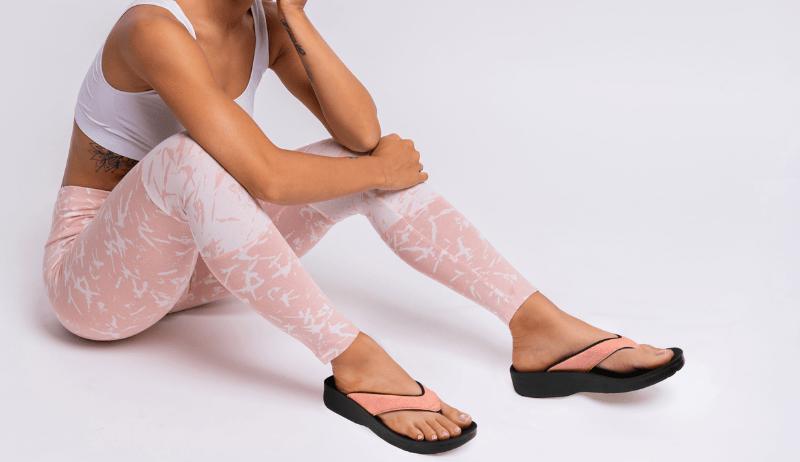
When wearing sandals in warmer months, a person tends to wear them for many hours at a time. This places cumulative stress on the feet and ankles. Supportive types of sandals should not be the exclusive type of sandal worn.
When using orthopedic sandals with other styles of sandals, the health of your foot mechanics is better protected.
The Untruth of the "Best One Shoe for Every Day"

Many people are continuously looking for that best shoe. This way of thinking fails to recognize how our body works best with a variety of different footwear. Even the most well-designed shoe cannot accommodate all possible functional needs for each day.
A comfortable and supportive women's clog is at its most effective when paired with other supportive options.
Why You Will Be More Comfortable In The Long Run
By rotating your sandals, the distribution of pressure on your foot is spread across a greater amount of tissue. This reduces the chance of developing overuse injuries. Additionally, rotating your sandals increases the lifespan and helps the materials in your sandals to rest and recover.
By alternating between your sandals, you benefit from the contribution of all sandals and get much more use out of each sandal.
Foot Health is Built Daily via Daily Decisions
Your foot health depends on what you do every day; the way you care for your feet every day is what will ultimately create healthy feet. What you wear the majority of the time will affect your foot health significantly more than what you wear only occasionally.
Small changes to how and when you rotate your footwear will lead to long-term benefits.
Routinely caring for your feet supports and promotes proper body function. Likewise, having a diverse collection of footwear allows for increased strength, balance, and resiliency for your feet.
Changing Up Your Daily Footwear Routine
The comfort of wearing the same shoes every day can be deceiving, as this uniformity may limit the ability of your feet to move in a healthy fashion. Having a diversified footwear wardrobe allows you to build strength, balance, and resiliency in your feet.
Your footwear should provide support and promote the natural adaptability of your feet.
Your feet are meant to move, not be restrictively conditioned to perform during repetitive movements.
Healthy Feet Require Change
The issue with wearing the same shoes each and every day is not about the quality of the footwear, but about repetitive wear on your foot structure. Even very high-quality footwear can restrict and limit your foot structure's potential for optimal development.
By regularly changing and rotating supportive footwear styles you can provide added protection to your foot structure, reduce the amount of fatigue experienced by your feet, and maintain long-term comfort.
Healthy Feet Improve When Encouraged With Thoughtful Variety, As Opposed to Rigid Daily Habits.