Most people see shoes as something needed every day, a way to look good, or what feels good on their feet. But hardly anyone thinks about how shoes change their body over a long time. But it's easy to see and often forgotten: the shoes you wear again and again don't just fit your feet, they actually change over time. The shape of your foot isn't set in stone, and the shoes you choose over many years can slowly change how your foot lines up, where the pressure is, how your muscles work, and even how your bones sit.
This is really important for women, because the shoes they can buy often care more about style than how the shoe is built. Shoes that are tight around the toes, have thin bottoms, and don't support the arch of your foot might seem okay for a little while, but they can really add up and cause problems. If you know how shoes change your foot shape, you can make better choices to keep your feet comfy, able to move, and help you stay active as you get older.
This article looks at how wearing certain shoes for a long time changes your foot, why these changes happen, and how picking the right shoes can help keep your feet healthy and in their natural shape for many years.
How the Shape of Your Foot Changes Over Time
Feet are made of many parts like 26 bones, lots of joints, muscles, ligaments, and tissues that hold everything together. While your genes decide the basic shape, how you use your feet every day decides how that shape changes. When your foot feels the same pressure over and over, it changes to match that pressure.
Shoes that don't let your foot move or change how you walk can change how your weight is spread across your foot. Over many years, this can change how high your arch is, how your toes line up, and how steady you feel. What starts as just being a little tired can turn into pain that doesn't go away, changes you can see, or not being able to absorb shock as well.
The most important thing to know is that the shoes you choose to wear for a long time are like a constant force from the outside. This force can either help your foot move naturally or slowly work against it.
How Arch Support Helps Keep Your Foot Strong
The arch of your foot is made to act like a spring that moves. It squishes down when you put weight on it and bounces back when you move, which helps take the shock and push your body forward. Shoes that don't help this spring work make the arch have to work harder than it should.
Over time, arches that don't have support might start to fall down from being strained too much. This makes your foot longer, changes how your ankle lines up, and puts too much pressure on your knees and hips. Also, shoes that are too stiff can make the muscles in your feet weaker because they can't move like they should.
Good shoes with arch support can help by keeping the middle of your foot steady while still letting it move like it's supposed to. This kind of support helps keep your foot from getting tired over a long time without stopping it from moving.
How Your Toes Line Up and What Happens When They're Squeezed

One of the biggest changes you can see from wearing shoes for a long time happens in your toes. Shoes that are tight or pointy slowly push your toes inward, changing how they naturally spread out. Over time, this can cause bunions, hammertoes, and irritated nerves.
Your toes are very important for keeping your balance and helping you move forward. When they're squeezed or not lined up right, your foot makes up for it by putting pressure somewhere else. This often causes pain in the front of your foot, calluses, and changes in how you walk.
Footwear that allows your toes to spread out naturally helps keep the front part of your foot healthy and lowers the chance of foot problems. This is really key for people who are on their feet a lot during the day, especially on hard floors.
Cushioning Versus Support: Understanding the Difference
Many shoppers think that if something feels soft, it will be comfy and keep them safe. Although soft padding can make impacts feel less intense, it might not actually help support your foot's structure. Too much softness can make you less stable, forcing your muscles to work harder to stay balanced.
Good shoes spread pressure out evenly across your foot and help keep your feet properly aligned. This cuts down on stress in one spot and stops you from putting too much pressure on certain joints. The aim is not to stop you from feeling anything, but to help you move in a good way.
Footbed Clogs are made to give you support that fits the shape of your foot. This design helps keep the pressure even when you wear them for a long time.
Material Matters: How Construction Influences Foot Health
The stuff that shoes are made of really affects how they feel on your feet over time. Fake materials might feel light at first, but they often don't last or change shape well enough to wear for a long time.
Natural materials change in response to your body heat and how you move. They usually mold to your foot over time, making a more personal fit that stops rubbing and pressure spots. This helps your feet move in a healthier way for longer.
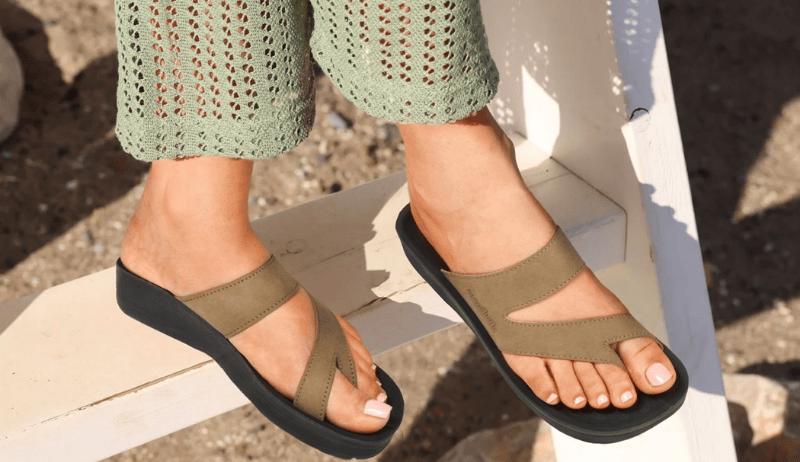
Genuine Leather Clogs let your feet breathe and can bend easily, which helps them fit your foot even as it changes shape slightly, without forcing it into a weird position. Over time, this causes less stress on your soft tissues and joints.
The Long-Term Impact of Poor Shock Absorption
Every time you take a step, the force travels through your feet and up your body. Shoes that don't absorb shock well send this force straight to your bones and joints. Over many years, this can lead to joint problems, strained plantar fascia, and lasting heel pain.
Good shock absorption doesn't mean that shoes have to be super soft. It means they control how the energy spreads out, which keeps your tissues safe without making you unsteady. Shoes with soles made well help control impact while still letting you walk properly.
Cork Footbed Clogs are especially good at soaking up shock while staying strong. Cork naturally squishes and bounces back, which helps keep your joints healthy for a long time.
Foot Shape Changes and Aging
As we get older, the stuff in our feet naturally gets less stretchy. The bands that hold our bones together become less strong, the pads of fat get thinner, and our muscles get weaker. Bad shoe choices make these changes happen faster, often causing pain and making it harder to move.
Wearing shoes that don't give you enough support for a long time can make your feet longer, your forefeet wider, and your arches fall. These changes make it harder to find shoes that fit well later in life and make you more likely to fall.
Supportive designs like women's clogs with arch support help keep your feet aligned as you age by putting less stress on the parts that are getting weaker. This helps you stay independent and sure of yourself when you move around each day.
Why Consistency Matters More Than Occasional Wear
Many have shoes that help their feet but don't wear them all the time. Sadly, wearing them sometimes doesn't fix the harm from bad shoes worn daily. Feet change shape from what happens again and again, not just once in a while.
Wearing the right shoes all the time is how to keep your feet working well. If you wear shoes that help your feet most days, you help your body move the right way and lower stress over time.
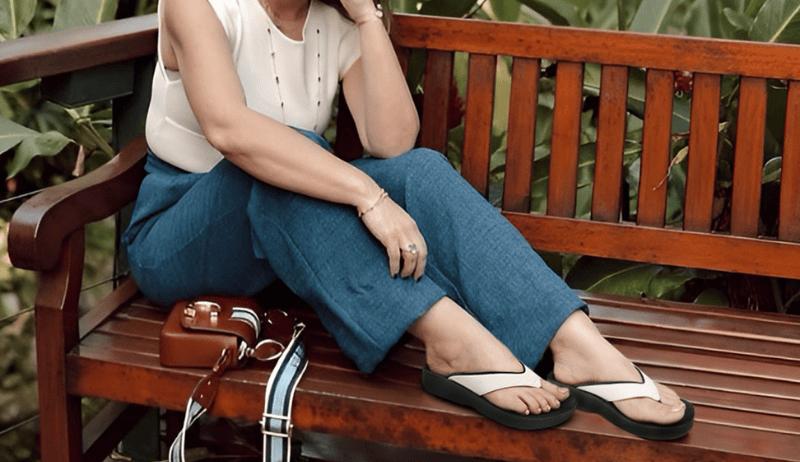
Comfort shoes for women are often picked because they are easy to wear, but they really help because they support your feet all day long.
The Psychological Side of Foot Comfort
When your feet hurt, it affects more than just your body. Ongoing pain changes your mood, how much you get done, and if you want to move around. Over time, people might move less to avoid pain, which makes them less healthy.
Shoes that help your feet make you want to move because they hurt less. When walking feels steady and good, people will likely stay active and do things each day.
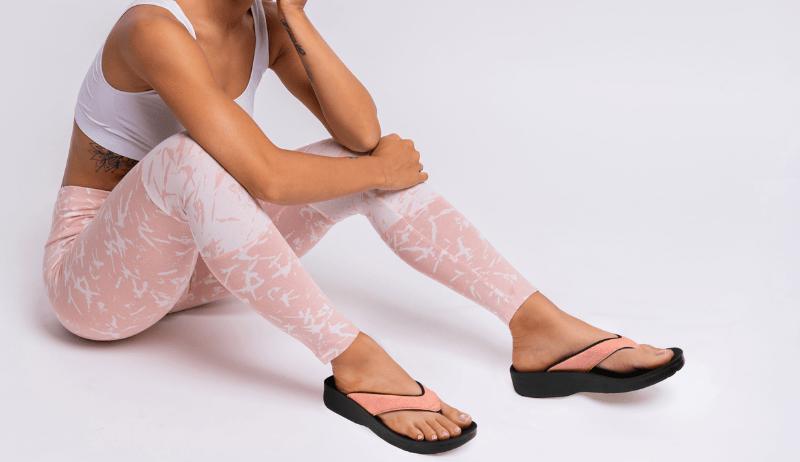
This is where women's shoes with support for the arch of the foot really help, giving steadiness that helps both your body and your mind feel good.
Choosing Shoes That Respect Natural Foot Shape

Good shoes work with your foot, not against it. They give strength where it's needed and let your foot move where it should. This balance helps keep your feet healthy for a long time.
Important parts of good shoes are footbeds that fit the shape of your foot, heel cups that hold your heel steady, enough room for your toes, and materials that bend but don't fall apart. These things help keep your feet in the right position over many years.
Shoes that fit your feet well lower the chance of foot problems and long-term pain, so they are a key thing to buy, not just something extra.
A Preventative Approach to Foot Health
Foot problems usually don't just appear. They happen slowly from repeated stress and not enough help for your feet. The good thing is that picking shoes carefully can stop many common problems before they start.
Buying shoes that help your feet isn't just about fixing harm, it's about keeping them working well. By picking shoes that help you move right, you keep your feet safe from extra stress and make sure they feel good for years.
Shoes with cork footbeds and other helpful designs are a way to take care of your feet that matches comfort with how your feet are built.
Shoes Shape More Than Style
What shoes you wear for a long time does more than just change how you look. Shoes change how your feet work, how your body moves, and how good you feel each day. Over time, these things add up, changing your feet in ways that last.
By knowing how shoes and feet work together, you can pick shoes that keep you healthy for years. Picking shoes that focus on how your feet line up, how well they are supported, and how naturally they move helps keep your feet in good shape and stops pain you can avoid.
Good shoes are not just a fad. They are key to moving well your whole life.