Feeling good in shoes is often misunderstood. Just because a shoe feels soft or nicely padded doesn't always mean it's "good" for your feet. Actually, that initial good feeling can fool you. Many shoes aim to make pain go away for a bit without fixing what's really causing it. Over time, ignoring support for the sake of comfort can make foot problems worse without you knowing it.
Knowing the difference between short-term relief and actual support for your feet is key if you often have foot pain, feel tired, or are unsteady. It's also important for those who think they're taking care of their feet but still have issues even when wearing "comfortable" shoes.
This piece will explain how quick relief works, why it often doesn't, and what real support truly means from a foot and body movement standpoint. Most importantly, it will show how choosing shoes wisely can keep your feet healthy long after that first comfy feeling wears off.
Why Quick Relief Feels So Nice at First
Quick relief tries to lessen feeling instead of fixing structure. Soft padding and bendy soles are made to lessen pressure and soak up impact. When achy feet settle into a padded area, nerve signals calm down, and pain seems to lessen almost right away.
This feeling can be very pleasing after long days of being on your feet. The foot feels supported rather than strained, which makes you think the issue is fixed. But, what's happening underneath tells a different story.
When padding squishes down under your weight, it doesn't help your foot line up correctly. Instead, it lets the foot fall into its weak spots. For those with flat feet, plantar fasciitis, or overpronation, this can mean more stress on ligaments and tendons even if it feels better for a little while.
The relief does happen, but it's not complete. Lessening pain without fixing structure often delays the right treatment while the real problem gets worse.
The Long-Term Problems with Hiding Foot Pain

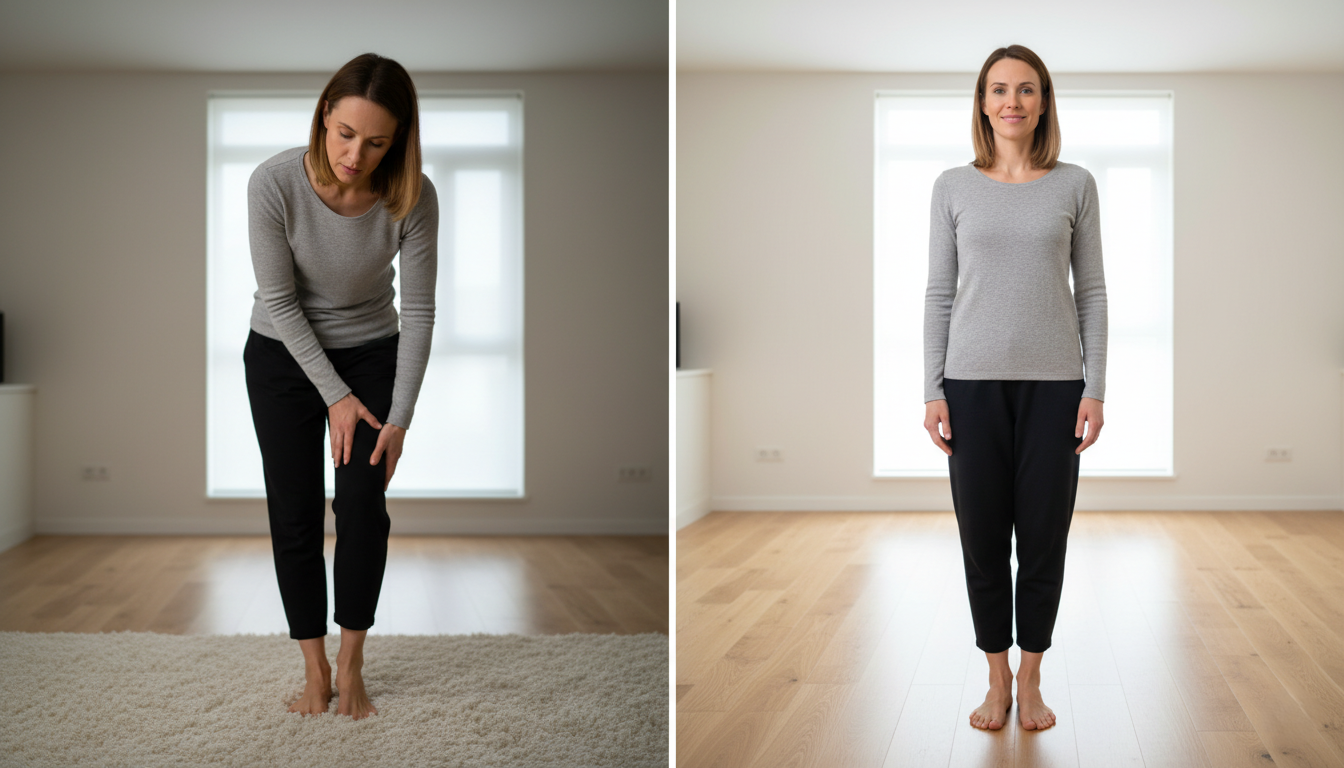
Pain is a sign, not the actual issue. When shoes only focus on quieting that sign, the body loses a key warning system. This is why people often say their foot pain got "suddenly" worse, even though changes were happening slowly.
Always wearing unsupportive shoes can cause arches to fall, heels to get inflamed, and joints to get out of line. The foot's muscles have to work too hard to keep movement steady, which causes tiredness and small injuries. Over time, this stress can move up, affecting ankles, knees, hips, and even the lower back.
Many people switch between comfy shoes, hoping to find lasting relief. Without real support, the problem keeps happening. Feeling good for a bit becomes a need instead of a fix.
This is where the idea of real foot support comes into play.
What Real Foot Support Actually Means
Real support for your feet is not about how soft something feels. It is about how it is made, how it lines things up, and how it controls movement. Shoes that give good support work with how your foot is built, instead of just making it feel cushioned.
Your foot has three curved parts that work together to soak up hits and spread out weight. When these curved parts don't have support, stress builds up in certain spots, like your heel or the ball of your foot. Good support helps your foot stay in its normal shape when you move, which lowers stress on the stuff that connects things.
Shoes that give good support also keep your heel and the middle of your foot steady, which stops too much movement that can cause injuries from doing too much. Instead of letting your foot go flat or turn too much, it helps your foot move in a healthier way.
This is why shoes that really give good support often feel different when you first put them on. They might feel harder or more put together because they are working with your foot, instead of letting it fall apart.
Why Support Feels Less Comfortable Initially
One reason why people have a hard time switching from soft shoes is that support can feel strange. When your foot has gotten used to falling down, support that is built in makes it push back. Muscles that were not used much might suddenly start working, which can make you feel a little uncomfortable as you get used to it.
People often think this feeling means that the shoes are not right for them. But really, it is like how you feel when you stand up straight after slouching for years. Your body is being put in a better position, and it takes time to get used to it.
Real support should never make you feel a sharp pain, but feeling a little different or tired as you get used to them is normal. Over time, many people feel like they can do more, feel less pain, and feel more steady overall.
Where Many Footwear Choices Fall Short
Today's shoe market cares most about how things look and how good they feel right away. Many shoes use lots of soft padding to feel great, but they don't really have support built in. This sells well because it is what people think of when they want something comfortable.
But, not all shoes that say they give support really meet the rules for how your body moves. What the labels say and what is popular can be wrong, so it is more important to know how something is made than what the ads say.
For example, sandals that are made for your feet are often thought of as something you need for a medical problem, not for feeling good over a long time. But really, ones that are made well can give you support every day while still being comfortable and lasting a long time.
The hard part is knowing which shoes only look like they give support and which ones really protect how your foot works.
Supportive Footwear and Daily Wear Reality
Shoes are not worn by themselves. They are part of what you do every day, like standing, walking, and moving the same way over and over. Support has to be there all the time to work well. Wearing shoes that give support sometimes, but spending most of the day in shoes that don't, won't help much.
This is really important for people who wear casual or open shoes when it is warm out. Many people think that sandals don't give much support, which means their feet are not as healthy for months.
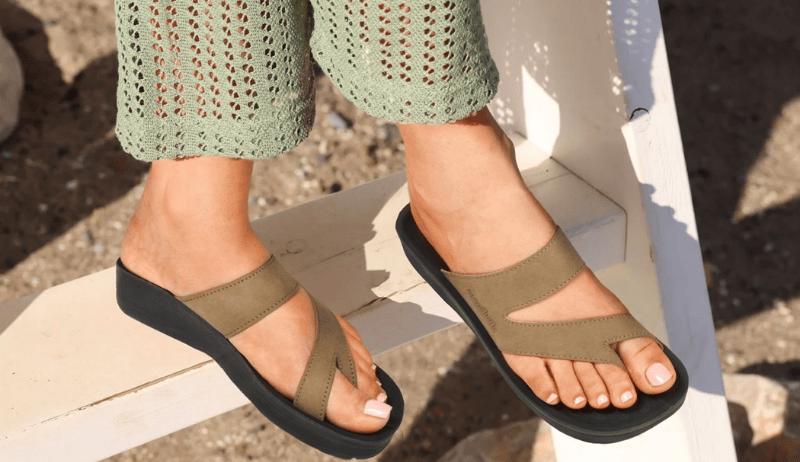
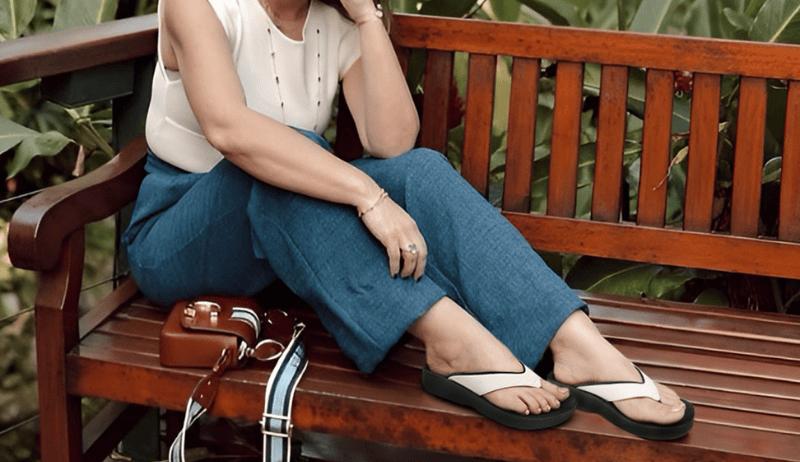
Well-constructed orthopedic sandals for women address this gap by combining open design with structural integrity. When built correctly, they offer arch stability and heel control without sacrificing breathability.
Having support that is always there is one of the most missed things about keeping your feet healthy.
The Role of Arch Support in Long-Term Foot Health
Arch support isn't about making the foot take on a shape that isn't normal. It's about making the foot's normal shape stronger so it can work the way it should. If it isn't made stronger, the plantar fascia and inner foot muscles take on too much stress.
Shoes that help the foot share pressure evenly across the whole foot, lowering how much stress there is in one place. This really helps people who often have pain in their heel or get tired in the middle of their foot.
Orthopedic sandals for women with arch support are made to keep the foot straight even when worn for a long time. Instead of getting flat when pressure is put on them, the arch stays strong, helping the foot move how it's supposed to.
Over time, this strength can make swelling go down and make you feel better overall when you're doing things every day.
Can Supportive Footwear Be Stylish?

One of the biggest wrong ideas about shoes that help your feet is that they must look like they're from a doctor's office or old-fashioned. This idea stops many people from picking choices that are better for them.
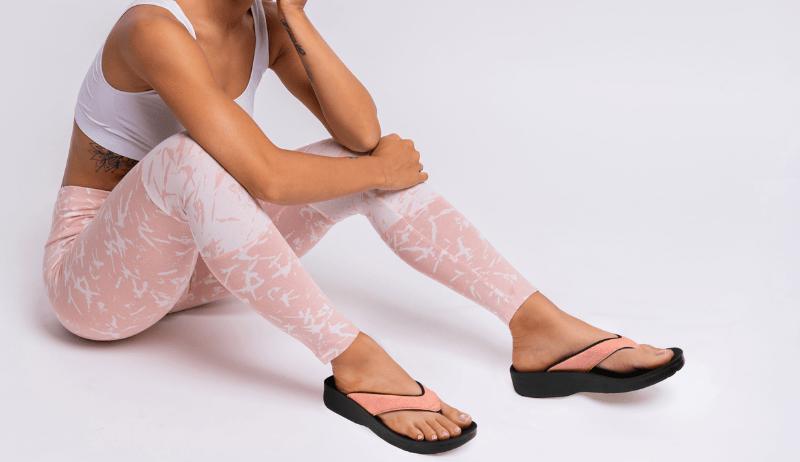
New ideas in design have changed this a lot. Stylish orthopedic sandals now have features that help your feet but still look modern. Careful materials, smooth shapes, and nice details let support and beauty go together.
When support is part of how the shoe is made and not just added on later, the design doesn't have to be worse. This change makes it simpler for people to think about their foot health without feeling like they can't look good.
Shoes that help the body should also help you feel good about yourself.
Temporary Relief vs Real Support in Everyday Terms
Temporary relief is similar to taking medicine for pain. It makes the problems feel better but doesn't fix what's causing them. Real support is more like going to physical therapy, slowly working to make things work better and be stronger.
Both are useful, but they don't do the same thing. Only using ways to get temporary relief often makes the problems come back. Real support takes time and doing it regularly, but the good things last longer.
Knowing this difference helps people choose wisely instead of trying to find comfort that doesn't last long.
Making Better Shoe Decisions Going Forward
Selecting shoes that offer good support does not mean you can't be comfortable. It means you need to think about comfort in a different way. Real comfort means having shoes that are stable, last a long time, and keep you from getting hurt later.
When you are picking out shoes, think about how they will support your foot all day, not just how they feel when you first put them on. Find shoes that are well-made, carefully designed, and made of materials that will stay strong for a long time.
Taking care of your feet is something that builds up over time. What you choose to do every day affects your feet in the long run more than any one thing you might do to fix them.
Support Is an Investment, Not a Sacrifice
Feeling good for a short time might seem nice, but it usually does not fix ongoing foot issues. True support does its job without you noticing, keeping your feet lined up correctly and lessening stress before pain gets really bad.
By knowing the difference, people can stop focusing on feeling good right away and start working toward healthy feet that last. Shoes that offer good support are not a limitation; they are the basis for better movement, more energy, and a better life.
Your feet help you get through each day. They need more than just a quick feeling of comfort—they need real support that lasts.