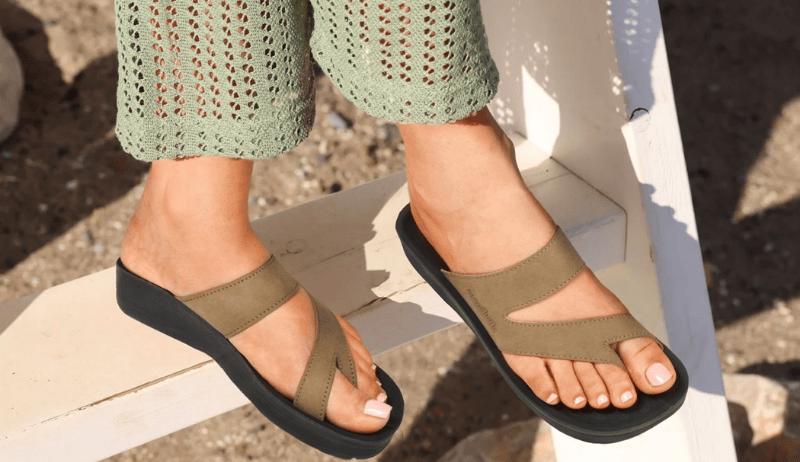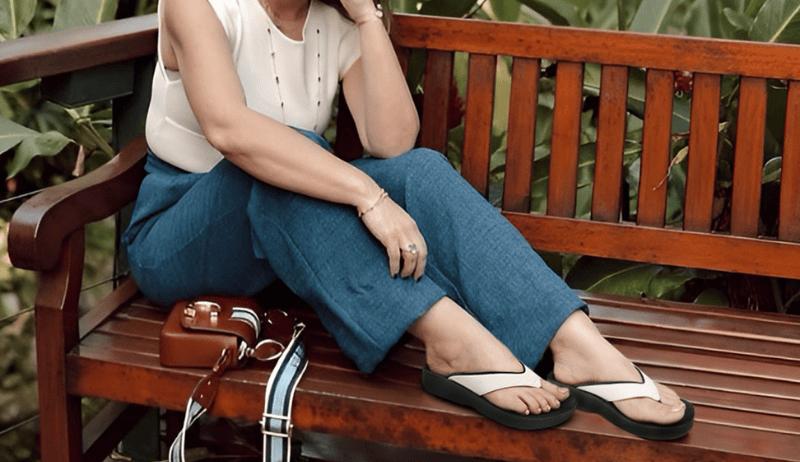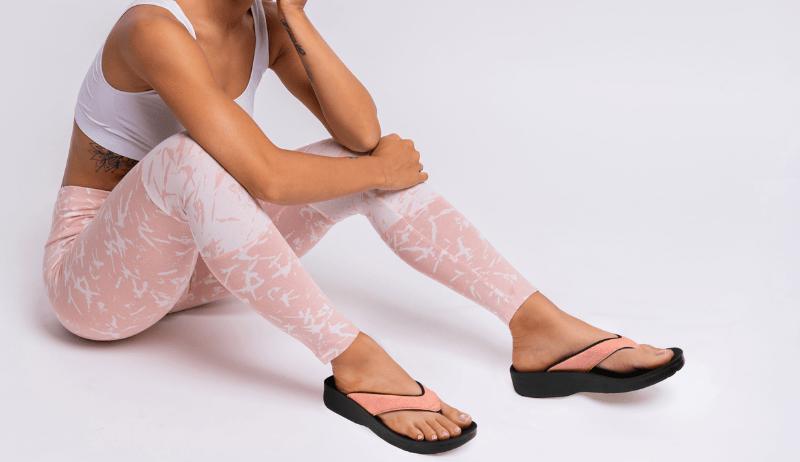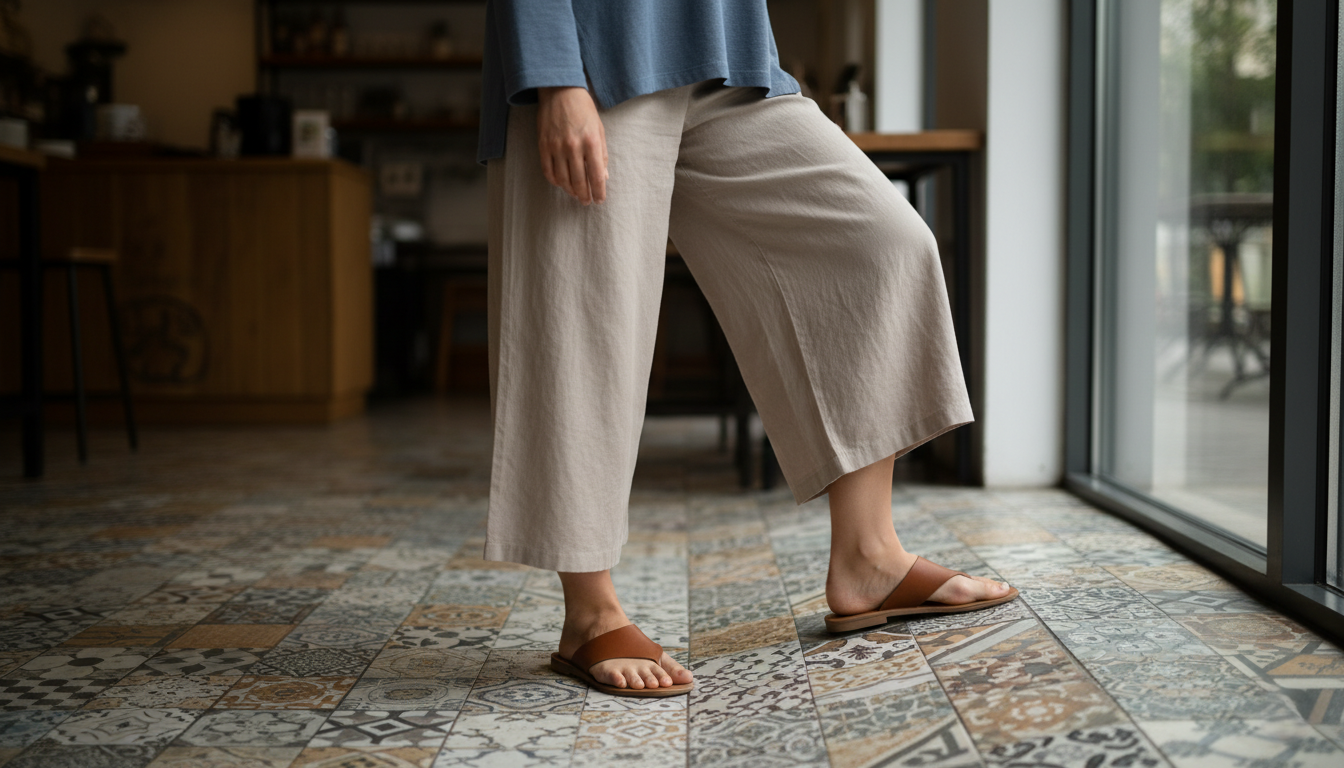
Summer shoes that strap to your feet are great for being free, letting air in, and looking good without much effort. But for a lot of people, this freedom has a secret downside. If these shoes don't support your feet well enough, your feet don't just deal with it. Instead, they change how they work, which can cause pain, tiredness, and foot problems that last a long time. Knowing how your feet make these changes is the first thing you need to do to pick shoes that really keep your feet healthy.
This piece looks at what really happens to your feet when they don't get enough support, why you might feel pain in other places besides your feet, and how picking better shoes can stop your feet from working too hard.
How Your Feet Are Naturally Made—and Why Support Is Important
Your feet are amazing machines that are made to soak up bumps, handle uneven ground, and help you move forward. Each foot has 26 bones, lots of joints, and a complicated system of muscles and ligaments that all have to work together perfectly.
When your shoes help this system work right, you move in a smooth and balanced way. But if your shoes don't have much structure, your foot has to do extra work that it's not meant to do by itself. Over time, this extra work makes small changes in how you stand, walk, and put pressure on your feet.
A lot of people only start to notice problems when they switch back to shoes that cover their feet, thinking the pain is from being stiff or getting older. But really, shoes that don't support your feet often start the problem weeks or months before.
What "Not Enough Support" Really Means in Sandals

Not all sandals are bad in the same ways. Some don't have any support for your arch, while others don't keep your heel steady or cushion it. Shoes with thin bottoms might feel bendy and light, but they let your foot move too much, which puts stress on your muscles every time you take a step.
When your heel isn't held in place, your foot slides around and twists to stay steady. When your arch isn't supported, your muscles are always working instead of resting between steps. If your shoe doesn't soak up bumps well enough, the force goes right into your joints instead of being spread out naturally.
This is why people often look for comfortable, doctor-recommended sandals after they start feeling pain, not before.
How Your Feet Start to Make Up for the Lack of Support Without You Knowing
Your body is really good at changing how it works, especially when you slowly start to feel uncomfortable. Your body starts making these changes without you noticing, and it happens little by little.
At first, the muscles in your arch get tighter to make their own support. This constant tightness makes you feel tired, like a dull ache instead of a sharp pain. As the muscles get tired, your foot starts to roll in or out to move the pressure around.
At the same time, your toes start grabbing the shoe to keep you balanced. This toe-grabbing changes how you walk and puts more stress on the front of your foot. Over time, this can cause bunions, hammertoes, or irritated nerves.
People often think these problems are just going to happen no matter what, but they're often caused by your feet making up for bad shoes over a long period of time.
Why Pain Often Appears Outside the Foot
One of the most confusing things about sandals that don't have enough support is where you start to feel bad. When your foot tries to make up for this lack of support, it rarely stays just in your foot.
When your arches fall or have to work too hard, your ankles move out of line. That movement goes up to your knees, changing how your joints work. Your hips then react by tightening muscles that help keep you steady, and eventually your lower back takes on the unbalance.
This series of events explains why someone might have knee pain or a stiff lower back and not think it has anything to do with their sandals. Shoes that don't give you enough support don’t just affect your feet; they change the way your whole body moves.
This is why foot doctors often suggest wearing comfortable, supportive sandals every day instead of just when you need to recover.
The Role of Fatigue in Long-Term Foot Damage
Feeling tired is often seen as normal, especially when it's warmer and people are doing more. But, foot fatigue that comes from making up for bad support is not the same as just being tired.
When your muscles have to stay working all day to make up for missing support, they don't work as well. Blood can't flow as well, and tiny bits of swelling build up in your tissues. Over time, this can cause problems like plantar fasciitis, tendon issues, or stress in your bones.
What makes this really worrying is that being tired makes you less aware. As your feet get tired, you don't balance as well, which makes you more likely to fall or step wrong.
This is one reason why many people say they feel a lot better after they switch to very comfortable, supportive sandals that are made to help your feet move the way they should.
Why Flat Soles Are Not “Minimalist” for Everyone
Shoes that are very simple have their place, but people often don't understand them. A flat bottom without any support inside means you need to have strong foot muscles that are in good shape to use them safely. For people who are on their feet a lot, this is too much to ask.
Sandals that bend too easily let your arches fall too much when you stand. This falling over and over again puts stress on the plantar fascia and posterior tibial tendon, which are two important parts that keep your foot steady.
Without support to fix the problem, your foot changes by getting stiff in ways that aren't natural, which means it can't absorb shock as well and puts more stress on your joints.
This is why good, supportive sandals balance how much they bend with how much support they give, instead of getting rid of support completely.
Gender-Specific Challenges in Unsupported Sandals
Women often feel the effects of not having enough foot support more strongly because of their body shape, how stretchy their ligaments are, and what kinds of shoes they've worn in the past. Wearing shoes that are too tight or have heels for years can make the muscles that keep you steady weaker, so it's harder to switch to flat sandals.
Many fashionable sandals care more about how they look than how they fit your foot, so they don't give you much control in the middle of your foot or keep your heel in place. Because of this, women often say they have arch pain, burning in the front of their foot, or tired ankles when it's warm out.
Well-made, comfortable, and supportive sandals for women fix these problems by helping your feet stay in line without looking bad, so your feet can work the way they're supposed to instead of trying to protect themselves.
Why Cushioning Alone Is Not Enough
Having just soft padding might seem nice to start, but soft padding without good structure often makes things worse. When the foot goes down into very soft stuff, it cannot push off easily.
This lack of steadiness makes muscles work more to keep you steady, so you get tired sooner. Real comfort is from moving in a good way, not from being too soft.
Good sandals spread pressure out across the foot and help it move the way it should. This means your muscles do not have to work as hard, and you save energy all day long.
This difference shows the contrast between feeling good now and having healthy feet later.
The Psychological Side of Foot Discomfort
Ongoing foot problems do more than affect how you move. They slowly change what you do. People walk less, skip activities, or hurry through things to spend less time standing.
As time goes by, this lack of movement can hurt your heart, your feelings, and how good your life is. Foot pain often becomes normal, mostly when it happens little by little.
Picking good shoes is not just a treat; it is taking care of yourself to help your body and mind.
How Supportive Sandals Restore Natural Movement

When sandals give good arch support, keep the heel steady, and bend the right way, the foot can do what it is meant to do. Muscles only work when needed, not all the time.
Good position reduces stress on the body above the foot, letting you move well once more. Many people feel better in how they stand, balance, and last after changing shoes in just weeks.
Good sandals do not make your foot move a certain way; they let it work the way it was made to.
That is why foot doctors always say to get sandals that give structure instead of just being soft.
Making an Informed Choice for Long-Term Foot Health
Knowing how your feet make up for problems helps you pick better shoes. Pain is not needed in summer shoes, and being tired is not normal for looking good.
Sandals should help your body, not fight it. If you choose support, you will not have to make up for problems, and you will be able to move well for a long time.
Your feet take you through every part of your life. They need shoes that know how complex they are.