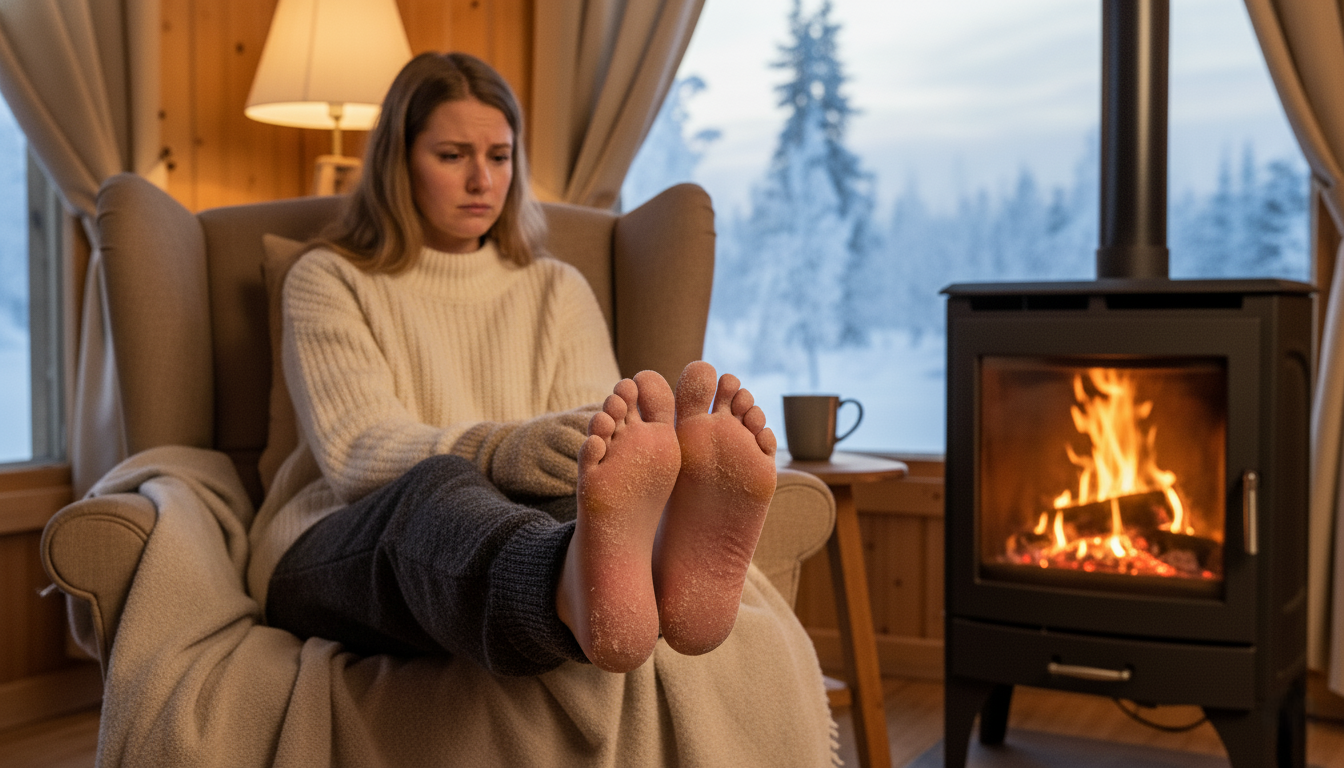
Your foot health can be in turn due to the effect of winter on your foot routine Changing temperatures means that many women find themselves experiencing an unexpected change in how their arches feel. When winter comes around, your arches may not feel as well supported or even the way they typically do. When winter arrives, your foot may feel tight or have pain in the morning when you take your first step; You may notice a heavier weight when walking throughout the day; If you have to stand on your feet all day you will feel tired sooner than usual.
This seasonal decline in arch strength is not imagined; it is a biomechanical reaction to colder weather and can be treated effectively when done early if you could treat it before it causes long-term conditions, such as plantar fasciitis or chronic arch strain.
We will discuss how your arches are affected by winter, how your indoor lifestyle can contribute to this problem, and what can be done to help support and care for your feet in the colder months.
Cold Weather Effects on Your Arches:
 Your arch is composed of various ligaments, muscles, tendons, and other tissues that help support your weight over a flat surface area.
All of these tissues are affected by temperature changes.
Here's what happens to your feet during the winter months:
1. Ligaments Stiffen in Cold Weather
When you are exposed to cold temperatures, the ligaments (plantar fascia), as well as your stabilizing foot muscles, lose flexibility. Because stiff tissues do not absorb force/shock as well as flexible tissues do, every time you take a step, an increased amount of force is placed on the arch.
With enough repetition of increased forces over time, these repeated stressors will cause the arch to revert or "sink" toward the ground and flatten out.
2. Reduced Blood Flow Reduces Muscle Strength
Decreased blood circulation makes your foot muscle groups weak. While the arch-supporting muscles lift and support the arch; when they become cold and/or starved for nutrients, they will tire quickly throughout the day, which causes the arch to sag and droop by the end of the day.
3. Winter Floors Increase Your Problems
The cold temperature of tile, marble, and wood floors during the winter months will increase the effects of fatigue on your arches. Most women are so used to going barefoot or wearing thin socks while at home that the effects of winter when walking barefoot or wearing thin socks when walking on these types of winter floors can dramatically increase:
- arch fatigue
- heel strain
- midfoot pressure
This has been one of the major causes of winter arches collapsing for many individuals with flat feet or mild-to-moderate degrees of pronation.
A noticeable difference will be felt within days of switching from slippers or bare feet at home to wearing warm slippers that provide arch support for women with flatter arches.
4. Changes in Activity Levels During Winter Months:
With the increased amount of indoor time in winter months also comes an increase in instances when individuals spend their time standing:
- Meal Preparation During the Holidays
- Cleaning Home for Holiday Guests
- Running Errands
- Working from Home
Standing without any form of support is one of the quickest ways to break down one's arch.
Signs That Your Foot's arch May Have Collapsed in the Cold Weather
A lot of women may experience uncomfortable sensations in their feet long before you notice that their arches are becoming flat. Identifying these sensations will help prevent developing chronic pain.
Symptoms that may occur early on:
- A burning, tight, or stretching feeling at the bottom of your arches
- Sharp pain in the arches after sitting or resting for a long time
- A very sore heel in the morning when you get out of bed
- A feeling of burning/aching between the ball of your foot and your heel
- A heavy, "tired" feeling in your arches by midday
- A noticeably heavier footstep during the winter
If you experience these symptoms only in the winter months, then the temperature change is a big reason why you are experiencing them.
How a Proper Winter Slipper Provides Arch Protection
 When winter slippers have support features, they also help to:
- maintain correct alignment of your arches
- reduce stress placed on the plantar fascii
- support people with flat feet and weaknesses in their arches
- prevent overstretching of the arch during extended periods of standing
- maintain warmth, flexibility and responsiveness in your feet
Arch Support Slippers for Women provide stability in addition to cushioning, which will help prevent the arch from collapsing under the burdens of winter.
Soft vs. Structured Slippers: Why the Difference Matters
Women's Plush—or Soft—Slippers are known for their comfort during cold weather. Most styles are not designed to hold up against the weight of your foot, which can lead to poor support and ultimately a lack of stability.
A soft sole means that the arch is not supported and, therefore, when your arch starts to fail, a soft slipper can make it worse.
Supportive Structured Slippers can benefit those who have:
- Plantar Fasciitis
- Flat Foot
- Tightness of Arch Tendon
- Heel Spur Pain
- Over Pronating
- Mid Foot Fatigue
Selecting Women's OT Slippers with Arch Support is one of the best ways to prevent winter arch collapse.
A Winter Routine to Protect and Strengthen Your Arches
Consistent (not complicated) routines will help you maintain your arch from collapsing earlier rather than later. Using these straightforward techniques consistently improves your comfort throughout the colder months.
1. Each Morning: Warm Your Feet.
Cold arches are an easy target for collapse.
Before stepping out of bed:
- Flex your toes
- Rotate each foot around your ankles
- Stretch your calves
- Move your foot in a circle about one foot at a time
The above warm-up exercise prepares your plantar fascia and helps to prevent damage from microtears.
2. Wear Supportive Indoor Slippers
Whether you love cozy warm slippers or prefer the stylish look of supportive slippers; wear supportive slippers during the winter months. The best slippers for plantar fasciitis or those made to support flat feet are supportive slippers with a contoured footbed.
By wearing supportive slippers, you will:
- Provide a strong lift for your arch.
- Keep your foot properly aligned.
- Reduce the burden on your feet during the winter months.
- Reduce your pain in the morning.
Supportive slippers reduce or completely eliminate the early collapse of arches during the winter months.
3. Keep Your Feet Warm—At All Times!
Keeping your feet warm keeps the muscles in your feet more flexible and supportive.
Ideas to consider:
- Thermal socks
- Fleece-lined womens winter slippers
- Heating pads for your feet
Keeping your feet warm can reduce your foot's stiffness by up to 20%.
4. Stretch the Plantar Fascia Daily
It only takes one minute to stretch the plantar fascia on a daily basis. Do a gentle pull with your toes and give your arch a good massage. By stretching the plantar fascia daily, you will keep your fascia active instead of stiff.
5. Work Your Arch Muscles
You can build the muscles that lift and support your arches by doing simple towel scrunch exercises or separating your toes for several minutes.
6. Standing Long Periods on Hard Floors
Tile and wood flooring create a large downward force on your arch. Supportive slippers significantly help with this, but also provide some relief by doing so.
7. Choose Your Slipper Type for Your Needs
Arch Weakness: slippers with the best support for arch weakness for women.
Plantar Fasciitis: slippers with deep heel cupping for plantar fasciitis.
Flat feet: structured slippers designed specifically for flat feet.
All day use: orthopedic slippers with firm midsoles.
Having a single quality pair of shoes properly fit for your specific foot type will dramatically improve your foot health.
The Importance of Early Intervention
Arch collapse does not occur instantaneously; rather, the process occurs over time, exacerbated by the sluggishness of winter, along with the absence of good support from winter footwear.
With early intervention, you can prevent:
- chronic plantar fasciitis
- long-term overpronation
- persistent heel pain
- lower-leg fatigue
- Midfoot arthritis
Your arch is one of the primary means of absorbing impact, preserving your arch early on will enable you to support long-term health of your feet.
The Psychological Impact of Foot Pain
Winter is a busy time for many women and, as a result, they do not take time out from their busy schedules to take care of their feet. This is not just a matter of physical pain; it has a negative impact on your confidence, your ability to move, and your ability to enjoy your daily activities.
Choosing habits that are supportive of your feet is not simply about treating yourself. It also means that you have a supportive way to maintain your stability and your comfort and, therefore, be in good health when your body is experiencing the most stress.
Keep Your Arches Strong Through the Coldest Months
Your feet are under significant stress due to the cold temperature of the weather. This causes increased stiffness and weakness, along with the first signs of arch collapse. But, with warm, supportive home footwear—such as orthopedic slippers for women that are designed for arch support, structured slippers for women's winter footwear, or slippers designed specifically for the treatment of plantar fasciitis—you can stop the degeneration of your arches before it becomes a long-term problem.
Your arches help you through every season of the year. This winter, provide them with the warmth, structure, and support they need in order to remain healthy.