Many people think that flat feet happen suddenly, however the process of arch collapse is done over a long period of time. It starts with very little changes in your foot structure which are so small they can go unnoticed until they cause acute pain. However, the good thing about flat foot is that if you respond early on and make the correct footwear choices for stability, you will be able to prevent any long term damage.
Footwear is more significant than what most people think, and simply not wearing supportive shoes in your everyday life can often lead to collapse of your arches. However, before I delve into some solutions regarding arch collapse, I want to first illustrate seven early warning signs of arch collapse that most people have a tendency to overlook and/or ignore.
Persistent Foot Pain upon Waking Up
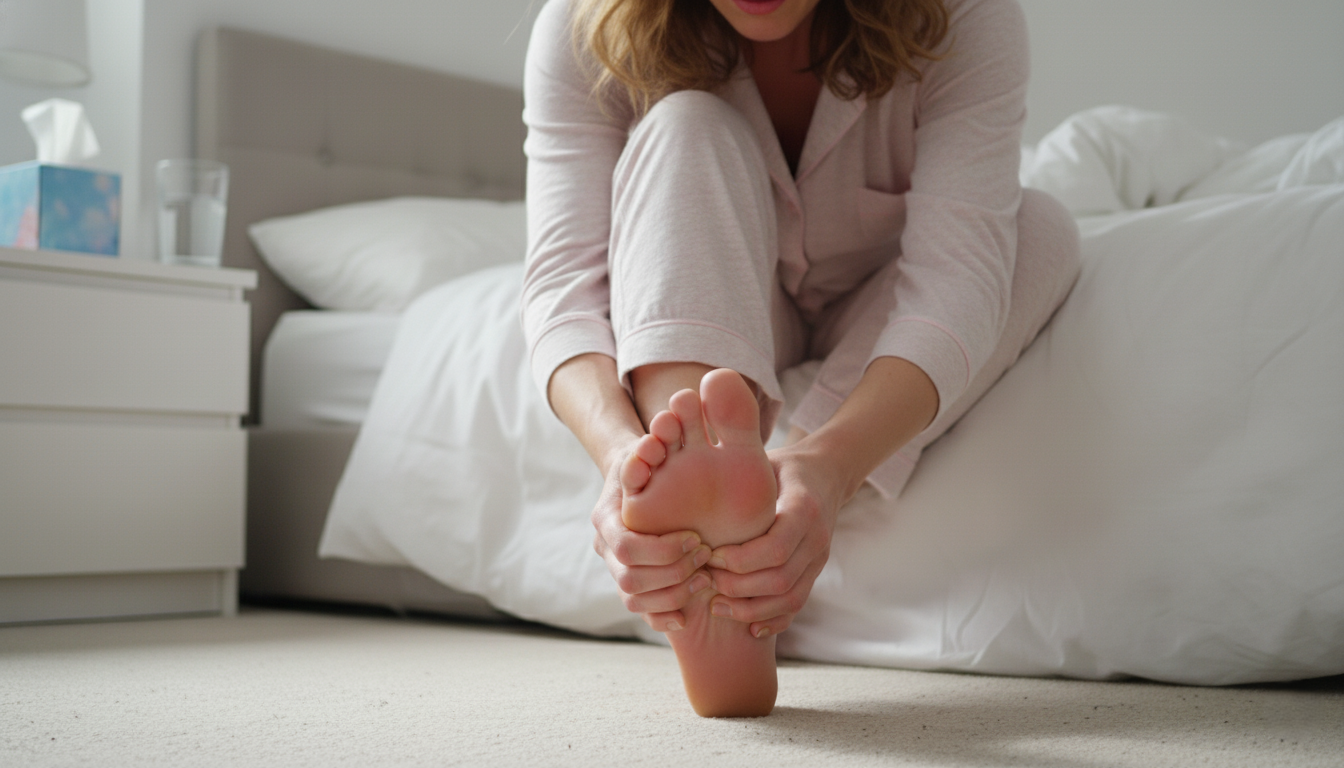
One of the first signs of trouble hits you as soon as you leave your bed. If your feet feel stiff, achy or sharp with each step taken early in the morning (especially in the arched and/or heel areas) then it's very likely that the soft tissues in your feet are giving you a notification that there is stress occurring to your foot. Plantar fascial stress is known to be the most common type of foot related distress that develops during the nighttime hours, and when the arches begin flattening this condition becomes more complicated.
Although it is common to compensate for morning foot pain by simply walking around the house for several minutes after waking up, this is when it is best to take corrective action. If you purchase Women's Arch Support Sandals or Recovery sandals before your soft tissues begin to lengthen due to the effects of your body weight you should be able to assist your plantar fascia to repair itself before reinjuring itself every single day.
Your Feet Become Tired Following a Short Period of Time

Are your feet feeling excessively fatigued after performing typical tasks in your household (preparing meals, moving about your house, waiting in line, etc.)? If they feel excessively fatigued, this is usually an indication of a loss of shock-absorption ability in your arches. The arches of a healthy foot help to distribute your weight and load evenly on each of your feet, but when they become weakened and begin to collapse, it will cause your muscles to overcompensate for the failure of your arch by taking on too much load.
What is the cause of the excessive fatigue? Wearing completely flat shoes or slippers with absolutely no arch support is a primary problem for a lot of people. The majority of individuals are unaware that if they wear soft, thin foam-style slippers around the house, they will allow their arches to collapse even further due to the non-supportive characteristics of the footwear worn indoors.
Heel Pain on a Sudden Increase
A sudden increase in heel pain, usually in the form of a sharp pain the first few steps of your day or when you’ve been resting for a long period of time, is another indication of instability in the arches. The arches are collapsing, causing plantar fasciitis and/or a heel spur. When your arches collapse, they stretch the plantar fascial tissue beyond its normal stretching limits, causing micro-tears. Many women report increased pain while running errands or doing household chores. Many women report that when they switch to shoes designed for maximum pressure distribution (for example: Sandals for Heel Spurs) and use well-cushioned recovery sandals that provide a stabilizing effect on the heel, the pain is reduced.
Tightness in Calf Muscles and Hamstring Muscles
Most people would not connect tension in the calf muscle with foot problems, but the two are interconnected in many ways. When the arch collapses, the foot is no longer in proper alignment with the leg. This means that the calf muscles must take on more workload because of the altered position of the feet. Therefore:
- Tightness occurs in the calf muscles;
- The Achilles tendon is under more stress;
- The hamstring muscles of the opposite leg will also compensate
If you feel like you are frequently stretching the calf muscles or they are getting tight during simple movements, it might be an indication that you need to seek professional evaluation for the cause, most likely due to instability of the arches.
Flattened Feet or Excessive Pressure in the Mid Foot Area
One of the most common issues that occur is that people report that their feet feel flatter than they did before. Many people describe the feeling as:
- A spreading pressure through the entire arch of the foot
- A feeling of collapsing or sinking down into the ground
- The mid-foot area is making more direct contact with the ground than normal.
At this stage, it suggests that the arches have lost their elasticity and are not being held up in their normal position. Wearing a shoe designed with support systems specifically for stabilizing the arches will lift the arches back to their natural positions to avoid any long-term structural deformity.
The Causes of Arch Collapse
Arch collapse isn't a random event but is generally caused by one or more of the following factors:
- Wear of unsupportive footwear regularly, particularly soft flat shoes or flexible slippers
- Aging, which contributes to the weakening of the tendons which support the arches
- The increase of weight puts excess stress on the mid-foot area
- Overuse of the feet, particularly while on hard surfaces
- A hereditary or genetic tendency to develop flat feet
- Long hours of standing on tile or concrete floors without adequate cushioning and protection from the shocks from standing on hard surfaces.
Most individuals who suffer from sagging arches are unknowingly compounding the problem by regularly wearing low-support shoes or flats or home slippers.
Arch Collapse Can Be Reversible with the Right Kind of Footwear

Shoe selection is a critical part of treating arch collapse. It is possible to stop the deterioration of arches through proper shoe selection.
The Benefits of Shoe Selection:
- Raises the Arch
- Distributes pressure evenly across the foot
- Helps prevent overpronation; one of the main causes of arch collapse
- Relieves stress from the heel; which can prevent the development of plantar fasciitis
- Corrects the alignment of your body to improve joint function
Types of Shoes Needed:
- Supportive Sandals- Provide firm support; aid in maintaining structural alignment of the arch.
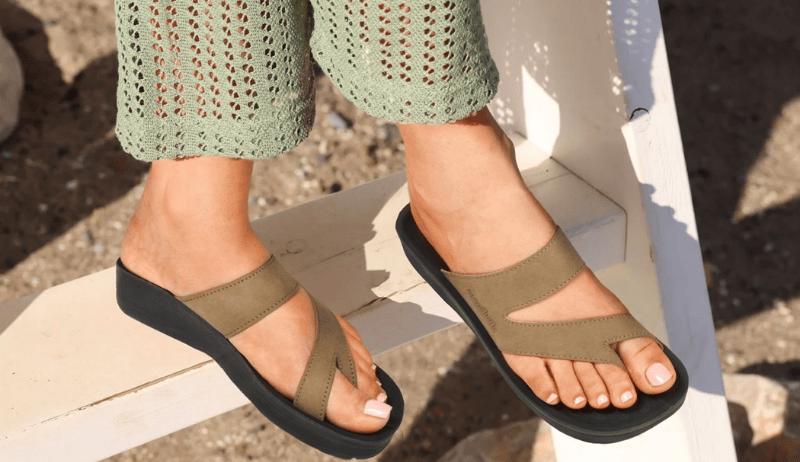
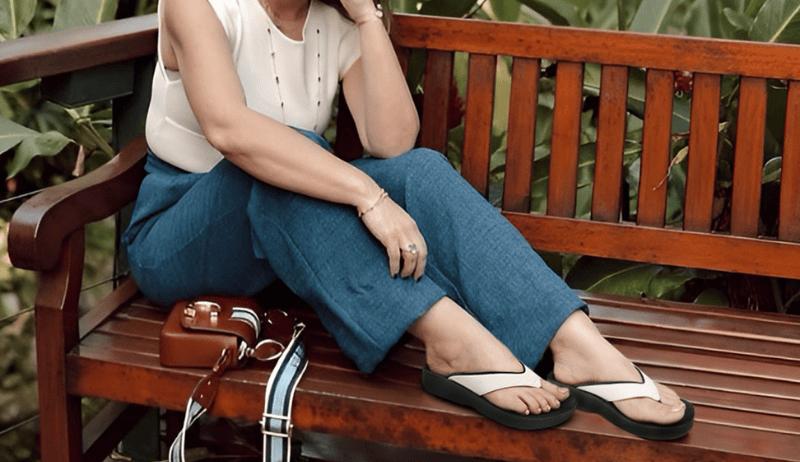
- Women's Supportive Sandals- Best for wear and walking on a daily basis.
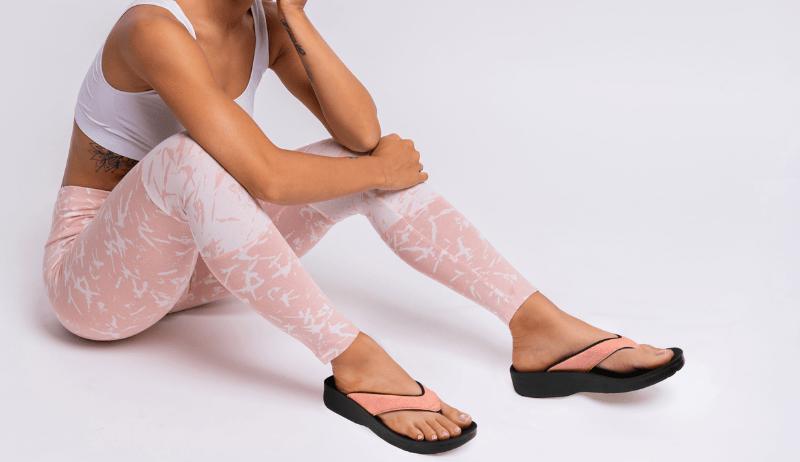
- Recovery Sandals- great for worn feet after standing for long periods of time.
- Arch Support Sandals - designed to correct foot instability.
- Sandals for Heel Spurs - Helps to reduce impact on heel and provide support to the plantar fascia.
If you wear any of the above shoes on a consistent basis it will help alleviate arch pain and prevent your foot from continuing to collapse.
Habits To Help Preserve Your Arches
Although footwear can play a role in protecting your arches, making air space around them while strengthening the arch muscles can be achieved through lifestyle habits.
Do not walk barefoot on tile:
Walking on hard surfaces causes your arches to push downwards more.
Stretch your calves and plantar fascias every day:
Spend just a few minutes each day stretching your calves and plantar fascia, and this will help keep them flexible and relieve strain.
Wear supportive indoor footwear:
If you wear "flimsy" slippers indoors, consider switching to sandals that have support.
Alternate types of footwear:
For example, consider wearing recovery sandals after walking long distances during recovery periods, and wearing orthotic sandals for women's full activity days.
Replace worn-out shoes:
If your shoes have collapsed due to extended wear, the insole will be collapsed, which can create an unstable arch.
Time To Seek Professional Help For Arch Collapse
If an arch collapse has progressed to the point where you are consistently feeling flat-footed or if the pain has developed into your knees or back, you should seek a professional evaluation from a podiatrist. A podiatrist can also help you determine if you have tendon-related issues or other types of injuries, and will recommend what type of orthotic would work best for your individual needs. Early intervention with appropriate footwear helps to avoid reaching this stage of arch collapse.
Conclusion
If you take notice of some warning signs that morning calf pain, calf stiffness, fatigue, and wearing shoes unevenly. Arch collapse can be prevented. Supportive footwear such as Orthopaedic Sandals, Flatfooted Sandals, Women’s Arch Supporting Sandals, and Stability Recovery Sandals help to maintain the shape of your feet, improve comfort and support long-term foot health.
Taking action early gives you the best chance to save your arches. Get started today by selecting supportive shoes.